
REVIEW · ROME TEMPLE TOURS
Rome: Tour of St. Clement’s Basilica Underground Temples
Fourteen meters beneath a quiet Roman basilica, an ancient river runs beside a Mithraic temple. That is the hook here. At San Clemente, you move through several eras of Rome in a single hour: a 12th-century church, a 4th-century Christian basilica, an earlier Roman building, and a pagan sanctuary. It is history in layers, not history behind glass.
I especially like the Mithraic temple and underground waterway, which give the tour a strange, physical atmosphere. I also like the quality of the guiding. Guides such as Francesca, Lorenzo, Paul, and Anestis have been praised for clear explanations, humor, and the ability to answer questions. The main drawback is practical: the underground passages are not wheelchair accessible and may feel tight if you are claustrophobic.
Key points to know before you book
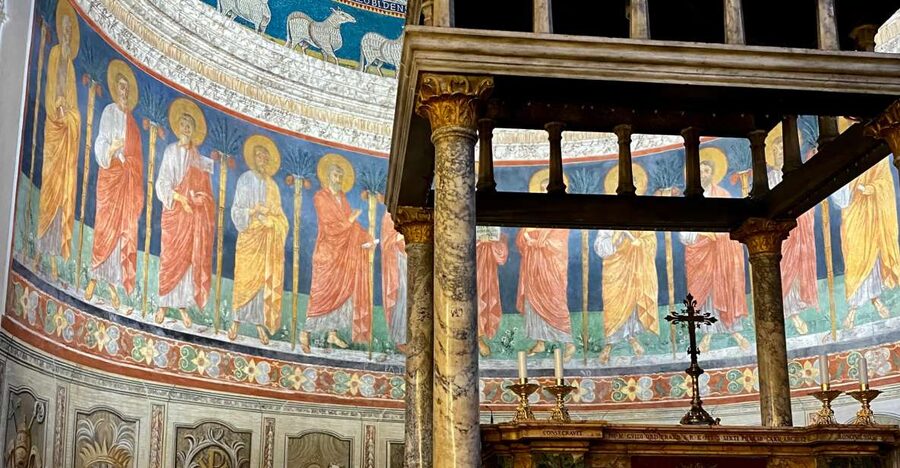
- Fourteen meters underground: San Clemente takes you from a working basilica down into ancient Roman structures and a dark subterranean passage.
- A rare Mithraic sanctuary: You see one of Rome’s best-preserved temples linked to the mysterious cult of Mithras.
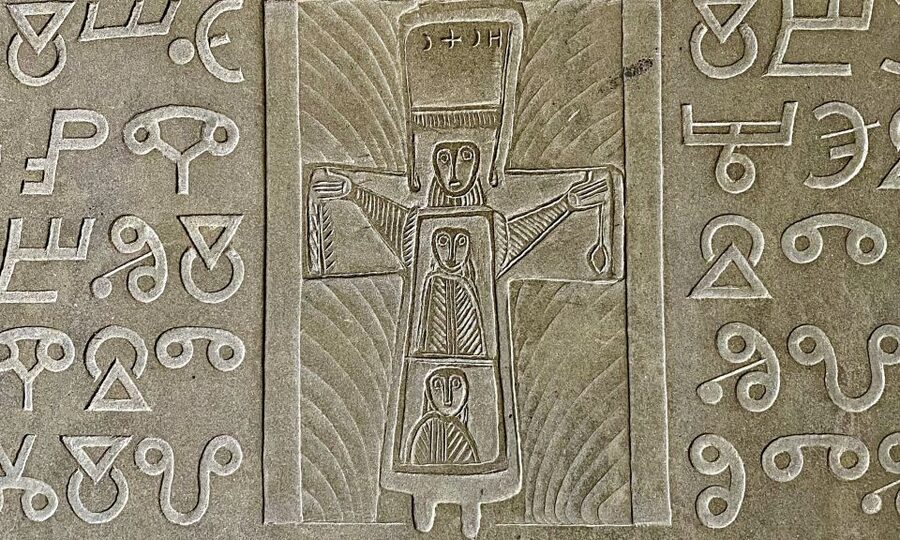
- Early Christian art: The lower church contains some of Rome’s earliest Christian frescoes, including scenes of martyrdom.
- A striking golden apse: Begin or end in the 12th-century basilica, where the mosaic is packed with Christian symbolism.
- Optional Santo Stefano Rotondo: Add 45 minutes on foot for a circular church and graphic frescoes of martyrdom.
- Strong guide element: The tour is worth more with a gifted guide, especially one who can connect archaeology, pagan religion, and early Christianity.
Why San Clemente feels unlike most Roman churches
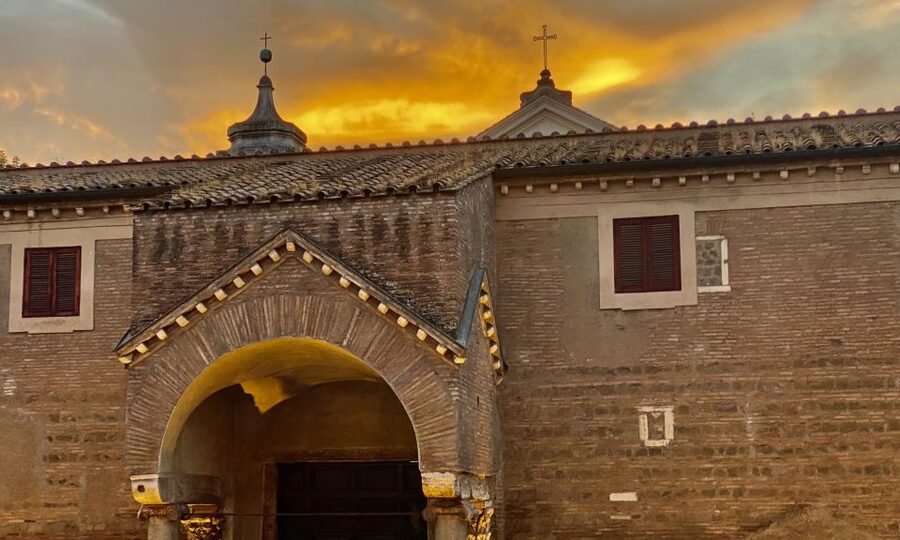
Rome often makes you choose between ancient ruins, churches, and museums. San Clemente gives you all three in one compact visit. The present basilica sits above older buildings, and the route downward feels like walking backward through time.
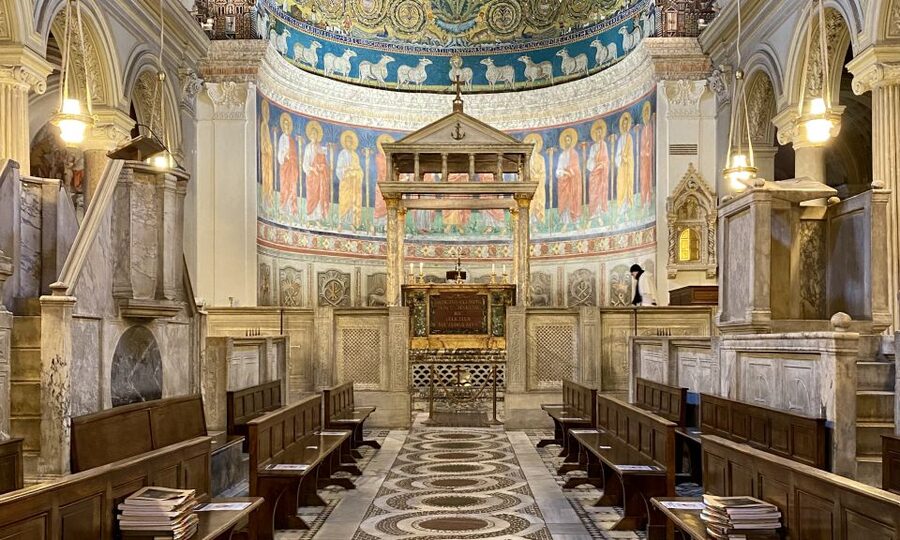
You begin at street level in the 12th-century Basilica of San Clemente al Laterano. Its scale is more intimate than St. Peter’s or St. Paul’s Outside the Walls, which helps you notice the details instead of simply staring upward at a huge interior.
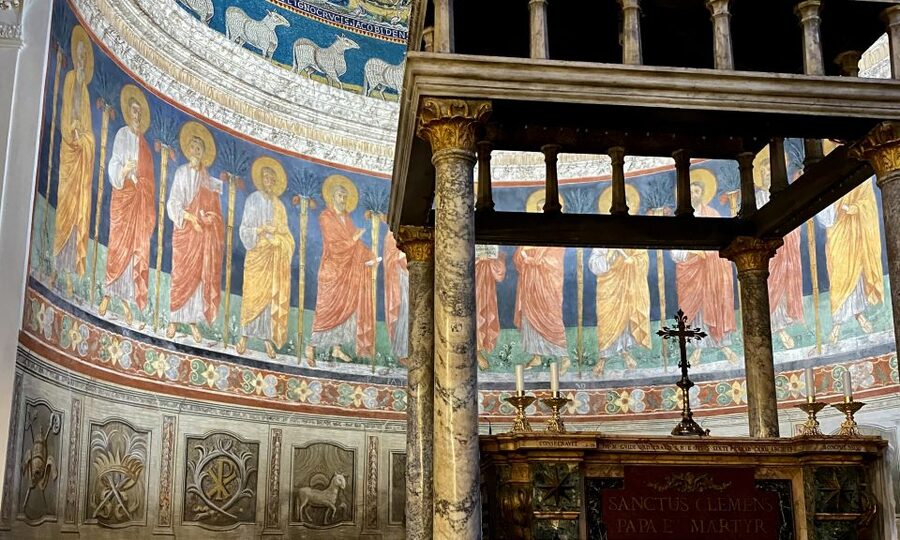
The apse mosaic is the first major stop. Its glittering gold background catches the eye, but your guide’s explanation is what makes it worthwhile. The design contains layers of Christian meaning and symbolism that are easy to miss if you wander in alone. This is one of those places where a guide earns the admission price before you even reach the underground rooms.
The tour then descends through the basilica’s lower levels. You are not simply looking at scattered stones. You are following the physical development of the site, from a later church to an earlier Christian gathering place and then to Roman structures connected with pagan worship.
That arrangement gives San Clemente its special power. You can see how one sacred site changed as Rome changed. Christianity did not appear in an empty city. It grew among older homes, older customs, and older religious practices.
A few more temple visits around Italy worth a look
- Agrigento: Valley of the Temples Skip-the-Line Sunset Tour
★ 4.5 · 1,512 reviews - Pantheon Elite Guided Tour – Rome’s Iconic Ancient Temple
★ 5.0 · 1,447 reviews - Palermo: Agrigento and the Valley of the Temples Day Tour
★ 4.2 · 1,240 reviews
The 12th-century basilica and its golden apse
The upper church is a useful starting point because it gives you a visual anchor before the descent. The golden mosaic in the apse is the most obvious artistic treasure, and the guide explains its spiritual meaning rather than leaving you with a quick glance and a photograph.
The basilica also helps you understand the contrast between public Christian worship and the private religious groups found below. The upper church feels formal and luminous. Below, the spaces become darker, rougher, and more enclosed.
You should take time here even if your main reason for booking is the underground temple. The mosaic is not just a decorative prelude. It shows how later Christian builders created a new religious identity on a site already shaped by Roman life.
Photography is not allowed inside, and that is worth accepting before you arrive. You will need to pay attention rather than trying to record every surface. Comfortable shoes are important, too, since the tour includes stairs and a 15-minute walk if you choose the Santo Stefano extension.
The 4th-century church beneath San Clemente
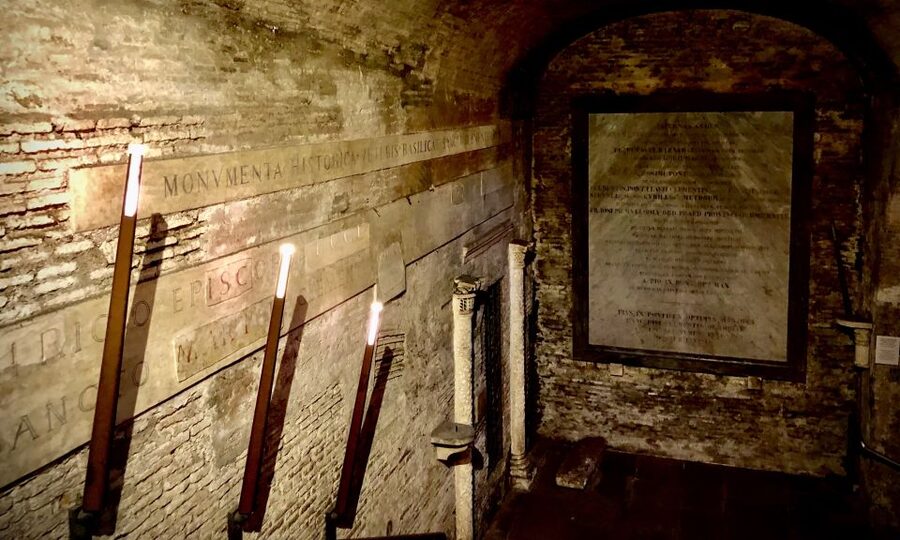
The first underground level brings you to a 4th-century Christian basilica built over the home associated with St. Clement, traditionally regarded as the third pope of Rome. Here, the setting becomes more intimate and the art more fragile.
The frescoes show early Christian stories, including the lives and deaths of martyrs. They help put a human face on the period of Christian persecution. Your guide can explain not just what the images show, but how early Christian communities used art and worship in a city where religious identities were changing.
This is also where a strong guide makes a major difference. Several guides have been praised for speaking at a comfortable pace, using humor, and welcoming questions. Paul, who has been described as an archaeologist and Rome-based professor, has led particularly detailed tours. Francesca and Lorenzo have also been singled out for their warmth, clear English, and ability to make ancient Rome understandable.
Guide assignments can change, so you should not book on the assumption that one particular person will lead your group. Still, the repeated praise for the guiding tells you something useful: this is not an experience designed to be absorbed through labels alone.
The lower church may be especially rewarding if you have already seen Rome’s grander monuments. After the crowds and scale of the Colosseum or St. Peter’s, San Clemente offers a quieter way to understand the city. One useful description from a guide is the idea of Rome as historical lasagna. Here, you can actually see the layers.
The Mithraic temple and the underground river
The deepest part of the visit is the Mithraic sanctuary. Mithraism was a Roman mystery religion associated with the god Mithras, and its followers practiced private rituals away from the large public temples familiar from Roman monuments.
You do not get a full picture of every belief or ceremony, since the evidence is limited. That uncertainty is part of the appeal. Your guide explains the known features of the cult and separates evidence from speculation, giving you a grounded look at religious life before Christianity became dominant.
The temple is one of the best-preserved examples of its kind in Rome. Its location below the basilica adds to the sense of discovery, but the value is more than atmosphere. It provides a direct comparison between two religious worlds occupying the same piece of ground.
The underground river adds another layer of mystery. Water moves through the lower passage, creating an eerie sound and a damp, enclosed feel. You should not expect a grand natural spectacle. The appeal is the combination of archaeology and atmosphere: ancient masonry, low light, and water still passing through the Roman underground.
This section may be uncomfortable if you dislike enclosed spaces. The tour is specifically not recommended for people with claustrophobia, and wheelchair users cannot access the underground areas because of the architecture. If stairs, narrow routes, or dark rooms are a concern, ask before booking.
Same country, a different morning at the gates:
- Rome’s Iconic Temple: Pantheon Audio Guided Tour with Fast Access
★ 4.0 · 1,188 reviews - Agrigento: Valley of the Temples Ticket & App Audioguide
★ 4.3 · 1,160 reviews - Colosseum Special Access Tour, with Ancient Temples & Tombs
★ 4.8 · 747 reviews - Agrigento: Valley of the Temples E-Scooter Tour
★ 4.6 · 557 reviews
Santo Stefano Rotondo adds a darker second chapter
The optional extension visits Santo Stefano Rotondo, about a 15-minute walk from San Clemente. The added visit takes roughly 45 minutes and focuses on a different but related subject: early Christian martyrdom.
Santo Stefano Rotondo is known for its circular architecture, which makes it unlike the long rectangular basilica at San Clemente. The change in shape is worth noticing. Instead of moving through a conventional church layout, you experience a central, ring-like interior that changes how the frescoes and space work together.
The frescoes depict graphic scenes of martyrdom. They are historically important but can be upsetting, especially for children. I would choose the extension if you want a stronger focus on early Christian suffering and visual storytelling. I would skip it if you prefer the archaeological side of San Clemente or if graphic religious violence is not for you.
The extension may occasionally be unavailable because of special events or liturgical celebrations. The order can also change. Depending on the day, you might begin at San Clemente and walk to Santo Stefano, or start at Santo Stefano and finish at San Clemente.
The optional visit is not merely extra time attached to the same tour. It changes the emphasis from layered archaeology to Christian art and martyr narratives. That makes it a sensible choice for church art enthusiasts, but less essential for visitors mainly interested in pagan Rome and underground structures.
What the $70 price includes
At about $70 per person, this is not Rome’s cheapest church visit. The value depends on how much you want explanation and context.
Your fee includes the live guide, entrance to San Clemente, and headsets so you can hear clearly. If you select the extended option, it also includes the guided visit to Santo Stefano Rotondo. Food, drinks, pickup, and drop-off are not included.
I think the price is reasonable for a first-time visitor who wants the site properly explained. San Clemente’s layers are easy to misunderstand without help. You might see an old wall, a faded fresco, and a dark chamber, then leave without understanding how they connect. A good guide turns those fragments into a clear sequence.
The value is strongest in a small group. Private groups are available, and some departures may be quite intimate. One couple described having the tour almost to themselves, which would allow plenty of time for questions. Group size can affect the feel, so check the option you are booking if personal attention matters to you.
The optional Santo Stefano visit makes the cost easier to justify if you want a fuller early Christian experience. If you only want the underground levels, compare the price with your interest in guided interpretation. San Clemente can be visited without this particular tour, but the archaeology is much easier to appreciate when someone explains what you are seeing.
Timing, meeting point, and practical details
The main visit lasts about one hour. With Santo Stefano Rotondo, plan on roughly two hours, including the walk between churches. Starting points and meeting details can vary by the option selected, so read your confirmation carefully rather than assuming every group meets in exactly the same place.
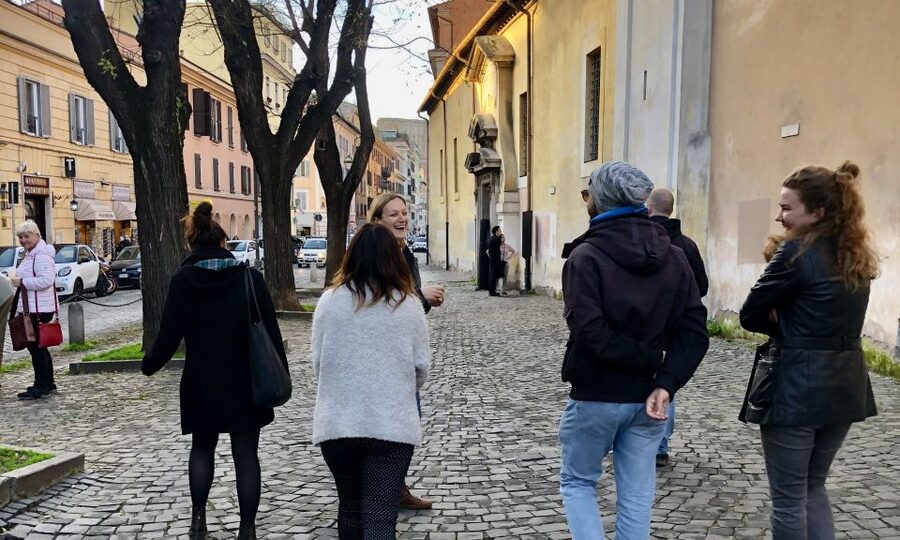
The main meeting area is around Piazza di San Clemente. The tour may finish back near San Clemente or at Basilica di Santo Stefano Rotondo al Celio if you take the extension.
Wear comfortable shoes. The descent, underground walking, and route between churches make sensible footwear more important than stylish footwear. Shorts, short skirts, sleeveless shirts, food, and drinks are not allowed. Pets, weapons, alcohol, and drugs are also prohibited, and you cannot take photographs or make video recordings inside.
The tour is offered in English, Italian, Spanish, French, German, and Portuguese. A live guide leads the visit, and headsets help when you are not standing right beside the guide.
The churches remain active religious sites, so the schedule can change for liturgical events or special closures. If part of a church is closed, the guide may adapt the route and cover alternative areas, with the overall duration kept the same. Weather or the liturgical calendar can also lead to cancellation, in which case you are offered another date or a full refund.
Free cancellation is available up to 24 hours before the start time, and you can reserve now and pay later. Those policies are useful in Rome, where church schedules can shift.
Who will get the most from this tour
I would recommend San Clemente to you if you like archaeology, religious art, ancient beliefs, or the physical structure of old cities. It is particularly good for repeat visitors who have already seen Rome’s famous monuments and want a smaller site with more texture.
It also suits anyone who prefers explanation over quick sightseeing. The most praised guides have been described as friendly, funny, articulate, and able to answer detailed questions. Some have academic or archaeological backgrounds, though the specific guide depends on the departure.
Families should consider the age and temperament of their children. The underground route may feel dark or tight, and Santo Stefano’s martyrdom paintings are graphic. Older children with an interest in history may find the story fascinating, but the extension is not a natural choice for every family.
You should choose another activity if you use a wheelchair, have serious claustrophobia, or want a fully open, easy-access church visit. The underground levels are the heart of the experience, so skipping them would remove much of what makes San Clemente special.
Should you book San Clemente and Santo Stefano?
Book this tour if you want Rome explained through its buried layers rather than viewed only from famous squares. The combination of a golden mosaic, early Christian frescoes, a Mithraic temple, and an underground river gives you a rare look at how Roman religious life changed over time.
I would choose the basic San Clemente visit for archaeology and ancient religion. Add Santo Stefano Rotondo if you want more early Christian art and can handle graphic martyrdom scenes. The strongest reason to book is the guide. A skilled leader such as Paul, Francesca, Lorenzo, or Anestis can turn a short descent underground into one of the most memorable history lessons in Rome.
FAQ
How long does the San Clemente tour last?
The main guided visit lasts about one hour. The optional Santo Stefano Rotondo visit adds 45 minutes, making the full experience roughly two hours, including the walk between the churches.
How far underground does the tour go?
The tour descends about 14 meters beneath the Basilica of San Clemente.
What can I see beneath San Clemente?
You can see a 4th-century underground Christian basilica, early Christian frescoes, older Roman structures, a Mithraic temple, and an underground river.
Is Santo Stefano Rotondo included?
It is included only when you select the extended option during booking. The standard tour focuses on San Clemente.
How long is the walk to Santo Stefano Rotondo?
The itinerary includes a walk of about 15 minutes between the two churches.
Is this tour suitable for wheelchair users?
No. The underground spaces and architectural structure of San Clemente make the tour inaccessible to wheelchair users.
Is the tour suitable for people with claustrophobia?
It may not be suitable because the tour includes underground spaces that can feel enclosed.
Can children join the Santo Stefano Rotondo visit?
The frescoes at Santo Stefano Rotondo show graphic scenes of martyrdom and may not be appropriate for children.
Can I take photographs inside?
Photography and video recording are not allowed inside the churches.
What languages are available?
Live guides are available in English, Italian, Spanish, French, German, and Portuguese.
Just added around Italy
- Villa Romana Del Casale in Piazza Armerina and Valley Of Temples in Agrigento★ 4.5 · 38 reviews
- Agrigento and Piazza Armerina: Valley of the Temples and Villa Romana del Casale★ 4.5 · 121 reviews
- Private Tour to the Villa Romana del Casale and the Valley of the Temples★ 4.5 · 19 reviews
- Cooking Class in a former Artist Monastery in the Heart of Monopoli★ 5.0 · 18 reviews
- Agrigento Valley of the Temples Archaeological Area★ 4.0 · 33 reviews
- Private transportation to the Valley of the Temples + Agrigento★ 5.0 · 8 reviews
- Agrigento: Valley of the Temples Entry Ticket & Audio Guide★ 3.0 · 40 reviews
- Rome underground hidden temples, ruins, and secret basilicas★ 3.7 · 21 reviews
Rome Temple Tours, compared.
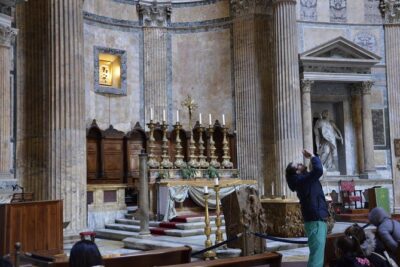
Pantheon Elite Guided Tour – Rome’s Iconic Ancient Temple
Read our review →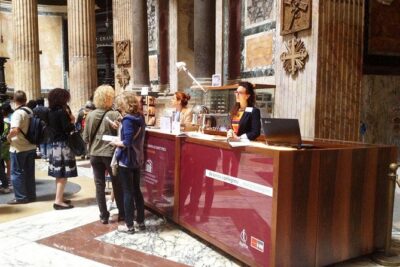
Rome’s Iconic Temple: Pantheon Audio Guided Tour with Fast Access
Read our review →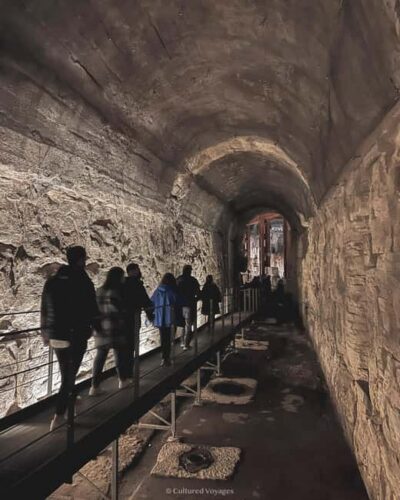
Colosseum Special Access Tour, with Ancient Temples & Tombs
Read our review →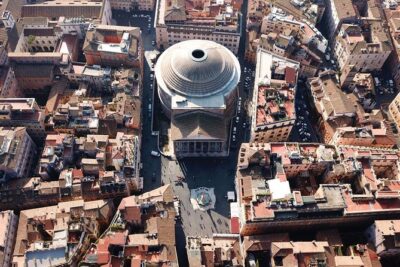
Walking Guided Tour and Rome’s Iconic Temple Pantheon Entrance
Read our review →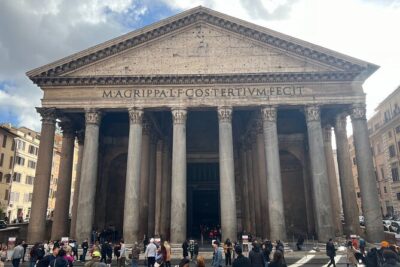
Rome’s Iconic Ancient Temple: Pantheon Fast Track Entry Tickets
Read our review →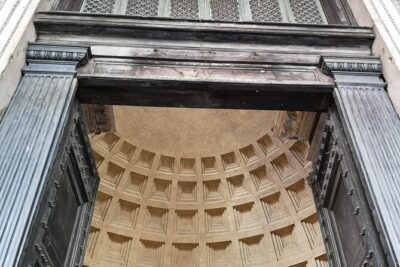
Pantheon: The Iconic Ancient Roman Temple – Semi-Private Tour
Read our review →
Pantheon Private Guided Tour – Rome’s Iconic Ancient Temple
Read our review →
Browse the lists this tour appears in