
REVIEW · OSAKA TEMPLE TOURS
Osaka: Minoh, Katsuoji Temple, & Minoh Falls Full-day Tour
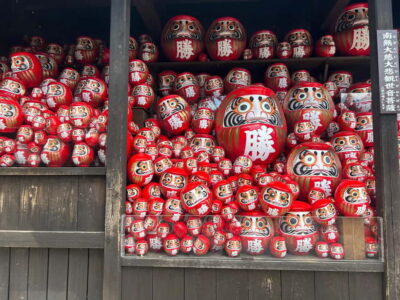
Katsuoji Temple is the star here, with hundreds of red Daruma dolls tucked into gardens, railings, steps, and small corners around the grounds. Pair that with a 33-metre waterfall and a forest walk outside Osaka, and you get a day that feels far removed from the city without requiring a complicated independent trip.
I like two things especially. First, the guide handles the trains, bus, taxi, and meeting points, so you can pay attention to the temple and scenery instead of a transit map. Second, the day moves at a calm pace, with time to buy a Daruma, eat lunch by the falls, and stroll beside the river. Guides such as Warren, Adam, and Justin have been especially good at explaining local customs and adjusting the pace.
The catch is simple: this is a walking day outdoors, not a gentle sightseeing bus tour. You will use public transport, walk on steps and gradual slopes, and spend hours outside. Hot summer weather, rain, or autumn crowds can change the feel of the day, so comfortable shoes and weather protection matter.
Key points at a glance
- Daruma-filled Katsuoji Temple: Learn why these one-eyed dolls represent perseverance and good fortune, then buy one as a useful keepsake.
- Minoh Falls at lunchtime: Sit near the 33-metre waterfall and eat food you bring or purchase yourself, since meals are not included.
- A mostly gentle return walk: The route from the falls toward the station follows the valley and is largely flat, with gradual slopes and scenic stops.
- Local transport with a guide: The outing uses subway or train services, a bus, a taxi, and a final train back to Osaka.
- A strong guide-led experience: Warren, Adam, Justin, Joel, and Joe are among the guides named by guests, with praise for clear explanations and patient pacing.
- Good escape from Osaka’s city core: You get temple gardens, mountain scenery, and forest paths in one 390-minute outing.
Why Katsuoji Temple makes this day special
Many Osaka day trips chase famous city sights. This one heads north to Katsuoji Temple, where the mood changes quickly from urban movement to gardens, water, wooded hills, and traditional buildings.
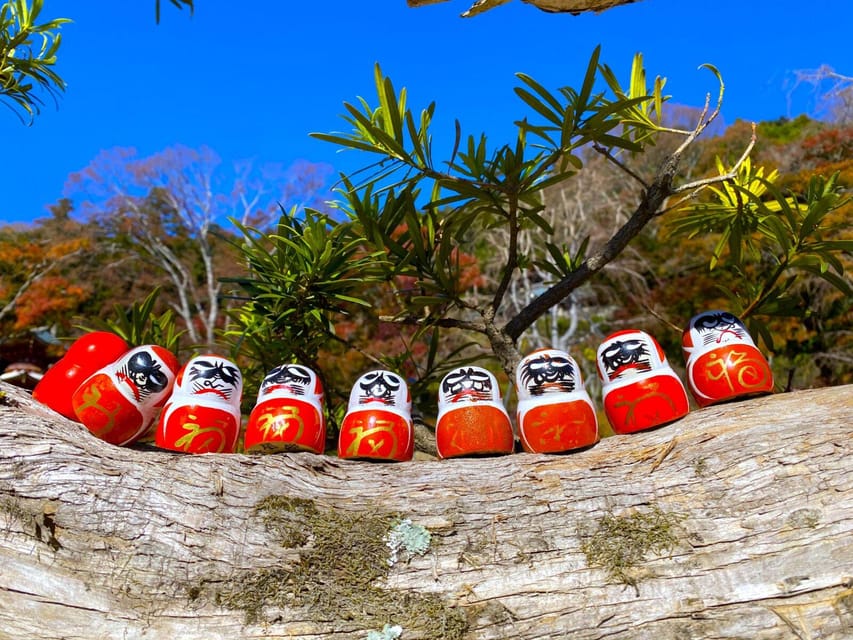
The temple dates to the Nara period, giving your guide plenty of material beyond the usual photo stop. The main visual surprise is the Daruma display. These round, determined-looking dolls appear in large numbers across the temple grounds, creating a playful contrast with the quiet setting.
A Daruma is linked with perseverance and good luck. You typically begin by filling in one eye while setting a goal, then complete the other when that goal is reached. The tour gives you time to understand the custom and purchase one if you want a souvenir with meaning rather than a generic Osaka trinket.
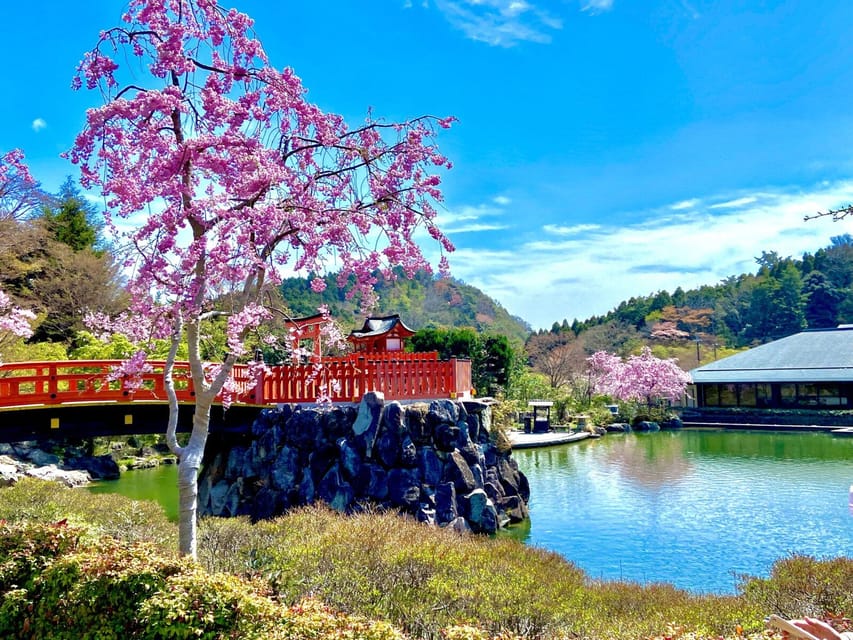
Katsuoji is also worth visiting even if you have no interest in buying anything. Expect a pond, a bridge, carefully arranged gardens, seasonal flowers, and traditional architecture. The setting changes with the calendar. Autumn brings colorful leaves, while warmer months offer green surroundings and flowers. Rain can make the temple feel even quieter, though it also makes footing and photography less convenient.
Your guide adds real value here. Warren has been praised for explaining Buddhist and Shinto traditions in a relaxed way, while Adam has helped visitors understand the Daruma, the temple’s figures, and the wider Minoh area. Justin has also been noted for making the cultural details easy to follow without turning the visit into a lecture.
More Full-Day Trips in Osaka:
- Kyoto: Full-Day English Guided Tour of Kyoto’s Highlights
★ 4.5 · 656 reviews - Siem Reap: Full-Day Angkor Wat Guided Tour with Sunset
★ 4.9 · 3,803 reviews - Full-Day Angkor Wat Sunrise Private Tour with Guide from Siem Reap
★ 5.0 · 2,920 reviews
Getting there by Osaka public transport
You meet at Akatsuki Plaza on the first floor of the North Gate Building inside JR Osaka Station. The meeting area is just north of the Central Exit ticket gates, near the North Central Exit. Look for the wide open space with an escalator on each side, but stay on the first floor rather than going up.
This is one part of the day where a few minutes of preparation pays off. JR Osaka Station is large, and the meeting point is not simply outside the station doors. If you arrive from the Midosuji Subway Line, follow signs for JR Osaka Station, make your way toward the Central Exit, and continue north in the direction of Yodobashi Camera.
The group then travels by public transport, with roughly 40 minutes on the subway or train and about 25 minutes by bus before reaching Katsuoji. The exact order and timing can change with train schedules and conditions. That is normal for a day using local services.
I like this setup because it shows you how residents move around Osaka rather than placing you in a sealed coach. Your guide takes care of the route, transfers, and timing, which is useful if you are not comfortable reading Japanese station signs. The tradeoff is that you will stand or walk through stations and share public transport with other passengers.
Taking your time among the Daruma dolls
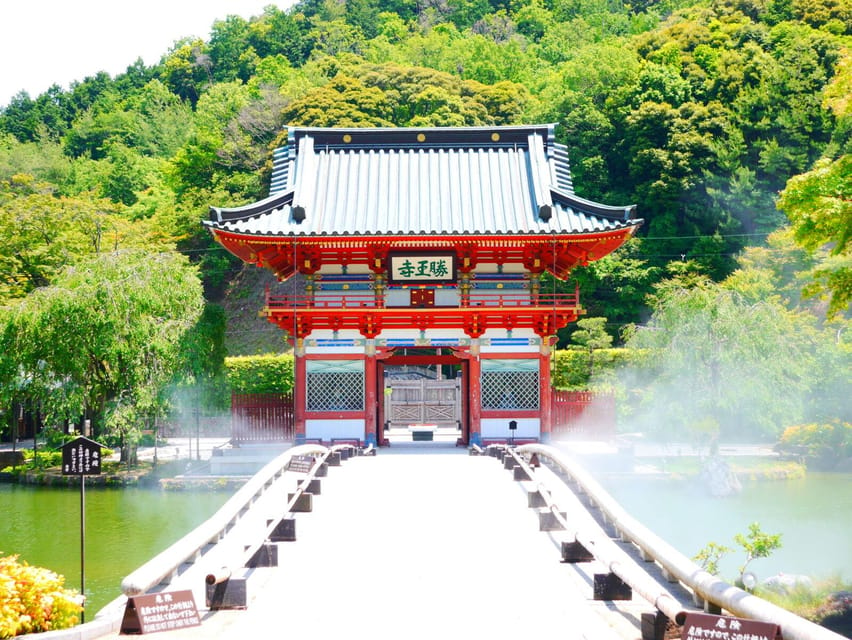
The visit to Katsuoji lasts about two hours and 15 minutes, making it the longest stop. That is a good choice. A short visit would let you snap a few photos, but it would not give you enough time to notice the smaller shrines, views, gardens, and Daruma tucked around the site.
Use the first part of the visit to stay with the guide and get the cultural explanation. Ask about the dolls, the religious figures, the temple buildings, and any customs you do not understand. Afterward, you will have time to look around at your own speed.
Several details make Katsuoji more rewarding than a quick temple visit. Some visitors enjoy collecting a handwritten goshuin stamp, and the grounds may include layered stamps or small features that are easy to miss without guidance. The temple also includes references to a goddess of music, a detail Adam has explained during the visit.
You should not expect a completely empty temple. Katsuoji is popular, particularly during autumn foliage. Still, the setting gives you more breathing room than central Osaka’s busiest sights, and the guide can point you toward quieter corners.
This stop also offers the day’s best shopping opportunity. A Daruma is light enough to carry, easy to pack, and tied directly to the place you visited. If you purchase one, bring a little extra space in your luggage and decide whether you want it as a personal goal marker or a gift.
A short taxi ride to Minoh Falls
After Katsuoji, the group takes a taxi for about 10 minutes to Minoh Falls. The taxi is a practical link between the hilltop temple and the waterfall area, saving you from having to work out another local connection.
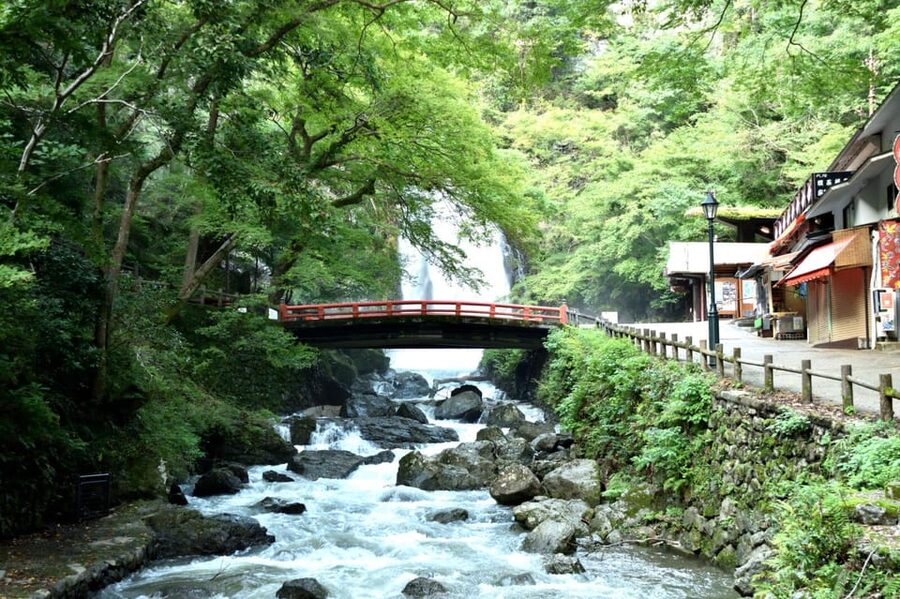
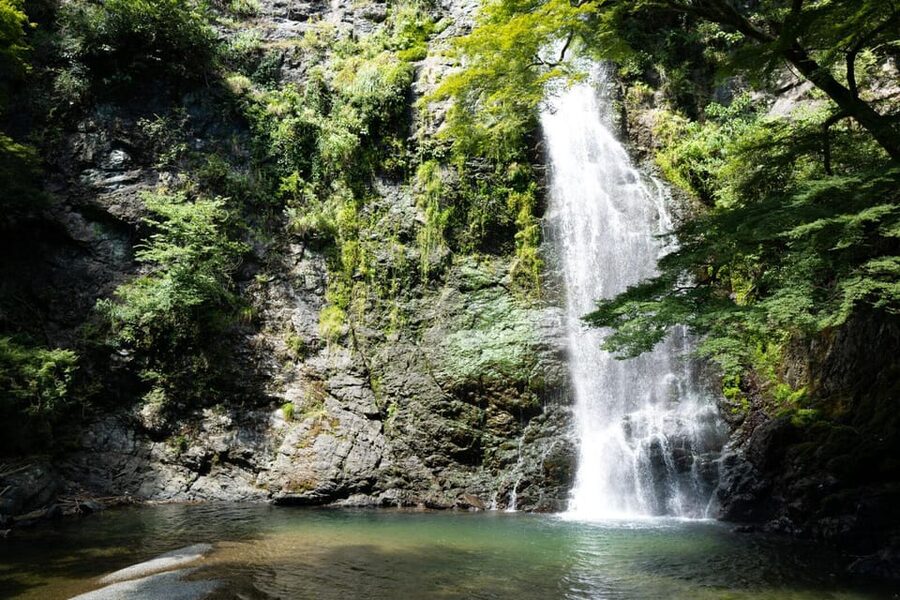
Minoh Falls drops 33 metres and gives the second half of the day a very different character. At the temple, the focus is on symbols, gardens, and architecture. At the falls, it is water, rocks, trees, and the steady sound of the cascade.
The scheduled guided visit at the falls lasts about an hour. You get time to sit, take photos, and have lunch near the water. Food and drinks are not included, so bring your own meal or use the buying options recommended by your guide. One guide has helped visitors choose lunch and local snacks, and tempura maple leaves have been a memorable regional treat for some people.
Do not rush this stop. The waterfall is not just a point to photograph before moving on. Sitting near it gives you a proper pause in the middle of a long day, especially in hot weather. On rainy days, the water may look more forceful, but you will need rain protection and sensible care on wet surfaces.
A few more temple visits around Osaka worth a look
- Kyoto and Nara Day Trip from Osaka
★ 4.0 · 175 reviews - Osaka Temple Cool Foot Bath & Matcha Experience〈45min〉
★ 4.9 · 82 reviews - Osaka: Mind & Spirit Balance Temple Reiki Healing
★ 5.0 · 41 reviews - Osaka: Minoh Waterfall & Katsuo-ji Temple Half-Day Tour
★ 4.7 · 27 reviews
The river valley walk toward Ryuan-ji
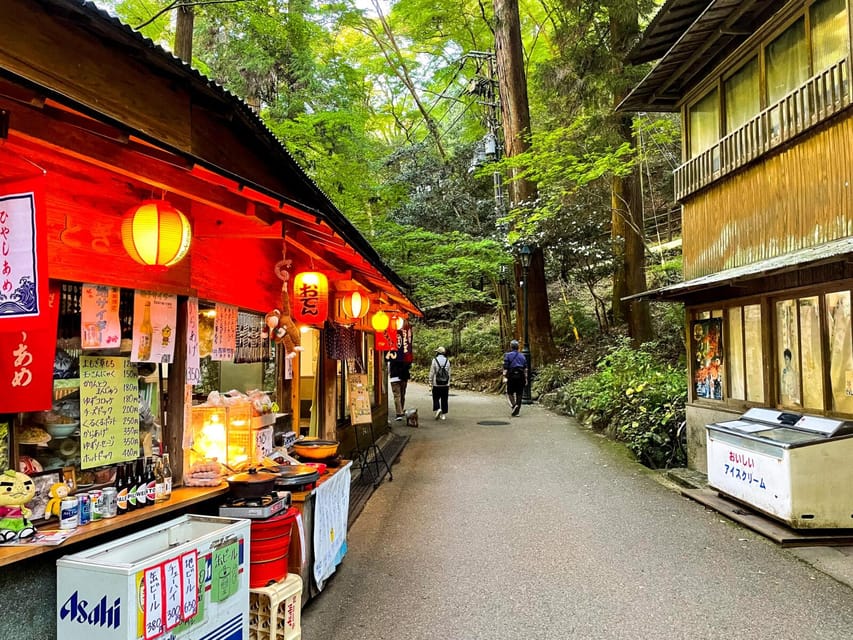
After lunch, the group walks through Minoh Park toward the station, stopping at scenic places along the way. The itinerary allows about 50 minutes for the guided walk and visit to Ryuan-ji, though actual timing can change.
This is the part I would look forward to most if you want a break from city streets. The route follows the valley, with the sound of clear water running over rocks and boulders. In autumn, the changing leaves make the walk especially appealing. In summer, the trees provide a more natural setting even though the heat and humidity can be demanding.
The walk is often described as around 2 kilometres and largely flat, with gradual inclines and declines. That does not mean it is effortless. You will still spend much of the day on your feet, and there are steps and uphill sections spread through the outing. If your legs need frequent rests, tell your guide early. Adam has been praised for slowing the pace and allowing regular breaks.
Ryuan-ji adds another cultural stop before the return to Osaka. Your guide can connect the temple, park, and local traditions so the walk is not just a nature stroll with an occasional photo stop. This mix of forest, water, and religious sites is what gives the outing its character.
There are also toilet stops during the day, which makes the long outdoor schedule easier to manage. Still, you should bring water, sun protection, and rain gear rather than relying on the weather to cooperate.
What the guides add to the experience
The guide may be the biggest factor in how much you get from this tour. The named guides include Warren, Adam, Justin, Joel, and Joe. Assignments can vary, so you cannot necessarily request one person, but the strongest pattern is clear: the guide is expected to manage the route while explaining the history, customs, and natural setting.
Warren has been praised for a friendly, informal approach and for adjusting the amount of information to the group. Adam has been noted for patience, photo help, and a steady pace, including during heavy rain and for people who needed more rest. Justin has been described as funny, kind, and good at making the tour feel relaxed. Joel and Joe have also received praise for being helpful and enthusiastic.
That matters because the logistics are not trivial. You move through a major station, use public trains and buses, transfer to a taxi, walk through a park, and return by train. A good guide keeps the group together and tells you where and when to meet after free time.
You also get cultural context that is hard to pick up by simply following a map. The guide can explain the difference between temple and shrine traditions, the role of Daruma dolls, the meaning behind figures and offerings, and the connection between the religious sites and the surrounding park.
Is $135 a fair price?
At $135 per person, this is not the cheapest way to reach Minoh. You could arrange public transport yourself and pay only the fares and temple admission. Independent visitors also have the freedom to stay longer at one place or leave earlier.
The tour price includes attraction entry, public transport, and an English-speaking guide. The real value is the saved planning time and the interpretation at Katsuoji, Minoh Falls, and Ryuan-ji. You are paying for a full half-day-plus outing that combines several moving parts rather than for a single admission ticket.
I think the price makes sense if you are staying in Osaka for a limited time, dislike sorting out rural transport, or want the religious sites to make cultural sense. It is less compelling if you are confident navigating Japanese trains and buses, enjoy making your own schedule, or want a completely private experience.
The group size is not specified, but some outings can feel small. That can make the day more personal and easier for the guide to adjust. Do not book expecting a private tour, though.
Who should book this Minoh day trip?
You should consider it if you want to:
- Escape central Osaka without spending a full day on a long-distance journey
- Combine Japanese religious culture with an easy-to-moderate nature walk
- See Katsuoji’s Daruma displays with explanations rather than only taking photos
- Use public transport without handling every transfer yourself
- Have a guide take photos and help with timing, food suggestions, and route finding
- Enjoy a quieter day with a small-group feel when availability allows
You should think twice if you have a mobility impairment, use a wheelchair, or find several hours outdoors difficult. The experience is specifically not suitable for wheelchair users, and it includes steps, slopes, station walking, and a forest route.
Families and older visitors may still find the pace manageable if everyone can walk steadily and take breaks. One recent outing included a person with leg problems, and the guide adjusted the day with patience. That is encouraging, but it is not a promise that every mobility need can be accommodated.
Practical tips for a smoother day
Wear shoes with good grip and enough support for station walking, temple paths, and the route beside the river. Sandals may be fine for some people in dry weather, but they are a poor choice if rain is forecast.
Bring a water bottle, sunshade, and rain protection. Summer can be very hot and humid, while rain can arrive suddenly. Autumn may bring the best leaf color but also more people around the temple and waterfall.
Carry money for lunch, drinks, Daruma dolls, snacks, or a goshuin stamp. Food is not included, and the day is more enjoyable when you can take advantage of local snacks instead of worrying about finding a meal at the last minute.
Listen carefully when the guide gives a meeting time and place. There is free time during the day, and the group cannot wait indefinitely for someone who wanders off. Keep the tour phone number handy in case you lose sight of the group.
The listed timing totals 390 minutes, but do not treat each segment as exact. Train schedules, weather, walking speed, and crowd levels can alter the day.
Should you book it?
Book this tour if you want Osaka to open into something quieter, greener, and more traditional without spending your holiday solving transport puzzles. Katsuoji’s Daruma-filled gardens provide the cultural hook, while Minoh Falls and the river walk give you a refreshing change of pace.
I would choose it for a first Osaka visit when you want one day outside the city, especially in autumn or during a trip with limited time. I would skip it only if you dislike public transport, need a fully accessible route, or prefer independent wandering without a set timetable.
At $135, the strongest reason to book is not simply the waterfall. It is the combination of guide support, cultural explanation, temple admission, transport, and a well-paced route through places that are easy to miss on your own.
FAQ
How long does the Minoh tour last?
The tour lasts 390 minutes, or about six and a half hours. The exact timing can change because of weather, train schedules, and conditions during the day.
Where is the meeting point?
Meet at Akatsuki Plaza on the first floor of the North Gate Building inside JR Osaka Station. It is north of the Central Exit ticket gates and near the North Central Exit.
How do I find Akatsuki Plaza from the Midosuji Subway Line?
Follow signs toward JR Osaka Station, continue toward the Central Exit, then walk north in the direction of Yodobashi Camera. Akatsuki Plaza is on the first floor in a wide open area with escalators on both sides.
What transportation does the tour use?
The route uses public trains or subway services, a public bus, a taxi between Katsuoji and Minoh Falls, and a train back to Osaka Station.
Is lunch included?
No. Food and drinks are not included. You can bring your own lunch or follow the guide’s suggestions for food and snacks.
How much walking is involved?
Expect moderate walking over several hours, including station transfers, temple paths, steps, gradual slopes, and a walk through Minoh Park toward the station. The route from the falls is largely flat with gradual inclines and declines.
Is the tour suitable for wheelchair users?
No. The experience is not suitable for wheelchair users or people with mobility impairments.
Is the tour conducted in English?
Yes. An English-speaking live guide leads the tour.
Can I cancel or pay later?
You can cancel up to 24 hours in advance for a full refund. A reserve-now, pay-later option is also available.
Just added around Osaka
- Osaka Temple :Warm Bamboo Oil Massage – Deep Restore〈60min〉★ 4.9 · 19 reviews
- Osaka/Kyoto: Kiyomizudera Fushimi Inari, Nara Tour w/ Pickup★ 4.5 · 8 reviews
- Osaka: Temple Tour and Traditional Calligraphy Lesson★ 4.9 · 24 reviews
- Osaka Temple :Warm Bamboo Oil Massage – Deep Restore〈90min〉★ 5.0 · 14 reviews
- Osaka Temple Head Spa &Matcha Facial – Refresh & Glow〈90min〉★ 5.0 · 24 reviews
- Osaka Temple Cool Foot Bath & Matcha Experience〈45min〉★ 4.9 · 82 reviews
- Osaka: Mind & Spirit Balance Temple Reiki Healing★ 5.0 · 41 reviews
- Osaka Morning Tour: Shitennoji Temple, Shinsekai &Doutonbori★ 5.0 · 23 reviews
Osaka Temple Tours, compared.
Full-Day English Guided Tour of Kyoto’s Highlights
Read our review →
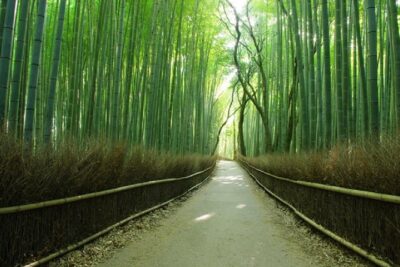
Sagano Romantic Train & Arashiyama, Kiyomizudera, Fushimi Inari Taisha Day Tour
Read our review →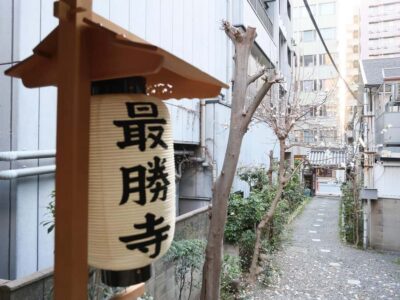
Osaka Temple Cool Foot Bath & Matcha Experience〈45min〉
Read our review →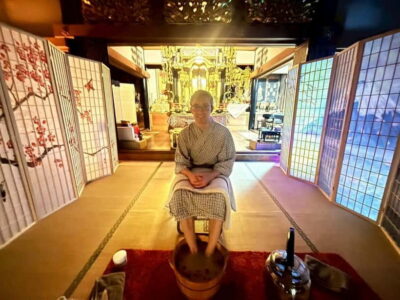
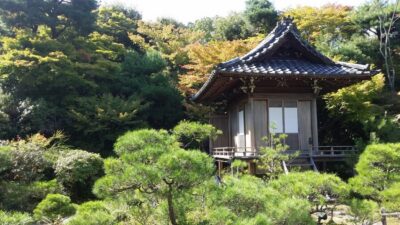
Immersive Arashiyama & Fushimi Inari by Private Car
Read our review →
Minoh Waterfall & Katsuo-ji Temple Half-Day Tour
Read our review →Browse the lists this tour appears in