
REVIEW · NIKKO & KAMAKURA DAY TRIPS
Nikko: Kegon Falls, Lake Chuzenji & Toshogu Temple
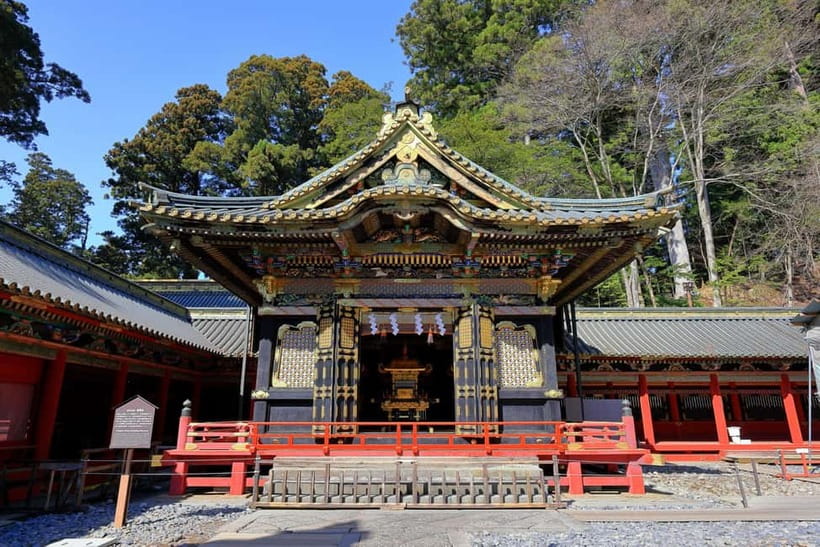
Nikko gives you a remarkable change of scene in one long day: Tokyo’s city streets give way to cedar forests, mountain roads, a sacred shrine, and a nearly 100-meter waterfall. The highlight is Toshogu Shrine, where gold details, carved animals, and Tokugawa-era stories reward a close look.
I like the mix of culture and nature. You get guided context at the shrine, then free time at Kegon Falls and Lake Chuzenji for photos and a slower look around. The main drawback is the distance: about six hours of the 11-hour day is spent on the bus, and traffic can stretch the ride.
Key points to know before booking
- Toshogu Shrine is the cultural centerpiece: Choose the ticket-inclusive option if you want to enter the decorated gates and sacred buildings with the guide.
- Kegon Falls is a quick but powerful stop: The waterfall drops almost 100 meters, and the observation area gives you the clearest view.
- Lake Chuzenji adds quiet mountain scenery: You have around 40 minutes to walk by the shore and take photos.
- The guides do more than translate: Guides such as Melody, Jorge, Bert, and Francisco explain shrine symbols, Japanese customs, simple language, and meeting instructions.
- The bus ride is part of the trade-off: The coach is comfortable and air-conditioned, but this is not a relaxed, slow-paced Nikko stay.
- Winter changes the plan: In January and February, weather conditions may replace Kegon Falls and Lake Chuzenji with panoramic views of Rinnoji Temple and Futarasan Shrine.
Why Nikko makes a good break from Tokyo
Tokyo can fill several days without effort, but Nikko shows you a very different side of Honshu. The city’s tall buildings and tight streets are replaced by cedar trees, mountain air, the Daiya River, and the broad waters of Lake Chuzenji.
This excursion works because it joins two very different sights. Toshogu Shrine gives you art, religion, and political history. Kegon Falls and Lake Chuzenji give you open space and mountain scenery. You do not need to plan several train changes or work out the local bus system yourself.
The price is $89 per person, though the final value depends on the option you select. Transportation and the bilingual English and Spanish guide are included. Toshogu entry and lunch are included only with the relevant options, so read the choices closely before paying.
For a self-guided visitor, the price buys convenience more than luxury. You are paying to leave from Ginza, have a driver handle the mountain roads, receive explanations at the major sights, and return to Tokyo the same day. If you are happy to manage trains, buses, shrine tickets, and lunch alone, you may spend less independently. If you have only one free day and want the main Nikko sights in one trip, the cost is easier to justify.
More Nikko and Kamakura Day Trips in Tokyo:
- Tokyo: Nikko Toshogu Shrine and Kegon Waterfall Tour
★ 4.5 · 1,266 reviews - Tokyo: Mt. Fuji, Kamakura, Big Buddha, & Lake Ashi Day Trip
★ 4.5 · 867 reviews - From Tokyo: Nikko World Heritage Site Private Full-Day Trip
★ 4.9 · 243 reviews
Leaving Ginza for the mountains
The meeting point is at Ginza Inz 2, though the precise meeting details can depend on the option booked. The day begins on an air-conditioned coach, with the city gradually giving way to greener surroundings and mountain roads.
The outward ride takes about two and a half hours in the planned schedule. The return trip is listed at just over three hours, which shows how much traffic can affect the day. I would not book this outing the day before an important flight or a fixed evening reservation.
The coach earns its keep here. Nikko is far enough from Tokyo that a road trip lets you sit back instead of changing transport several times. Large windows also help you watch the scenery along the way. Still, bring water, a small snack, and something to do during the longer stretches.
The guide usually fills the ride with explanations about Japanese culture, history, language, and daily customs. Guides named in the feedback include Melody, Jorge, Bert, Beru, Eric, Francisco, Akane, and others. The exact guide varies, but the strongest pattern is clear: clear time reminders and lively commentary make a major difference on a long coach day.
Some guides also help with practical matters. Jorge, for example, assisted people with lunch ticket machines and made route instructions clear at the temple and waterfall. Another guide, Francisco, adjusted the order of the sights to reduce waiting. That sort of small planning matters when every stop has a strict time limit.
Shinkyo Bridge, Nikko’s red gateway
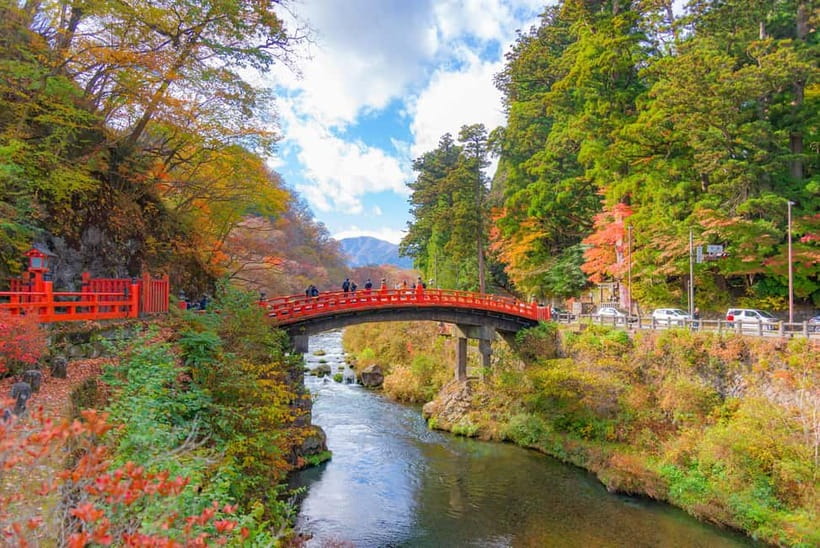
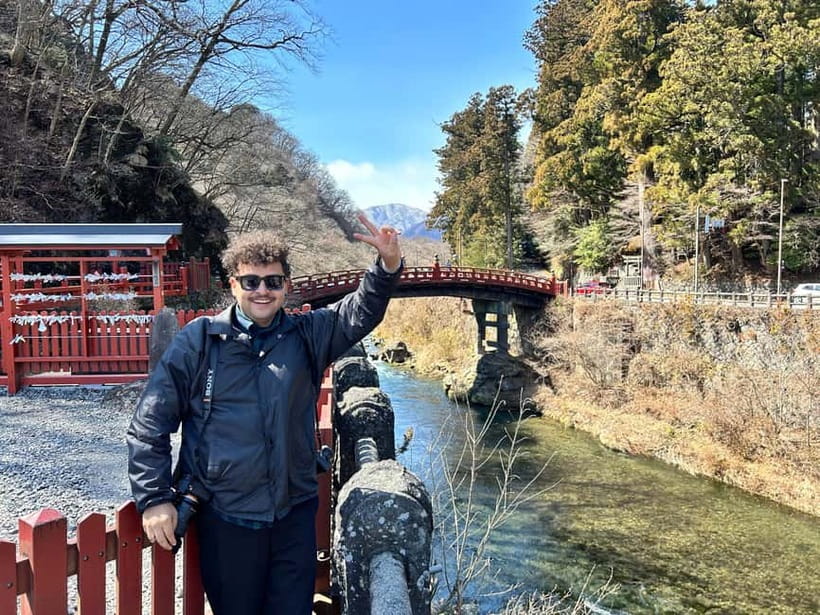
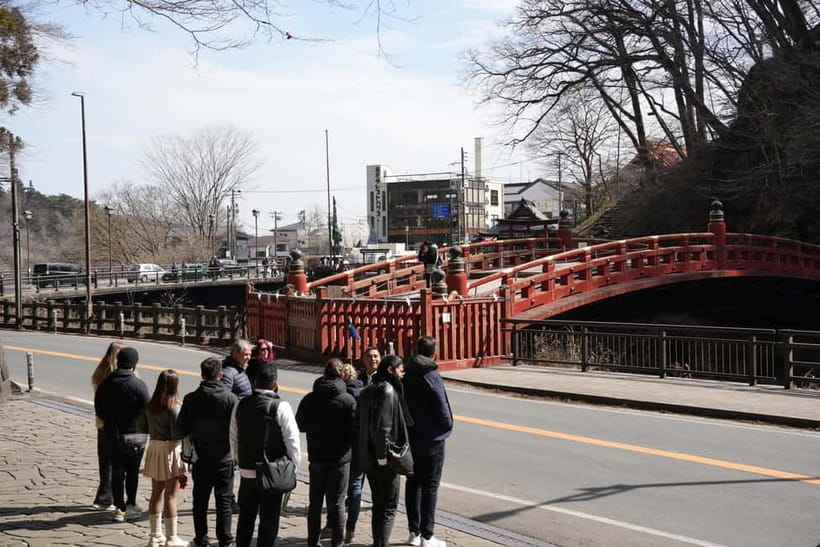
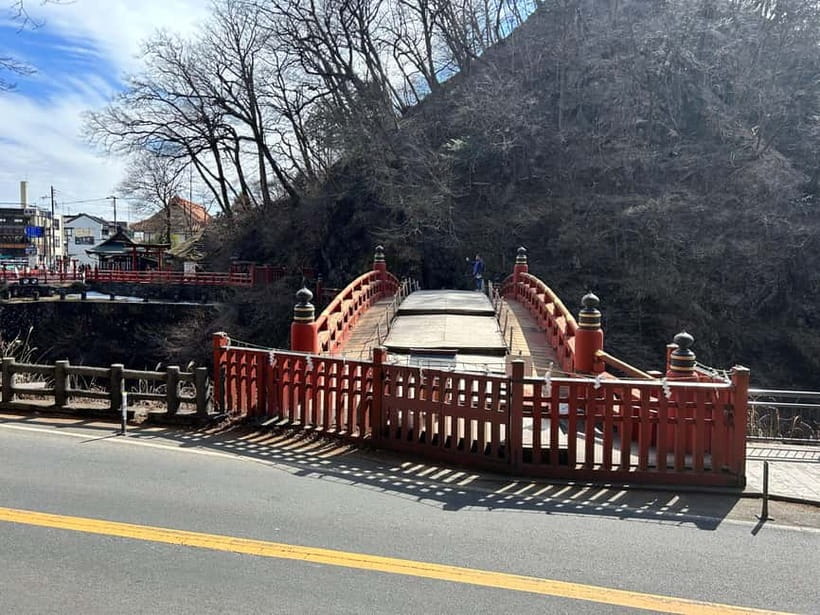
Your first Nikko sight is a scenic view of Shinkyo Bridge from the bus. The bridge is painted a deep red and curves across the Daiya River. It marks the entrance to Nikko’s sacred district and makes a fine first photograph, especially against the surrounding trees.
Do not expect a long bridge visit on this itinerary. The schedule lists it as a scenic drive, so you see it from the coach rather than getting a full walking stop. That is efficient, but it also means you will not have much time to study the structure or riverbank.
If photography matters to you, sit on the side of the bus with the best outward view and keep your camera ready. The guide can point out the bridge and explain its importance as the symbolic threshold to the shrine area.
Toshogu Shrine and the Tokugawa story
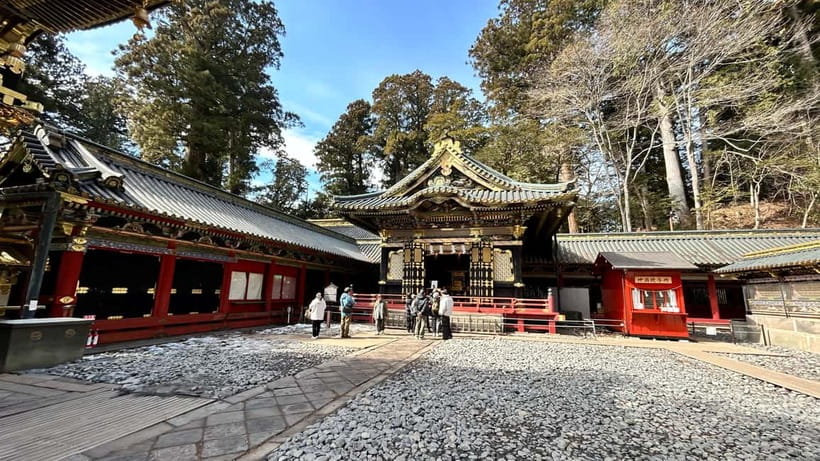
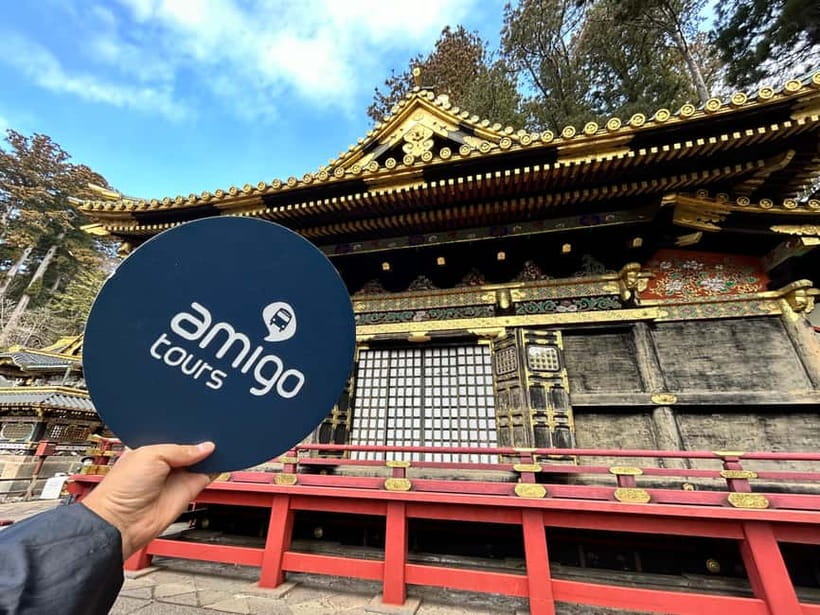
The main cultural stop lasts about two hours and 15 minutes. Toshogu Shrine is a UNESCO World Heritage Site and the most detailed stop of the day.
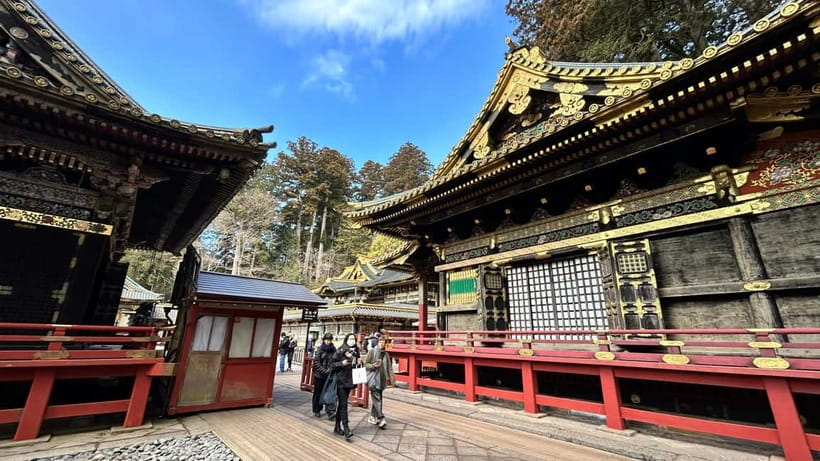
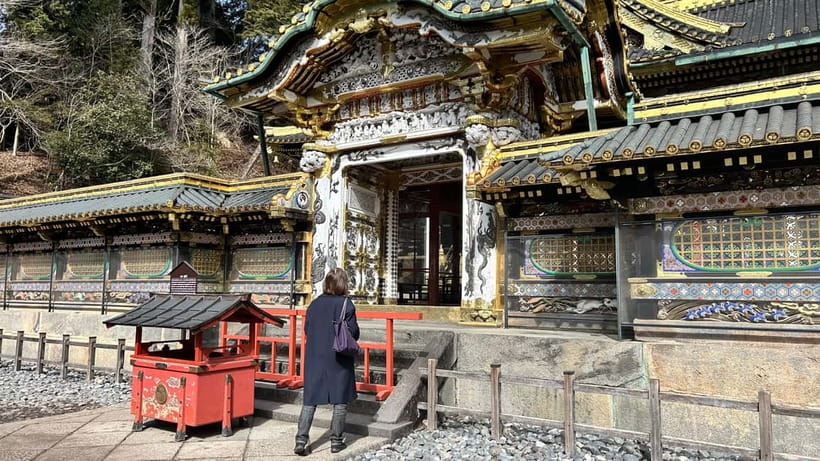
The shrine complex sits among tall cedar trees, and its gates and buildings are covered with painted carvings, gold touches, and symbolic figures. The famous three wise monkeys are here, too. You will see more than a quick photo opportunity if you choose the entry option and follow the guided visit.
The guide helps turn decoration into meaning. Look closely at the animals, gates, colors, and repeated motifs rather than rushing from one building to the next. The best commentary connects the visual details with Shinto and Buddhist ideas, the Tokugawa shogunate, and the way Japanese builders used stories and symbols in sacred places.
Several guides have been praised for explaining these details in a way that is easy to follow. Melody has been singled out for explaining the symbols and stories at the shrine, while other guides use simple Japanese phrases and cultural tips to give the visit more depth.
The ticket choice matters. With the shrine admission option, you can enter the decorated gates and sacred buildings. Without it, you have free time in the surrounding area, but you should not assume that all interior areas are included. One practical note is worth stressing: one person found the temple ticket expensive compared with buying it separately online, while another strongly recommended adding it. Check the price difference before booking, then decide how much you value a guided look inside the complex.
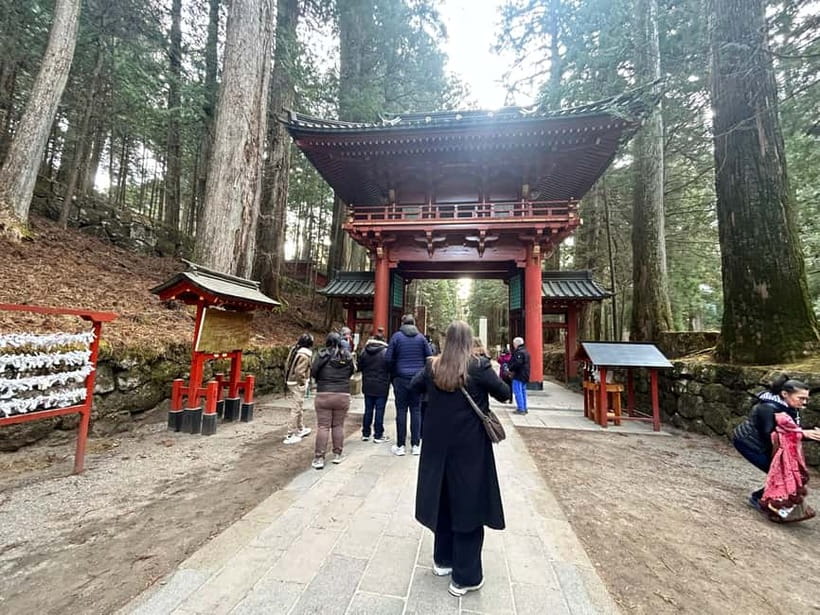
The grounds require walking, and some areas include steps. One route to the burial site involves about 200 steps, according to the tour information shared by a participant. You do not need to treat that climb as compulsory, but comfortable shoes are important. The tour is not suitable for wheelchair users.
A few more temple visits around Tokyo worth a look
- Tokyo: Asakusa Walking Tour with Sensoji Temple Visit
★ 4.8 · 1,583 reviews - Tokyo Panoramic 1 Day: Meiji Shrine, Asakusa, Odaiba and SKYTREE®
★ 4.5 · 1,222 reviews - Tokyo: Zen Meditation at a Private Temple with a Monk
★ 5.0 · 510 reviews - Mt. Fuji Heritage Tour: Traditional Villages, Lakes & Shrine
★ 4.5 · 509 reviews
Lunch and the road to Kegon Falls
After Toshogu, the coach continues toward the mountain area. The scheduled ride is about 30 minutes before the Kegon Falls stop.
Lunch is part of the premium option, not automatically included in every booking. If lunch is included, the guide may help you use the restaurant ticket machine and make sure you receive the meal you selected. If it is not included, you should budget for your own food and carry some physical cash.
This cash tip comes up for a reason. Card payment is not guaranteed at every small restaurant or stop, and one useful plan is to withdraw cash during the scheduled break on the way to the shrine. You can also bring a little breakfast, since the early start and long ride may leave you hungry before lunch.
The Kegon Falls stop allows about 85 minutes for lunch and free time. That is enough to eat and visit the observation area, but you will not have unlimited time for wandering. Keep an eye on the return meeting point and allow time to walk back.
Kegon Falls from the observation deck
Kegon Falls is one of the day’s most dramatic sights. Water drops almost 100 meters from the upper river into the valley below, framed by rock and mountain forest.
The observation deck gives you the direct view you want. In autumn, the surrounding trees add strong color. In other seasons, the falls still provide the main spectacle, with spray, cliffs, and the sound of water creating a sharp contrast with Tokyo’s enclosed urban spaces.
The stop is short enough that you should make the waterfall your first priority. Eat either before or after the viewing area, depending on the guide’s instructions and restaurant timing. If you spend too long choosing lunch, you may have to hurry through the viewpoint.
Bring a camera, but also bring a light rain layer or protect your equipment if the air is wet. The tour specifically recommends a camera, hat, sunscreen, water, and comfortable shoes. The deck is the main point here, so do not expect a long hike through the surrounding mountains.
Lake Chuzenji and Mount Nantai views
A short 10-minute coach ride takes you to Lake Chuzenji. You have about 40 minutes for the stop, enough for a shore walk, photographs, and a quiet pause after the crowded detail of Toshogu.
The lake was formed by volcanic activity and sits below Mount Nantai. Its forested slopes and misty views give the day a calmer finish. I like this stop because it lets you stop looking at buildings and simply take in water, trees, and mountain air.
Keep your expectations realistic. Forty minutes is a pleasant break, not enough for a full lakeside outing or a long trail. Stay near the agreed meeting point and use the time for the view. The lake can also feel quite different depending on weather, with mist softening the mountain scenery or clear conditions opening up longer views.
January and February require special attention. Weather conditions can make the roads and mountain stops unsuitable, so the itinerary may replace Kegon Falls and Lake Chuzenji with panoramic views of Rinnoji Temple and Futarasan Shrine. That is a meaningful change, not a minor adjustment. If the waterfall and lake are your main reasons for booking, consider a different season.
The long return to Tokyo
The return coach ride is scheduled at about three hours and 10 minutes. After the shrine, falls, and lake, you may welcome the rest, but the time can feel long.
This is where the guide’s approach matters. Several guides use the drive for stories about Japan, everyday customs, language, and local culture. Clear reminders about the next stop and the return time also help the day run smoothly.
Traffic, weather, local events, and road conditions can change both the order and length of the stops. The guide may rearrange the sights to avoid a busy period, as Francisco did, but no coach tour can remove the risk of Tokyo traffic. Keep your evening plans flexible and do not count on arriving back at a precise minute.
Who will get the most from this tour
I would choose this trip if you want Nikko’s major sights without building the transport plan yourself. It suits first-time visitors to the area, people staying in Tokyo with one spare day, and anyone who wants a guide to explain shrine symbols and cultural etiquette.
It also works well if you prefer a bilingual English and Spanish service. The guides switch between the two languages, and the better ones repeat meeting times and directions clearly.
You should think twice if you dislike long road journeys, need a slow pace, or want extended time at each sight. The day is well packed, with roughly 85 minutes at Kegon Falls, 40 minutes at Lake Chuzenji, and a longer guided visit at Toshogu. It is an overview of Nikko, not a full regional stay.
Mobility also matters. The shrine grounds include walking and steps, and the tour is not suitable for wheelchair users. Wear sturdy shoes, carry water, and use sunscreen even on a cool mountain day.
Should you book the Nikko day trip?
Book it if you want a practical one-day introduction to Nikko and value a guide who can explain what you are seeing. The strongest part is the combination of Toshogu’s ornate buildings with Kegon Falls and Lake Chuzenji, all handled by one coach from Ginza.
Choose the shrine admission option if the temple complex is a priority, and check whether lunch is included before booking. Carry physical cash, keep your evening free, and accept that the bus ride is a large part of the experience.
I would skip it only if you can spend several days in Nikko or prefer independent travel at a slower pace. For most Tokyo visitors with a single free day, the $89 price is reasonable when transportation, bilingual guiding, and the mountain route are more important than having complete freedom.
FAQ
Where does the tour begin and end?
The listed starting and drop-off location is Ginza Inz 2 in Tokyo. The exact meeting point may vary according to the option selected.
How long does the Nikko tour last?
The full experience lasts about 11 hours, including the coach journey from Tokyo and the return trip.
Are Toshogu Shrine admission and lunch included?
They depend on the option you book. Shrine entry is included only with the ticket-inclusive option, and lunch is included with the premium option.
Which languages does the guide speak?
Live guiding is available in English and Spanish.
What happens at Kegon Falls and Lake Chuzenji in January and February?
Weather conditions may lead to both stops being replaced by panoramic views of Rinnoji Temple and Futarasan Shrine.
Is the tour suitable for wheelchair users?
No. The tour is not suitable for wheelchair users, and Toshogu includes walking and some steps.
Just added around Tokyo
- Tokyo:Nikko UNESCO World Heritage Sites Private 1-Day Tour★ 3.8 · 6 reviews
- Tokyo War History Tour: Yasukuni Shrine & War Museum★ 4.5 · 6 reviews
- Tokyo: Snow Monkey Park and Zenkoji Temple Private Day Tour★ 4.7 · 127 reviews
- Tokyo: Sensoji Temple & Street Food: Private Tour with guide★ 4.6 · 8 reviews
- Tokyo: Shibuya Sky, Harajuku & Meiji Shrine Highlights Tour★ 4.5 · 9 reviews
- Tokyo: Nikko Private Sightseeing Day Trip with Driver★ 5.0 · 10 reviews
- Tokyo → Nikko:Private Customizable Day Trip (English Driver)★ 4.9 · 26 reviews
- Tokyo’s Kitchen: Tsukiji Market Food & Culture Walk★ 4.7 · 74 reviews
Nikko & Kamakura Day Trips, compared.
Kamakura & Enoshima Day Trip including Temple Tickets
Read our review →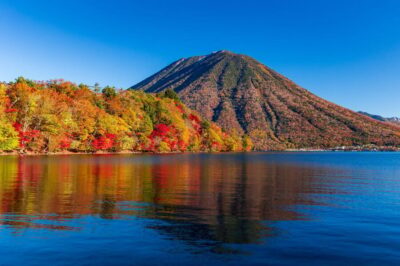
Nikko Toshogu Shrine and Kegon Waterfall Tour
Read our review →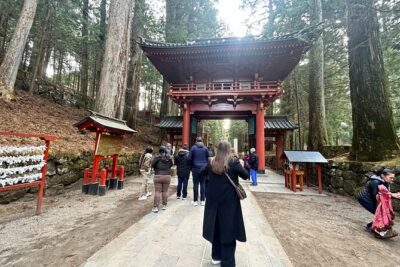
Nikko, Kegon Waterfall & Chuzenji Lake from Tokyo
Read our review →
Mount Fuji, Kamakura, Big Buddha, & Lake Ashi Day Trip
Read our review →
Mt. Fuji, Kamakura, Big Buddha, & Lake Ashi Day Trip
Read our review →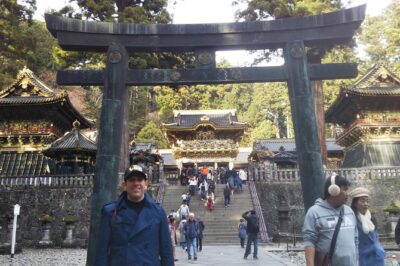
Nikko Full-Day Private Tour with Government-Licensed Guide
Read our review →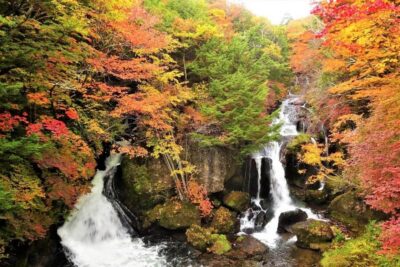
Edo Wonderland Edomura Cultural Theme Park Ticket
Read our review →Browse the lists this tour appears in