
REVIEW · MADRID TEMPLE TOURS
Madrid: Entrance to the Monastery of Las Comendadoras de Santiago
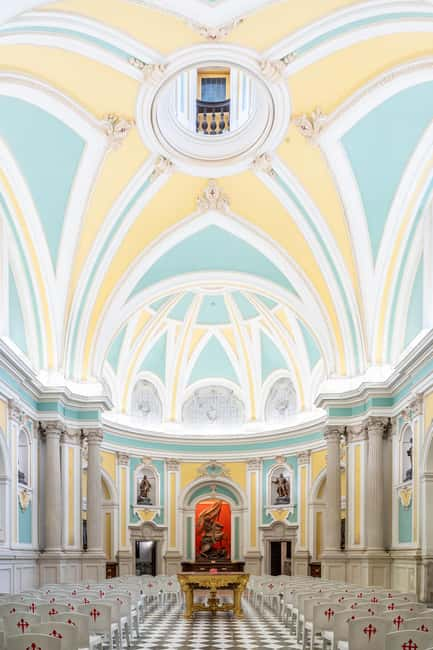
The most memorable part of this visit is the chance to see spaces built for different parts of convent life, from the girls’ chapel to the lower choir where the nuns heard Mass. The monastery was founded in the 17th century, and its rooms still give you a clear sense of how devotion, ceremony, and daily routine once fit together.
I like the Knights’ Sacristy, where members of the Order of Santiago were ordained, and I like the freedom of an audio guide in English, French, or Spanish. The price is a fair $11 if you care about Madrid’s religious art and old institutions, but one serious consideration is opening reliability. On December 7, 2025, a confirmed booking reportedly found the doors closed after the stated opening time, with no useful response by phone.
I also like that this is a focused cultural stop rather than a long guided program. You can give it a day of validity, visit at an available starting time, and take in the church, cloister, and historic rooms without committing to a full-day excursion. Still, check the current opening time carefully before setting out.
Key points at a glance
- See the girls’ chapel: This special space offers a more personal look at the monastery’s religious life.
- Enter the Knights’ Sacristy: Members of the Order of Santiago were ordained here.
- Look into the lower choir: This is where the nuns listened to Mass.
- Walk through the cloister: The monastery’s central passageways help you picture life behind the convent walls.
- Use the multilingual audio guide: Commentary is available in Spanish, English, and French.
- Allow for a schedule check: A serious access problem was reported even with a confirmed booking.
What your $11 entrance covers
At $11 per person, this is a modestly priced cultural visit in Madrid. You are paying for entry to the Monastery of Las Comendadoras de Santiago and an audio guide in Spanish, English, or French. That makes the experience most useful if you want context as you move through the building rather than a quick look at a church interior.
The value depends on your interests. If you enjoy religious art, historic institutions, and the way old buildings reveal social customs, the admission fee is easy to justify. The monastery is not presented as a large attraction with a long list of entertainment options. Its appeal comes from a handful of distinctive rooms and the quiet clues they offer about monastic life.
For a visitor focused only on Madrid’s grandest sights, this may feel like a smaller stop. For someone who has already seen the major museums and wants a more intimate cultural visit, $11 is reasonable. The audio guide adds useful structure, especially because the significance of the rooms is not always obvious from their names alone.
The supplied rating is 4.1 from seven ratings, which suggests a generally favorable but not flawless response. I would treat that score with some caution because the small number of ratings makes the operational complaint especially important. The issue is not the price. It is the risk of arriving when the doors are not actually open.
A few more temple visits around Spain worth a look
- Montserrat Monastery Half Day Experience from Barcelona
★ 5.0 · 6,014 reviews - Montserrat Monastery Small Group or Private Tour Hotel pick-up
★ 5.0 · 5,144 reviews - Escorial Monastery and the Valley of the Fallen Tour from Madrid
★ 5.0 · 2,494 reviews
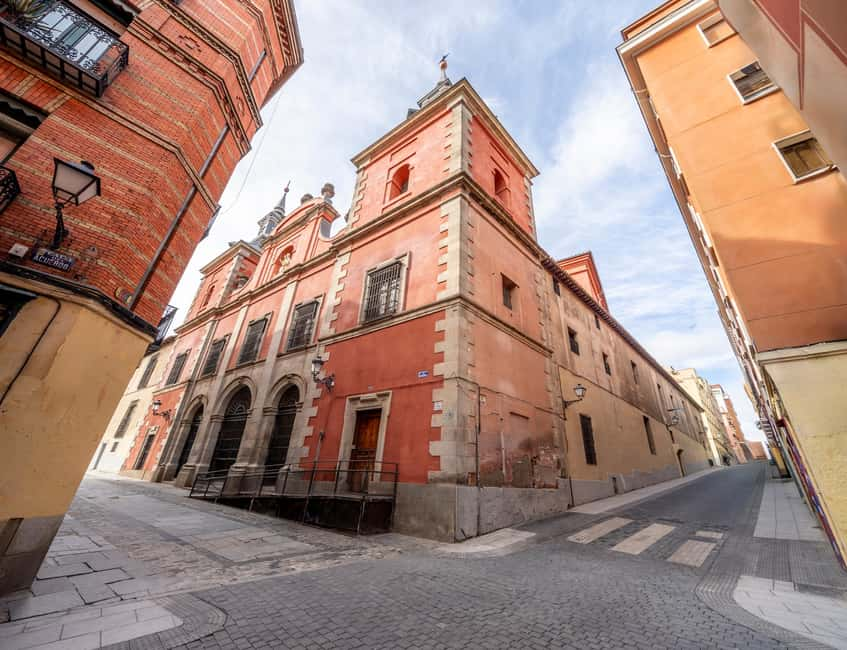
Entering through the church door
The meeting point is simple: enter the temple through the door, then find the ticket office inside. You do not need to search for a separate street office based on the information provided. That said, the reported access problem means you should not assume that a confirmed reservation guarantees a smooth entrance at every stated time.
Once inside, the visit becomes a walk through connected religious spaces. The exact route may depend on the available opening time and the way the monastery is operating that day, so use the audio guide as your main source of orientation. Content may appear in its original language in some places, but the guide itself is offered in Spanish, English, and French.
This is not described as a guided group tour with a named person leading you. No individual guide name is provided. Instead, you explore independently, which suits you if you prefer to pause, listen again, and decide how long to spend in each room.
The entrance arrangement also matters for practical planning. Since the ticket office is inside the temple, you need the building to be open before you can complete the arrival process. Check availability and starting times before leaving your hotel, and consider allowing a little flexibility in your Madrid schedule.
The girls’ chapel and its unusual place in the visit
The girls’ chapel is described as a space conceived as something very special. That wording points to one of the more distinctive stops in the monastery, even though no further architectural details are supplied. Its importance lies in what it represents: a chapel shaped for a particular purpose within the convent’s religious world.
I would give this room more than a quick glance. Listen to the audio guide here, and pay attention to how the space differs from the main church. The chapel gives the visit a more specific human scale. Instead of seeing the monastery only as a grand religious building, you begin to notice separate spaces created for separate groups and needs.
Because the room’s story is tied to the monastery’s internal life, it may appeal most to you if you enjoy social and religious history. The attraction is not simply an impressive interior. It is the chance to consider how a convent organized worship and community across centuries.
The available information does not identify the chapel’s exact decoration, dimensions, or original users beyond its name and special purpose. I would not arrive expecting a long list of artistic details. Come for the setting and the story the room adds to the wider visit.
The Knights’ Sacristy and the Order of Santiago
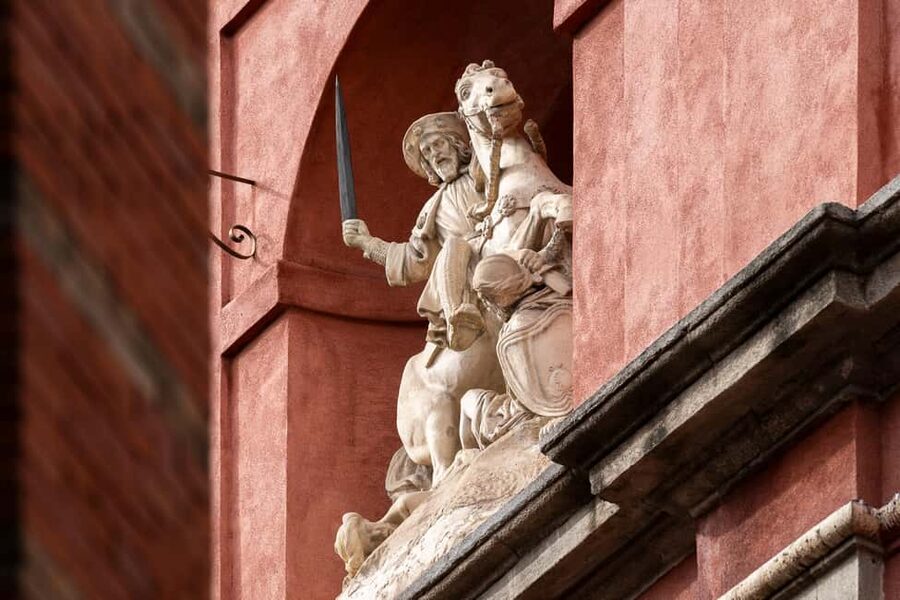
The Knights’ Sacristy is the clearest link between the monastery and the Order of Santiago. This was the place where members of the order were ordained, giving the room a formal ceremonial role.
That detail makes the sacristy more than another stop on an architectural route. It connects the building to the traditions and rituals of a major religious order. The audio guide should help you understand that role as you stand in the space, particularly if you are not already familiar with the Order of Santiago.
I like this stop because it adds a strong historical thread to the visit. The girls’ chapel helps you think about the monastery’s internal religious life, while the Knights’ Sacristy points to the public and ceremonial side of the institution. Together, they show that the building served more than one kind of religious purpose.
The supplied details do not say which objects, paintings, or furnishings remain in the sacristy. Keep your expectations measured. The value is in knowing what happened there and why the room mattered, not in assuming that every part will be packed with visible displays.
Same country, a different morning at the gates:
- Montserrat Museum and Monastery Entry Ticket
★ 4.5 · 1,740 reviews - Montserrat Small Group: Monastery, Black Madonna & Natural Park
★ 5.0 · 1,690 reviews - From Madrid: Escorial Monastery and the Valley of the Fallen
★ 4.7 · 1,434 reviews - Madrid: Flamenco Show at Tablao Sala Temple with Drink
★ 4.8 · 1,206 reviews
The lower choir and the nuns’ view of Mass
The lower choir is where the nuns listened to Mass. That simple fact may be one of the most useful details in the entire visit because it helps you understand how worship worked within a convent.
You can look at the church differently once you know that the nuns had a designated place from which to hear the service. The lower choir gives you a physical connection to the daily rhythm of prayer. It also reminds you that religious buildings were carefully organized around access, separation, and participation.
I would pause here and let the audio guide provide the explanation before moving on. This is the kind of space that can seem ordinary if you do not know its purpose. With the context, it becomes a practical record of monastic life.
As with the other rooms, the available information does not specify the choir’s size, decoration, or exact position within the church. The attraction is the function of the space. You are seeing where the nuns took part in Mass, not simply another section of an old building.
The cloister, church, and sense of monastic life
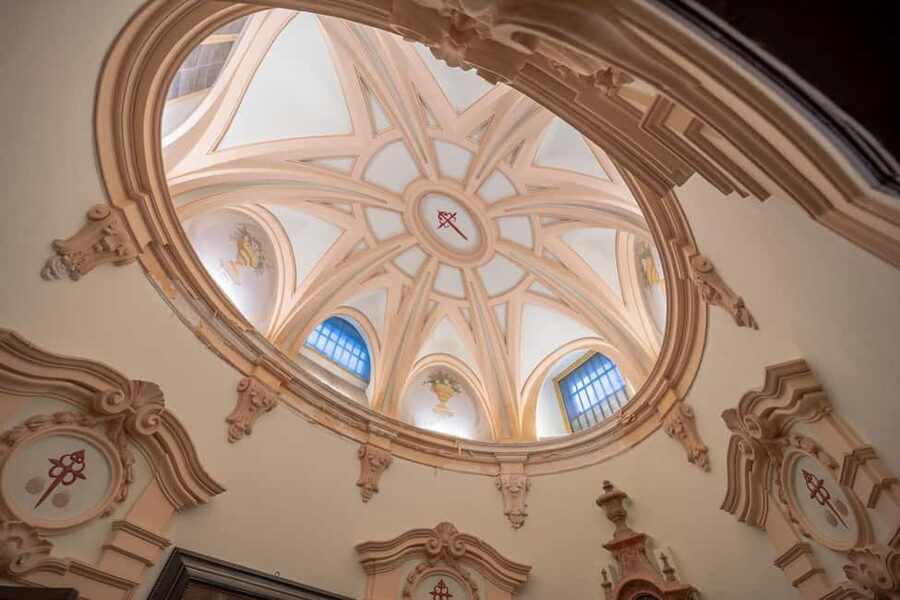
The monastery’s cloister forms another key part of the visit. Cloisters often give historic religious buildings their strongest sense of enclosure, and here the passageways help link the individual rooms into one larger picture.
You can move from the church and special chapels to the quieter circulation spaces of the monastery. That change matters. The church represents public worship, while the cloister suggests the protected routine behind it. The visit works best when you consider both sides rather than treating the building as a collection of isolated rooms.
The church is described as having significant artistic value, but no specific artist, artwork, or architectural style is provided. I would therefore focus on the overall setting and use the audio guide for the details available on site. Do not expect this review to promise a particular painting or sculpture that may not be present.
The monastery’s appeal is also tied to its location in Madrid. You are not traveling to a remote religious site or spending a full day on transport. This is a compact cultural visit in the city, useful when you want a quieter change of pace between larger attractions.
How the audio guide changes the experience
The audio guide is included, with Spanish, English, and French options. That is important here because much of the visit’s value comes from understanding why each room exists.
Without commentary, you might recognize a church, cloister, chapel, or choir but miss the connections between them. The guide gives the spaces a sequence: the monastery’s foundation in the 17th century, the role of the Order of Santiago, the special purpose of the girls’ chapel, and the nuns’ position during Mass.
You control the pace. You can spend more time in the Knights’ Sacristy if ceremonial history interests you, or pause longer in the lower choir if the details of convent life catch your attention. A self-guided format also avoids the pressure of keeping up with a group.
Some content is shown in its original language. If you are not comfortable reading Spanish, English, or French, check the audio options before booking. The supplied information confirms those three languages only.
Practical rules inside the monastery
Food and drinks are not allowed. The rules also prohibit drones, explosive substances, making noise, and entering barefoot. These restrictions fit the character of a religious and historic site, where quiet behavior matters.
Keep your visit calm and respectful. The prohibition on noise is especially relevant if you are visiting with children or in a group. You should also avoid bringing food or drinks into the building, even for a quick snack.
No information is provided about photography, bags, strollers, toilets, or wheelchair access. Do not assume that any of these services are available. If one of them is essential to your plans, contact the provider before booking rather than relying on guesswork.
The visit is valid for one day, with starting times shown through availability. That wording suggests you should choose an available time rather than treating the entrance as an unrestricted pass. It is a useful arrangement if your Madrid plans may shift, but it still requires attention to the operating schedule.
The opening-time warning you should take seriously
The largest weakness is the access problem recorded on December 7, 2025. A person with a confirmed booking reported arriving after the stated opening time, finding the monastery closed, receiving no information, and being unable to reach anyone by phone. The reported score for that experience was one out of five.
This does not prove that every visit will face the same problem. It does mean you should build in a sensible check before going. Confirm the available starting time, look for any same-day message, and avoid planning a tight connection with another paid activity.
The free cancellation policy helps reduce financial risk. You can cancel up to 24 hours in advance for a full refund. You can also reserve now and pay later, which keeps your money free while your schedule takes shape.
Those policies do not solve the problem of a wasted hour or a missed museum slot. I would book this as a flexible stop, not as the one fixed appointment around which you build an entire day.
Who will enjoy this visit most
I would recommend the monastery to you if you enjoy sacred art, old institutions, and small historical details that larger attractions often skip. It also suits repeat visitors to Madrid who want something beyond the best-known museums and plazas.
The audio guide makes it a good choice for independent visitors who prefer to set their own pace. You do not need to follow a named guide or remain with a group. The English option is useful if you do not speak Spanish, while French and Spanish commentary are also available.
Families may appreciate the short, focused format, but the no-noise rule means younger children will need to behave carefully. The monastery may be less satisfying if you want a large collection, a long formal tour, or extensive information in a language other than Spanish, English, or French.
Should you book the Comendadoras de Santiago?
Book it if you want a low-cost, self-guided look at Madrid’s religious past, especially the Knights’ Sacristy, girls’ chapel, lower choir, and cloister. At $11, the included audio guide gives the visit solid value for the right audience.
I would not book it as a rigid, must-not-miss appointment until you confirm the opening details. The December 7, 2025 access problem is too specific to ignore. Choose a flexible day, keep the cancellation deadline in mind, and check the start time before you leave.
For history-minded visitors, this is a thoughtful small stop with more substance than its modest price suggests. Just treat the schedule as something to verify, not something to take for granted.
FAQ
Where is the Monastery of Las Comendadoras de Santiago?
It is in the Community of Madrid, Spain.
How much does entrance cost?
The price is $11 per person.
How long is the ticket valid?
The entrance is valid for one day. You should check availability for the starting times.
Is an audio guide included?
Yes. An audio guide is included with entrance.
Which languages are available for the audio guide?
The audio guide is available in Spanish, English, and French.
Where do I enter?
Enter the temple through the door. The ticket office is inside.
Can I cancel my booking?
Yes. You can cancel up to 24 hours in advance for a full refund. You can also reserve now and pay later.
Just added around Spain
- Montserrat Monastery Horse Riding & Walk – Small Group (Max 8)★ 5.0 · 45 reviews
- Montserrat Nature Walk, Monastery and Museum from Barcelona★ 5.0 · 58 reviews
- Montserrat & beyond private from Barcelona with different options★ 5.0 · 32 reviews
- Montserrat Tour with Cogwheel Train, Monastery & Black Madonna★ 4.0 · 10 reviews
- Full-Day Trip Barcelona to Montserrat Monastery & Cava Winery★ 5.0 · 158 reviews
- Transfer to Montserrat Monastery from Barcelona★ 4.5 · 94 reviews
- Montserrat Land of Shrines – One Day Small Group Hiking Tour from Barcelona★ 5.0 · 38 reviews
- Montserrat Horseback Riding & Monastery – Small Group (Max 8)★ 5.0 · 45 reviews
Madrid Temple Tours, compared.
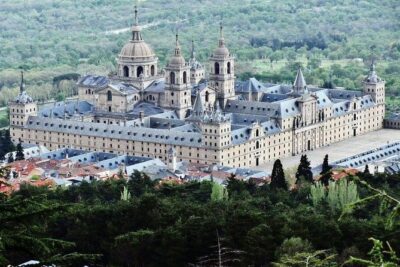
Escorial Monastery and the Valley of the Fallen Tour from Madrid
Read our review →
Flamenco Show at Tablao Sala Temple with Drink
Read our review →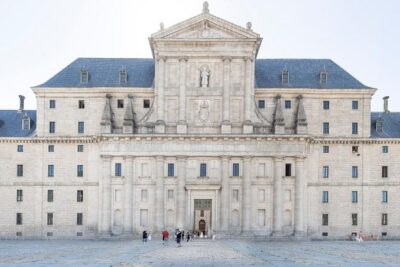
Escorial Monastery and the Valley of the Fallen from Madrid
Read our review →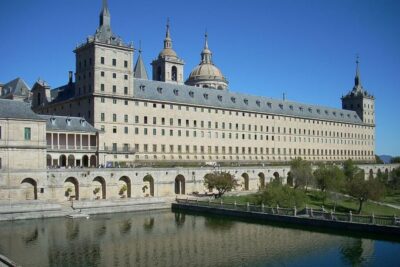
Madrid Must-see with Atardeder at the Debod Temple
Read our review →
Combined admission to San Antonio de los Alemanes and the Monastery of San Plácido
Read our review →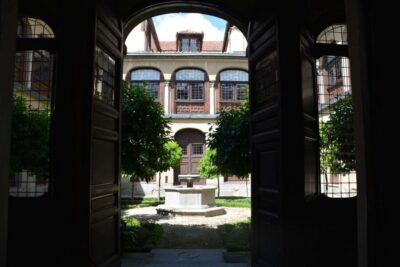
Royal Monastery of the Barefoot nuns: Guided Tour + Tickets
Read our review →Browse the lists this tour appears in