
REVIEW · SPAIN TEMPLE TOURS
Granada: Monastery of La Cartuja Entry Ticket
Granada’s Monastery of La Cartuja is a quiet surprise for anyone expecting only the Alhambra and the city’s Moorish sights. Its courtyards are calm, but the interiors are anything but plain: gold, marble, painted vaults, carved details, and Baroque decoration compete for your attention.
I like the way the visit brings together three centuries of building and art in one compact stop. I also like the freedom of an audio guide app, which lets you pause beside a fresco or move on when your attention starts to fade. The main drawback is that the ticket is non-refundable, and the monastery is not suitable for wheelchair users.
Key points to know before you go
- Juan Garcia de Pradas’ Plateresque doorway: Your first look at the monastery is already a finely worked piece of Spanish architecture.
- The Sancta Sanctorum: Francisco Hurtado’s chapel-like space, with Antonio Palomino’s frescoes, is the visit’s grandest visual moment.
- Sánchez Cotán’s paintings: His religious scenes add a more intimate human note to the monastery’s ornate interiors.
- The sacristy and refectory: These rooms show how daily monastic life could take place beside astonishing decoration.
- A self-guided visit: You receive entry and an audio guide app, but no personal guide to explain details or answer questions.
- A $11 ticket: For anyone interested in art and architecture, the price is modest, though less compelling if you have little patience for religious interiors.
Why La Cartuja feels different from Granada’s other sights
Granada is famous for Islamic architecture, hilltop views, and lively streets. La Cartuja gives you another side of the city: the Catholic artistic world that developed after the Christian conquest.
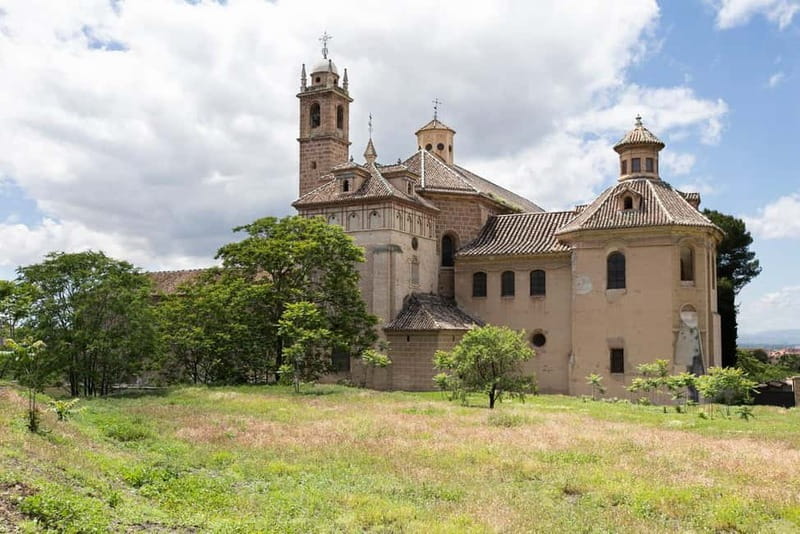
The monastery was founded in 1516 and changed over roughly three centuries. That long building period matters. You are not looking at one clean architectural style. Instead, the visit moves from an ornate entrance to a church with neoclassical details, then into rooms where Baroque painting, sculpture, and gilded decoration take over.
I find this layered quality more rewarding than a building that presents one perfectly uniform style. You can see how ideas changed over time, while the monastery kept its religious purpose.
It is also a place that rewards patience. The exterior doorway may catch your eye first, but the strongest rooms come later. If you rush through the entrance and church, you will miss much of what makes La Cartuja worth the ticket.
More Entry Tickets in Spain:
- Montserrat Museum and Monastery Entry Ticket
★ 4.5 · 1,740 reviews - Skip the Line: Tablao Flamenco Pura Esencia Ticket
★ 5.0 · 735 reviews - Mallorca: Carthusian Monastery Valldemossa Entrance Ticket
★ 4.2 · 93 reviews
Start with the Plateresque doorway
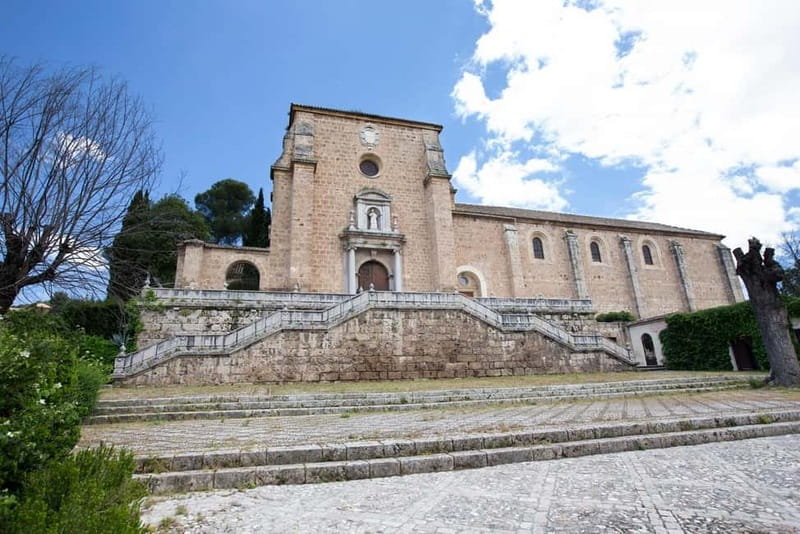
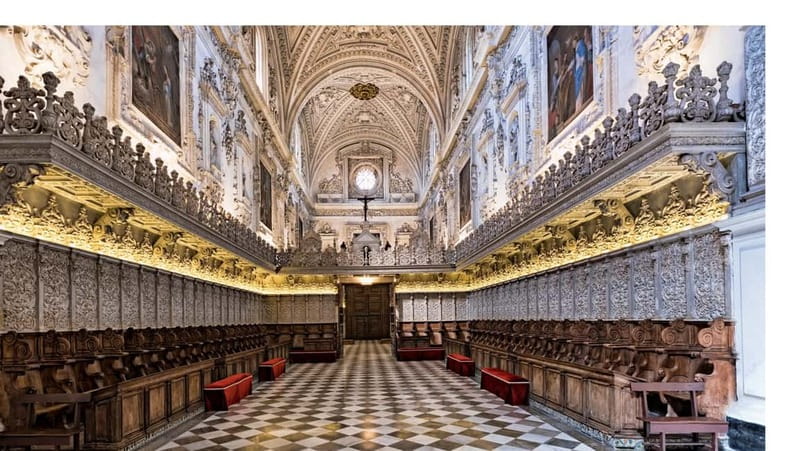
The visit begins at a doorway by Juan Garcia de Pradas. It is described as Plateresque, a Spanish style known for detailed, almost silversmith-like ornament. Look closely before entering. This is not just a practical entrance. It establishes the monastery’s taste for decoration from the first step.
The doorway also gives you a useful visual introduction. La Cartuja was not built as a simple retreat with bare walls and plain rooms. Its religious message was expressed through architecture, sculpture, painting, and precious-looking surfaces.
The entrance is a good place to slow down and use the audio guide. Since there is no personal guide included, the app provides the structure for the visit. Keep your smartphone ready, but remember that cellphones are listed as not allowed inside, which creates a practical point to clarify before you begin. The supplied information also prohibits smoking, pets except assistance dogs, and flash photography.
The church combines restraint and spectacle
The church has a neoclassical doorway with Ionic columns and an image of St. Bruno, the founder of the Carthusian order. The columns give the entrance a more measured appearance than the heavily decorated rooms that follow.
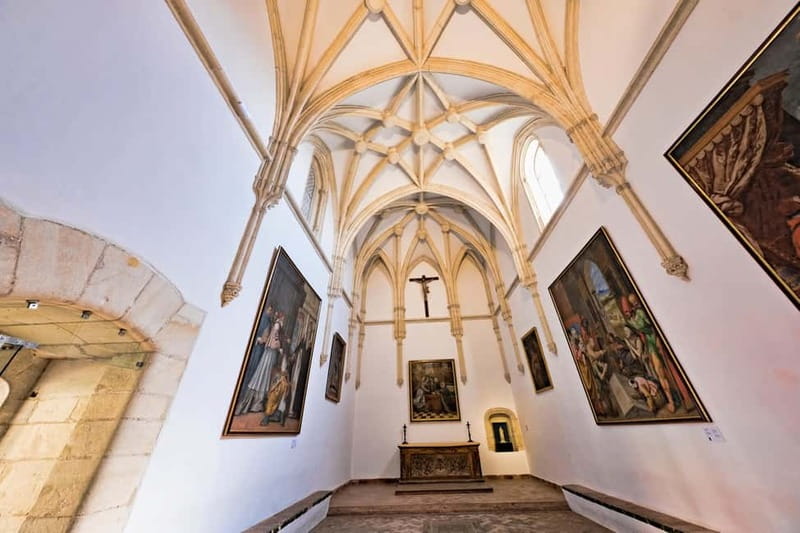
Inside, the scale and decoration change quickly. The altarpieces include works by Sánchez Cotán, including Rest in the Flight into Egypt and Baptism of Christ. These paintings are important stops because they bring human scenes into a space otherwise dominated by architecture and ceremony.
I would give yourself time here rather than simply scanning the walls. Religious paintings can blur together when you see several in a row, but the audio guide should help you separate the works and understand their place in the church.
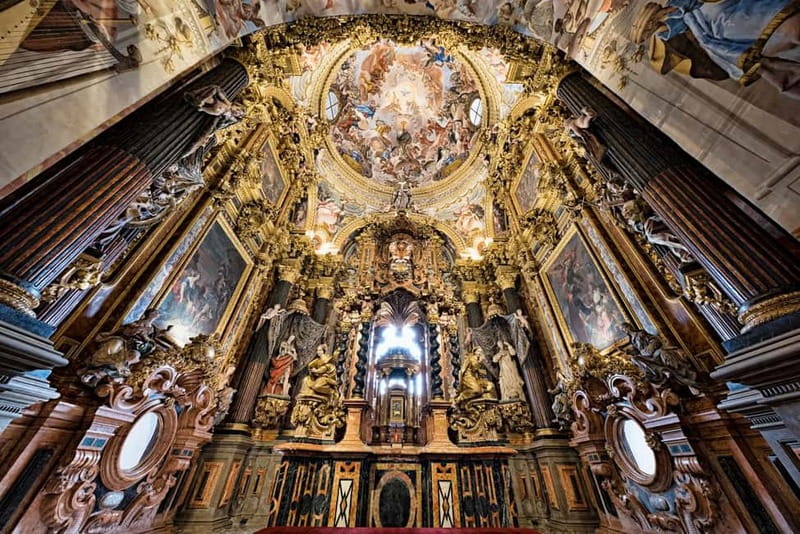
The Presbytery is another major point. Its elliptical vault creates a strong sense of movement overhead, while the gilded altar-baldachin draws your eyes toward the center of worship. This is the sort of room where a short visit can become visually tiring. Look up, then step back and take in the whole arrangement before focusing on individual details.
The church is likely to appeal most to you if you enjoy the meeting of painting and architecture. If you prefer ruins, outdoor scenery, or hands-on history, the interior concentration may feel heavy.
The Sancta Sanctorum is the visual centerpiece
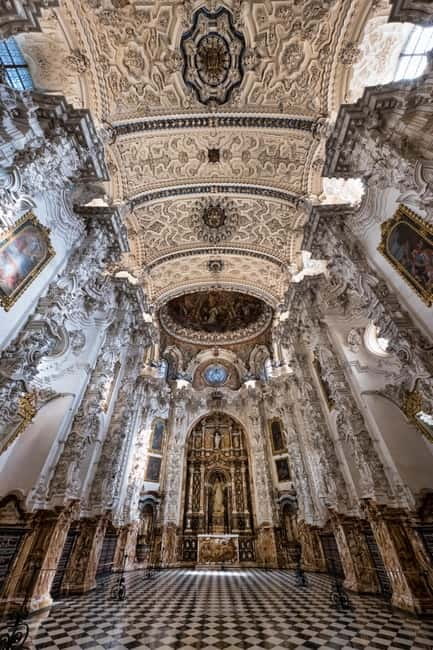
The Sancta Sanctorum, created by Francisco Hurtado, is the monastery’s most elaborate section. Its frescoes by Antonio Palomino depict the triumph of the Church Militant, a theme that fits the room’s grand scale and theatrical decoration.
This is where the monastery’s Baroque character is easiest to understand. Baroque art was meant to guide the eye and stir emotion. The frescoes, architectural framing, and sacred setting work together rather than appearing as separate exhibits.
I suggest you pause here longer than you expect. The room may first impress you through color and ornament, but the real pleasure comes from noticing how the painting relates to the surrounding structure.
There is also a practical reason to use the audio guide in this section. Without context, a large religious fresco can be difficult to read. The app can help you identify the subject and explain why the room received such lavish treatment.
Photography has restrictions, and flash photography is not allowed. Do not plan on documenting every detail for later. The better approach is to look carefully while you are there, then use the written or audio information to fix the main ideas in your memory.
A few more temple visits around Spain worth a look
- Montserrat Monastery Half Day Experience from Barcelona
★ 5.0 · 6,014 reviews - Montserrat Monastery Small Group or Private Tour Hotel pick-up
★ 5.0 · 5,144 reviews - Escorial Monastery and the Valley of the Fallen Tour from Madrid
★ 5.0 · 2,494 reviews - Montserrat Small Group: Monastery, Black Madonna & Natural Park
★ 5.0 · 1,690 reviews
The sacristy makes decoration feel almost physical
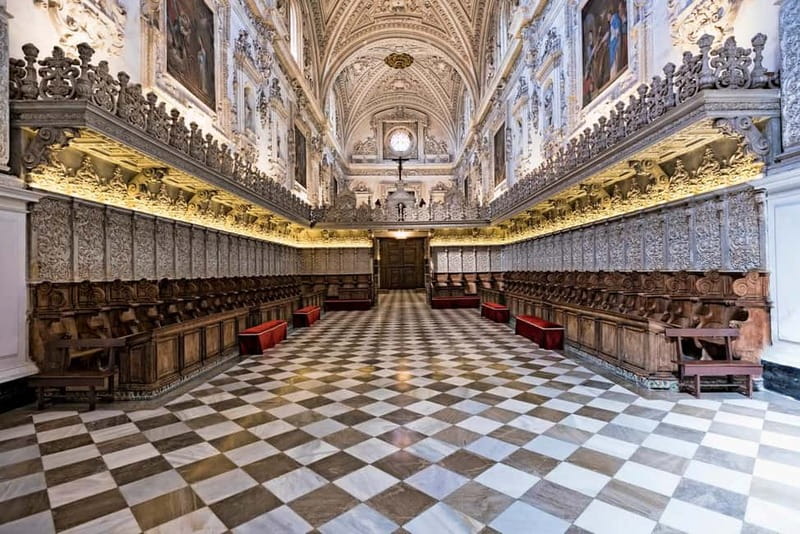
The sacristy is one of the rooms most likely to stay with you. It was a working religious space, yet it received the same artistic care found in the church. Its decoration shows how monastic life could be surrounded by elaborate surfaces rather than plain utility.
Here, I would pay attention to the relationship between the room’s purpose and its appearance. A sacristy supported the rituals of the church, so its decoration was not random. Every carved, painted, or gilded feature helped frame the religious ceremony.
Sánchez Cotán’s presence in the monastery adds another layer. His work is often associated with careful composition and a strong sense of spiritual focus. Even without making a detailed study of his style, you can notice the contrast between intimate painted scenes and the room’s grand architectural setting.
This is also a place where the audio guide can keep your visit from becoming a parade of unfamiliar names. You do not need to memorize every artist. Focus on which spaces were used for worship, which served daily life, and how each artist contributed to the whole.
The refectory and chapter house show the monks’ routine
The refectory and chapter house help balance the spectacular church and Sancta Sanctorum. These rooms connect the art to the Carthusian monks who lived here.
The refectory was tied to communal meals, while the chapter house was connected with the community’s religious and administrative life. The supplied description links these spaces with works by Vicente Carducho and Sánchez Cotán, giving you a chance to see how major artists appeared beyond the church itself.
For me, these rooms are valuable because they explain that the monastery was not built only for visitors to admire. It was a functioning religious community. Paintings and architectural details existed within a daily system of prayer, meals, meetings, and silence.
The exact appeal will depend on your interests. If you want a quick checklist of famous works, the refectory and chapter house may feel less urgent. If you want to understand how the monks lived, they are essential.
The monastery is associated with the Carthusian order, known for a highly disciplined religious life. One verified booking specifically praised the visit for explaining the life of the Carthusians in detail. That is a useful clue about where the audio guide places its emphasis: not only on decoration, but also on the people and routines behind it.
Courtyards provide the pause you need
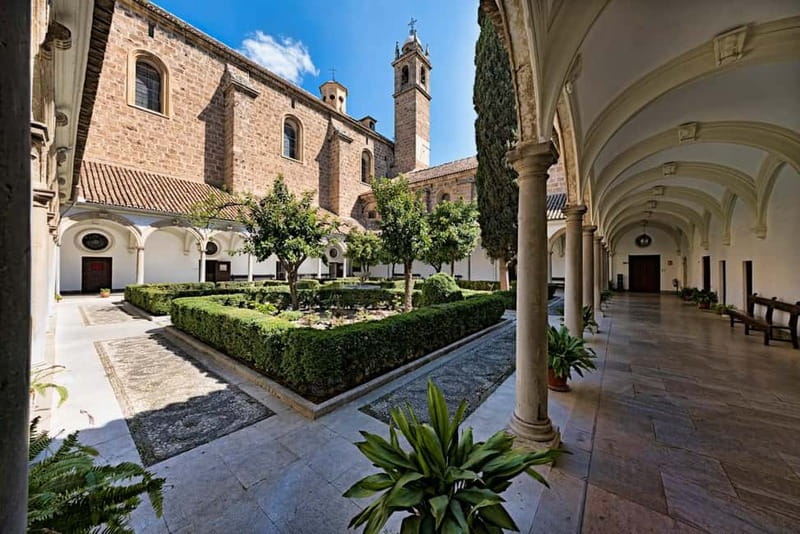
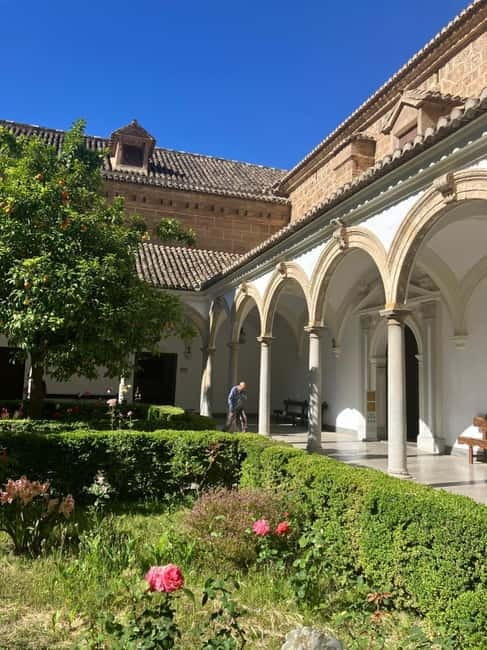
After the ornate interiors, the peaceful courtyards offer a welcome change of pace. This is where I would stop trying to absorb facts and simply pay attention to space, light, and silence.
The courtyards show the monastery’s quieter side. Their value is not based on a single famous object. They give you room to process the church, frescoes, sculptures, and gilded surfaces without another wall demanding your attention.
That pause matters in a place like La Cartuja. Baroque interiors can be visually intense, and you may need a few quiet minutes before the details settle into a coherent picture.
The courtyard also makes the visit feel less like a museum circuit. You are moving through a former monastic setting, not just a sequence of display rooms. The contrast between still outdoor spaces and crowded decoration indoors is part of the experience.
How the $11 ticket measures up
At $11 per person, admission is reasonably priced for a full-day-valid entry that includes the audio guide app and booking fee. There is no meal, drink, or personal guide included, but those omissions are not serious for a short cultural visit.
The real question is how much use you will make of the included audio guide. If you listen to the explanations and take your time with the rooms, the ticket offers good value. You are paying for access to a historic monastery with notable artists, architectural changes, and several major interiors, not just a quick look at one chapel.
The value is weaker if you want a guided conversation or a social tour. This is a self-guided experience. You cannot ask the app a question, and no personal guide is provided to adjust the visit to your interests.
A one-day validity gives you flexibility, but the activity does not promise a full-day program inside the monastery. In practical terms, you have a day in which to use the entry according to the available start time, rather than a scheduled tour lasting an entire day.
One booking problem is worth noting. In February 2026, a barcode showed a date from 2025, although the entrance staff still allowed the visitor inside. I would check the date on your ticket carefully before going and keep the booking details available. That incident did not prevent entry, but it shows why you should not ignore a date error.
Who will enjoy this visit most
I would recommend La Cartuja to you if you like:
- Baroque and neoclassical architecture
- Religious painting and sculpture
- Quiet historic interiors
- The history of monastic life
- Self-guided visits with an audio app
- Smaller cultural stops beyond Granada’s most famous sights
It is especially useful for building a fuller picture of Granada. The city’s Islamic past often receives the most attention, while La Cartuja shows the artistic power and religious ambitions of later Catholic Granada.
You may want to skip it if you dislike ornate churches, have limited interest in religious art, or need step-free access. The experience is not suitable for wheelchair users, and the interiors may feel dense if your taste runs toward simple design.
Families can make the visit work if children enjoy visual detail, but the quiet setting and restrictions on phones, flash, smoking, and pets require respectful behavior. Assistance dogs are allowed.
Practical advice for a smoother visit
Use the audio guide app rather than treating it as an optional extra. Artist names such as Palomino, Carducho, Sánchez Cotán, Hurtado, and Garcia de Pradas can become a blur without some help.
Start by looking at the overall architecture. Then focus on a few works in each room. You do not need to remember every title to appreciate the difference between a devotional painting, a fresco program, and a room designed for daily monastic use.
Save the courtyards for a quiet pause, especially after the church and Sancta Sanctorum. They provide the best reset during the visit.
Do not use flash photography, and be careful with phone use because the stated rules prohibit cellphones. Since the ticket is non-refundable, confirm the date and availability before you commit to the booking.
The activity has a rating of 4.7 from 25 reviews, with strong praise for the sense of magic and for the detailed explanation of Carthusian life. That matches the main strength I see here: La Cartuja is more than a pretty church. It connects artistic ambition with the disciplined lives of the monks who used the building.
Should you book La Cartuja?
Book it if you want a calm, art-focused stop that shows Granada beyond its best-known sights. The Sancta Sanctorum, sacristy, frescoes, and courtyards give the visit plenty of substance for $11, especially when you use the audio guide.
Think twice if you need wheelchair access, dislike religious interiors, or want a live guide. For the right visitor, La Cartuja offers a quiet hour or two of close-looking, historic rooms, and striking Baroque decoration without the pressure of a large group tour.
FAQ
Where is the Monastery of La Cartuja located?
The Monastery of La Cartuja is in Granada, in Andalusia, Spain.
How much does admission cost?
The listed price is $11 per person.
How long is the ticket valid?
The ticket is valid for one day. You should check availability for the available starting times.
Is an audio guide included?
Yes. Entry includes an audio guide app for your smartphone.
Is a personal guide included?
No. The activity includes the audio guide app, but not a personal tour guide.
What artists and artworks can I see?
You can see works connected with Sánchez Cotán, Vicente Carducho, and Antonio Palomino. Highlights include Rest in the Flight into Egypt, Baptism of Christ, and Palomino’s frescoes in the Sancta Sanctorum.
Can I take photographs inside?
Flash photography is not allowed. Cellphones are also listed as not allowed, so check the site rules before taking photographs.
Is the monastery wheelchair accessible?
The activity is not suitable for wheelchair users.
Just added around Spain
- Montserrat Monastery Horse Riding & Walk – Small Group (Max 8)★ 5.0 · 45 reviews
- Montserrat Nature Walk, Monastery and Museum from Barcelona★ 5.0 · 58 reviews
- Montserrat & beyond private from Barcelona with different options★ 5.0 · 32 reviews
- Montserrat Tour with Cogwheel Train, Monastery & Black Madonna★ 4.0 · 10 reviews
- Full-Day Trip Barcelona to Montserrat Monastery & Cava Winery★ 5.0 · 158 reviews
- Transfer to Montserrat Monastery from Barcelona★ 4.5 · 94 reviews
- Montserrat Land of Shrines – One Day Small Group Hiking Tour from Barcelona★ 5.0 · 38 reviews
- Montserrat Horseback Riding & Monastery – Small Group (Max 8)★ 5.0 · 45 reviews
Spain Temple Tours, compared.
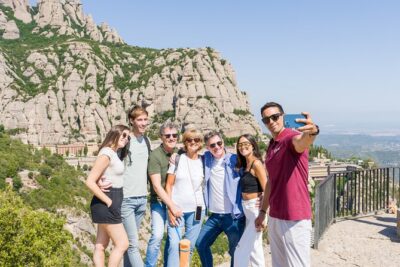
Montserrat Monastery Half Day Experience from Barcelona
Read our review →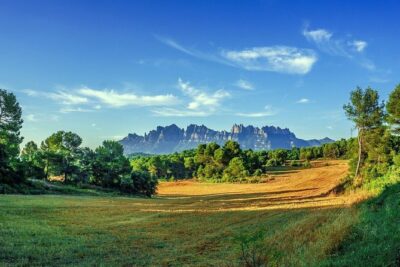
Montserrat Monastery Small Group or Private Tour Hotel pick-up
Read our review →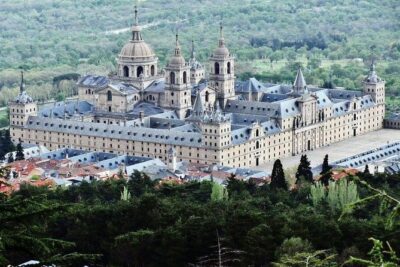
Escorial Monastery and the Valley of the Fallen Tour from Madrid
Read our review →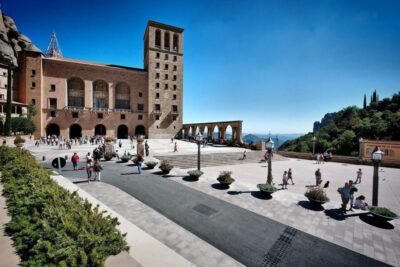
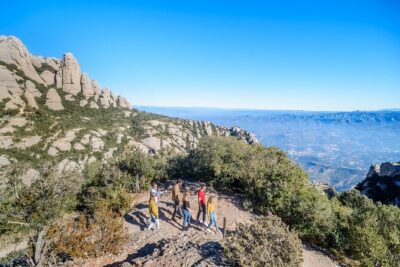
Montserrat Small Group: Monastery, Black Madonna & Natural Park
Read our review →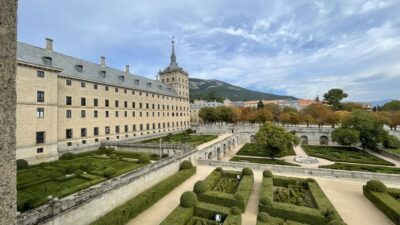
Escorial Monastery and the Valley of the Fallen
Read our review →
Flamenco Show at Tablao Sala Temple with Drink
Read our review →
From Seville: Italica Roman City & Medieval Monastery Tour
Read our review →Browse the lists this tour appears in