
REVIEW · SPAIN TEMPLE TOURS
Mallorca: Carthusian Monastery Valldemossa Entrance Ticket
The most memorable part of this visit is the way one compact complex brings together royal rooms, monk cells, gardens, art, and music. You move from the former palace of King Sancho of Majorca to a quiet corridor once used by Carthusian monks, then finish with a short piano recital.
I like the strong mix of history and atmosphere, and I like that the downloadable audio guide lets you set your own pace. The 15-minute recital is included, which adds real character for $14. The main drawback is that some parts, including the room associated with Chopin and George Sand and certain museum areas, may require a separate payment, so check exactly what your ticket covers before you enter.
Key points to know before you go
- King Sancho’s former palace dates to 1309, giving the visit a royal starting point.
- A 15-minute piano recital is included, a highlight for many people who enjoy music.
- The audio guide works in Catalan, English, French, German, and Spanish, but you need your own charged phone and headphones.
- The old pharmacy still contains historic utensils and medicines, one of the site’s most unusual rooms.
- Cell No. 2 and the Chopin connection add literary and musical interest, though some related rooms may cost extra.
- The monastery is on Valldemossa’s main square, about 20 minutes from Palma by the information provided.
Why Valldemossa’s monastery feels different
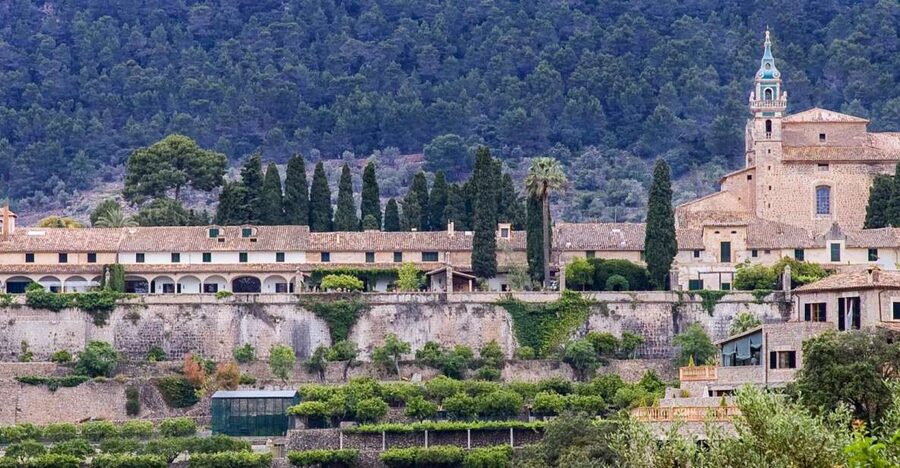
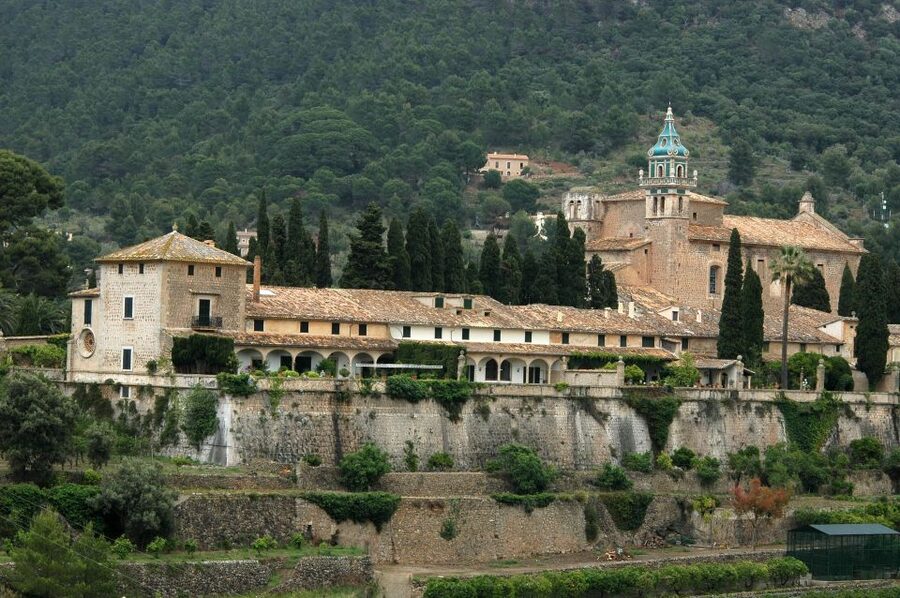
Valldemossa’s Carthusian Monastery is not just a church with a few display cases. It is a long-running complex with royal, religious, artistic, and musical connections packed into one visit.
The first layer is royal. The site includes the former palace of King Sancho of Majorca, dating from 1309. That gives you a glimpse of the place before it became known mainly as a Carthusian retreat.
The second layer is monastic. Carthusian monks lived here for about 400 years, using the complex as a place for prayer, quiet, and rest. You can follow the long white-arched corridor linking the former cells. The architecture is simple, but that simplicity is the point. It gives the site a calmer feel than a grand palace or crowded city museum.
The third layer is artistic. Paintings and objects show how local and famous artists responded to Valldemossa. The collections include Spanish and Mallorcan painters, including Joan Fuster, along with material connected to the Archduke Ludwig Salvator of Austria.
That range makes the visit a good choice if you want more than one narrow theme. You can come for the monastery, then find yourself paying attention to royal history, music, art, medicine, printing, and the views over the valley.
More Entry Tickets in Spain:
- Montserrat Museum and Monastery Entry Ticket
★ 4.5 · 1,740 reviews - Skip the Line: Tablao Flamenco Pura Esencia Ticket
★ 5.0 · 735 reviews - Barcelona: Montserrat Private Trip with Monastery Ticket
★ 5.0 · 74 reviews
Starting in the former royal palace
You enter directly at the monastery on the main square of Valldemossa. There is no hotel pickup or group transport included, so you make your own way to the entrance.
The palace is the natural place to begin. King Sancho of Majorca used the building, and its date of 1309 gives the room a strong sense of age without requiring a long guided lecture. The audio guide can help you understand how the site changed from royal residence to religious house.
I suggest listening to the introduction before moving quickly through the rooms. The complex contains several different sections, and it is easy to lose the larger story if you treat each room as a separate stop.
The palace is valuable because it gives you a reason to look at the building itself. Doorways, corridors, and proportions are not simply museum scenery. They reflect the changing purpose of the site across centuries.
The church and Bayeu’s frescoes
The church adds a more decorative note to the monastery. Its frescoes were created by Bayeu, who was Goya’s brother-in-law. That connection will interest anyone who enjoys Spanish art, even if you do not know Bayeu’s work well.
The church is worth taking slowly. Look up, not only at the altar or the most obvious decoration. The frescoes help show how the monastery’s religious function differed from the more private cells and palace rooms.
You should not expect a long service or a staged presentation. This is a self-guided cultural visit, and the church forms one part of the wider complex. Use the audio guide to add context, then take a quiet moment to see how the church fits into the surrounding rooms.
Walking the white-arched corridor
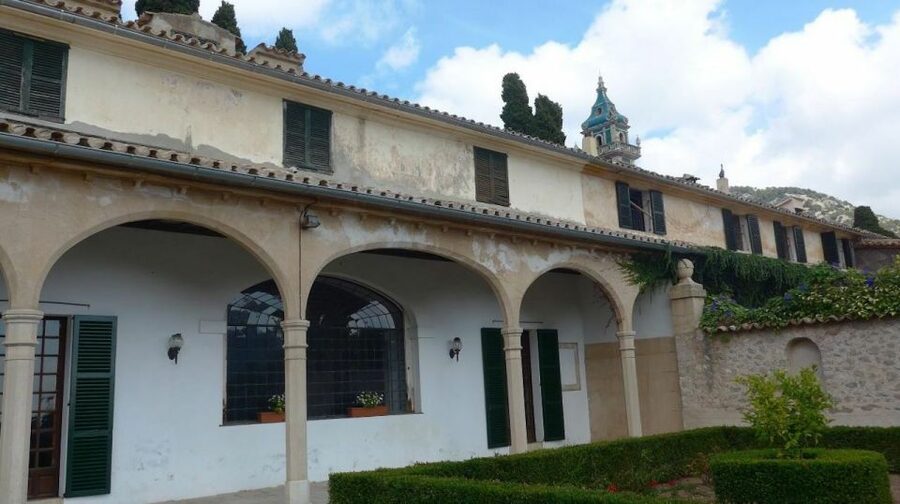
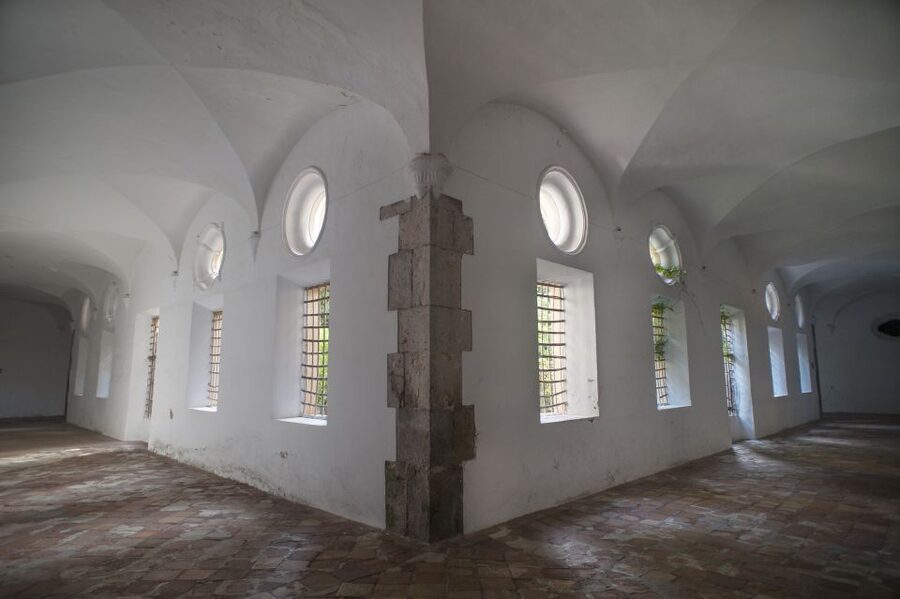
The long corridor with white arches is one of the clearest images of the monastery. It leads to the cells where monks lived for about 400 years.
This is where the site feels most connected to the Carthusian way of life. The monks sought peace and rest, and the repeated arches create a sense of order. You can picture the corridor as a practical route between separate living spaces rather than a grand ceremonial hall.
The former cells are important because they make monastic life easier to understand. A church alone can tell you what people believed. Cells and corridors show how they organized each day and protected their solitude.
The route can feel a little confusing at first because the complex contains several separate rooms and collections. The audio guide helps, but you should allow time to pause and orient yourself rather than rushing from one numbered stop to the next.
A few more temple visits around Spain worth a look
- Montserrat Monastery Half Day Experience from Barcelona
★ 5.0 · 6,014 reviews - Montserrat Monastery Small Group or Private Tour Hotel pick-up
★ 5.0 · 5,144 reviews - Escorial Monastery and the Valley of the Fallen Tour from Madrid
★ 5.0 · 2,494 reviews - Montserrat Small Group: Monastery, Black Madonna & Natural Park
★ 5.0 · 1,690 reviews
Cell No. 2 and the Chopin connection
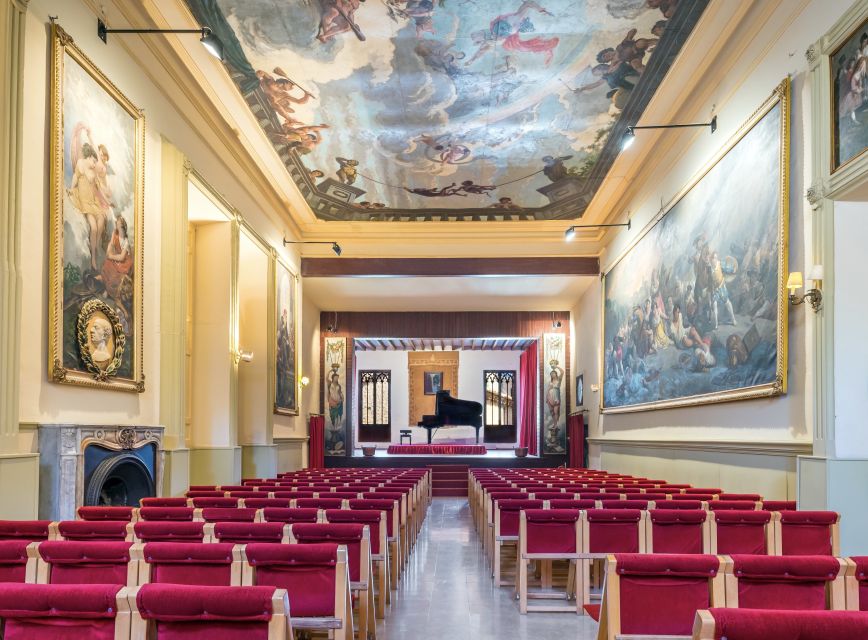
Cell No. 2 is one of the most talked-about parts of the visit. It connects the monastery to the period when Frédéric Chopin and George Sand lived in Valldemossa.
That musical and literary link gives the site a different mood. You are no longer looking only at medieval or early modern religious history. You are also seeing a place connected with a famous composer and writer.
There is an important practical catch. The room where Chopin lived with Sand and some museum areas may require an additional payment. The basic admission is therefore not necessarily an all-inclusive pass to every related display.
Before entering, confirm which spaces are included in your ticket. If the Chopin room is a key reason for your visit, budget for a possible separate charge. If you mainly want the monastery, church, gardens, and recital, the $14 admission may feel like better value.
The 15-minute piano recital
The included piano recital is one of the strongest reasons to choose this ticket instead of treating the monastery as a quick photo stop. It lasts about 15 minutes, so it does not take over your visit, but it gives the Chopin connection a living sound.
The recital also provides a natural pause after walking through the rooms. Many historic sites ask you to imagine their music and daily life. Here, you actually hear a piano inside a place linked with Chopin.
Check the timing when you arrive, since the activity lasts about one hour and the available start times can vary. If the recital matters to you, plan your route around it rather than leaving it until the end.
This is not a full concert evening. It is a short performance included with admission. Still, that format works well for a sightseeing schedule, especially if you are visiting Valldemossa as part of a day based near Palma.
The pharmacy and its old remedies
The old pharmacy is a particularly useful stop for understanding daily life at the monastery. It still contains ancestral utensils and medicines.
This room may appeal even if you are not especially interested in religious art. Bottles, tools, and medical objects bring the past down to a practical level. They show how a religious community handled illness and care using the materials available at the time.
I like this part because it breaks up the grander themes. After a palace, church, and art collection, the pharmacy gives you something more immediate and human. It also rewards close looking, since small objects matter more here than dramatic architecture.
Use the audio guide to explain what you are seeing. Without context, an old utensil can look like a decorative object. With context, it becomes part of the monastery’s working life.
Gardens, terraces, and views over the valley
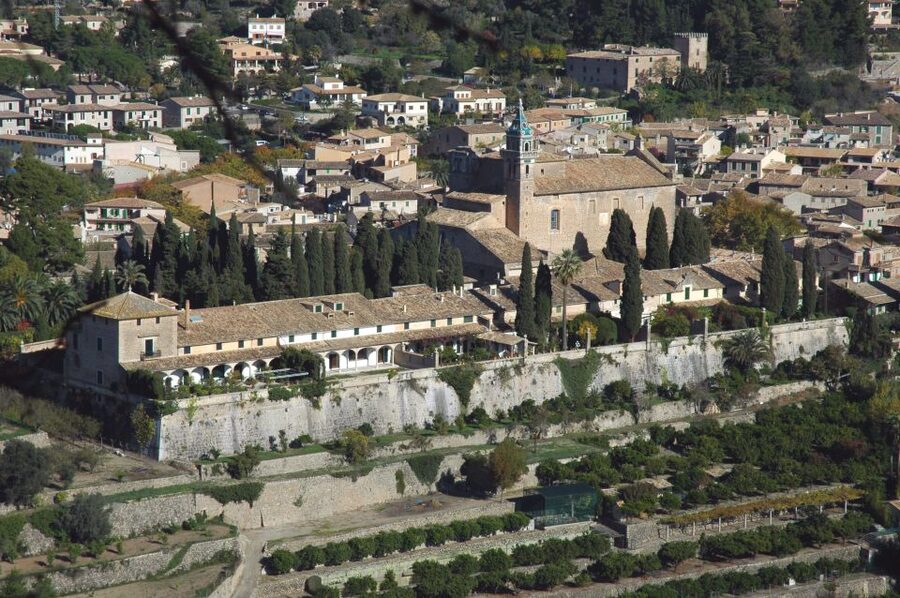
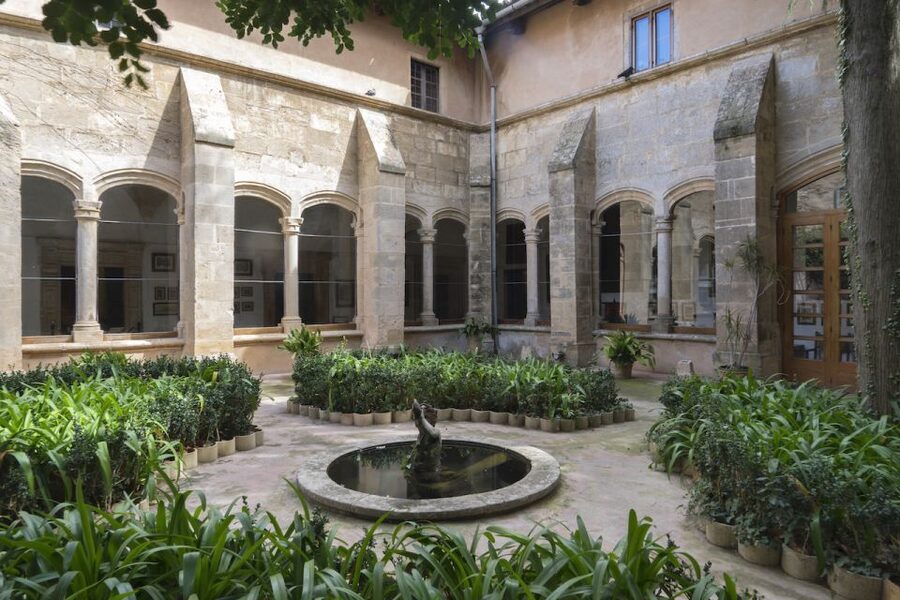
The gardens and terraces provide the visit’s best outdoor pause. From here, you get views over the Valldemossa valley.
The gardens are not just an attractive ending. They help explain why artists and writers found Valldemossa compelling. After the enclosed corridors and rooms, the open views change your sense of scale.
I would save enough time to enjoy this area without the phone in your hand. The visit is short, but the gardens are where you can slow down and connect the building with its setting.
Keep in mind that the information provided does not promise a guided garden walk or a special outdoor presentation. You are visiting independently, so the experience depends on how much time you choose to give the terraces.
Art, printing, and the Archduke’s collection
The art collection includes works by well-known Spanish and local painters, including Joan Fuster. These displays show how artists interpreted the monastery and Valldemossa rather than presenting the complex only as a religious monument.
The 16th-century printing press and woodcut collection add another unusual subject. Printing equipment can be easy to skip, but it offers a look at how images and text were produced before modern technology. If you like craft, books, or the physical process behind printed material, give this section more than a passing glance.
You can also see a collection linked with Archduke Ludwig Salvator of Austria, a cousin of Empress Sissi. He came to Mallorca by steamship and became attached to this part of the island.
That collection broadens the story again. The monastery was not frozen in its medieval past. It continued to attract artists, collectors, writers, and visitors who saw special value in Mallorca’s culture and scenery.
How the $14 ticket measures up
At $14 per person, the ticket is reasonably priced for a one-hour visit that includes the monastery, audio guide, gardens, collections, and piano recital. The value is strongest if you take time to see several parts of the complex rather than entering only for the famous Chopin connection.
The audio guide is included in Catalan, English, French, German, and Spanish. That matters because the visit contains many separate themes, and written labels alone may not explain how the palace, monastery, pharmacy, art, and music connect.
The price becomes less simple if you want every related room and museum. The Chopin room and some museum areas may be charged separately. I would treat the $14 ticket as the base admission, then verify any additional costs before you commit.
The free cancellation option, available up to 24 hours before the visit, gives you some flexibility. You can also reserve now and pay later, which may help if your Mallorca plans are still shifting.
Planning the one-hour visit
The stated duration is one hour, but your ideal pace depends on your interests. Someone focused on architecture can move fairly briskly. If you want to hear the recital, study the art, use the full audio guide, and spend time in the gardens, you may want to allow extra time around the scheduled visit.
You need a charged smartphone and headphones. The audio guide app, called Cartoixa de Valldemossa, can be downloaded from the Play Store or Apple Store.
Valldemossa has free WiFi, but I recommend installing the app before you arrive. That removes one small task from your visit and protects you if the connection is slow. Bring your own headphones, since they are not listed as included.
The meeting point is simple: go directly to the entrance on the main square. The activity ends back at that same point.
If you are driving, pay close attention to parking signs. Parking in Valldemossa can be restricted to residents, so do not assume you can leave a car anywhere near the entrance. The information provided does not include parking or transport arrangements.
Who should book this monastery visit
I would choose this experience if you like historic buildings with several different stories in one place. It suits people interested in Spanish art, religious architecture, classical music, printing, royal history, or the cultural links between Mallorca and famous artists.
It also works well for a self-guided visit. You do not need to match a group’s pace, and the five audio languages make it easier to follow the material in the language you prefer.
Music lovers get an extra reason to come because the piano recital is included. The Chopin connection adds appeal, but remember that the specific room associated with Chopin and Sand may not be part of the base ticket.
I would be more cautious if you dislike audio guides or want a fully guided explanation from a person. No guide’s name is provided, and the format is designed around your phone rather than a live tour leader.
Should you book it?
Book this ticket if you want a compact cultural visit near Palma with royal rooms, monastic spaces, gardens, art, and live piano music. At $14, it offers good value when you use the full complex and attend the recital.
Before paying, decide how important the Chopin room and extra museum sections are to you. If they are essential, confirm the separate charges first. If you mainly want the monastery itself and a thoughtful hour in Valldemossa, this is an easy ticket to recommend.
FAQ
Where is the Carthusian Monastery of Valldemossa?
The monastery is in Valldemossa in the Balearic Islands, Spain. The entrance is on the town’s main square.
How far is the monastery from Palma?
The monastery is described as being about 20 minutes from Palma.
How long does the visit take?
The stated duration is one hour. You may want additional time if you plan to linger in the gardens, study the collections, or attend the piano recital at a particular time.
What is included in the ticket?
The ticket includes entrance, access to a downloadable audio guide app, and piano recitals.
Is the piano recital included?
Yes. A 15-minute piano recital is included with the activity.
What languages are available for the audio guide?
The audio guide is available in Catalan, English, French, German, and Spanish.
Do I need a smartphone and headphones?
Yes. You should bring a charged smartphone and headphones to use the audio guide app.
How do I download the audio guide?
The free Cartoixa de Valldemossa app can be downloaded from the Play Store or Apple Store. Installing it before arrival is advised, even though free WiFi is available in Valldemossa.
Are food and drinks included?
No. Food and drinks are not included.
Can I cancel the booking?
You can cancel up to 24 hours in advance for a full refund. The activity also offers a reserve-now, pay-later option.
Just added around Spain
- Montserrat Monastery Horse Riding & Walk – Small Group (Max 8)★ 5.0 · 45 reviews
- Montserrat Nature Walk, Monastery and Museum from Barcelona★ 5.0 · 58 reviews
- Montserrat & beyond private from Barcelona with different options★ 5.0 · 32 reviews
- Montserrat Tour with Cogwheel Train, Monastery & Black Madonna★ 4.0 · 10 reviews
- Full-Day Trip Barcelona to Montserrat Monastery & Cava Winery★ 5.0 · 158 reviews
- Transfer to Montserrat Monastery from Barcelona★ 4.5 · 94 reviews
- Montserrat Land of Shrines – One Day Small Group Hiking Tour from Barcelona★ 5.0 · 38 reviews
- Montserrat Horseback Riding & Monastery – Small Group (Max 8)★ 5.0 · 45 reviews
Spain Temple Tours, compared.
Montserrat Monastery Half Day Experience from Barcelona
Read our review →
Montserrat Monastery Small Group or Private Tour Hotel pick-up
Read our review →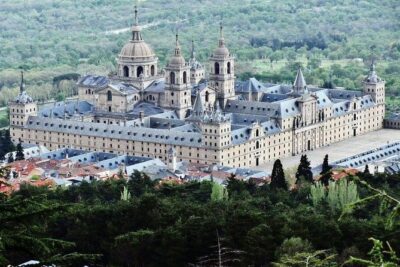
Escorial Monastery and the Valley of the Fallen Tour from Madrid
Read our review →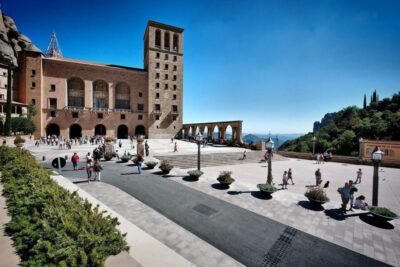

Montserrat Small Group: Monastery, Black Madonna & Natural Park
Read our review →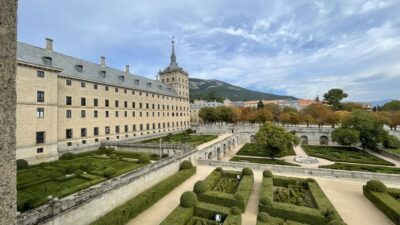
Escorial Monastery and the Valley of the Fallen
Read our review →
Flamenco Show at Tablao Sala Temple with Drink
Read our review →
From Seville: Italica Roman City & Medieval Monastery Tour
Read our review →Browse the lists this tour appears in