
REVIEW · SIGIRIYA & DAMBULLA TEMPLE TOURS
From Sigiriya :Polonnaruwa Ancient City Tour/Day Tour
Polonnaruwa is at its best when you see it as a living story, not just a collection of broken stones. This private day trip links royal ruins, finely carved temples, a huge ancient reservoir, and the chance to spot elephants in the surrounding countryside.
I like the private format, which lets you set the pace with your driver, and I like the mix of history and wildlife. The strong point is the variety: one hour you may be studying a Buddha carved into rock, and later you may be watching elephants from a safari jeep.
The main consideration is cost beyond the $49 tour price. Entrance fees, lunch, and the optional ruins guide are extra, and a 5 to 8-hour schedule can feel tight if you want a slow, detailed visit to every major site.
Key points to know before booking
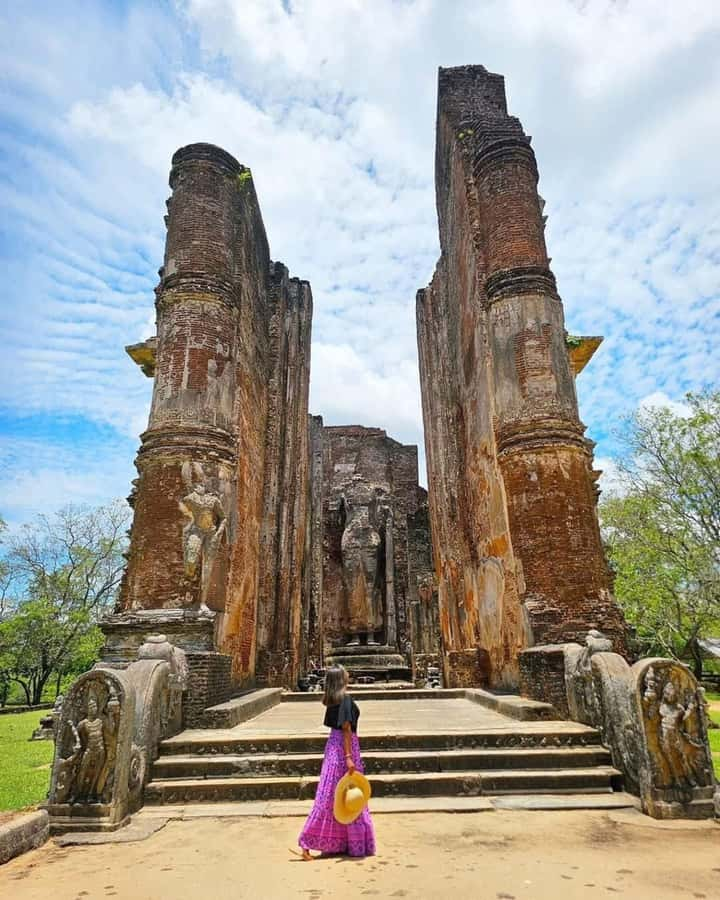
- Gal Vihara gives you Polonnaruwa’s most memorable carvings, with four Buddha images cut directly into granite.
- The private group setup lets you adjust the day, useful when you want more time at the ruins or need a shorter visit.
- An elephant safari adds a strong wildlife element, with past outings seeing large herds, including young elephants.
- Budde may guide the safari portion, and the supplied feedback describes him as helpful and flexible.
- The $49 price covers transport and water, but entrance tickets, food, and the optional $20 ruins guide are not included.
- Comfort matters, so wear practical clothes, carry water, and keep your camera ready for monkeys, birds, ruins, and elephants.
Why Polonnaruwa makes a worthwhile day from Sigiriya
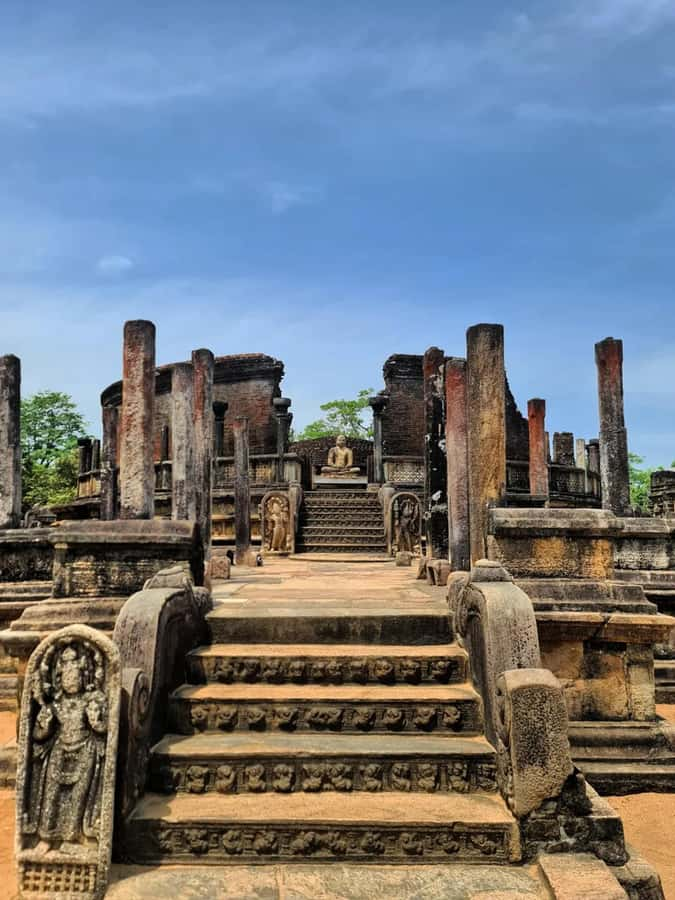
Polonnaruwa was once a royal capital, and its old center still gives you a clear sense of how a medieval Sri Lankan city worked. You move between palaces, shrines, pools, roads, and waterworks rather than seeing one isolated monument.
I like this kind of sightseeing because the setting does part of the teaching. A carved temple tells you about religion and art. The royal complex points to government and power. Parakrama Samudra shows how much effort went into storing water for farms and people.
The trip is arranged as a private experience with hotel pickup and drop-off. Your driver speaks English, and the group is limited to your own party. That matters in an archaeological area where you may want to pause for photographs, move on from a crowded spot, or avoid rushing through a temple.
The stated duration is 5 to 8 hours, with starting times confirmed when you check availability. That is a useful range, but it also tells you that the exact shape of the day can vary. An efficient visit to the main ruins will take less time than a slower tour with a guide and a full wildlife stop.
More Sigiriya and Dambulla Temple Tours in Sri Lanka:
- From Colombo: Sigiriya and Dambulla Day Trip with Safari
★ 4.7 · 842 reviews - Private City Day Tour in Anuradhapura
★ 5.0 · 383 reviews - Day tour to Sigiriya & Dambulla from Kandy
★ 5.0 · 252 reviews
Leaving Sigiriya for an ancient royal capital
The day begins with pickup at your hotel. Transport, drop-off, and a bottle of water are included, so you do not need to arrange a separate driver for the route.
This is especially useful around Sigiriya, where a private vehicle can link several major sights without forcing you to change buses or negotiate separate rides. You are also not tied to a large group’s fixed walking speed.
Ask at the start how the driver expects to divide the day between Polonnaruwa and the safari. The supplied information presents both the ancient city and an elephant outing as central parts of the experience, but the 5 to 8-hour duration means you should clarify the order and available time before setting off.
A safari jeep is included. This is not simply a standard road transfer, so you should expect a more open, practical vehicle for the wildlife portion. Bring sun protection and keep your camera ready, since monkeys and birds may appear around the historic sites as well.
The Royal Palace Complex puts the city in context
The Royal Palace Complex is a sensible early stop because it gives shape to Polonnaruwa’s former power center. You see the remains of buildings used by the royal household rather than only religious monuments.
The ruins are not presented as a restored palace with furnished rooms. Instead, you read the surviving walls, foundations, and layout. I find this more rewarding when you take a moment to imagine how the complex connected to temples, courtyards, administration, and the wider capital.
A driver can get you between the main areas, but the optional ruins guide may add more meaning to what you are seeing. The guide costs an additional £20, according to the supplied details. If you care about dates, royal succession, architecture, and the purpose of each structure, this is the extra that may make the ancient city easier to understand.
Without the guide, you can still photograph and explore the ruins, but you may need to rely more on signs and your own preparation. That is not necessarily a problem for independent sightseers. It is simply worth deciding if you prefer a self-guided look or a more explained visit.
Gal Vihara is the artistic high point
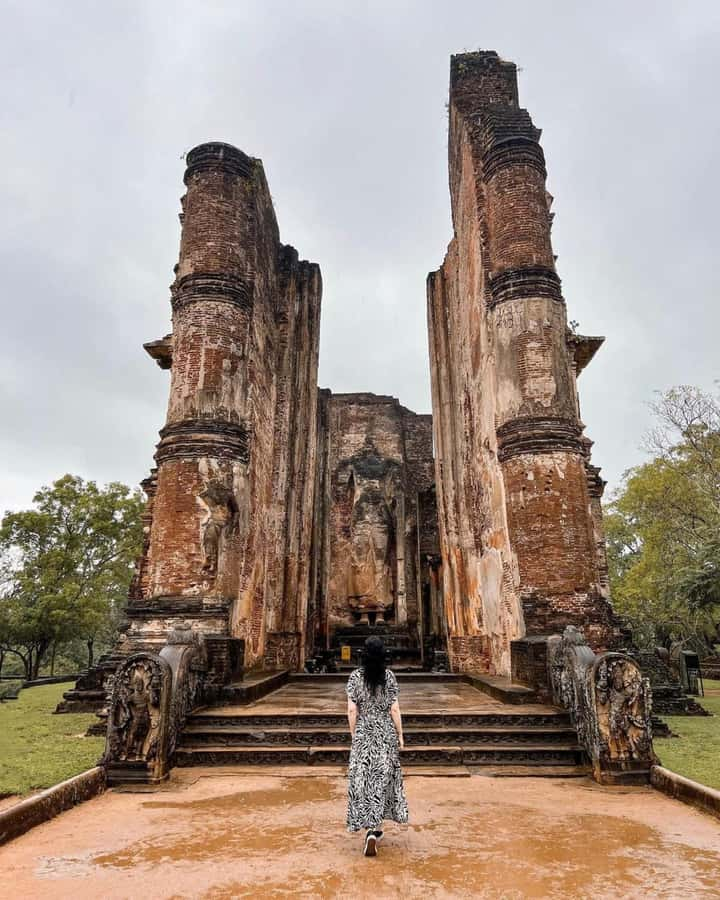
Gal Vihara is likely to be the stop you remember most clearly. Its Buddha images were carved from a single rock face, and the scale and finish make the site feel far more powerful than a simple description of carved statues suggests.
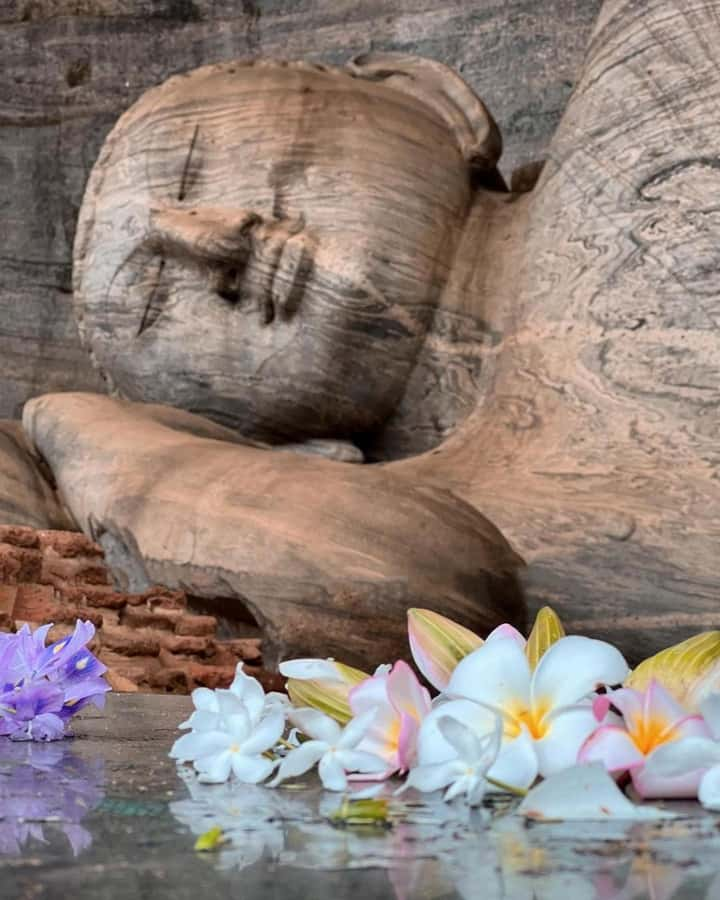
You will see different Buddha figures cut into the granite, including a large reclining image. The smooth stone, calm expressions, and close relationship between the carvings and the rock are the key details to watch.
This is a good place to slow down. Take photographs from the permitted viewing areas, but also look closely at the workmanship rather than treating the stop as a quick photo opportunity. The stone surface and posture of each figure give the group variety.
Dress respectfully for temple sites and follow any instructions about footwear or behavior. The supplied information advises comfortable clothing, which is practical for walking between open-air ruins. Water is included, but you should still use it regularly in the Sri Lankan heat.
Same country, a different morning at the gates:
- Kandy to Sigiriya Day Tour and Dambulla cave temple with private vehicle
★ 5.0 · 232 reviews - Private Day Trip to Sigiriya & Dambulla from Kandy – Aaliya Tours
★ 5.0 · 190 reviews - From Colombo: Sigiriya & Dambulla Day Tour with Safari
★ 4.7 · 189 reviews - Private Dambulla Sigiriya Tour from Kandy with Lunch
★ 5.0 · 166 reviews
Polonnaruwa Vatadage rewards careful looking
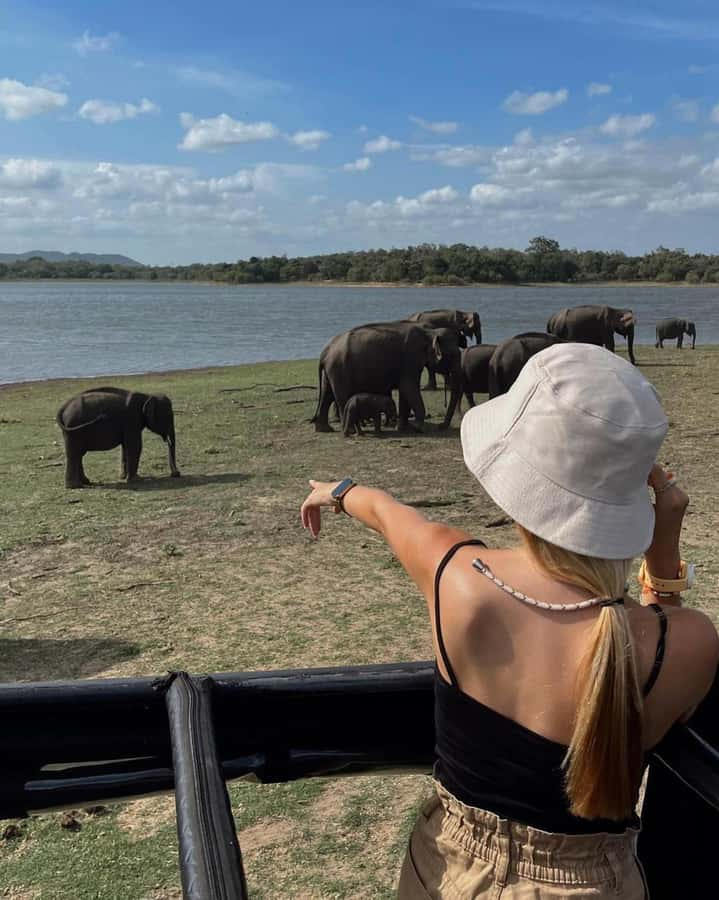
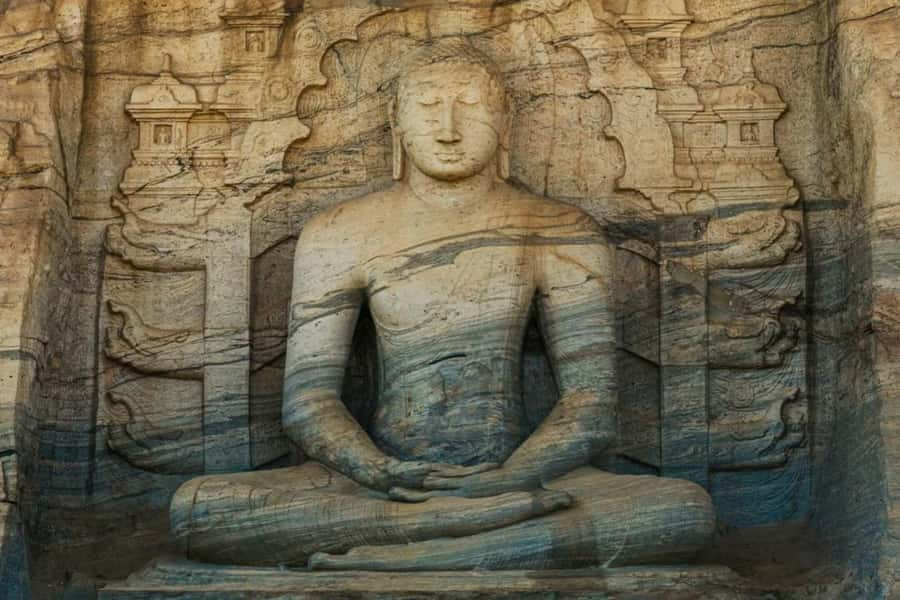
The Polonnaruwa Vatadage is a circular shrine known for its detailed stonework and carefully arranged form. This is one of the places where a guide can help you notice small carvings and explain how the shrine was used.
Rather than rushing around the outside, look at the entrances, steps, guard figures, and repeating decorative details. The site is compact compared with a palace complex, so you can spend a short time here and still take in its main features.
I like the Vatadage because it offers a different experience from Gal Vihara. Gal Vihara is dominated by large rock-cut figures. The Vatadage asks you to pay attention to design, symmetry, and surface detail.
Comfortable footwear matters here and across the ancient city. The experience involves moving among exposed ruins, and the information provided does not suggest a fully indoor, climate-controlled route. Plan for sun and walking.
Lotus Pond offers a quieter historic stop
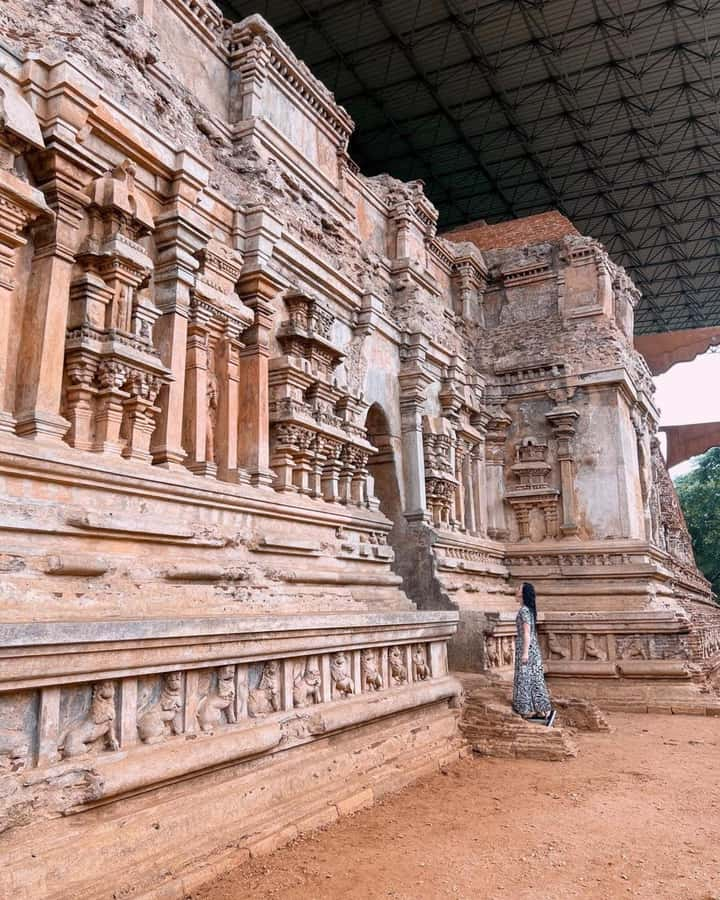
The Lotus Pond is a smaller monument, but it adds variety to the visit. Its shape and carved-stone construction make it an enjoyable stop for photographs and a useful reminder that everyday and ceremonial spaces formed part of the old city.
Do not expect the same scale as the royal complex or the visual drama of Gal Vihara. The appeal is in the design and the chance to see another type of surviving structure.
This is also the kind of stop where a private itinerary helps. If you want a few minutes for photographs, you can ask your driver to allow that rather than being pulled immediately to the next major monument.
Parakrama Samudra shows the practical side of history

Parakrama Samudra is a huge reservoir built centuries ago. It changes the tone of the day from carved stone and royal buildings to water management and agriculture.
I consider this one of the most valuable stops because it explains how a capital could support itself. Ancient Sri Lanka’s achievements were not limited to temples and palaces. Large reservoirs helped store water, and that practical work shaped settlement and farming.
The reservoir also gives you a broader setting for the trip. After several stops among ruins, the open water and surrounding views provide a welcome pause. Keep your camera available, but do not judge the stop only as a scenic viewpoint. Its importance is tied to the way the old kingdom organized resources.
The elephant safari can change the whole day
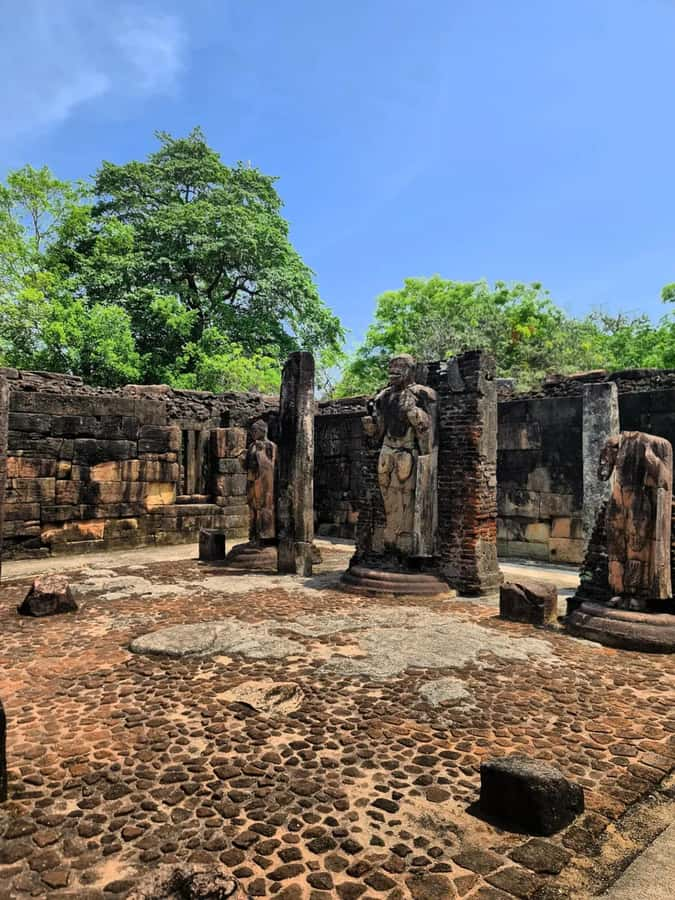
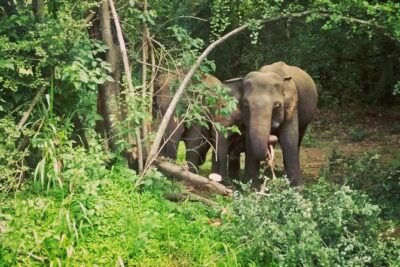
The safari is the wild card and, for many people, the most exciting part. A previous outing connected with this experience saw around 100 elephants in Minneriya, including four babies at Hurulu Conservation Park on another morning safari.
Those sightings cannot be promised on every departure. Elephants are wild animals, and the exact park or viewing conditions may vary. Still, the combination of a safari jeep and the tour’s focus on Minneriya gives the day a strong wildlife angle that a standard ruins visit would not have.
The supplied details refer to the Minneriya Elephant Gathering in Asia, while one detailed outing describes Hurulu Conservation Park. Ask which park is planned for your date. That simple question helps you understand the route, timing, and how much time remains for Polonnaruwa.
Budde is named as a safari guide in one of the detailed accounts. If he is assigned to your outing, you can expect an attentive guide who helps with stops and adjusts the plan around your interests. The driver is also described as helpful and accommodating, but a specific driver name is not provided.
Wildlife viewing can be close. One outing saw elephants at a very near range, including calves. That makes it important to follow the guide’s instructions and keep noise and movement under control. Use a camera with enough reach if you have one, but the supplied experiences suggest that some sightings may be close enough for clear photographs.
What the $49 price really covers
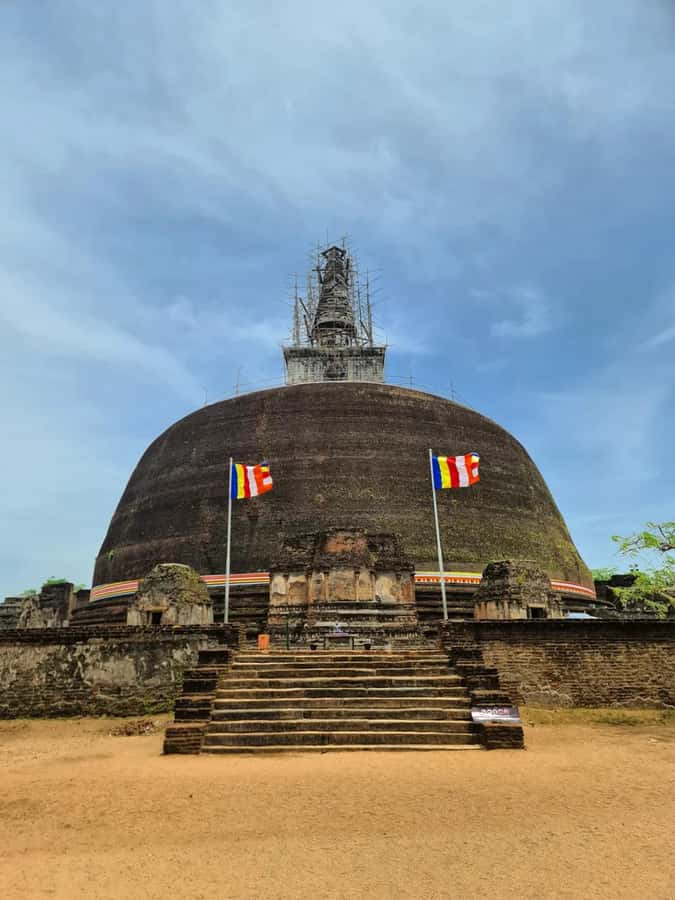
At $49 per person, the tour is appealing if you value private transport and want to combine two major experiences in one day. Hotel pickup and drop-off, an English-speaking driver, bottled water, and a safari jeep are included.
The price does not cover everything. You need to budget separately for:
- Entrance fees to the ancient sites
- Lunch
- The optional ruins guide, listed at an additional £20
- Any other costs not specifically included in the tour
That makes the final price higher than the headline amount. Even so, private transport can be good value if you are sharing the cost with companions. It also saves you the trouble of arranging separate transport for Polonnaruwa and a safari.
The value is weaker if you only want a brief look at one or two ruins and do not care about wildlife. In that case, the added safari and transport may be more than you need. The value improves if you want a full day built around both history and elephants.
Timing, comfort, and the private group advantage
The 5 to 8-hour range is broad enough to require some planning. Polonnaruwa has several separate areas, and a safari takes additional time. You should not assume that every stop will receive a long, guided explanation.
The private group format is the best protection against wasted time. You can discuss the route with the driver, decide which sites matter most, and ask for photo pauses. I would still make your priorities clear at pickup: detailed ruins, elephant viewing, or an even balance.
Wear light, comfortable clothing and shoes suited to walking. The advice to carry water is sensible, even though one bottle is supplied. The ruins are outdoors, and the safari jeep offers little reason to leave sun protection behind.
Monkeys and birds may appear around the archaeological area. Treat them as wildlife rather than photo props, and keep food packed away unless your guide says otherwise.
Free cancellation is available up to 24 hours before the experience for a full refund. You can also reserve now and pay later, which helps if your route through Sri Lanka is still changing.
Who should book this Polonnaruwa day trip
I would choose this tour if you are staying in Sigiriya and want a private way to reach Polonnaruwa without arranging separate transport. It is particularly suitable for couples, families, and small groups who want control over the pace.
It also suits anyone who wants more than an archaeological site. The elephant safari gives the day a second focus, and the combination can be more memorable than spending the entire outing among ruins.
I would think twice if you want a deeply detailed archaeological tour from start to finish. The ruins guide costs extra, the schedule can be as short as five hours, and the safari may limit the time available at each monument.
Should you book it?
Book this experience if you want Polonnaruwa’s best-known sights plus an elephant safari in one privately arranged day. Gal Vihara, the Vatadage, the Royal Palace Complex, Lotus Pond, and Parakrama Samudra offer a solid range of history, architecture, and practical engineering.
Before paying, confirm the safari park, ask how entrance fees will be handled, and decide if the £20 ruins guide is worthwhile for you. If you want flexibility and a mix of ancient sites with wildlife, the $49 starting price offers a useful base. If your priority is a slow, scholarly tour of every ruin, allow for the extra guide and choose the longest available schedule.
FAQ
Where does the tour start?
The tour includes hotel pickup and drop-off. The experience is described as a trip from Sigiriya to Polonnaruwa.
How long does the tour last?
The duration is listed as 5 to 8 hours. Starting times are confirmed when you check availability.
Is the tour private?
Yes. The group type is private, so you travel with your own party rather than joining a shared group.
Is an English-speaking driver included?
Yes. An English-speaking driver is included.
Is a safari jeep included?
Yes. A safari jeep is listed among the included services.
Are entrance fees included?
No. Entrance fees are not included in the tour price.
Is lunch included?
No. Lunch is not included.
Can I hire a guide for the ruins?
Yes. A ruins guide is available as an extra option for £20.
Is bottled water provided?
Yes. A water bottle is included.
Can I cancel for a full refund?
Yes. You can cancel up to 24 hours in advance for a full refund.
Can I reserve now and pay later?
Yes. The booking option allows you to reserve your place and pay later.
Just added around Sri Lanka
- Kandy Day Trip with Tooth Relic Temple & Unique Attractions★ 5.0 · 15 reviews
- Polonnaruwa Ancient City Private Day Tour (Hidden Gems)★ 5.0 · 20 reviews
- One Day Tour – Sacred city of Anuradhapura & Sacred city of Mihintale. (Sunset)★ 4.5 · 23 reviews
- Visiting the Historical Polonnaruwa Ruins and Minneriya Safari★ 5.0 · 16 reviews
- Private Day Trip to Sigiriya , Dambulla and Pidurangala Rock★ 4.5 · 14 reviews
- Day tour trips from Anuradhapura to multiple cities as your choice★ 5.0 · 14 reviews
- Day Tour from dambulla to Sigiriya & Polonnaruwa★ 5.0 · 13 reviews
- Anuradhapura Heritage Mountain bike / bicycle Tour★ 5.0 · 34 reviews
Sigiriya & Dambulla Temple Tours, compared.
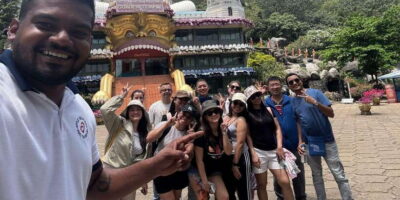


Kandy to Sigiriya Day Tour and Dambulla cave temple with private vehicle
Read our review →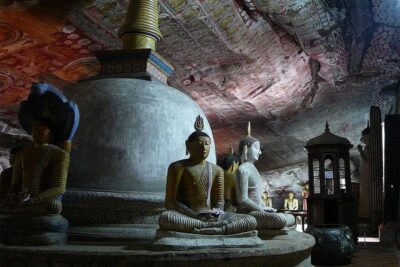
Private Day Trip to Sigiriya & Dambulla from Kandy – Aaliya Tours
Read our review →
Private Dambulla Sigiriya Tour from Kandy with Lunch
Read our review →
Browse the lists this tour appears in