
REVIEW · ANGKOR WAT TOURS
2-Day Angkor Wat With Small, Big Circuit & Banteay Srei Tour
Angkor Wat is only the beginning here. This private two-day route takes you from the grand temple itself to Ta Prohm’s tree roots, Bayon’s stone faces, quiet jungle temples, and the pink sandstone of Banteay Srei. Guide-led visits make the carvings and religious stories easier to follow than they are on your own.
I like the private format, since your guide can adjust the pace and choose different temple entrances when possible. I also like the small comforts: cold water, cool face towels, and an air-conditioned vehicle waiting between long walks. The main drawback is cost planning: the $136 tour price does not include food or the temple pass, which adds $62 per adult for a two or three-day pass.
- Two full days cover both the Small and Big Circuits, plus Banteay Srei and Banteay Samre.
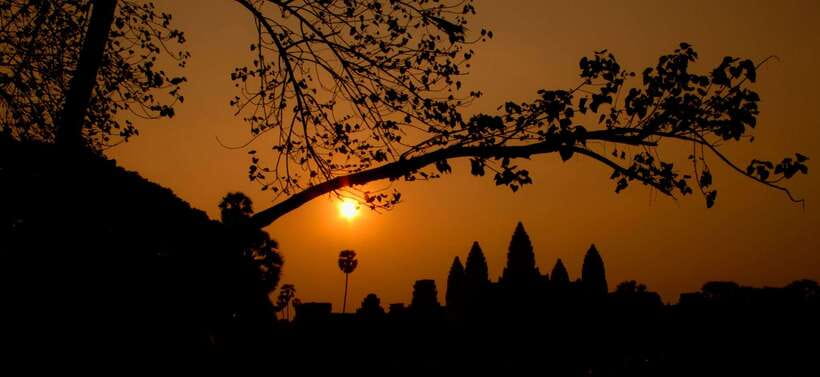
- Sunrise at Angkor Wat and sunset from Phnom Bakheng give the schedule two memorable bookends.
- Ta Prohm, known from Tomb Raider, brings giant roots and ruined walls into the route.
- Bayon, Baphoun, and Angkor Thom provide the strongest mix of royal, Hindu, and Buddhist monuments.
- Private transport and a flexible guide make it easier to adjust walking time and photo stops.
- Cold drinks and wet towels are provided, but meals and entrance fees are extra.
Two days that make Angkor easier to understand
A two-day visit is a sensible minimum for Angkor. One day can show you the headline temples, but it often feels like a race from one famous gate to the next. This plan gives you time for the central monuments on day one and the more spread-out temples on day two.
The $136 price is for the private tour, guide, vehicle, hotel pickup, drop-off, drinking water, and face towels. You still need to budget for the temple pass, priced at $62 per person for two or three days, plus meals. That brings the basic adult cost to $198 before food, so compare the total rather than the advertised tour price alone.
For that money, you are paying for more than a ride between ruins. You get an English-speaking licensed guide who can explain Cambodian culture, temple design, Hindu and Buddhist beliefs, and the role of Angkor’s kings. The value is strongest if you want context, not just transport and photographs.
The group is private, so you do not have to match a large coach group’s schedule. Guides named in past bookings include Chhay and Bunhak, both praised for clear explanations, thoughtful pacing, and good photo locations. Your assigned guide may be different, but the private setup gives you a useful chance to state your priorities at the start.
Day one begins at Angkor Wat
The morning starts with pickup from your Siem Reap accommodation. You are asked to wait in the lobby about 10 minutes before the scheduled time and to provide the hotel name, address, phone number, and website so the driver can find you.
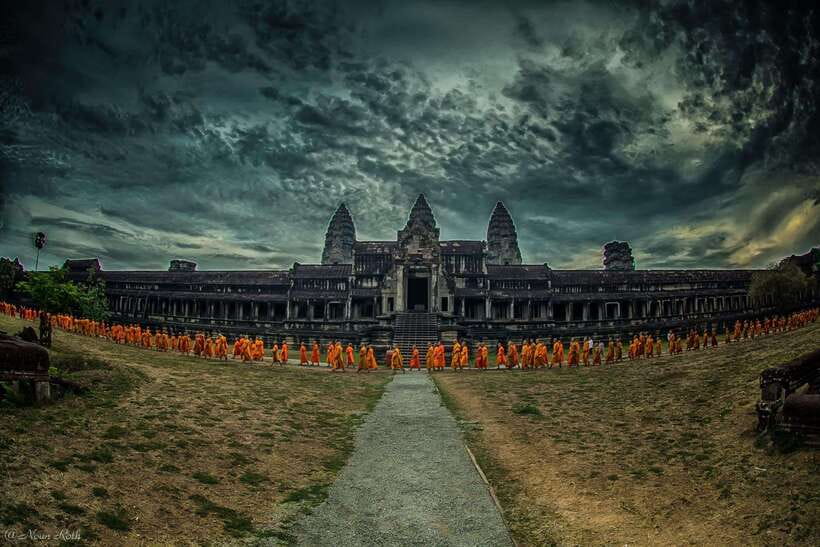
Angkor Wat is the obvious first stop, and rightly so. Built in the 12th century, it is the largest religious temple in the world. Give it several hours, as planned, rather than treating it as a quick photo stop. The huge galleries, towers, courtyards, and carved walls reward a slow walk.
A guide helps you read the temple as more than a grand stone shell. You can ask about its Hindu origins, religious symbolism, and later Buddhist use. The scale can be hard to grasp without explanation, so this is one of the places where a live guide adds real value.
Wear practical shoes and bring patience. Even with private transport, you will spend much of the day walking over stone surfaces and through open courtyards. The provided water and cool towels matter after a hot circuit of the temple.
More Angkor Wat Tours in Siem Reap:
- Angkor Wat Sunrise or Sunset Tour with Guide from Siem Reap
★ 5.0 · 12,109 reviews - Siem Reap: Angkor Wat: Small-Group Sunrise or Sunset Tour
★ 5.0 · 9,444 reviews - Siem Reap: Angkor Wat 2-Day Tour with Sunrise and Sunset
★ 4.9 · 4,429 reviews
Ta Prohm brings the jungle drama
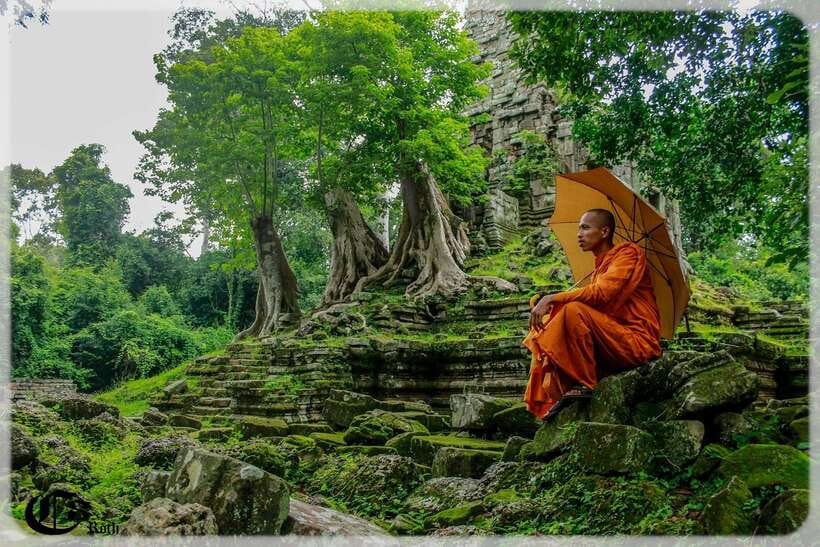
After Angkor Wat, the route moves to temples on the Small Circuit, including Ta Prohm. This is the stop many people picture when they think of Angkor: walls broken by enormous tree roots, galleries partly swallowed by the forest, and stone corridors that feel less orderly than Angkor Wat.
Ta Prohm was used as a filming location for Tomb Raider, which has made it one of the most famous Angkor temples. The film connection may draw you in, but the temple is worth your time even if you have never seen the movie. Its power comes from the uneasy meeting of carved stone and living trees.
This is also a place where the private format can help. You can ask your guide to slow down for details, or move on if the heat and crowds make a long stop tiring. Exact crowd levels and the best route can change, so do not expect a completely empty temple.
Lunch follows at a local restaurant, with food available for purchase. It is not included in the tour price. You may want to confirm the menu and price before ordering, since this is an extra expense and the tour does not provide a set meal.
Ta Nei and Angkor Thom add quieter chapters
The route continues to Ta Nei, a smaller temple that provides a useful change of scale after Ta Prohm. It does not have the same fame, but that is part of its appeal. You can spend time looking at the stonework without treating every step as a race toward the next major monument.
From there, you enter Angkor Thom through the Victory or Death Gate. This ancient city was a major royal center, and its walls and gates help you see Angkor as a planned capital rather than a collection of separate temples.
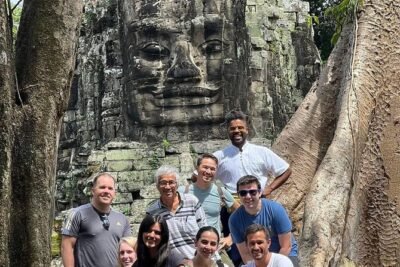
Bayon is the centerpiece. Its towers carry the famous serene faces, and the site feels almost maze-like as you move between inner galleries and outer walls. The tour description counts 49 smiling towers, and your guide can help explain the different interpretations of the faces and their place in the city’s religious setting.
Next comes Baphoun, a large Hindu temple near Bayon. Behind it is the immense Reclining Buddha. This stop is easy to miss if you are moving quickly, so having a guide direct you through the area is useful.
You then walk through Angkor Thom to see the Royal Enclosure Wall, Phimeanakas, the Elephant Terrace, the Leper King Terrace, and Palilay. These stops vary in impact. The terraces offer carved details and a sense of royal ceremony, while some of the smaller remains require more imagination than the major temples.
Phnom Bakheng closes the first day
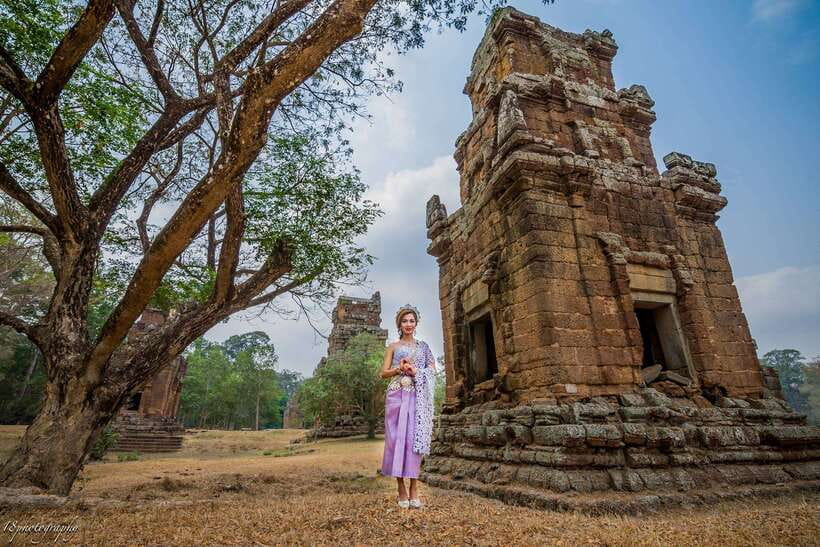
The first day ends with sunset from Phnom Bakheng. The hilltop setting gives you a broad view and a natural pause after hours among temples.
This is one of the tour’s more time-sensitive moments. Sunset conditions depend on weather, and the site’s popularity can affect the experience. You should see it as a scenic finish rather than a guarantee of a perfect sunset photograph.
The schedule is full. Angkor Wat, Ta Prohm, Ta Nei, Angkor Thom, and Phnom Bakheng add up to a lot of walking and standing. Tell your guide if you need a slower pace. One of the tour’s strengths is that a private guide can adjust the rhythm better than a fixed group departure.
More Two-Day Trips in Siem Reap:
- Angkor 2-Day Sunset & Sunrise Small-Group Tour
★ 5.0 · 2,567 reviews - 2 Days Exclusive Temple Highlights with Sunset and Sunrise Tour
★ 5.0 · 1,157 reviews - Siem Reap: Angkor Sunrise 1- or 2-Day Guided Temples Tour
★ 4.9 · 1,132 reviews - 2 Days Guided Historical Tour in Angkor
★ 5.0 · 855 reviews
Sunrise at Angkor Wat requires an early start
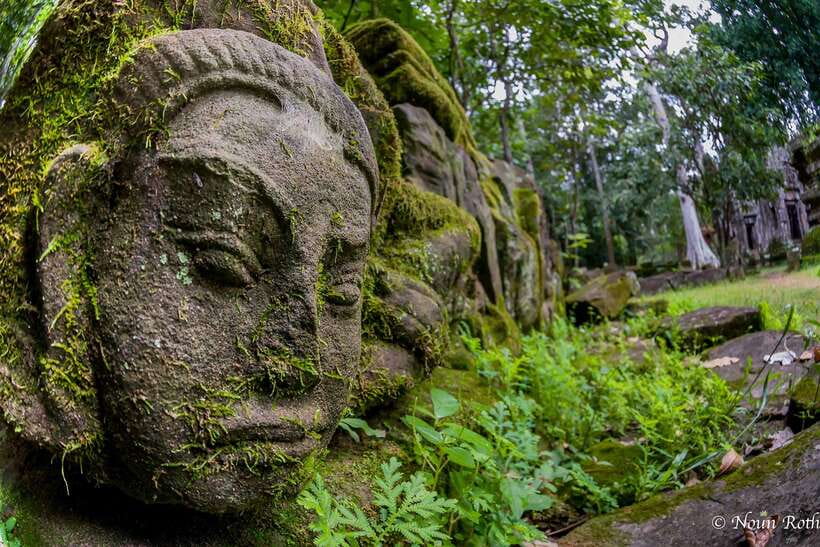
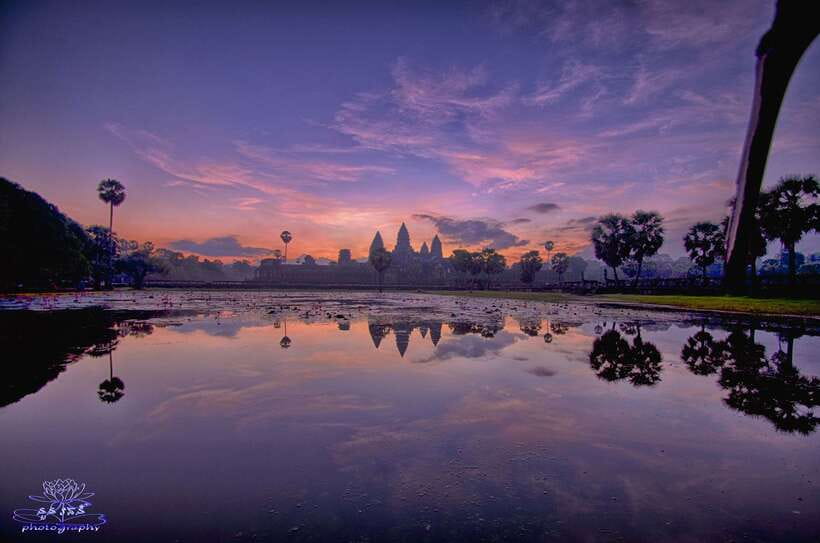
Day two begins early at Angkor Wat for sunrise. This is the classic Angkor scene, with the temple towers reflected in the water when conditions cooperate.
After sunrise, you return to your hotel for breakfast or stop at a restaurant. Breakfast is not included. The exact starting time depends on availability, so check the departure details when booking and plan for a very early morning.
Sunrise gives the temple a different mood from the first day’s visit. It is quieter in light, not necessarily in visitor numbers, and the changing sky can make the towers look completely different. Since you already explored Angkor Wat the day before, you can focus on the view instead of trying to cover every gallery again.
The Big Circuit reaches farther from the center
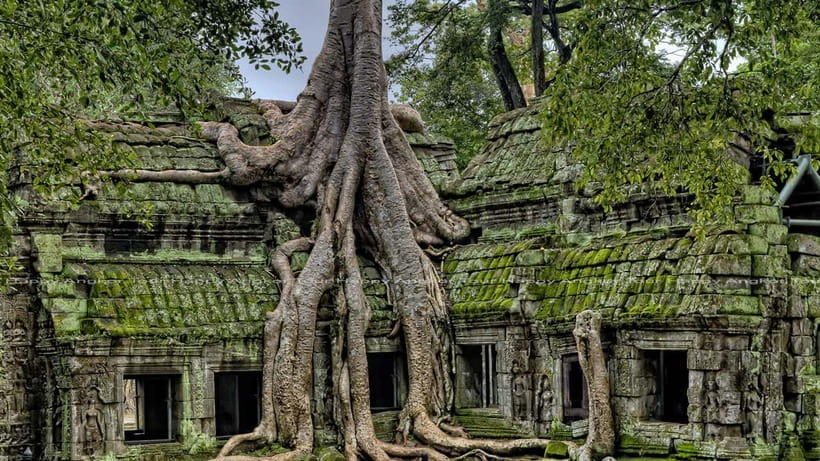
After breakfast, you set out on the Big Circuit. This day includes Prah Khan, Neak Poan, Ta Saom, East Mebon, and Pre Rup. The temples are spread farther apart, which makes the private air-conditioned vehicle especially useful.
Prah Khan is one of the larger and more atmospheric stops. Its long corridors and layered ruins need time, and your guide can point out how the temple served religious and possibly administrative purposes within the Angkor system.
Neak Poan is different. Its central design and surrounding pools give it a more compact, water-focused character. You do not visit it for vast galleries. You visit to understand how water shaped Khmer religious and civic planning.
Ta Saom brings another close look at nature reclaiming stone. It is smaller than Angkor Wat or Bayon, but its setting fits the day’s theme of temples changing under the pressure of time and vegetation. The tour highlights the ancient religious traditions connected with Ta Saom, so this is a good place to ask your guide about the temple’s original purpose.
East Mebon and Pre Rup have a more open, elevated feel. Their brick and laterite construction adds variety after the enclosed galleries of Prah Khan. Pre Rup is especially useful for seeing how a temple’s upper levels shape the view over the surrounding countryside.
A second lunch stop comes after these temples, again at your own expense. Carrying water is still wise, even though the driver provides cool drinks.
Banteay Srei is the artistic high point
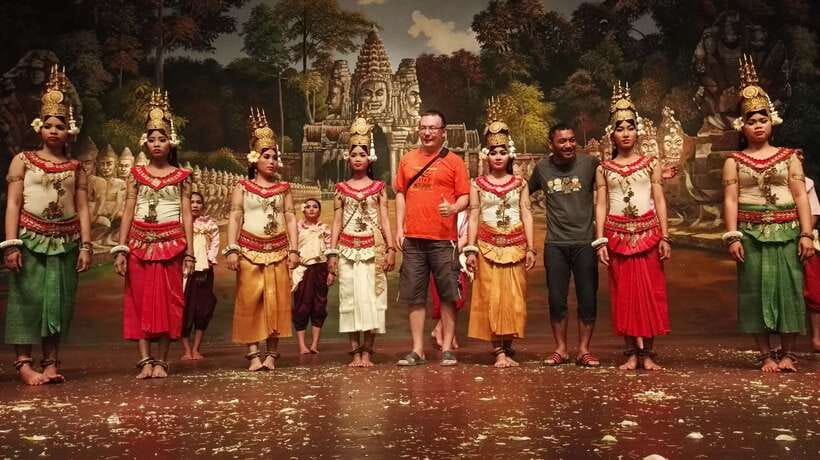
After lunch, the route leaves the main temple zone and heads through villages and rice-paddy fields to Banteay Srei. The drive changes the pace of the day. Instead of one temple following another, you get a look at the countryside around Siem Reap.
Banteay Srei is known as the Ladies Temple and is dedicated to Hindu goddesses. Its pink sandstone and fine carvings make it one of the most distinctive stops on the trip.
The temple is smaller than Angkor Wat, but its decoration is unusually detailed. This is a place where your guide’s explanation can sharpen what you see. Look closely at the doorways, figures, and carved scenes rather than judging the site only by size.
The distance also creates a trade-off. Banteay Srei is not close to the central Angkor temples, so reaching it takes time. On a short one-day circuit, it can feel like an expensive detour. On this two-day plan, it fits more comfortably after the central and Big Circuit temples.
The rural drive is part of the appeal, but do not expect a long village tour or a separate cultural activity. The stated plan includes driving through villages and rice fields, then stopping at the temple.
Banteay Samre and Banteay Kdei finish the route
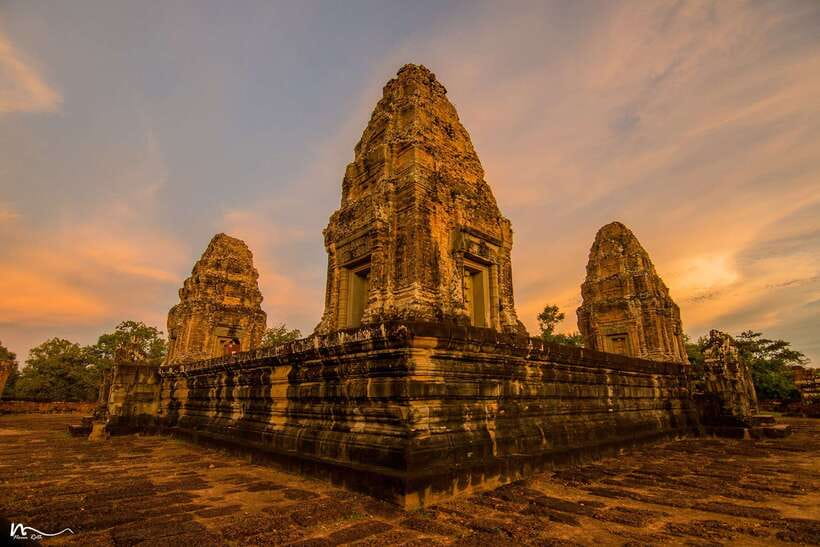
Banteay Samre follows Banteay Srei. Its architecture gives you one more chance to compare temple layouts and decorative styles after the very different pink sandstone of Banteay Srei.
The final stop is Banteay Kdei. Ending here gives the second day another temple rather than sending you straight back to Siem Reap after the long drive. By this point, though, fatigue may shape your experience. If you want more time at Banteay Srei, say so early and ask your guide how to balance the remaining stops.
This is where the private format earns its keep. You can discuss whether you prefer more time at major temples, extra photo stops, or a quicker look at smaller sites. The tour is designed to be customized to your interests, but customization works best when you state those interests clearly at the beginning.
Transport, guide service, and small comforts
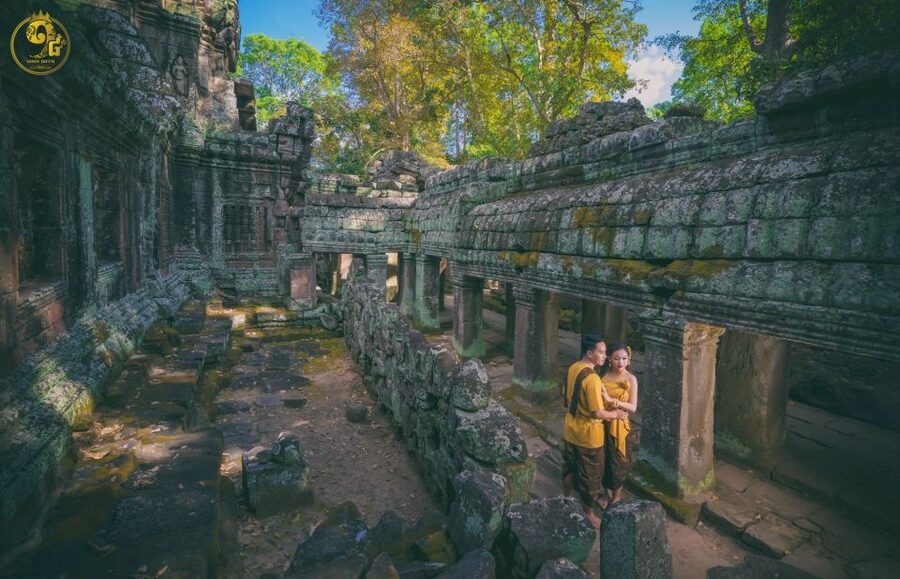
The vehicle is air-conditioned and private. That matters in Cambodia, where the temple days combine heat, walking, and repeated climbs over uneven stone. After each stop, you have a place to sit, cool down, and continue without waiting for a large group.
The tour provides cool drinking water and face towels. The towels may sound minor on paper, but they are practical after a hot walk. Bunhak’s service, for example, included refreshing towels and cold water at stops, while Sreang was praised as an attentive driver. Chhay and his drivers were also praised for finding routes that avoided some of the main flows and for arranging temple entrances and exits that reduced unnecessary backtracking.
Those details cannot be guaranteed with a particular guide or driver, but they show what to ask for. Tell the operator about your preferred pace, photo interests, and any temple you especially want to study.
The guide language is English. The tour is described as private, not as a shared group departure. Pickup and drop-off are included, but you must supply accurate accommodation details so the driver can locate you.
Price, temple pass, and what you really pay
At $136 per person, the tour is not a budget temple shuttle. It is better understood as a private two-day service with a guide and vehicle. Add the $62 temple pass for adults, and the base total becomes $198 per person before meals.
Children under 12 enter the temples free, according to the provided information. Food is available to buy during the lunch breaks and breakfast stop, but no meals are included.
I think the cost is reasonable for couples, families, or small private groups that want a guide and do not want to arrange transport between distant temples. It is less appealing if you only want a driver, plan to move very quickly, or already have strong knowledge of Angkor’s history.
The reserve-now, pay-later option and free cancellation up to 24 hours before the tour reduce the financial risk of booking. Still, check the starting times and temple pass arrangements before committing, especially because the sunrise morning begins early.
Who should book this Angkor tour?
I would choose this tour if you want the major Angkor sights without reducing the visit to a checklist. The plan covers the famous names, but it also includes Ta Nei, Ta Saom, Neak Poan, Banteay Samre, and the rural route to Banteay Srei.
It suits you best if you value explanation, photography, and a flexible pace. The guides highlighted in past bookings were praised for historical, religious, mythological, and cultural explanations, as well as for finding strong picture locations.
It may not suit you if you dislike early starts, long temple days, or paying separately for food and entrance fees. The schedule is demanding, and two days of ruins require decent walking stamina.
FAQ
How long is the Angkor Wat tour?
The tour lasts two days and includes hotel pickup and drop-off in Siem Reap Province.
Is the tour private?
Yes. It is arranged for a private group with private air-conditioned transportation and a live English-speaking guide.
Is the temple pass included?
No. The temple pass is extra. A two or three-day pass costs $62 per person, while children under 12 have free entrance.
Are meals included?
No. Food is not included, but you can buy breakfast and lunch at restaurants during the scheduled stops.
What temples are visited on the first day?
Day one includes Angkor Wat, Ta Prohm, Ta Nei, Angkor Thom, Bayon, Baphoun, the Reclining Buddha, the Royal Enclosure Wall, Phimeanakas, the Elephant Terrace, the Leper King Terrace, Palilay, and Phnom Bakheng.
What temples are visited on the second day?
Day two includes sunrise at Angkor Wat, Prah Khan, Neak Poan, Ta Saom, East Mebon, Pre Rup, Banteay Srei, Banteay Samre, and Banteay Kdei.
Is sunrise included?
Yes. The second day begins with sunrise at Angkor Wat. Starting times depend on availability and should be checked when booking.
What is provided in the vehicle?
The tour includes private air-conditioned transportation, cool drinking water, and face towels. Hotel pickup and drop-off are also included.
Should you book it?
Book this tour if you want two carefully packed days, a private guide, and a good mix of famous temples and quieter stops. The strongest reasons are the flexible format, the clear focus on both temple circuits, and the added journey to Banteay Srei.
Before booking, add the $62 temple pass and a realistic food budget to the $136 tour price. If that total works for you, this is a practical way to see Angkor with enough explanation to make the stones, faces, carvings, and roots feel connected rather than random.
Just added around Siem Reap
- Ticket for Angkor Balloon Ride.★ 3.7 · 46 reviews
- Sunrise at Angkor Wat Temple: 3-Hour Private Tour★ 4.7 · 30 reviews
- Small-Group Full Day Angkor wat Guide tour with Sun set★ 5.0 · 136 reviews
- Siem Reap: Private 4-Day Angkor Wat and Phnom Kulen Tour★ 5.0 · 9 reviews
- Angkor Wat: Sunrise 2.5 Days Temples & Tonle Sap-Small Group★ 5.0 · 10 reviews
- Siem Reap : Private Tuk-Tuk Tour of the Magnificent Temples.★ 4.9 · 14 reviews
- Siem Reap: Ultimate Angkor Wat Offbeat Experience by Jeep★ 4.9 · 8 reviews
- Siem Reap: Personalized Angkor Wat Sunrise/Set by TukTuk/Car★ 4.9 · 41 reviews
Angkor Wat Tours, compared.
Angkor Wat Sunrise or Sunset Tour with Guide from Siem Reap
Read our review →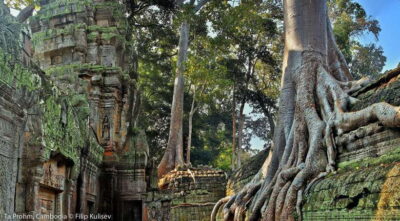
Angkor Wat: Small-Group Sunrise or Sunset Tour
Read our review →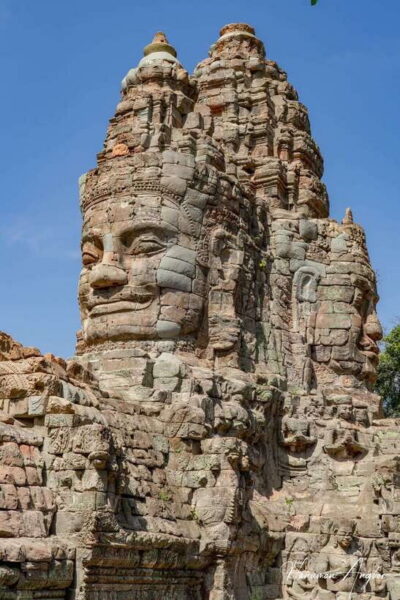
Angkor Wat 2-Day Tour with Sunrise and Sunset
Read our review →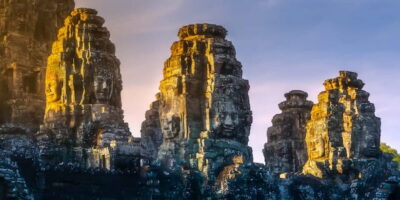
Angkor Wat Sunrise tour with Small – Group and Guide tours
Read our review →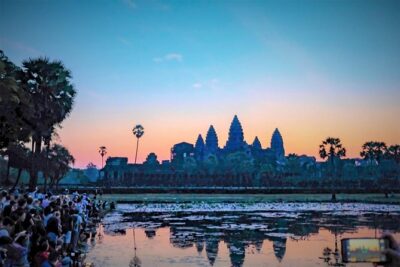
Angkor Wat Highlights and Sunrise Guided Tour from Siem Reap
Read our review →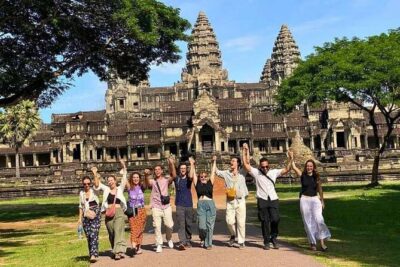
Angkor Wat Sunset Small Group Tour with Lunch Included
Read our review →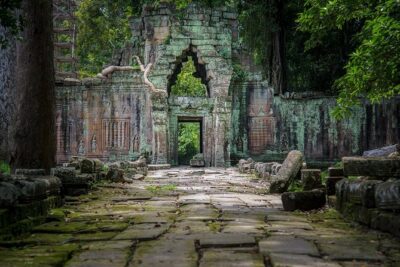
Full-Day Angkor Wat Sunrise Private Tour with Guide from Siem Reap
Read our review →Browse the lists this tour appears in