
REVIEW · RICE TERRACE & TEMPLE TOURS
Yogyakarta: Selogriyo Temple Tour & Java Rice Terrace Trek
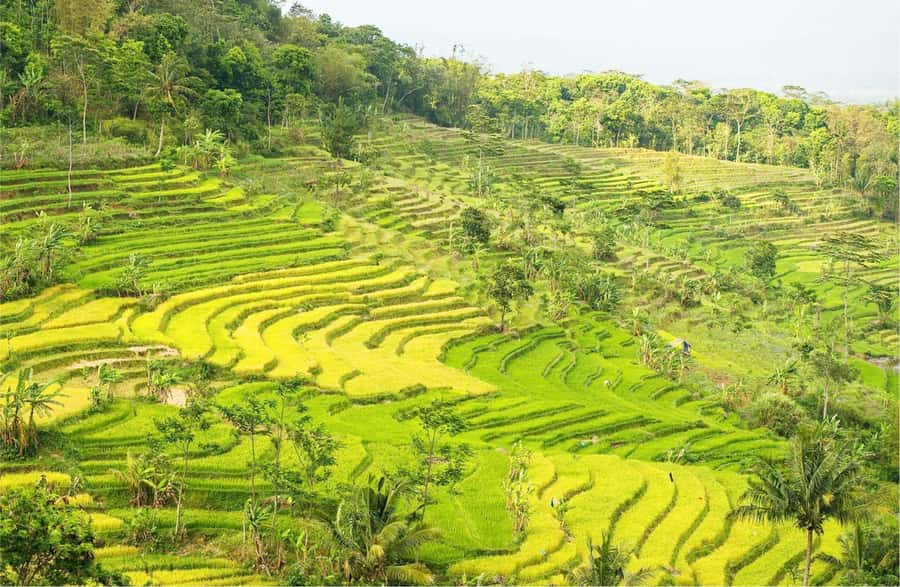
Selogriyo Temple is the reward at the end of a peaceful walk through Java’s working farmland, not the whole show. The approach takes you past rice terraces, corn, beans, coffee, ginger, papaya, tobacco, and other crops before the small Hindu shrine appears on its hilltop. The countryside is the star.
I like the quiet setting and the guides’ local touch. Yuni, Haidar, Atok, Kin, and Aulion have helped visitors understand rice growing, village life, plants, and Javanese customs rather than simply pointing at the temple and moving on. I also like the easy hotel pickup, which turns a remote outing into a manageable six-hour trip.
The main consideration is the two-hour drive from Yogyakarta and the moderate walk at the site. The path can be muddy, the temple is small, and mountain views can disappear in wet weather. If you want grand ruins and a packed sightseeing schedule, this may feel too simple. If you want peace, fresh air, and a closer look at rural Java, it fits beautifully.
Key points before you book
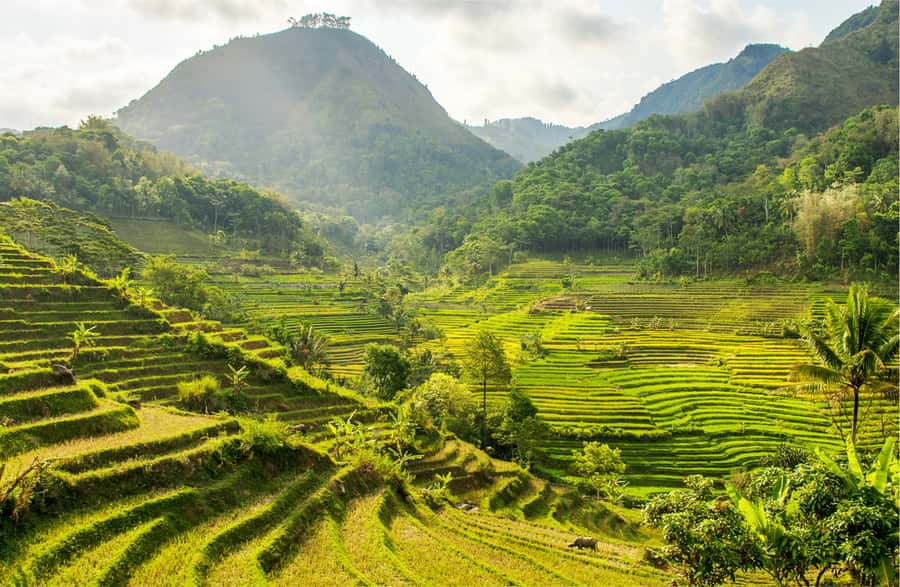
- Rice terraces are the main event: Walk through active farmland and learn how rice and seasonal crops are grown.
- Selogriyo Temple is small and secluded: Its quiet hilltop setting matters more than its size.
- Guides add real value: Yuni, Haidar, Atok, Kin, Aulion, and others are praised for explaining plants, farming, religion, and local life.
- Expect a moderate walk: Comfortable shoes are essential, and muddy footwear is possible.
- The drive is part of the outing: Allow about two hours each way from Yogyakarta, or one hour from the Borobudur area.
- The $55 price covers the basics: Transport, entrance, guide, parking, and donation fees are included.
Why this six-hour outing feels different from temple sightseeing
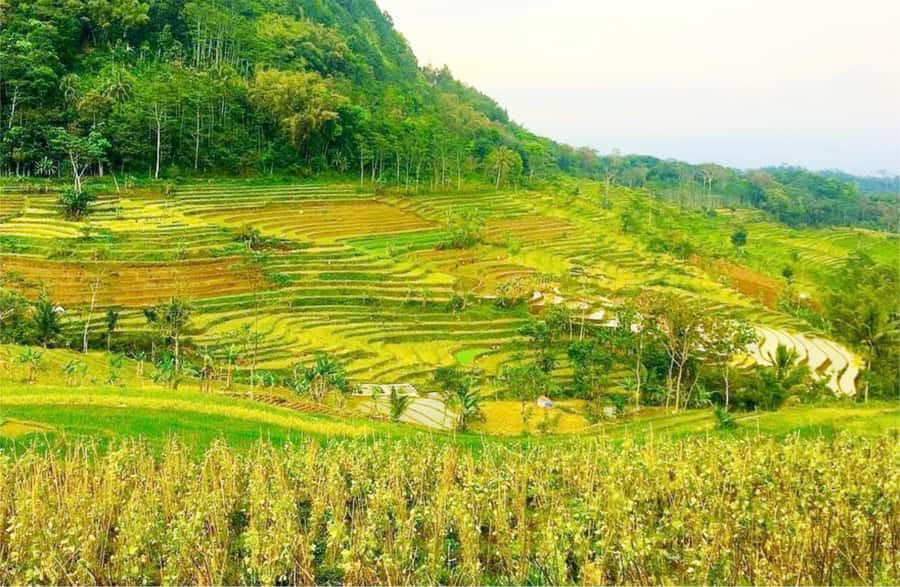
Yogyakarta gives you major monuments, busy streets, and plenty of cultural stops. Selogriyo offers the opposite rhythm. Once you leave the city, the trip becomes a slow passage through villages and hills, with the road itself giving you a look at everyday Java.
The temple is not enormous. That is important to understand before you book. You are not coming for a large complex filled with courtyards, towers, and rows of carved stone. You are coming for a small Hindu site in a peaceful setting, reached by foot through farmland.
That combination is what makes the visit worthwhile. The walk gives the temple meaning. You see the crops, the slopes, the people who work the fields, and the quiet setting before reaching the shrine. By the time you arrive, Selogriyo feels like part of the countryside rather than a monument placed apart from it.
The experience also leaves room for conversation. Guides commonly explain rice cultivation, local plants, village customs, and the religious features of the temple. Some have shared stories about childhood games, local food, Indonesian politics, and daily life. You get more than a photograph and a name.
More Rice Terrace and Temple Tours in Indonesia:
- Ubud: Monkey Forest, Jungle Swing, Rice Terrace, and Water Temple
★ 5.0 · 7,160 reviews - Ubud: Waterfalls, Water Temple & Rice Terraces Private Tour
★ 5.0 · 5,484 reviews - Full-Day Tour to Water Temples and UNESCO Rice Terraces in Bali
★ 5.0 · 2,539 reviews
The journey from Yogyakarta to Selogriyo
Pickup is included from your accommodation in Yogyakarta. From the city, the drive takes about two hours. If you are staying near Borobudur, the journey is shorter, at roughly one hour.
That driving time deserves an honest mention. This is not a quick morning attraction near central Yogyakarta. You will spend a fair part of the six-hour outing in the vehicle, but the distance is also why the area feels so calm. The remote setting keeps the visit away from the usual sightseeing flow.
The transport has received very strong marks for comfort and reliability, with 97 percent of the recorded ratings giving it a perfect score. Drivers such as Haidar, Yuni, Atok, and Kin are often praised for careful driving, punctual pickup, and friendly conversation.
Your driver may also serve as your guide, though the exact person depends on availability. Yuni is often praised for his plant knowledge and stories about growing up in the area. Haidar is noted for explaining farming, village life, and Indonesian culture. Atok is frequently described as an upbeat, helpful guide who adapts the outing to your interests. Kin has taken visitors along less-used paths and added local food or coffee stops.
Do not count on receiving a particular guide unless the operator confirms it. Still, the pattern is clear: the guide can make a major difference, so use the drive to ask questions. It is a long transfer, and a good conversation makes it feel much shorter.
Walking through Java’s working rice terraces
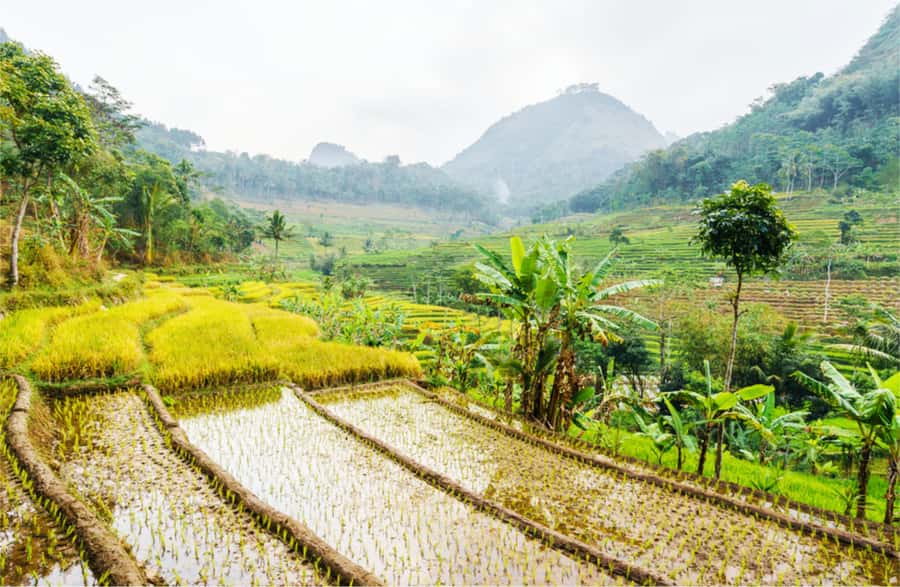
The walk is the heart of the day. You leave the vehicle and follow paths through the terraces toward Selogriyo, with your guide explaining what you see along the way.
Rice is central, but it is not the only crop. Depending on the season, you might see beans, corn, tobacco, ginger, papaya, coffee, coconut, cassava, and other plants. Guides have pointed out how farmers use the fields across different growing periods, including what changes during the dry season.
This is useful because the terraces stop being a pretty green backdrop. You begin to understand how water, planting, harvesting, and seasonal crops shape village life. Yuni has been praised for identifying plants and vegetation in detail, while Haidar has explained the process from rice planting through harvest. Other guides have pointed out animals, herbs, fruit, and small details that are easy to miss on your own.
The path is described as manageable by some people and more of a proper hike by others. The safest expectation is a moderate walk, not a flat stroll. You may climb uneven paths and steps, and wet conditions can make the ground slippery. One visitor specifically warned about muddy shoes, while another described the climb as quite a hike but well worth the effort.
Wear shoes with a decent grip. Comfortable clothing, sunscreen, and cash belong in your day bag. The tour information does not promise a dry path, so avoid your best white trainers. If you have a choice between a more direct route and a path through the fields, ask your guide what suits the weather and your energy.
The pace is one of the better features. Guides have stopped for photos, explained plants, and allowed time to look around rather than pushing everyone straight to the temple. That makes the trek feel like a rural walk, not a race to a viewpoint.
Reaching the small Hindu temple
Selogriyo Temple sits in a secluded hilltop setting surrounded by green slopes and gardens. Its compact size may surprise you if you have already visited Borobudur or Prambanan. Those major sites are architectural spectacles. Selogriyo is quieter and more intimate.
Your guide can explain the temple’s distinctive structure and Hindu sculptures, as well as its place in the area. The setting does much of the work. You look back across the hills and terraces, hear the countryside around you, and see why the walk matters as much as the shrine itself.
The site is especially appealing if you dislike crowded photo stops. Several visits have had very few other people present, and one person described having the place almost entirely to themselves. That kind of quiet is not guaranteed, but Selogriyo is clearly less visited than Java’s headline monuments.
The temple will suit you if you enjoy modest historic sites where atmosphere matters. It may disappoint you if you expect a large complex with many rooms and extensive carvings. I would think of it as a tranquil destination at the end of a scenic walk, not as a standalone replacement for Borobudur.
The weather affects the view. On clear days, you can look across the green volcanic hills. In the rainy season, clouds and heavy rain can block the mountain scenery. The temple and terraces remain worthwhile in wet weather, but bring realistic expectations and protect your phone or camera.
More Hikes and Treks in Indonesia:
- Bali: Munduk Waterfalls Trek, Twin Lakes and Temple Tour
★ 4.8 · 545 reviews - Munduk: Twin Lake Jungle Hike, Ulun Danu Temple, & Waterfall
★ 4.9 · 536 reviews - Ubud: Rice Terrace, Holy Water Temple & Waterfalls Trek Tour
★ 4.9 · 115 reviews - All Inclusive Sekumpul Waterfall Trekking , Handara Gate & Temple
★ 5.0 · 64 reviews
Local people, coffee, and the slower parts of the day
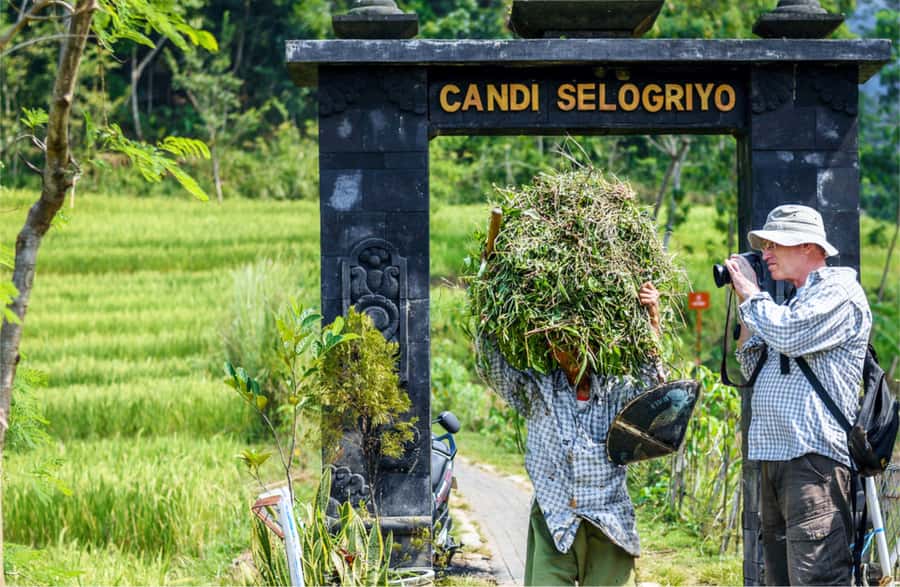
The tour creates chances to meet people in the area, though the amount of interaction depends on the route and guide. You may see farmers at work, pass village homes, and greet local residents. The guides can help explain the community rather than turning the visit into a quick photo stop.
Many outings include a coffee or tea stop on the route back. This is not listed as part of the included package, so bring cash if you want to buy something. The cafe experience has included coffee, ginger tea, lemongrass tea, blue pea tea, and fried cassava, depending on the visit.
Some people have also stopped at a local batik shop or a civet coffee place. These additions are not guaranteed parts of the six-hour program, so treat them as possible extras rather than promised stops. If you are not interested in shopping or coffee tasting, simply ask how much time a stop will take.
The drink stop can be a pleasant finish because it gives you a place to sit after the walk. One particularly memorable touch was a guide arranging for a visitor to learn how to pour coffee. Small moments like that help the trip feel connected to local life, though you should not book this expecting a formal coffee workshop.
A few guides have also suggested local food or bought small snacks for the people they were driving. Again, that depends on the individual guide. The included price covers the listed fees, not personal purchases, meals, or optional drinks.
What the $55 price really covers
At $55 per person, this is not the cheapest way to see countryside near Yogyakarta. The value comes from the distance, private transport, guide, and access to a place that would be awkward to reach independently.
The price includes hotel pickup and drop-off, entrance fees, parking, a donation fee, and an English-speaking guide. You are not left to arrange a remote transfer, find the temple entrance, or work out the walking route yourself. For a small group of no more than 15 people, that is a fair package.
The group may be smaller than the maximum. During quieter periods, some outings have effectively become private tours for one or two people. That can allow you to choose a more adventurous route, stop more often, or shape the conversation around plants, photography, religion, or farming.
You should still compare the price with your priorities. If you are happy arranging transport and only want to see the temple, a self-organized visit might cost less, though the provided information does not give independent transport prices. If you value a safe driver, an English-speaking guide, and explanations along the trail, the package makes more sense.
The high transport score and perfect overall rating suggest the basic operation is dependable, but no tour is immune to traffic, weather, or guide availability. Build some flexibility into your day if you have an evening train or another fixed appointment.
Who will enjoy this tour most
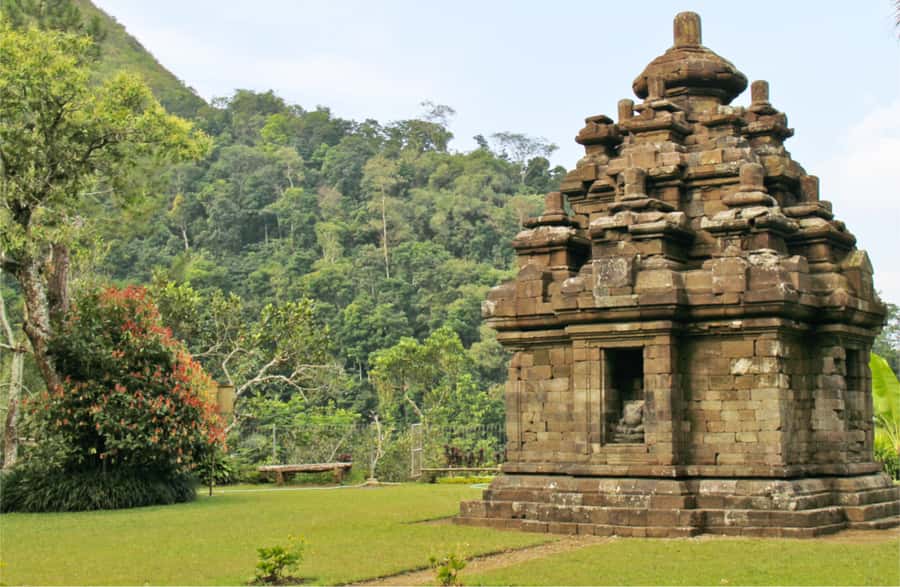
I would choose this outing if you want a break from city streets and major monuments. It suits people who like walking, farming, photography, quiet places, and conversations with local guides.
It is also a strong choice for solo visitors. The pickup removes much of the stress of reaching a remote location, and guides have been praised for being patient, careful, and good company. Solo women may especially appreciate having transport and a guide arranged in advance, though normal travel awareness still applies.
Families and couples can enjoy it too, provided everyone is comfortable with moderate walking. The path is not presented as a strenuous mountain trek, but neither is it a paved sightseeing loop. Children who like nature may enjoy seeing crops and village life more than another large monument.
You may want to skip it if your time in Yogyakarta is very short, you dislike long car rides, or you want a major archaeological site. You should also think twice if muddy paths and changing weather would spoil your day.
Practical advice for a smoother visit
Wear shoes you can get dirty. Sandals may be comfortable in hot weather, but a grippy walking shoe is the safer choice on wet or uneven paths.
Carry sunscreen, comfortable clothes, water, and cash. Cash is useful for drinks, snacks, optional stops, or small purchases. The tour specifically advises comfortable shoes, sunscreen, comfortable clothing, and cash.
Ask about the route at the start. You may prefer the easier path, while another person in your group may want to walk more directly through the terraces. Guides have adapted routes to different energy levels and interests, but you need to explain what you want.
Bring a camera, but leave room to look around without it. The green terraces, crops, hill views, and temple make good subjects, and several guides are happy to take photos. Still, the best part of the outing is noticing how the fields work and how quiet the hills feel.
The tour allows free cancellation up to 24 hours before departure, and you can reserve now while paying later. Starting times vary, so check availability for your date. Pickup is listed for Yogyakarta accommodation, with the Borobudur area also mentioned in the trip details.
Should you book the Selogriyo Temple trek?
Book it if you want rural Java rather than another crowded monument. The strongest reasons are the peaceful rice terraces, the small temple’s setting, and the chance to learn directly about crops, village life, and local customs from guides such as Yuni, Haidar, Atok, Kin, and Aulion.
Skip it if you need a grand temple complex, dislike two-hour transfers, or want a completely easy walk. The temple is modest, the path can be muddy, and weather may hide the distant views.
For most people with a spare day in Yogyakarta, I think the $55 cost is justified. You receive transport, fees, and a guide, but the real value is time spent in a quieter corner of Java. That is a welcome change after the city and a memorable way to see how the island’s countryside actually works.
FAQ
How long does the Selogriyo Temple tour last?
The tour lasts six hours, including pickup, transport, the rice terrace walk, temple visit, and return transfer.
How long is the drive from Yogyakarta?
The journey takes about two hours from Yogyakarta city. From the Borobudur area, it takes about one hour.
Is hotel pickup included?
Yes. Pickup and drop-off from your accommodation in Yogyakarta are included. The tour information also refers to pickup from the Borobudur area.
Is the walking difficult?
The tour involves a moderate amount of walking. Some people find the route easy, while others describe the climb as a proper hike. Uneven or muddy conditions are possible.
What should I bring?
Bring comfortable shoes, sunscreen, comfortable clothes, and cash. Shoes may get muddy during the walk.
Is an English-speaking guide included?
Yes. An English-speaking live guide is included. Guide availability varies, with guides such as Yuni, Haidar, Atok, Kin, Aulion, and others leading different outings.
How large is the group?
The activity is offered as a small-group tour with a maximum of 15 participants. At quieter times, it may operate as a private outing.
Are entrance and parking fees included?
Yes. The entrance fee, parking fee, and donation fee are included in the price.
Can I cancel the booking?
You can cancel up to 24 hours in advance for a full refund. The reserve-now, pay-later option is also available.
Just added around Indonesia
- Bali Pura Taman Ayun Temple, Monkey Forest & Tanah Lot Excursion★ 4.0 · 123 reviews
- Bali Famous Beach, Kecak Dance, Uluwatu Temple, Sunset, Dinner★ 5.0 · 8 reviews
- Tanah Lot-Nung Nung Waterfall-Jatiluwih and Bedugul★ 4.7 · 16 reviews
- Surf Lessons in Uluwatu for All Levels★ 4.9 · 15 reviews
- Sunset at Prambanan & Ramayana Ballet (Ticket Guaranteed)★ 4.5 · 10 reviews
- SEMARANG TOURS : GEDONGSONGO TEMPLE/TRAIN MUSEUM AMBARAWA★ 4.8 · 11 reviews
- Yogyakarta: Selogriyo Temple, Rice Terraces & Waterfall Tour★ 5.0 · 46 reviews
- Ubud: Rice Terrace, Holy Water Temple & Waterfalls Trek Tour★ 4.9 · 115 reviews
Rice Terrace & Temple Tours, compared.
Monkey Forest, Jungle Swing, Rice Terrace, and Water Temple
Read our review →
Waterfalls, Water Temple & Rice Terraces Private Tour
Read our review →
Full-Day Tour to Water Temples and UNESCO Rice Terraces in Bali
Read our review →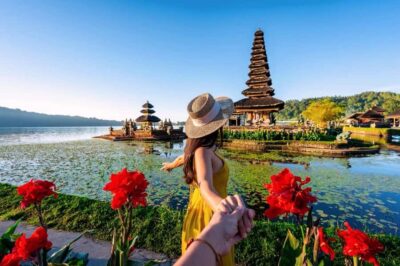
Tanah Lot, Jatiluwih Terrace, & Ulundanu Beratan Tour
Read our review →Monkey Forest, Water Temple, Rice Terrace, Waterfall
Read our review →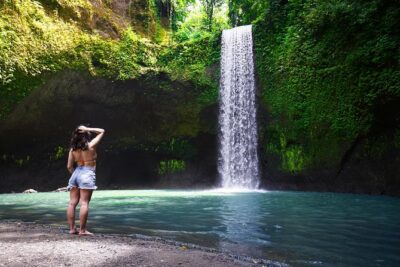
Ubud Top Attractions: Waterfalls, Temples and Rice Terraces
Read our review →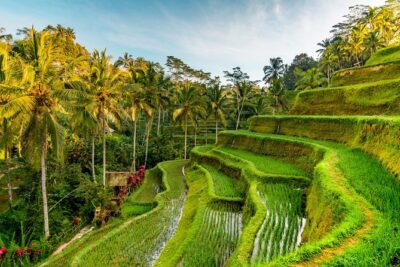
Tanah Lot Tour with Ubud Monkey Forest, Rice Terraces, and Waterfalls
Read our review →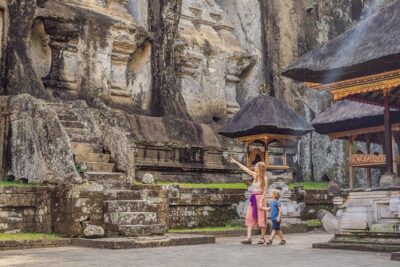
Private Full-Day Tour: Balinese Temples and Rice Terraces
Read our review →Browse the lists this tour appears in