
REVIEW · NIKKO & KAMAKURA DAY TRIPS
Tokyo: Day Trip to Kamakura in Spanish – Spanish
Kamakura gives you a sharp change of pace from Tokyo: old temples, wooded hills, legends, and a small-town shopping street. The 13-meter bronze Buddha at Kotoku-in is the headline sight, but Hase-dera brings more atmosphere, with gardens, stories, and quiet corners to explore.
I like that the tour handles the route in Spanish and keeps the day focused on two important temples rather than trying to cram in every shrine around town. I also like the friendly guide style, with guides such as Camila, Nikita, Ori, Paula, Nerea, and Emi praised for clear explanations and patient help. The main catch is cost: the $86 price does not include about ¥2,300 for public transportation, ¥700 in temple tickets, or food and drinks.
Key points
- A Spanish-language day trip from Tokyo: Meet at Tokyo Station and return there after about eight hours.
- An old tram ride to Hase-dera: The route uses one of Japan’s oldest trams still in operation.
- Kamakura’s huge bronze Buddha: Kotoku-in houses a 13-meter statue weighing 121 tons.
- Free time on the main shopping street: You can eat lunch, browse shops, and enjoy Kamakura’s different rhythm.
- Helpful personal guidance: Guides including Nerea, Nikita, Camila, Ori, Paula, and Emi have been praised for patience, history, and local recommendations.
- Extra costs and walking matter: Transportation, temple entry, meals, and drinks are separate, and the tour is not suitable for wheelchair users or hearing-impaired participants.
Why Kamakura Makes a Good Break from Tokyo
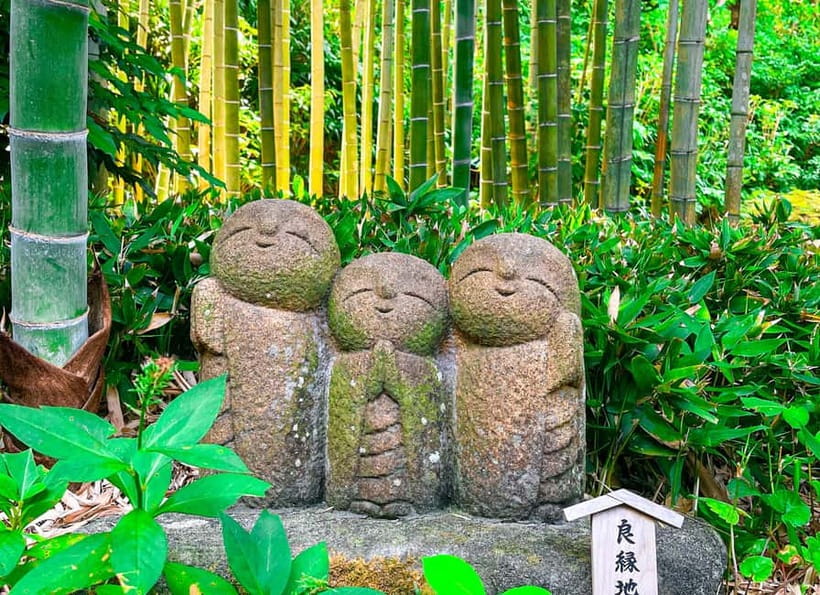
Kamakura was once a major political center, but today it feels far removed from Tokyo’s dense streets and tall buildings. You get temples, greenery, legends, and a more relaxed town center within a day trip from the capital.
This tour works well if you want an introduction without spending your precious Tokyo time planning train changes, temple stops, and local orientation on your own. You meet at the central exit of Tokyo Station, in front of the station facade at Marunouchi Square, then travel by public transportation to Kamakura.
The route is practical rather than exhaustive. You see Hase-dera and Kotoku-in, spend time around the main shopping street, and return to Tokyo. That means you get the essentials, but you should not book this expecting every major Kamakura temple or shrine.
I especially like the Spanish-language format. Religious sites can be much more interesting when someone explains the legends, symbols, and small details as you go. A guide who can answer questions in your language also makes the day easier when you are dealing with tickets, train connections, and a busy sightseeing schedule.
More Nikko and Kamakura Day Trips in Tokyo:
- Nikko: Kegon Falls, Lake Chuzenji & Toshogu Temple
★ 4.6 · 1,577 reviews - Tokyo: Nikko Toshogu Shrine and Kegon Waterfall Tour
★ 4.5 · 1,266 reviews - Tokyo: Mt. Fuji, Kamakura, Big Buddha, & Lake Ashi Day Trip
★ 4.5 · 867 reviews
Starting at Tokyo Station and Riding to Kamakura
The meeting point is easy to identify in principle: the front of Tokyo Station at the Marunouchi Square central exit. You should allow time to find the correct facade and arrive ready to travel, since the group uses public transportation rather than a private coach.
Transportation is not included in the $86 price. The stated transport cost is about ¥2,300, and the tour also uses public transportation during the day. Add ¥700 for temple tickets, then budget separately for lunch, drinks, and shopping.
That extra cost is important when you compare this trip with a self-guided visit. The tour is not the cheapest way to reach Kamakura, but you are paying for an eight-hour Spanish-speaking experience, route assistance, historical explanations, and recommendations for the rest of your Japan trip. If you already feel comfortable navigating Japanese trains and researching the temples yourself, the value may be less convincing.
The day ends back at the same Tokyo Station meeting point. That return arrangement is useful, especially if you have evening plans in the city, though you should leave some flexibility after the tour rather than schedule something with a tight starting time.
Hase-dera and the Old Kamakura Tram
Once you reach Kamakura, you board one of the oldest trams still in operation in Japan. The ride itself gives the excursion a local flavor and breaks up the public transportation portions of the day.
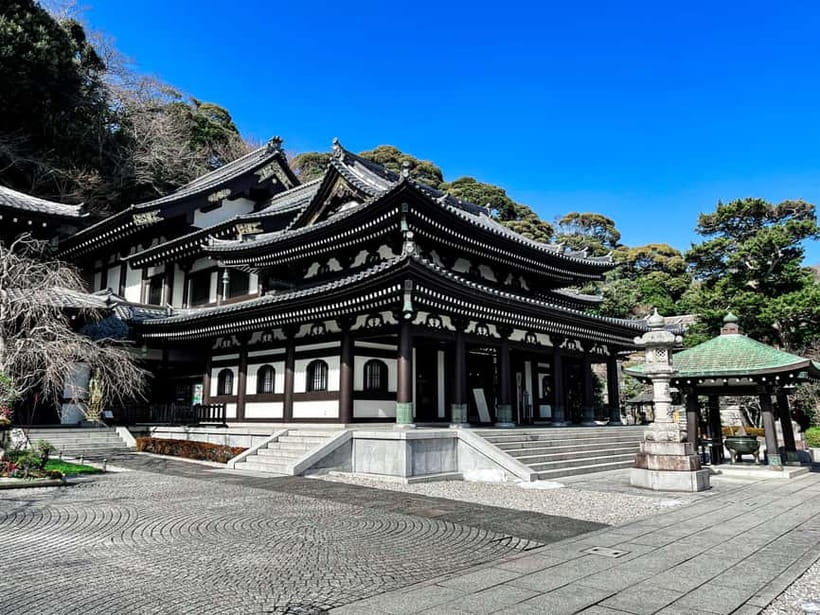
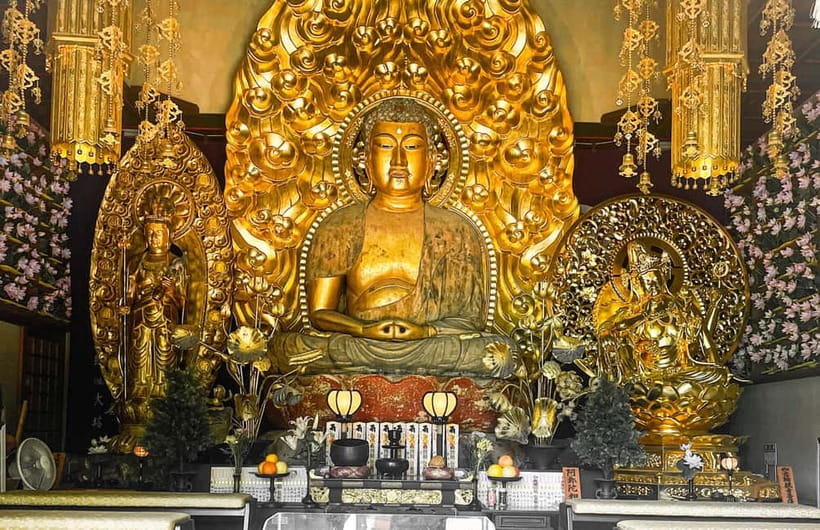
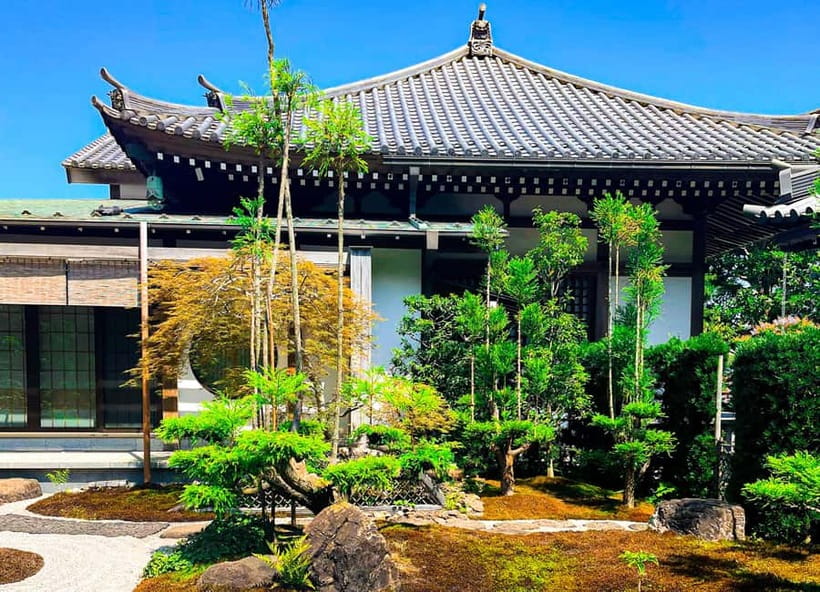
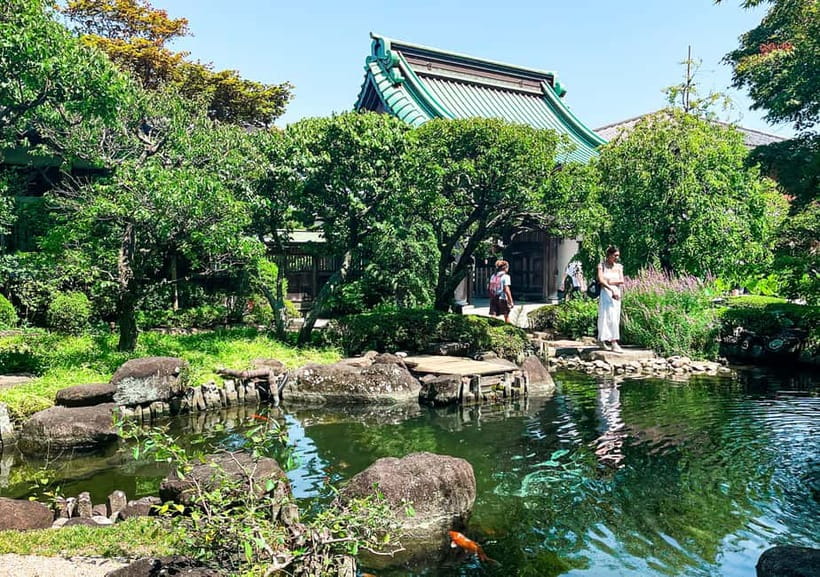
The first major stop is Hase-dera, a temple associated with myths and legends. The appeal here is not only a single famous object. You explore a temple setting where stories, religious traditions, and nature work together, with the guide explaining what you are seeing.
I would pay close attention during this stop, especially if you are new to Japanese Buddhism. A temple can seem quiet and simple at first, but the meaning behind statues, gardens, and legends adds much more to the visit. The guides are expected to make those connections in Spanish, which is one of the strongest reasons to choose this organized trip.
The tour description presents Hase-dera as a place that reveals more the longer you explore it. That is a useful warning against rushing through with a quick photograph. You should expect walking and time spent looking around the temple grounds rather than a brief stop at the entrance.
The exact pace can vary with the group, and the tour is not suitable for wheelchair users. If mobility is a major concern, this is not the right choice. You should also avoid bringing large bags or luggage, since these are not allowed.
Meeting the 121-Ton Buddha at Kotoku-in
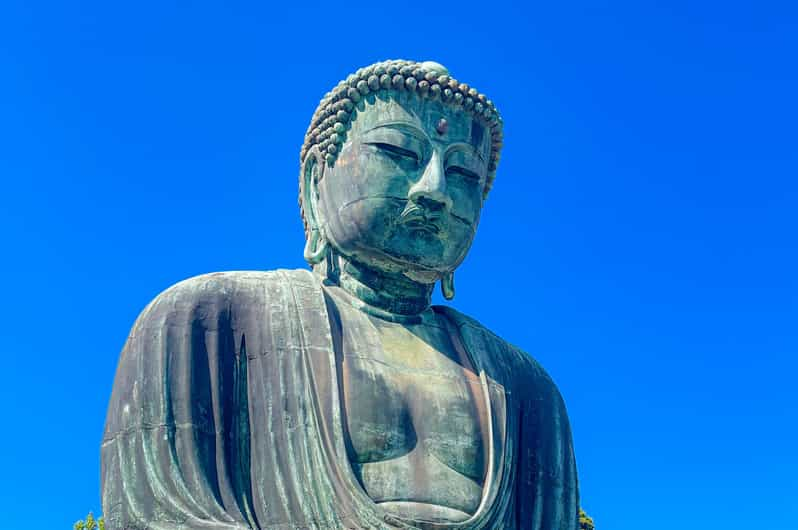
From Hase-dera, the tour continues on foot to Kotoku-in Temple. The main attraction is Kamakura’s enormous bronze Buddha, measuring 13 meters and weighing 121 tons.
Numbers like these can sound abstract until you are standing near the statue. Its scale gives this stop a different feeling from the more intimate temple spaces. You have the chance to see an important religious image at close range and hear the stories connected to it, rather than treating it as just another item on a sightseeing checklist.
The statue is described as the second largest bronze Buddha in Japan. That makes Kotoku-in one of the clearest highlights for first-time visitors to Kamakura. If you enjoy architecture, religious art, or Japanese history, this is likely the most memorable single sight on the route.
The guide’s role matters here. A large statue is easy to photograph, but the historical and spiritual setting gives it meaning. Guides such as Nikita and Ori have been praised for explaining the area in detail and making the tour easy to follow. Paula has also been noted for her knowledge of Japanese history, which is especially useful at a site with such strong historical importance.
Temple tickets are not included, so you pay the ¥700 entrance cost separately. That is not a large addition, but it should be part of your actual budget.
More Day Trips in Tokyo:
- Tokyo Panoramic 1 Day: Meiji Shrine, Asakusa, Odaiba and SKYTREE®
★ 4.5 · 1,222 reviews - From Tokyo: Nikko World Heritage Site Private Full-Day Trip
★ 4.9 · 243 reviews - Tokyo: 1 Day Bus Tour with Meiji-Jingu,Odaiba,lunch&Skytree
★ 4.6 · 156 reviews - Tokyo: Nikko World Heritage Private Day Trip Hotel Pick-up
★ 4.8 · 145 reviews
Lunch and Shopping Along Kamakura’s Main Street
After the temple visits, you move to Kamakura’s main street. It is lined with shops and has a distinct atmosphere that feels different from central Tokyo.
This part of the day gives you a needed change of rhythm. Instead of listening continuously to historical explanations, you have time to eat lunch and browse. You can look for local products, snacks, gifts, or small items that would be difficult to find in a standard Tokyo shopping district.
Lunch is not included, and the information does not specify a particular restaurant or fixed menu. That gives you some freedom, but it also means you should plan to pay for your own meal and drinks. Ask your guide for suggestions if you want help choosing where to eat. One of the tour’s stated benefits is practical advice for continuing your trip, not only information about Kamakura.
I like this balance between guided sightseeing and personal time. A full day of temples can become tiring, while a short shopping stop can feel rushed. Here, the main street serves as a natural pause before the return journey.
Keep your expectations sensible. The shopping street is part of the town experience, not a carefully planned food tour. If you want a specific restaurant, special souvenir, or long meal, you may need to use your free time strategically.
The Spanish Guides Make the Difference
The strongest feature of this experience is the human side of the tour. Several guides receive specific praise for being friendly, patient, and clear.
Nerea is especially noted for adapting to the pace of children in the group and telling the stories of the temples in an engaging way. That makes the tour a stronger option for families, provided the children can manage a full eight-hour day with public transportation and walking.
Nikita is described as pleasant and attentive, helping the group feel comfortable quickly while giving detailed explanations. Ori is praised for making the tour lively and offering useful recommendations. Camila is described as organized and attentive throughout the excursion, with relevant explanations and information.
Paula is noted for her knowledge of Japanese history. Emi is also singled out warmly by name. These comments suggest that the quality of your day depends partly on the guide assigned to your departure, but the experience places real emphasis on personal attention rather than simply leading a group from one site to another.
There has been at least some confusion about language on one departure, when the guide used both Spanish and English after initially saying the tour would be in Spanish. If Spanish commentary is essential for you, confirm the language before setting out and speak up early if you need clarification.
What the Eight-Hour Schedule Means for You
Eight hours is enough time to see the principal stops without turning Kamakura into a rushed photo stop. It is also a long outing, especially because the route uses trains, a tram, and walking.
You should wear comfortable shoes and carry only what you need for the day. Large bags and luggage are not allowed, so this is not a suitable activity for the day you are checking out of a hotel with your suitcases in tow.
The public transportation element is part of the experience, but it requires some flexibility. One positive account describes air-conditioned trains and short waits for transport, but you should still expect normal movement through stations and the need to stay with the group.
Families can enjoy the route if children are comfortable with the length of the day. Nerea’s reported patience with children is encouraging, but the tour does not offer a shortened family version. Solo visitors and couples who want historical context in Spanish may find the format particularly convenient.
The activity is not suitable for wheelchair users or hearing-impaired people according to the stated restrictions. Unaccompanied minors are also not allowed. These are not minor details, so check them before booking.
Is $86 a Fair Price for Kamakura?
The $86 per-person price needs to be read as the fee for guided organization, not the total cost of the day. Add approximately ¥2,300 for transportation and ¥700 for temple tickets, then pay separately for lunch, drinks, and anything you buy on the shopping street.
That makes the tour more expensive than arranging a basic Kamakura visit independently. A confident visitor with a phone, a train pass, and time to research could visit the same broad area without paying for a guide.
The value improves if you want Spanish explanations, help with the route, and a structured day from Tokyo and back. You are also getting context that is hard to reproduce by simply reading signs at Hase-dera or Kotoku-in. The recommendations for the rest of your trip add value if you are still deciding where to eat and what to see in Japan.
The price also buys convenience, but not luxury. This is a public transportation excursion, not a private vehicle tour. You should choose it for guidance and cultural context, not for a door-to-door premium service.
Who Should Book This Kamakura Day Trip?
I would recommend this tour to Spanish-speaking visitors who want a clear introduction to Kamakura and prefer not to manage the route alone. It suits people who enjoy temples, legends, Japanese history, local shopping, and a full day outside Tokyo.
It is also a good choice if you want a guide who can adjust explanations and offer practical travel suggestions. The specific praise for Camila, Nikita, Ori, Paula, Nerea, and Emi points to a warm guiding style that can make the experience feel personal.
I would think twice if you want a slow, private visit or a very broad tour of Kamakura. You may also prefer to go independently if you are comfortable with Japanese public transportation and want to choose your own temples and meal stops.
Book it if Spanish guidance is central to your enjoyment, you can manage a full day of walking and transit, and you are comfortable paying extra for transport and entry tickets. Skip it if you need wheelchair access, plan to carry luggage, or want a private vehicle and a more flexible schedule.
Cancellation is allowed up to 24 hours before departure for a full refund, and you can reserve without paying immediately. The tour receives a 4.9 rating from 22 reviews, but the added costs and transport format remain important parts of the decision.
FAQ
Where does the Kamakura tour start?
It starts in front of Tokyo Station’s facade, at Marunouchi Square near the central exit.
Where does the tour finish?
The activity ends back at the Tokyo Station meeting point.
How long is the excursion?
The excursion lasts eight hours.
Is the tour conducted in Spanish?
Yes. Spanish is the listed language for the excursion.
Is transportation included in the price?
No. Transportation costs about ¥2,300 and public transportation is used during the excursion.
Are temple entrance tickets included?
No. Temple tickets cost ¥700 and are paid separately.
Are food and drinks included?
No. You pay separately for lunch, drinks, and other food.
Can I bring luggage or a large bag?
No. Luggage and large bags are not allowed.
Can I cancel for a full refund?
Yes. You can cancel up to 24 hours in advance for a full refund.
Just added around Tokyo
- Tokyo:Nikko UNESCO World Heritage Sites Private 1-Day Tour★ 3.8 · 6 reviews
- Tokyo: Snow Monkey Park and Zenkoji Temple Private Day Tour★ 4.7 · 127 reviews
- Tokyo War History Tour: Yasukuni Shrine & War Museum★ 4.5 · 6 reviews
- Tokyo: Sensoji Temple & Street Food: Private Tour with guide★ 4.6 · 8 reviews
- Tokyo: Shibuya Sky, Harajuku & Meiji Shrine Highlights Tour★ 4.5 · 9 reviews
- Tokyo: Nikko Private Sightseeing Day Trip with Driver★ 5.0 · 10 reviews
- Tokyo → Nikko:Private Customizable Day Trip (English Driver)★ 4.9 · 26 reviews
- Tokyo’s Kitchen: Tsukiji Market Food & Culture Walk★ 4.7 · 74 reviews
Nikko & Kamakura Day Trips, compared.
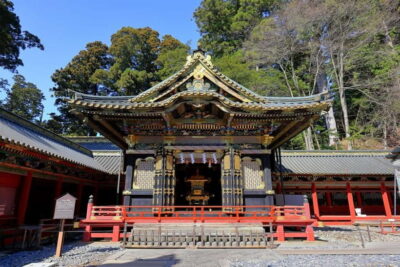
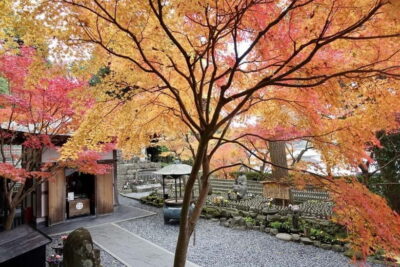
Kamakura & Enoshima Day Trip including Temple Tickets
Read our review →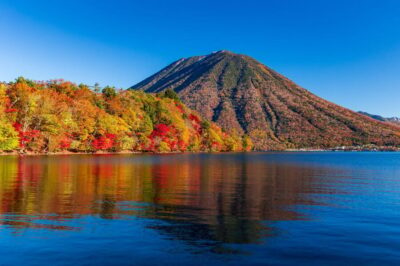
Nikko Toshogu Shrine and Kegon Waterfall Tour
Read our review →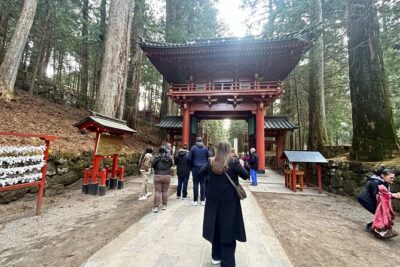
Nikko, Kegon Waterfall & Chuzenji Lake from Tokyo
Read our review →
Mount Fuji, Kamakura, Big Buddha, & Lake Ashi Day Trip
Read our review →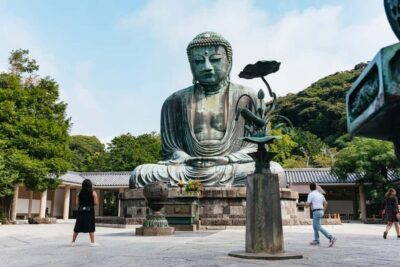
Mt. Fuji, Kamakura, Big Buddha, & Lake Ashi Day Trip
Read our review →
Nikko Full-Day Private Tour with Government-Licensed Guide
Read our review →
Browse the lists this tour appears in