
REVIEW · TEMPLE SUNRISE TOURS
Sunrise at Mt.Sinai and St.Catherine monastery. Entrance included
Mount Sinai at sunrise is the heart of this trip. You leave Sharm el Sheikh at night, climb through darkness beneath a sky full of stars, and reach the 2,285-meter summit in time for first light. It is a powerful setting for anyone drawn to the biblical story of Moses and the Ten Commandments.
I like two things here: entrance fees are included, and the Bedouin guides generally set a manageable pace with rest stops. Guides such as Duna and Magde have been especially praised for helping tired climbers. The drawback is clear: this is a long, cold, exhausting outing, not a casual sightseeing trip.
Key points before you book
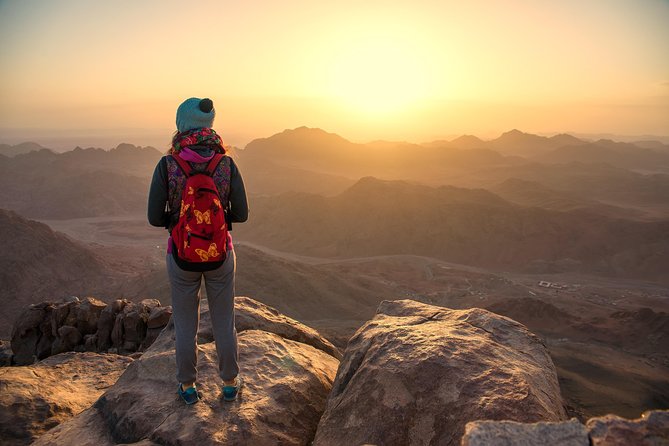
- The climb takes about six hours round trip, with roughly 7 kilometers of uphill walking and about 750 steep stone steps near the summit.
- Sunrise is the reward, with wide views over the dry mountain peaks and a quiet, spiritual atmosphere.
- A camel can carry you part of the way, but camels cannot climb the final steps, so everyone must walk the last section.
- Cold weather is a serious concern, even when Sharm el Sheikh is hot. Bring a jacket, gloves, hat, warm drink, and proper shoes.
- The ride from Sharm el Sheikh takes several hours, with possible police checkpoints and delays along the route.
- The $48 price includes transport, entrance fees, hotel pickup, and drop-off, but food, drinks, blankets, and camel rides cost extra.
Why the Mount Sinai sunrise feels different
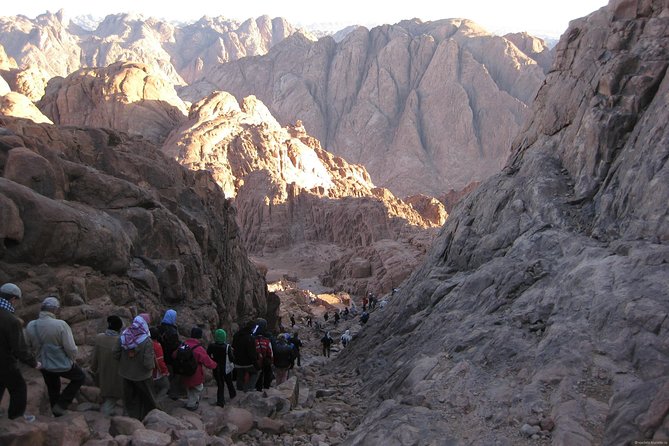
Many Egyptian excursions are about seeing an ancient building or taking a photograph. This one asks more of you. You walk uphill in darkness, often with little sleep, and wait in the cold before the sky slowly changes color.
The setting carries religious meaning for Jews, Christians, and Muslims. Mount Sinai is traditionally identified as the place where Moses received the Ten Commandments. The experience is not only about the view. For people with a personal connection to the biblical story, reaching the summit can feel deeply moving.
Even without that connection, the night climb has its own appeal. The stars, the silence, and the rhythm of walking by torchlight give the trip a quality you will not get from a normal daytime mountain visit.
Still, keep your expectations grounded. This is not a polished luxury excursion. The route is steep and rocky, the summit can be crowded, and the facilities are basic. You are paying for access to a remarkable place and for the convenience of organized transport, not for comfort.
More Temple Sunrise Tours in Egypt:
- From Sharm: Mount Moses Trekking, Sunrise & Monastery Visit
★ 4.2 · 698 reviews - Angkor Wat Sunrise or Sunset Tour with Guide from Siem Reap
★ 5.0 · 12,109 reviews - Siem Reap: Angkor Wat: Small-Group Sunrise or Sunset Tour
★ 5.0 · 9,444 reviews
The overnight ride from Sharm el Sheikh
Pickup is scheduled around 8 pm, though the exact time may fall between roughly 7:30 and 9 pm depending on your hotel and the day’s arrangements. The vehicle is air-conditioned, but the minibus may feel tight, especially if you are tall or broad-shouldered.
The group size can reach 18 people. A Toyota Hiace or similar minibus is commonly used, and there is no luggage space. Bring only what you need for the mountain in a small day bag. Airport, Royssat bus station, and Dahab pickup can be arranged for an extra charge, but these locations are not part of the standard hotel service.
The drive to the mountain base takes about three to four hours. Police checkpoints and convoy travel can add delays. Several buses may head toward the site at the same time, sometimes with police vehicles accompanying the convoy.
This timing matters. You are not simply booking a sunrise walk. You are giving up the night, spending hours in a minibus, climbing before dawn, visiting a monastery, and returning to Sharm el Sheikh in the afternoon. The full outing lasts about 16 to 18 hours.
I recommend sleeping as much as possible before pickup and avoiding a packed schedule for the following evening. The descent can be hard on your knees, and the lack of sleep catches up with you after lunch.
The night climb to 2,285 meters
The hike begins at the mountain base, often around 1 or 2 am, although the exact time changes with the season and the expected sunrise. A Bedouin guide accompanies the group uphill.
The route is about 7 kilometers and rises more than 1,000 meters in elevation. Much of the climb follows a steady uphill path, with rest points along the way. Vendors may sell hot drinks and snacks, but prices are aimed at visitors, not local residents. Bring your own water, snacks, and a hot drink in a thermos.
The guide normally stops to keep the group together. This is important because people arrive with very different fitness levels. Some climb steadily, while others need several breaks. The most praised guides, including Duna and Magde, have been described as patient and attentive when people struggle.
Do not confuse the word moderate in the booking information with easy. The climb requires good stamina, balance, and the ability to walk on uneven ground for hours. One section is especially difficult: the final 750 or so stone steps to the summit.
These steps are steep, narrow, and irregular. They can feel much harder after several hours of uphill walking. Good hiking shoes are useful, particularly if there is ice or snow. Trainers may be adequate in dry conditions, but they offer less protection on slippery stone.
A camel ride is available for an additional charge. This can save energy during part of the ascent and may be a sensible choice if you are unsure about your stamina. But it does not remove the hardest part. Camels cannot climb the final steps, so you must dismount and walk to the summit.
Camel rides may also be useful on the way down, though the final section still has to be walked. Do not treat the camel as a full substitute for fitness.
The cold at the summit
The most common mistake is packing for Sharm el Sheikh instead of Mount Sinai. At the coast, you may be comfortable in light clothing. At the summit before sunrise, you can be very cold.
Take a proper jacket, warm layers, gloves, a hat, and thick socks. A blanket can usually be rented or bought near the mountain, and ponchos may also be available. Some people have paid around 100 Egyptian pounds for a blanket, while camel rides have been reported at about $20, but prices can change.
A thermos with tea, coffee, or another hot drink is worth the space in your bag. Add snacks because food is not included. You may find small stalls along the route, but you should not depend on them.
Weather can change sharply. Snow and ice have occasionally made the steps dangerous, particularly on the descent. Check the forecast if you can, and choose shoes with a good grip. A headlamp or torch is also useful. The operator advises bringing one, and arriving without a light can make the dark sections less comfortable.
There are limited toilet facilities. One basic outhouse is located around the middle of the route, but you should use the bathroom before the climb begins.
A few more temple visits around Egypt worth a look
- From Aswan: Abu Simbel Temple Day Trip with Hotel Pickup
★ 4.4 · 2,807 reviews - Luxor Day Tour: Valley of Kings & Queens & Hatchepsut Temples
★ 5.0 · 1,496 reviews - Luxor: Valley of the Kings and Hatshepsut Temple Day Tour
★ 4.4 · 1,404 reviews - Luxor: Valley of Kings, Hatchepsut Temple ,Karnak & Luxor-DayTour
★ 5.0 · 735 reviews
Sunrise from the summit
The group aims to reach the top around 5 am, depending on the season and walking speed. Once you arrive, you can find a place among the rocks and wait for the sun.
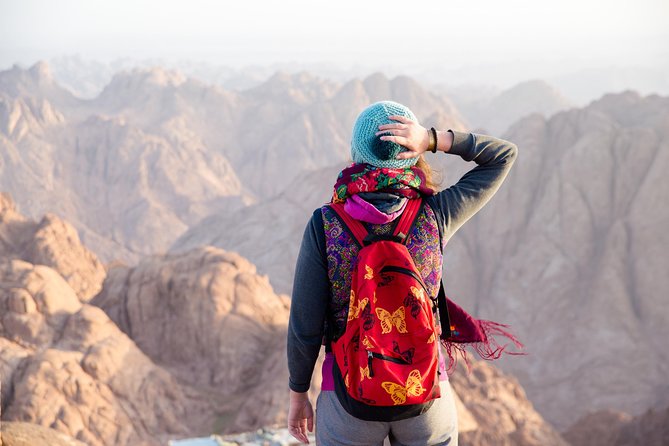
The view is stark and beautiful. Dry mountain ridges spread out in every direction, and the changing light gradually reveals their shapes. The stars are often as memorable as the sunrise itself. At the top, you may feel tired, cold, and crowded, but the sense of having reached the summit gives the moment real force.
Bring your phone or camera, but protect batteries from the cold. There is no guarantee of a cloudless view, and sunrise conditions depend on the weather. Even a hazy morning can be atmospheric, but you should not assume every departure will produce a perfect orange sky.
Take care near the edge and on the steps. Fatigue affects balance, and the descent can be more tiring than the climb. The guide may give the group some freedom on the way down, but you remain responsible for moving carefully.
St. Catherine’s Monastery after the hike
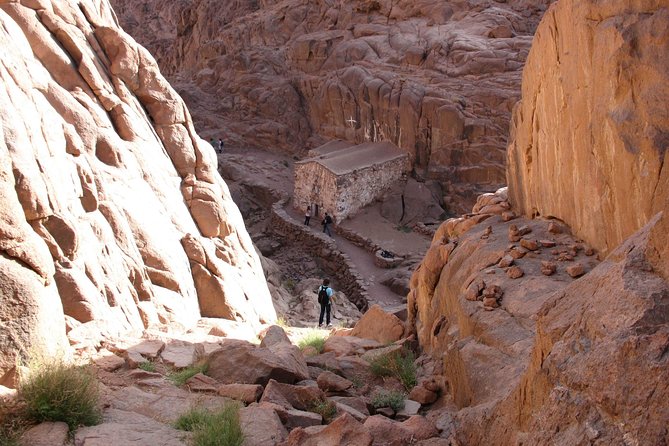
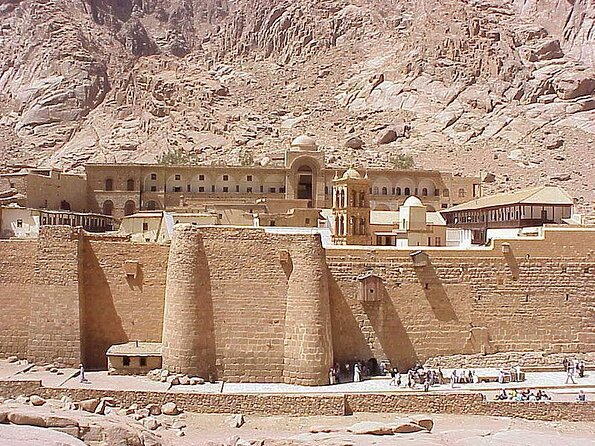
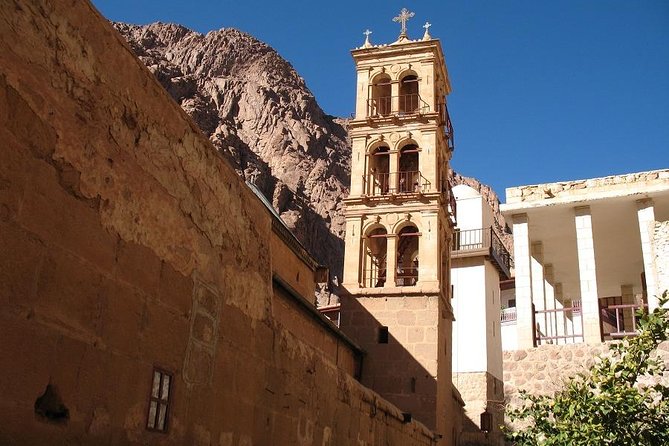
After descending to the base, the group visits St. Catherine’s Monastery. The formal visit lasts about 40 minutes, though the amount of time inside can vary.
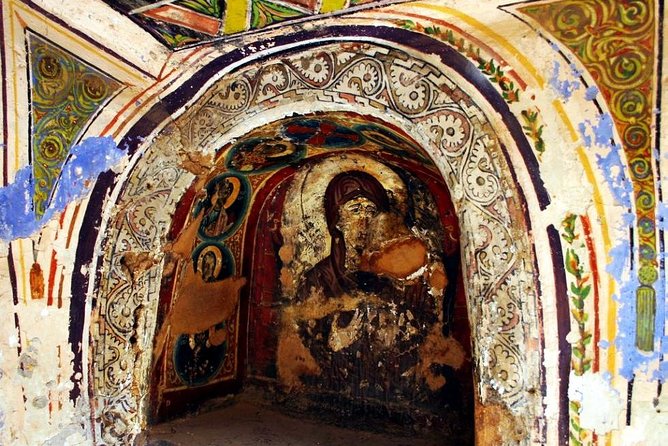
The monastery is at the foot of Mount Sinai and is closely tied to the religious meaning of the area. It is best understood as a place of worship and pilgrimage, not simply another monument to tick off after the sunrise.
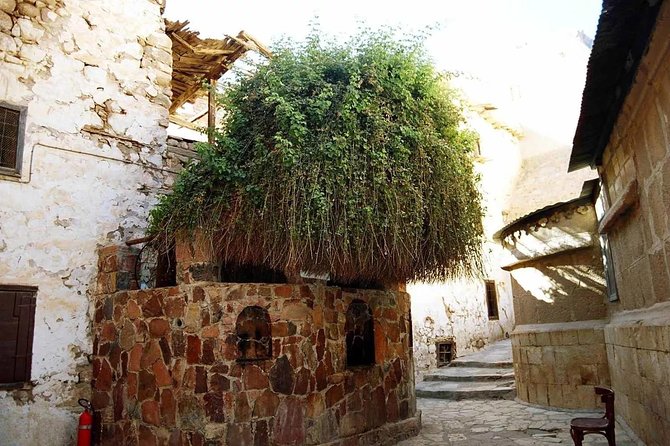
The visit may include the Burning Bush, an important site in the Moses story. Access can depend on opening arrangements and local conditions. On at least some departures, the monastery has been closed, so do not count on a full visit every time.
The main drawback is timing. By the time you arrive, you may have already spent about six hours climbing and descending, with no proper sleep. Forty minutes at the monastery can feel too short, especially if you want to absorb the setting rather than hurry through it.
Still, including the monastery gives the day a useful second chapter. Mount Sinai provides the physical and scenic experience. St. Catherine’s adds the historical and religious context.
What the $48 price really includes
At $48 per person, this is a strong value if you want the complete outing from Sharm el Sheikh. The price includes:
- Air-conditioned transport
- Hotel pickup and drop-off
- Entrance fees
- A Bedouin guide during the climb
- The Mount Sinai and St. Catherine’s portions of the trip
You still pay for food, drinks, blankets, and camel rides. Breakfast is not included, and you should not assume the guide will arrange it without an extra charge. Bring your own breakfast or confirm any restaurant stop and price before ordering.
The included entrance fees are useful because some similar booking options require cash payments during the day. Having the main fees covered makes budgeting easier.
The value depends on your tolerance for basic conditions. If you want a private vehicle, extra space, a flexible schedule, or a longer monastery visit, a private trip may suit you better. If you mainly want safe transport, a guide, and the chance to reach the summit without arranging every detail yourself, the shared tour makes sense.
Communication, group size, and comfort
The operator generally contacts people after booking with advice about clothing and supplies. That communication is useful, particularly for first-time visitors who may not understand how cold and demanding the mountain can be.
Pickup details require care. Give a clear hotel name and exact meeting point, especially at large compounds with multiple gates. One failed pickup was linked to confusion between two entrances, so do not wait outside an uncertain location without confirming it.
The group limit is 18 people. That keeps the tour smaller than a large coach excursion, but it does not guarantee spacious transport. If you are tall, heavy-set, or uncomfortable in a compact minibus, ask about a private option before booking.
The guides are one of the strongest parts of the experience. Duna has been praised for caring for the whole group, while Magde helped a tired climber over the final steps and down much of the mountain. These details matter because the climb is not just a scenic walk. A calm guide can make the difference between reaching the summit and turning back.
The service is not perfect. Communication about breakfast, torches, and the detailed schedule has sometimes been unclear. You will have a better day if you arrive prepared rather than expecting the guide to supply every small item.
Who should book this Mount Sinai trip?
I would recommend it to you if you:
- Have a genuine interest in the religious importance of Mount Sinai
- Enjoy demanding outdoor experiences
- Can walk uphill for several hours
- Are comfortable sleeping little for one night
- Want sunrise views without arranging transport independently
- Prefer a lower-cost shared tour
I would think twice if you have knee, balance, heart, or mobility problems. The physical requirement is substantial, and the steep final steps are not optional if you want the summit.
This is also a poor match if you dislike cold, cramped vehicles, basic toilets, or long waits. The scenery is memorable, but the journey is tiring and the facilities are simple.
Free cancellation is available up to 24 hours before the scheduled start. If poor weather or an insufficient number of bookings cancels the trip, you can choose another date or receive a full refund.
Should you book it?
Book this Mount Sinai sunrise tour if the summit itself matters more to you than comfort. The sunrise, stars, spiritual setting, and included entrance fees make $48 good value, and the caring Bedouin guides can be a real help.
Skip it if you want a relaxed day trip. This is a serious overnight outing with a long drive, a steep climb, cold conditions, and a rushed monastery visit. Pack like a hiker, bring your own food and warm drink, and be honest about your fitness. Prepared properly, you can have a remarkable morning. Unprepared, you may spend more time thinking about your knees than Moses.
FAQ
How long does the Mount Sinai and monastery tour last?
The full experience lasts approximately 16 to 18 hours. Pickup from Sharm el Sheikh is usually around 8 pm, and return is expected around 2 pm the following day.
What is included in the tour price?
The price includes an air-conditioned vehicle, hotel pickup and drop-off, entrance fees, and a Bedouin guide during the mountain climb.
How difficult is the Mount Sinai climb?
The climb requires a moderate level of physical fitness, but it is demanding. The route is about 7 kilometers, and the final section includes roughly 750 steep steps to the summit.
Can I rent a camel for the climb?
Yes. Camel rides are available for an extra charge. A camel can take you part of the way, but you must walk the final steps because camels cannot climb them.
What should I bring?
Bring a warm jacket, gloves, a hat, strong walking shoes, water, snacks, and a hot drink in a thermos. A torch is useful, and you may want money for a blanket, drinks, snacks, or a camel ride.
Is St. Catherine’s Monastery always open during the visit?
The itinerary includes a visit lasting about 40 minutes, but access can depend on local conditions. The monastery has been closed on some departures, so a full visit cannot be guaranteed.
Just added around Egypt
- St Simon Monastery ,Cave Church , Garbage City and Coptic Cairo Private day tour★ 5.0 · 29 reviews
- Monastery St Simon with Cave Church and Garbage City Private Tour★ 5.0 · 15 reviews
- Tour to Giza Pyramids, Sphinx, Valley Temple, Camel Ride & Lunch★ 5.0 · 7 reviews
- Overnight Trip to Saint Catherine Monastery from Cairo★ 4.0 · 14 reviews
- Private Full-Day Red Sea Monasteries Tour from Cairo★ 5.0 · 17 reviews
- Overnight Tour Moses Mountain St. Catherine Monastery from Cairo★ 5.0 · 21 reviews
- Private Guided Tour to Giza Pyramids, Valley Temple and Sphinx★ 5.0 · 10 reviews
- Shared Tour To Abu Simbel Temple From Aswan★ 5.0 · 7 reviews
Temple Sunrise Tours, compared.
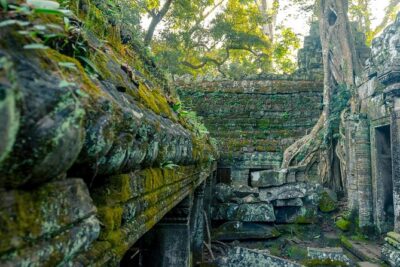
Angkor Wat Sunrise or Sunset Tour with Guide from Siem Reap
Read our review →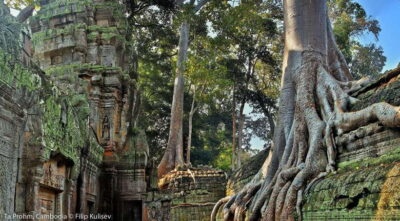
Angkor Wat: Small-Group Sunrise or Sunset Tour
Read our review →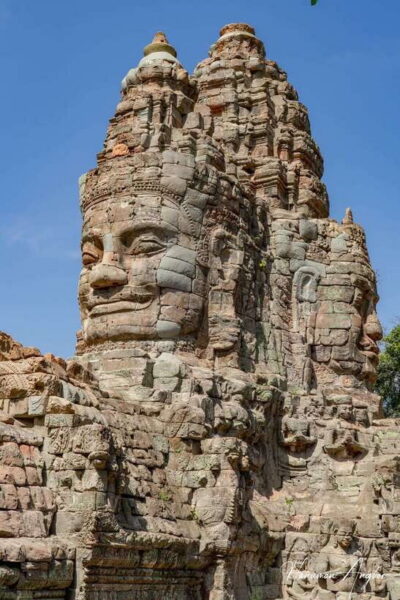
Angkor Wat 2-Day Tour with Sunrise and Sunset
Read our review →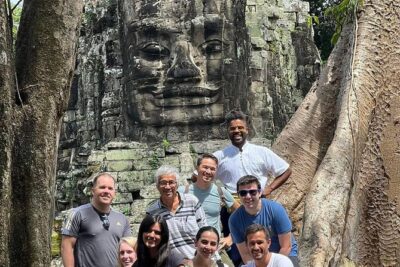
Angkor Wat Sunrise tour with Small – Group and Guide tours
Read our review →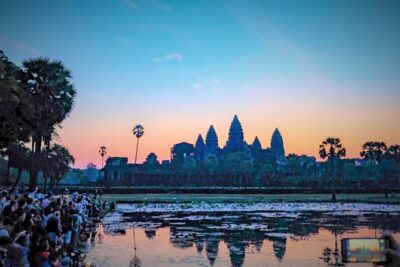
Angkor Wat Highlights and Sunrise Guided Tour from Siem Reap
Read our review →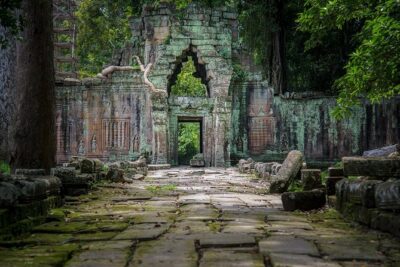
Full-Day Angkor Wat Sunrise Private Tour with Guide from Siem Reap
Read our review →
Angkor Wat Sunrise & 3 Main Temples with Breakfast – Small Group
Read our review →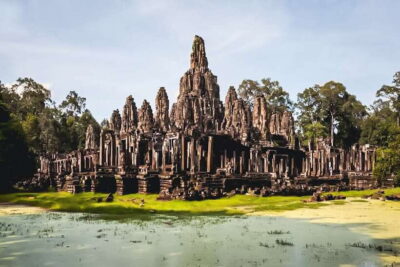
Angkor Wat Sunrise and Full-Day Sightseeing Tour
Read our review →Browse the lists this tour appears in