
REVIEW · ANGKOR WAT TOURS
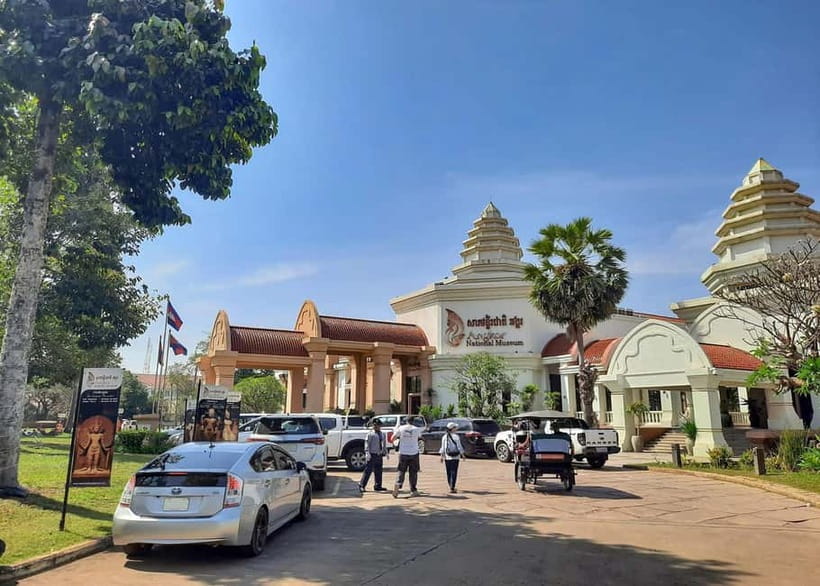
Siem Reap: Angkor National Museum Admission Ticket
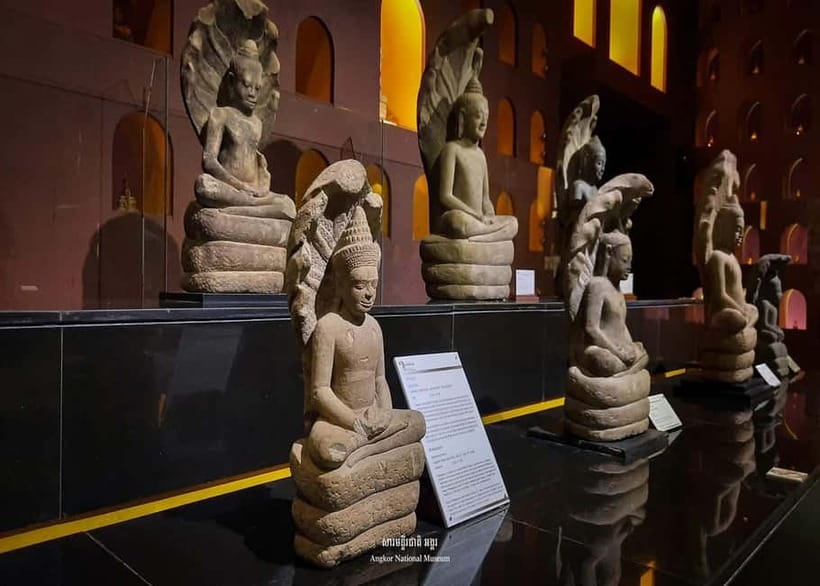
The Angkor National Museum gives you the missing chapter between Cambodia’s temple ruins and the people who built them. Inside, eight galleries trace Khmer art, religion, and culture through statues, inscriptions, and objects excavated from Angkor’s archaeological sites.
I like the freedom to spend an hour and a half or more than three hours here, depending on your interest. I also like the one-day ticket and skip-the-ticket-line access, though you must arrange your own ride and wait for the digital ticket to arrive by WhatsApp, Telegram, or Viber.
The main drawback is that the $15 admission covers the museum only. There is no guide or audio guide included, and the audio device costs an additional $5 if you want more explanation.
Key Points To Know Before You Go
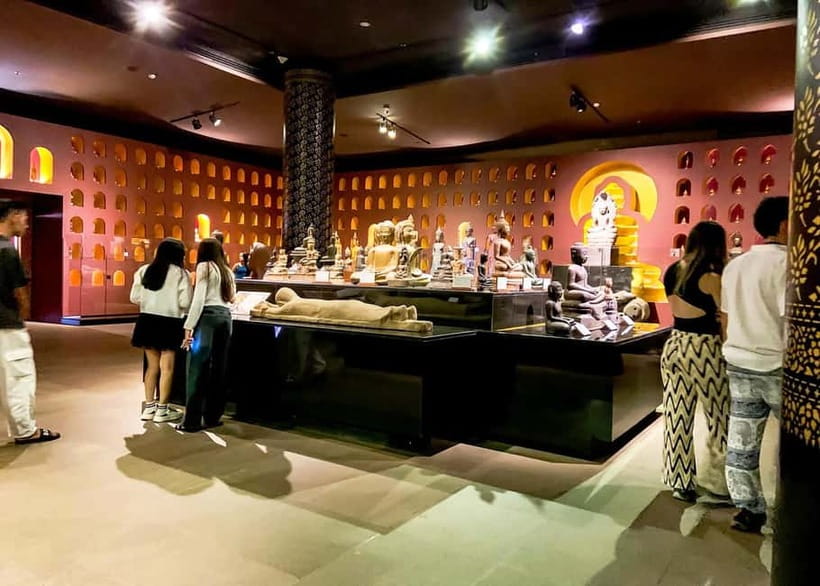
- More than 1,000 Buddha statues: The museum gives you a concentrated look at Khmer Buddhist art in one place.
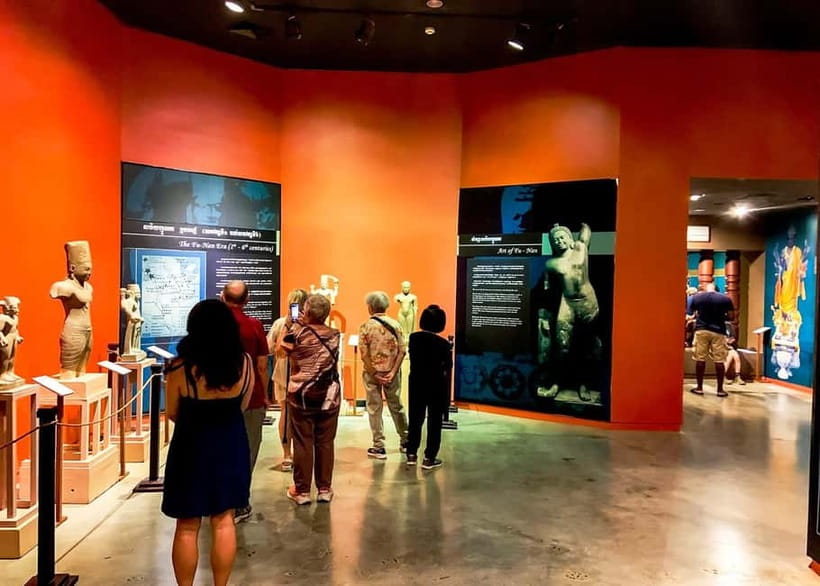
- Eight focused galleries: Displays cover the development of Khmer art, culture, and religion rather than showing disconnected relics.
- Useful before or after Angkor: Visit before the temples for context, or afterward to better understand what you saw.
- Plan for 1.5 to 3 hours: A quick visit is possible, but careful reading and an audio guide can extend your stay.
- $15 buys admission only: Transport, food, a guide, and the optional $5 audio guide are separate.
- Digital delivery matters: Provide a working WhatsApp, Telegram, or Viber number, since the ticket may not arrive immediately.
Why the Museum Helps You Read Angkor
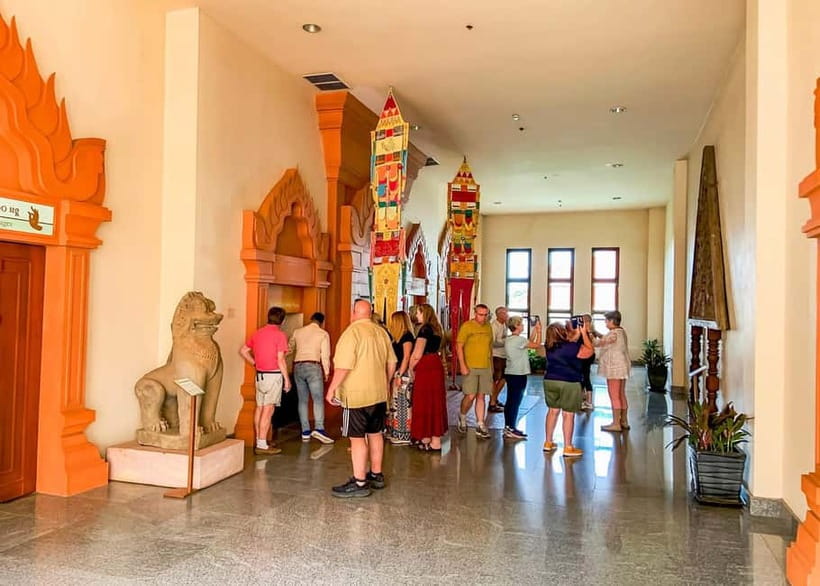
Angkor Wat and the surrounding temples are powerful places, but stone alone cannot explain an entire civilization. You can admire a carved face or a line of Sanskrit, yet still wonder who made it, what it meant, and how religious ideas changed over time.
The Angkor National Museum helps answer those questions. Its displays follow the development of Khmer art, culture, and religion, giving you a clearer frame for the monuments outside Siem Reap. I find that useful because temple visits can otherwise become a long sequence of impressive towers and carvings without much connection between them.
The museum focuses on objects found at Angkor’s archaeological sites. That gives the collection a direct link to the temples you may visit during your stay, rather than presenting Cambodian history as a separate subject in a distant gallery.
You can use the museum in two ways. Visit before the temples, and you will have a better idea of what to look for in carvings and religious images. Visit afterward, and the statues and inscriptions can help fill in details you missed among the ruins.
More Angkor Wat Tours in Siem Reap:
- Angkor Wat Sunrise or Sunset Tour with Guide from Siem Reap
★ 5.0 · 12,109 reviews - Siem Reap: Angkor Wat: Small-Group Sunrise or Sunset Tour
★ 5.0 · 9,444 reviews - Siem Reap: Angkor Wat 2-Day Tour with Sunrise and Sunset
★ 4.9 · 4,429 reviews
Entering the Eight Galleries
Your ticket gives you access for one day, so you are not tied to a fixed tour schedule. That matters in Siem Reap, where temple visits often begin early and leave you ready for a slower indoor activity later.
The eight galleries are arranged around the evolution of Khmer art, culture, and religion. The exact amount of time you spend in each room depends on how closely you read the displays, but the layout gives you a useful order to follow.
Start at the beginning and move through the galleries in sequence if you want the clearest historical progression. The numbered order also works well with the audio device, which can be rented separately for $5. One visitor took more than three hours using the guide, while another found 1.5 to 2 hours enough for a solid visit.
That range tells you something important: this is not only a quick stop for people who want to cool off between activities. You can make it a short introduction, but the displays reward patience.
Buddha Statues and Religious Art
The largest visual draw is the collection of more than 1,000 Buddha statues. Seeing so many images together lets you compare styles, poses, and expressions in a way that is difficult during temple visits, where each statue is separated by walls, courtyards, or distance.
The collection also helps you notice how religious art carries meaning through form. You can spend time looking closely at the statues rather than trying to keep up with a group. That freedom is one of the best reasons to choose an admission ticket instead of a tightly scheduled guided visit.
You should not expect every object to tell its story without help. The wall panels provide much of the explanation, and they are especially useful for visitors who do not rent the audio guide. Take your time with them. One visitor found the information boards essential for connecting the statuary to the larger story.
The museum’s religious displays are valuable even if you are not an art specialist. You do not need technical knowledge to compare the figures or see how carefully the pieces have been preserved and presented.
Inscriptions and Excavated Artifacts
The ancient inscriptions add another layer. Statues show you the visual language of Khmer religion, while inscriptions offer written evidence tied to the people, beliefs, and institutions of the period.
You will also see artifacts excavated from Angkor’s archaeological sites. These objects can make the temple complex feel less like a collection of monuments and more like a place where people worshipped, worked, governed, and lived.
This is where the museum works best as a partner to your temple visits. At Angkor, you see architecture on a huge scale. At the museum, you can focus on smaller objects and details that are easy to miss outdoors.
I would not rush this section. If your main aim is simply to see the famous Buddha collection, you can move through faster. If you want to understand the civilization behind Angkor Wat, the inscriptions and explanatory panels deserve real time.
More Museum Visits in Siem Reap:
- Angkor National Museum Ticket with Tuk-Tuk Pick-Up
★ 5.0 · 6 reviews - Montserrat Museum and Monastery Entry Ticket
★ 4.5 · 1,740 reviews - Lisbon: Belem, Jeronimos Monastery, and Coach Museum Tour
★ 4.8 · 478 reviews - From Sofia: Rila Monastery and Optional Museum, Cave or Spa
★ 4.6 · 270 reviews
Before or After Your Temple Visit?
The museum works well at either end of your Siem Reap schedule.
Visit Before Angkor
A pre-temple visit gives you a useful introduction to Khmer art, culture, and religion. You can then arrive at Angkor Wat and the other archaeological sites with some reference points already in mind.
This approach suits you if you like context before seeing major monuments. The museum may also help you avoid treating every carved figure as simply decorative. You will have a better sense of how religious images and inscriptions fit into Khmer culture.
The possible downside is that the museum cannot replace seeing the temples themselves. It prepares you for Angkor, but it does not provide the scale, open-air setting, or architectural experience of the ruins.
Visit After Angkor
A post-temple visit can be even more rewarding if you already have images in your head from the archaeological sites. The objects and explanations may help you make sense of details you noticed but did not understand.
This timing also suits you if you prefer to see a place first and learn the background afterward. The museum becomes a way to organize your impressions rather than an introduction.
One French visitor spent 1.5 to 2 hours after visiting the temples and found the museum useful for building on that experience. That is a sensible plan if your temple schedule is already full.
How Long Should You Allow?
Give yourself at least 1.5 hours if you want to see the main galleries without rushing. That is enough for a focused visit, especially if you read selected panels and concentrate on the Buddha statues.
Allow two to three hours if you plan to read carefully or rent the audio guide. One Japanese visitor spent more than three hours moving through the galleries with the guiding device and found the extra explanation worthwhile.
You can choose your own pace because this is an admission ticket, not a guided group tour. Stop when something interests you, skip a panel that does not, and return to a display that deserves another look.
Comfortable shoes are still a good idea, even though this is an indoor museum visit. Comfortable clothing is also recommended. Bring a camera if you want to record details, and carry cash for possible on-site purchases such as the optional audio guide.
What the $15 Price Really Covers
At $15 per person, the ticket is reasonable if you want more than a quick look at a few objects. The museum brings more than 1,000 Buddha statues, inscriptions, and excavated artifacts together in one place, which saves you from trying to interpret scattered pieces during temple visits.
The value is strongest for three types of visitors:
- You want historical context before seeing Angkor.
- You have already visited the temples and want clearer explanations.
- You enjoy museums and are happy to spend two or more hours reading and comparing objects.
The value is weaker if you are only looking for a short indoor break. Since transport and any audio guide cost extra, the total price rises if you need a ride and want added commentary.
The audio guide costs $5 according to the available visitor information. That is worth considering if you prefer spoken explanations or want to follow the galleries in numbered order. If you are comfortable reading the wall panels, you may decide the basic admission is enough.
Getting There and Receiving Your Ticket
You are responsible for arranging your own transportation to the museum. The ticket does not include pickup or drop-off, so factor in the cost and time of reaching the museum from your accommodation.
The digital ticket is sent after booking, and it may not arrive immediately. You must provide a phone number that can receive messages through WhatsApp, Telegram, or Viber. The operator may contact you to reconfirm the booking.
Do not leave this until the last minute if you are already on the way. One visitor contacted the operator while heading directly to the museum and received the ticket a few minutes later, but that is not a good reason to assume delivery will always be instant.
The skip-the-ticket-line feature can save time at the entrance, but it does not remove the need to have your ticket ready. Keep your phone charged and check your messages before setting out.
Is This Comfortable for Different Visitors?
The museum is wheelchair accessible, making it a practical option for people who need step-free access. The experience is available for private or small groups, although the ticket itself does not include a guide.
That distinction matters. A small group option does not automatically mean someone will lead you through the displays. Confirm what kind of booking you are choosing if personal guidance is important to you.
You should also know what is not allowed. Pets, alcohol, and drugs are prohibited. Food and beverages are not included, so plan your refreshments separately rather than expecting them as part of the admission.
The museum suits solo visitors, couples, families interested in history, and small private groups. It is particularly useful for anyone who wants control over the pace. It is less suitable if you want a fully narrated tour with transportation and a guide included.
Booking Flexibility and Practical Timing
You can cancel up to 24 hours before the visit for a full refund. The reserve-now-and-pay-later option lets you hold your place without paying immediately, which helps if your Siem Reap schedule may change.
The ticket is valid for one day, with starting times subject to availability. Check the available time before booking, especially if you are fitting the museum around an early temple visit or other planned activities.
Since you can spend anywhere from about 1.5 hours to more than three hours inside, avoid placing it between two commitments that leave no room for delay. The museum is easier to enjoy when you are not watching the clock.
Who Should Book This Museum Ticket?
I would recommend it to you if Angkor’s temples have made you curious about Khmer religion, sculpture, and inscriptions. It is also a good choice if you want a calm, self-paced cultural stop rather than another fixed excursion.
You will get the most from it if you read the wall panels, consider the optional audio guide, and give yourself at least two hours. The collection is not just a quick photo stop. Its value comes from comparing objects and linking them to the archaeological sites around Siem Reap.
You may want to skip it if your schedule is extremely tight, you dislike museums, or you need transport and a guide included in one price. In that case, the $15 admission is only part of your total cost and may not fit your priorities.
For most visitors with an interest in Angkor, I think the ticket is a worthwhile addition. Go before the temples if you want a primer. Go afterward if you want the ruins to make more sense. Either way, bring patience, a working messaging number, and enough time to let the displays speak.
FAQ
How much does admission to the Angkor National Museum cost?
Admission costs $15 per person. Transport, food, beverages, a guide, and the optional audio guide are not included.
How long is the ticket valid?
The ticket is valid for one day. Check availability for the starting times offered when you book.
Is an audio guide included?
No. An audio guide is not included with admission. The available information states that it costs an additional $5.
Do I need to arrange my own transportation?
Yes. You are responsible for getting to the museum because pickup and drop-off service are not included.
How do I receive my ticket?
You must provide a phone number that can receive WhatsApp, Telegram, or Viber messages. The operator sends the ticket after booking and may contact you to reconfirm the visit.
Can I cancel the booking?
Yes. You can cancel up to 24 hours in advance for a full refund.
Is the museum wheelchair accessible?
Yes. The Angkor National Museum is wheelchair accessible.
Are guides included with the ticket?
No. The admission ticket does not include a tour guide. Private or small-group options are available, but you should check the exact booking details if you want personal guidance.
Just added around Siem Reap
- Ticket for Angkor Balloon Ride.★ 3.7 · 46 reviews
- Sunrise at Angkor Wat Temple: 3-Hour Private Tour★ 4.7 · 30 reviews
- Small-Group Full Day Angkor wat Guide tour with Sun set★ 5.0 · 136 reviews
- Siem Reap: Private 4-Day Angkor Wat and Phnom Kulen Tour★ 5.0 · 9 reviews
- Angkor Wat: Sunrise 2.5 Days Temples & Tonle Sap-Small Group★ 5.0 · 10 reviews
- Siem Reap : Private Tuk-Tuk Tour of the Magnificent Temples.★ 4.9 · 14 reviews
- Siem Reap: Ultimate Angkor Wat Offbeat Experience by Jeep★ 4.9 · 8 reviews
- Siem Reap: Personalized Angkor Wat Sunrise/Set by TukTuk/Car★ 4.9 · 41 reviews
Angkor Wat Tours, compared.

Angkor Wat Sunrise or Sunset Tour with Guide from Siem Reap
Read our review →
Angkor Wat: Small-Group Sunrise or Sunset Tour
Read our review →
Angkor Wat 2-Day Tour with Sunrise and Sunset
Read our review →

Angkor Wat Sunrise tour with Small – Group and Guide tours
Read our review →
Angkor Wat Highlights and Sunrise Guided Tour from Siem Reap
Read our review →
Angkor Wat Sunset Small Group Tour with Lunch Included
Read our review →
Full-Day Angkor Wat Sunrise Private Tour with Guide from Siem Reap
Read our review →Browse the lists this tour appears in