
REVIEW · ANGKOR WAT TOURS
Siem Reap: Angkor Full-Day Group Tour with Japanese Guide
Angkor is best understood one temple at a time, and this tour gives you a Japanese-speaking guide to explain the carvings, kings, gods, and odd little details that are easy to miss alone. I especially like the flexible pacing and the chance to request photo stops or changes to the order of the temples. Guides such as Chun and Bun are praised for clear explanations, gentle humor, and taking good photos.
The one-day route covers the essential three: Bayon, Ta Prohm, and Angkor Wat, with the grand terraces and gates of Angkor Thom in between. The two-day version adds Banteay Srei and Beng Mealea, but you need to budget separately for the park pass, lunch, and an early start. The sunrise option is memorable, though a 4:30 to 5:00 AM pickup is a serious test of your alarm clock.
Key points to know before booking
- Japanese-speaking guides Chun and Bun: Expect clear cultural explanations, light humor, and help with photographs.
- One day covers the Angkor essentials: Bayon, Angkor Thom, Ta Prohm, and Angkor Wat receive the most attention.
- Sunrise changes the day: Pickup begins around 4:30 to 5:00 AM, with the tour ending around noon.
- Two days reaches farther: Banteay Srei, Beng Mealea, Pre Rup, and Bakong add quieter and more varied temple experiences.
- Transport depends on party size: One or two people generally ride in a tuk-tuk, while larger groups use an air-conditioned van or bus.
- The $50 price is not all-inclusive: Add the Angkor pass, priced at $37 for one day or $62 for two or three days, plus lunch.
Why this Japanese-guided Angkor tour works well
I like this tour because it gives you a framework for a very large archaeological park. Angkor is not one building with a neat entrance and exit. It is a huge collection of temples spread around Siem Reap, and the difference between simply seeing stones and understanding them often comes down to the guide.
A Japanese-speaking guide is especially useful if you want more than a quick explanation of dates and names. Guides such as Chun have been praised for fluent Japanese, patient explanations, gentle wordplay, and careful attention to older visitors and children. Bun is also noted for detailed explanations. You can expect help with the background of the temples, their religious meaning, and the best places to stand for photographs.
This is offered as a private or small-group experience. That matters here. The main temples can be crowded, and a fixed pace is not ideal when one person wants to study a carving while another wants to move on. Private guests have been able to adjust the temple order, spend more time at a favorite site, and change plans when rain arrives.
There is a practical limit. Even with a relaxed schedule, one day is a full day in the heat. The tour runs roughly from 8:30 or 9:00 AM until 4:30 or 5:00 PM without sunrise, and the temple walks include uneven ground, steps, and exposed areas. The two-day option is a better choice if you dislike rushing or want to add the outlying temples.
More Angkor Wat Tours in Siem Reap:
- Angkor Wat Sunrise or Sunset Tour with Guide from Siem Reap
★ 5.0 · 12,109 reviews - Siem Reap: Angkor Wat: Small-Group Sunrise or Sunset Tour
★ 5.0 · 9,444 reviews - Siem Reap: Angkor Wat 2-Day Tour with Sunrise and Sunset
★ 4.9 · 4,429 reviews
Starting at Angkor Thom and the South Gate
Your hotel pickup in Siem Reap is scheduled between 8:30 and 9:00 AM for the standard tour. You should wait in the lobby about 15 minutes early. Transport is a tuk-tuk for one or two people in the usual shared arrangement, with a car available as an upgrade or option at checkout. Groups of three or more use an air-conditioned van or bus.
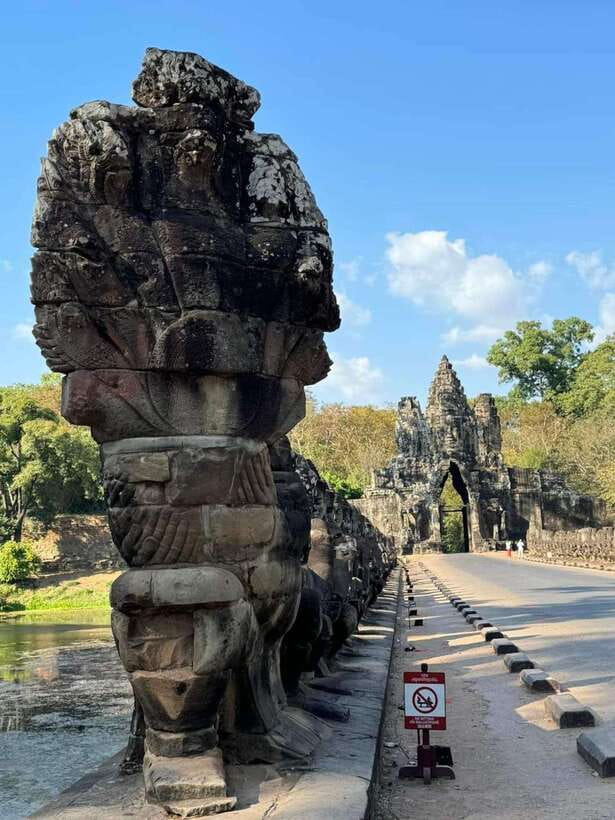
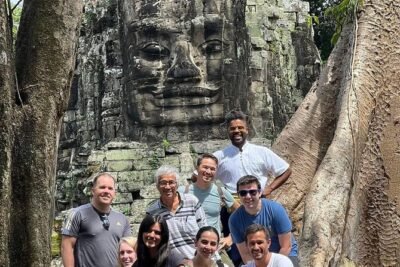
The route takes you into Angkor Thom, the great walled city, through the South Gate. This entrance is one of the most striking approaches in the park. Rows of stone figures line the causeway, and the gate is topped by a huge serene face. It is a fine first lesson in the scale and ambition of the Khmer Empire.
The itinerary also includes a photo stop at Victory Gate. It receives less time than the major temples, but it adds useful context. Angkor Thom had several monumental entrances, and seeing another gate helps you understand that this was a planned royal city rather than a collection of isolated shrines.
Bayon, Baphuon, and the royal terraces
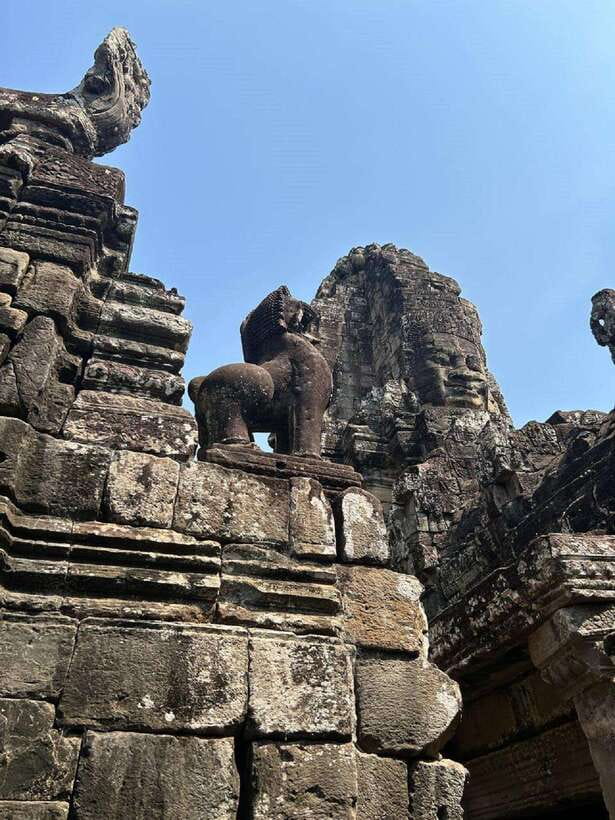
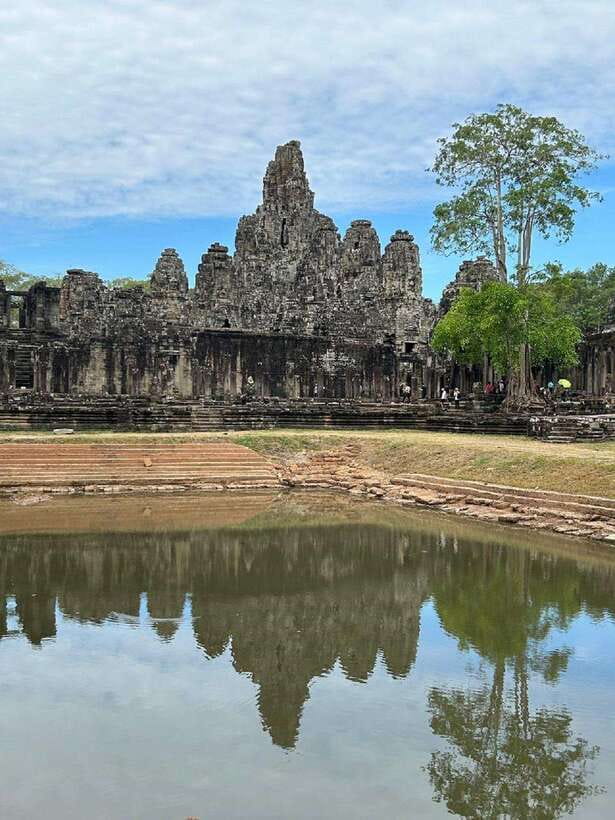
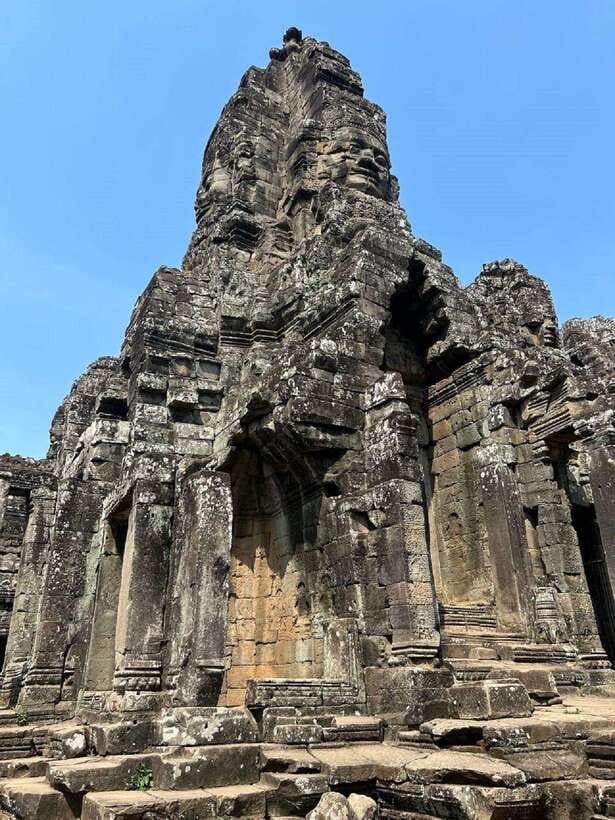
Bayon is the emotional center of Angkor Thom. Its towers carry the famous calm faces associated with Avalokitesvara, and the crowded arrangement of towers gives the temple a strange, almost watchful character. Your guide can help you read the structure and point out the difference between the outer bas-reliefs and the upper towers.
Allow about 45 minutes here. That is enough for a guided look at the main features, but not enough to inspect every carving at length. If Bayon is your priority, a private tour gives you the best chance of asking for more time.
Next comes Baphuon, a tall temple with restored stonework and broad views from its upper levels. The climb and uneven surfaces may be tiring, so take your time. This is one reason the tour works better when the guide can match your walking pace instead of pushing everyone along together.
The Elephant Terrace and Terrace of the Leper King show a different side of Angkor. These were ceremonial spaces rather than enclosed temple towers. The Elephant Terrace was used for royal ceremonies and processions, while the Terrace of the Leper King has intricate carvings and a connection with Yama, the god of death.
The stops are shorter, around 30 minutes each. You will not have endless time, but the guide can point out the details that make the terraces more than impressive walls. If you are keen on sculpture, tell the guide early so the pace can be adjusted.
Ta Prohm and the power of the trees
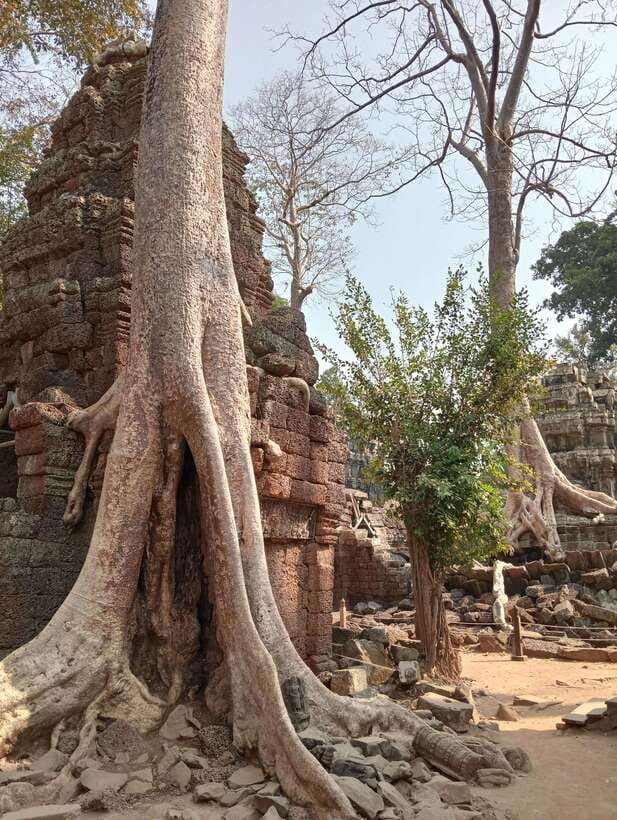
Ta Prohm is the temple most closely linked with the popular image of Angkor as a jungle ruin. Tree roots press over walls and galleries, while collapsed stone blocks make the site feel less orderly than Angkor Wat or Bayon. The temple was intentionally left in a more natural state, giving you a sense of what early explorers encountered.
You receive about an hour here, which is a useful amount of time. Ta Prohm rewards slow walking because the best details are often tucked into side galleries and shadowed corners. It can also be one of the busiest stops, so your guide’s timing and route choices matter.
This is a good place to ask questions about conservation. The roots are dramatic, but they also support and threaten the ruins at the same time. You will see why preservation is not simply a matter of clearing away plants and rebuilding every wall.
Comfortable shoes are important. Surfaces can be rough, and the combination of heat, steps, and roots makes Ta Prohm more demanding than a quick photo stop. Bring water, though the tour supplies cold drinking water and cold towels during the visits.
More Full-Day Trips in Siem Reap:
- Siem Reap: Full-Day Angkor Wat Guided Tour with Sunset
★ 4.9 · 3,803 reviews - Full-Day Angkor Wat Sunrise Private Tour with Guide from Siem Reap
★ 5.0 · 2,920 reviews - Siem Reap: Angkor Wat Sunrise and Full-Day Sightseeing Tour
★ 4.9 · 2,828 reviews - Full-Day Guided Sunset Tour of Angkor Wat
★ 5.0 · 1,507 reviews
Lunch near Srah Srang, then Angkor Wat
Lunch is not included, and the schedule allows about an hour near Srah Srang. You pay for your own Cambodian meal at a nearby restaurant. The break is useful, since the afternoon visit to Angkor Wat requires more walking and concentration.
Srah Srang itself is a pleasant pause beside a large ancient reservoir. It is not the main reason to book the tour, but it provides breathing room between the dense temples. Bring cash for lunch and any drinks or purchases.
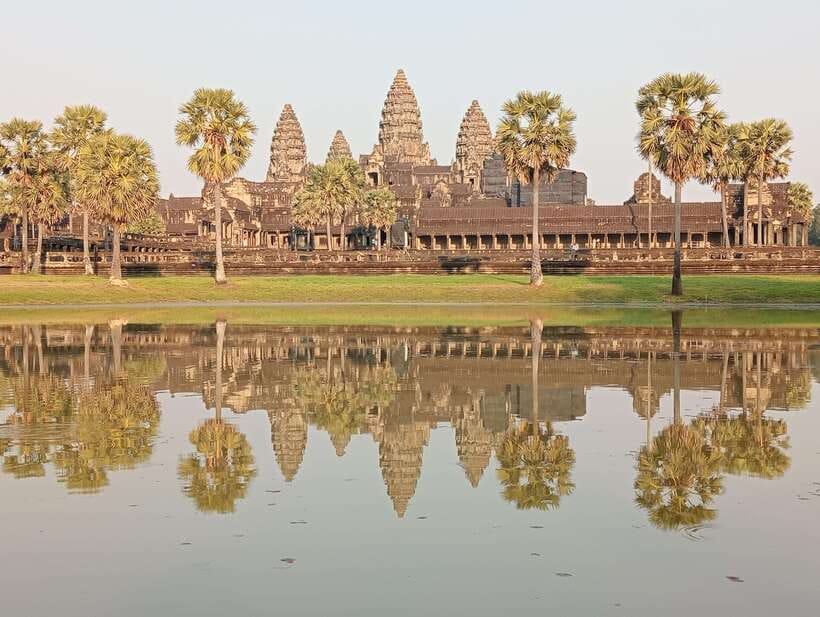
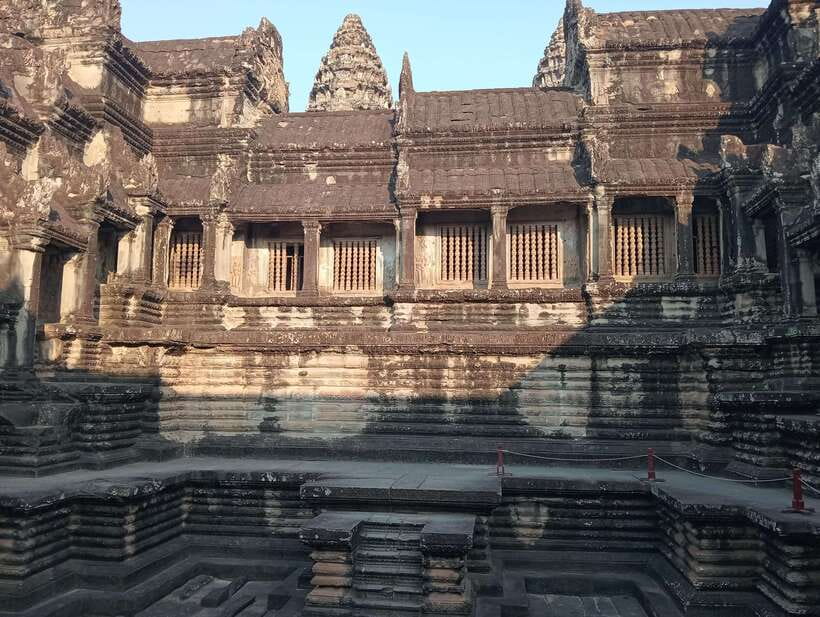
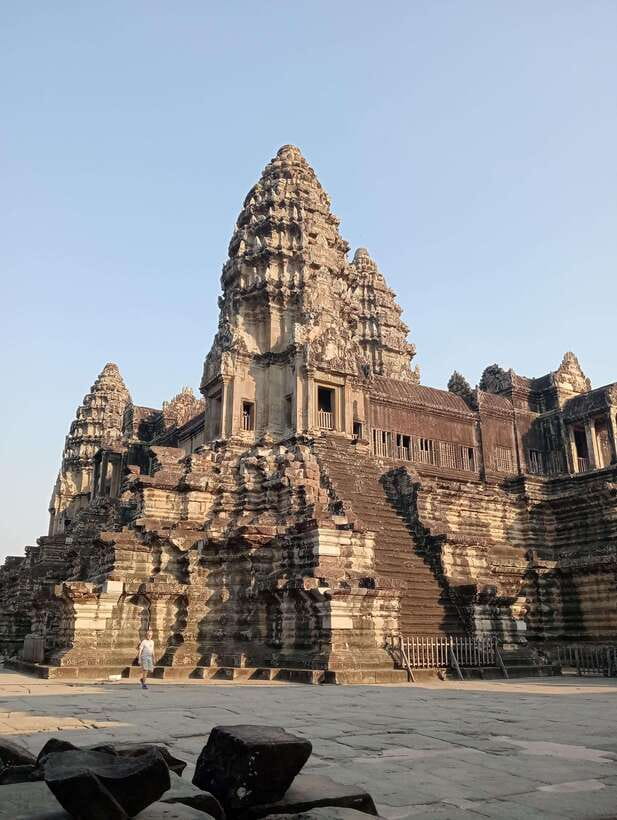
Angkor Wat receives about two hours, the longest guided visit of the day. That is appropriate. This is not just a grand facade for photographs. The galleries, bas-reliefs, towers, courtyards, and religious symbolism deserve time.
Your guide can help you read the temple as both a sacred place and a statement of royal power. The outer galleries show detailed scenes, while the central towers rise in a form linked with Mount Meru in Hindu and Buddhist thought. Without context, you may remember the silhouette. With a good Japanese explanation, you have a better chance of understanding why the building was designed this way.
The standard day finishes around 4:30 to 5:00 PM, followed by the ride back to your hotel. That is a long day, but the order makes sense: major gates and temples in the morning, a lunch break, then the largest monument when you have the guide’s full attention.
What the sunrise option really changes
The sunrise version begins with pickup around 4:30 to 5:00 AM and ends around noon. You should bring breakfast from your hotel, since breakfast is not supplied. The early start is not a small variation. It changes the mood, temperature, and shape of the day.
Angkor Wat at first light can be one of the strongest moments of a Siem Reap visit. The towers and reflection pool take on changing colors, and the cooler air makes the first walk easier. Guides who know the area can suggest a good viewing point and help you get a photograph without wasting the short window of good light.
You should choose sunrise if early mornings do not bother you and photographs matter to you. It also suits visitors who prefer to finish temple visits by midday. If you need a slower start, the regular 8:30 to 9:00 AM pickup is kinder.
For the two-day option, the second day also begins with sunrise at Angkor Wat, with pickup at about 5:00 AM. Bring breakfast again. The reward is a second early visit followed by a wider circuit outside the central group.
Day two: Pre Rup and the detailed carvings of Banteay Srei
The extended tour starts at Pre Rup, a 10th-century brick and laterite pyramid temple. Its stepped form gives you a clear view of how Khmer temple architecture can rise in layers. The warm brick also looks different from the gray stone used at many better-known sites.
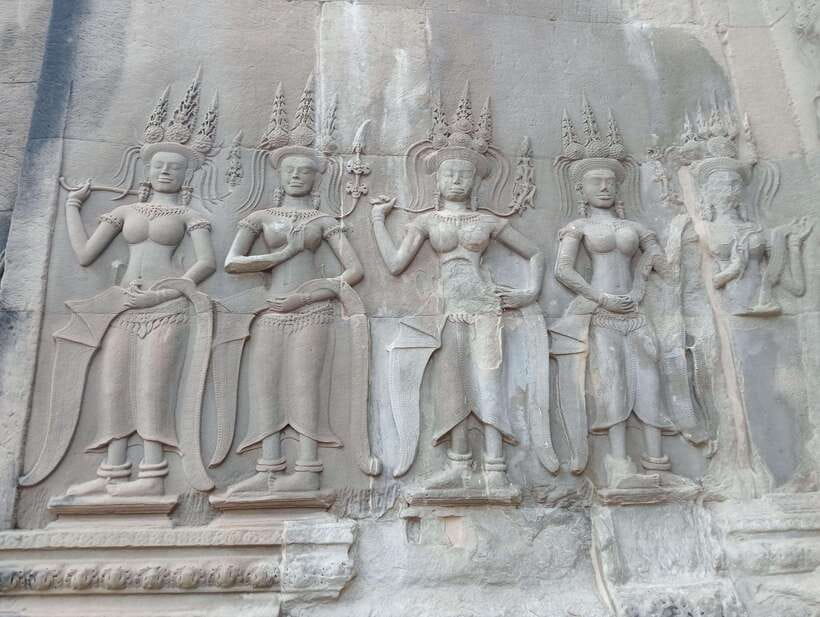
Banteay Srei is the day’s artistic highlight. It is famous for pink sandstone and very fine carvings, earning the nickname Citadel of Women. The temple is smaller than Angkor Wat, but its decoration is unusually precise, with detailed figures and ornament packed into the walls.
This stop is valuable if you care about craftsmanship rather than scale. It is also farther from the central Angkor group, so the extra driving is part of the tradeoff. You spend more time on the road, but you see a temple with a distinct color and character.
Lunch is again at your own expense. The guide can direct you to a local Cambodian meal, but lunch is not included in the tour price. Carry cash and allow enough time to eat before the next long drive.
Beng Mealea and Bakong finish the second day
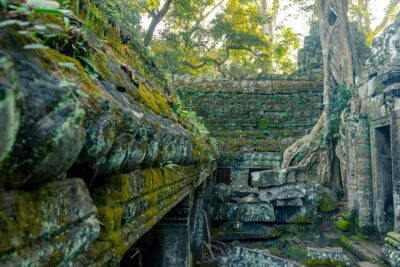
Beng Mealea has a rougher, more adventurous feel than the restored central temples. Collapsed galleries, large blocks, and tree roots make the route feel partly reclaimed by nature. If Ta Prohm gives you a controlled view of ruins and trees, Beng Mealea gives you a less polished version.
You should expect uneven walking and a more physical visit here. It is rewarding for photographers and anyone who prefers atmosphere over perfect restoration. It is less suitable if you want smooth paths and easy access.
The final temple is Bakong, the first grand stone pyramid temple of the Khmer Empire. It helps connect the day’s sites by showing an earlier stage of the temple mountain form. The visit is planned for around 2:30 to 3:00 PM, followed by a drive back to Siem Reap.
The two-day route is not simply the one-day tour repeated. It gives you a broader sense of Khmer architecture, from the earlier pyramid design at Bakong and Pre Rup to the fine carvings of Banteay Srei and the overgrown remains at Beng Mealea.
Price, transport, and what you really pay
The advertised price is $50 per person. That is a fair starting price for a Japanese-speaking guide, hotel pickup, transport, cold water, cold towels, and guided visits. The value is strongest for people who want interpretation in Japanese and do not want to arrange several temple trips themselves.
The Angkor Archaeological Park ticket is extra. Budget $37 for a one-day pass or $62 for a two or three-day pass. Lunch is also extra, as are tips and anything else not listed. Children under 12 can join free on a private tour, but you must show a passport to confirm their age.
Transport depends on the group. One or two people generally use a tuk-tuk, which is open to the air and part of the Siem Reap experience. You can select a car in the appropriate option if you prefer more enclosure. Groups of three or more use an air-conditioned van or bus, and the two-day private arrangement uses a tuk-tuk on the first day and a car on the second for one or two people.
The private option costs more than sharing, but it may be worthwhile for families, older relatives, photographers, or anyone who wants control over the pace. The ability to alter the order of the sites, pause during rain, or spend longer at Bayon can make the difference between a tiring day and a satisfying one.
Clothing, walking, and small practical details
Dress for temple rules, not just the heat. Shorts, short skirts, sleeveless shirts, tank tops, and other revealing clothing are not permitted at the temples. A scarf may cover knees and shoulders in some places, but the rules are stricter at Angkor Wat, where trousers or a knee-covering skirt and a shoulder-covering shirt are required.
Wear comfortable shoes, bring a hat, and pack insect repellent. Carry cash for lunch, drinks, and optional tips. A camera is obvious, but do not forget that the best photos often come from stepping back and looking at the whole structure rather than photographing only the famous details.
The tour is not suitable for wheelchair users, babies under one year, or people over 95. The sites include uneven ground and steps, so anyone with limited mobility should discuss the private option before booking. Free cancellation is available up to 24 hours before the start, and you can reserve now and pay later.
Should you book it?
Book this tour if you want Angkor explained in Japanese, prefer hotel pickup, and value a guide who can adjust the pace. It is particularly well suited to Japanese-speaking couples, families, solo visitors, and groups with older parents. Chun and Bun are the names to look for if guide assignment is confirmed, especially if you appreciate clear explanations, humor, photo help, and patient care.
Choose the one-day tour if this is your first visit and you mainly want Angkor Thom, Bayon, Ta Prohm, and Angkor Wat. Choose two days if you want Banteay Srei and Beng Mealea, dislike rushing, or want a broader look at Khmer temple design.
Skip the sunrise option if waking before dawn will spoil the rest of your day. Otherwise, it is a strong addition, especially for cooler walking and early light at Angkor Wat. Just remember that the $50 price is only the tour service. Add the park pass, meals, and any private transport upgrade before comparing the total cost.
FAQ
Is the Angkor entrance ticket included?
No. You must buy it separately. The listed price is $37 for one day and $62 for two or three days.
What time does the regular tour start?
Hotel pickup for the regular tour is scheduled between 8:30 and 9:00 AM. You should wait in the hotel lobby 15 minutes before pickup.
How early does the sunrise tour begin?
The sunrise option starts with pickup between 4:30 and 5:00 AM. On the second day of the extended tour, pickup for sunrise is around 5:00 AM.
Is lunch included?
No. Lunch is not included on either the one-day or two-day tour. You should bring cash for a meal at a nearby restaurant.
What language does the guide speak?
The tour includes a Japanese-speaking live guide. Guides named Chun and Bun are associated with the experience, though the assigned guide may depend on availability.
Can children join for free?
Children under 12 can join free of charge on a private tour. A passport must be shown as proof of age, and the Angkor ticket is not required for children under 12.
Just added around Siem Reap
- Ticket for Angkor Balloon Ride.★ 3.7 · 46 reviews
- Sunrise at Angkor Wat Temple: 3-Hour Private Tour★ 4.7 · 30 reviews
- Small-Group Full Day Angkor wat Guide tour with Sun set★ 5.0 · 136 reviews
- Siem Reap: Private 4-Day Angkor Wat and Phnom Kulen Tour★ 5.0 · 9 reviews
- Angkor Wat: Sunrise 2.5 Days Temples & Tonle Sap-Small Group★ 5.0 · 10 reviews
- Siem Reap : Private Tuk-Tuk Tour of the Magnificent Temples.★ 4.9 · 14 reviews
- Siem Reap: Ultimate Angkor Wat Offbeat Experience by Jeep★ 4.9 · 8 reviews
- Siem Reap: Personalized Angkor Wat Sunrise/Set by TukTuk/Car★ 4.9 · 41 reviews
Angkor Wat Tours, compared.
Angkor Wat Sunrise or Sunset Tour with Guide from Siem Reap
Read our review →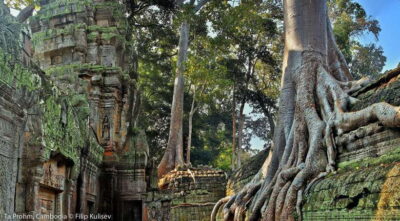
Angkor Wat: Small-Group Sunrise or Sunset Tour
Read our review →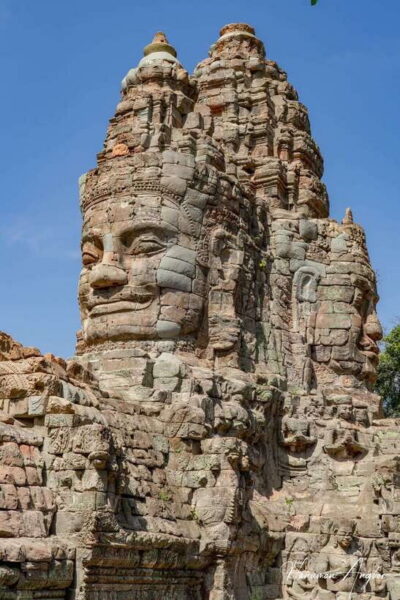
Angkor Wat 2-Day Tour with Sunrise and Sunset
Read our review →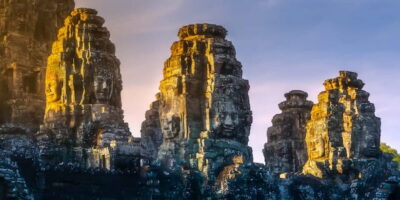
Angkor Wat Sunrise tour with Small – Group and Guide tours
Read our review →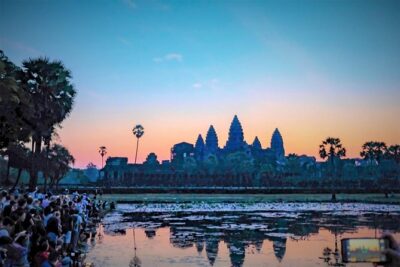
Angkor Wat Highlights and Sunrise Guided Tour from Siem Reap
Read our review →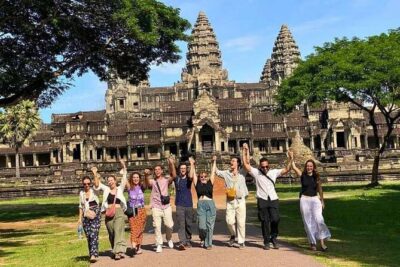
Angkor Wat Sunset Small Group Tour with Lunch Included
Read our review →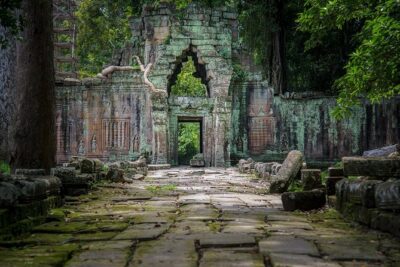
Full-Day Angkor Wat Sunrise Private Tour with Guide from Siem Reap
Read our review →Browse the lists this tour appears in