
REVIEW · ANGKOR WAT TOURS
One Day Trip to Phnom Da, Ta Prohm Bati, Neang Khmao & Chiso
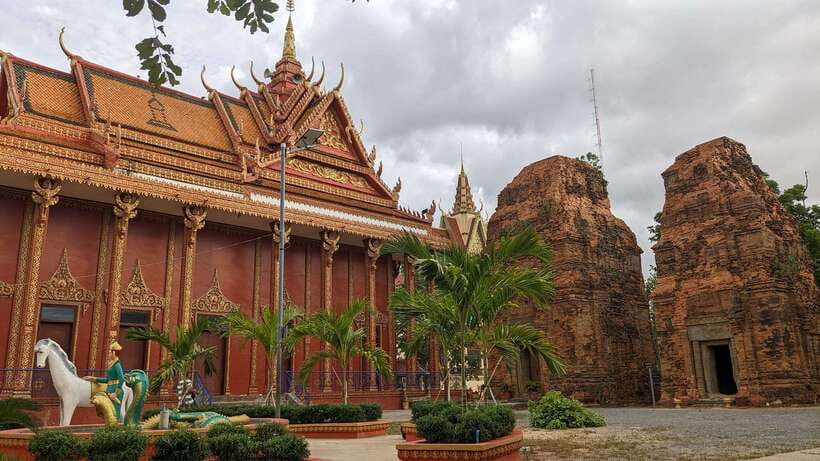
The best part of this day trip is its focus on less-visited Khmer temples south of Phnom Penh. You move from an ancient hill shrine and cave site to tree-wrapped ruins, a black-stone temple, and the grand stairway of Phnom Chisor. It gives you a useful look at Cambodia beyond the capital and Angkor.
I like the private format, which means your group sets the pace and does not share the vehicle with strangers. I also like the guide-led approach. Guides such as Silong explain how Khmer capitals shifted over time, turning separate ruins into one connected story. The main drawback is practical: meals are not included, and no lunch stop is specified, so bring snacks and water.
Key points to know before booking
- Phnom Da begins the day with about 100 steps to a hilltop temple and important caves.
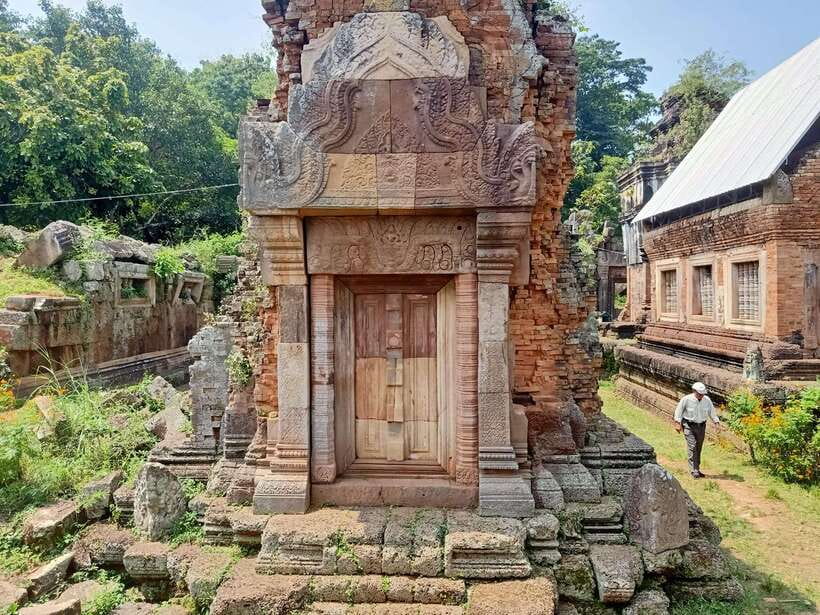
- Ta Prohm Bati includes both Ta Prohm and Yeay Peau, with tree growth around the old sanctuary and legends linked to the king’s mother.
- Phnom Chisor is the grandest stop, reached by a long hillside staircase with views toward entrance pavilions and an ancient basin.
- The tour is fully private for your own group, with a limit of six people and an English-speaking guide.
- The $143 price includes transport and the guide, but temple tickets and meals cost extra.
- Bring food for the day, since a lunch stop is not part of the stated plan.
Why this southern Cambodia temple route is worth your time
Phnom Penh has plenty to keep you busy, but its streets can make it hard to picture the wider story of Cambodia. This trip solves that problem with a long day on the road, linking four archaeological areas in the southern part of the country.
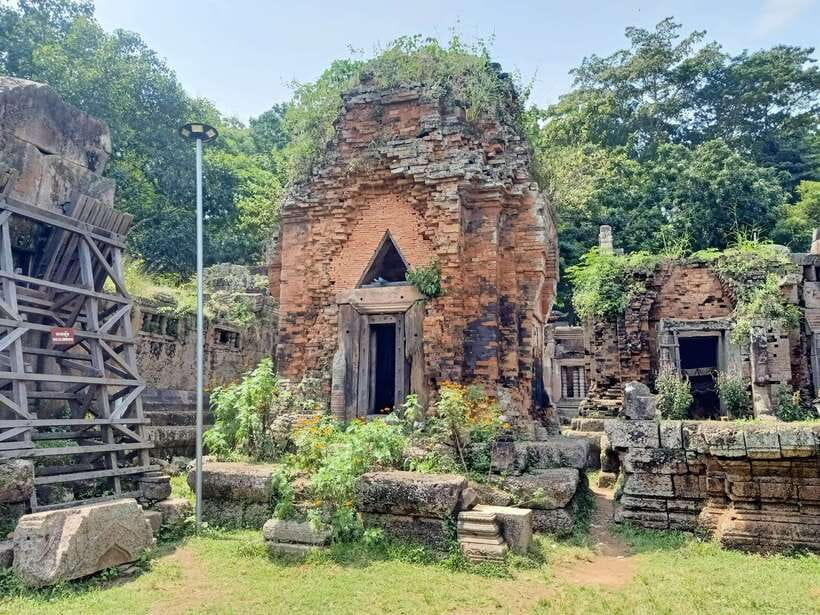
You are not visiting one polished monument with a large crowd. Instead, you see sites with different moods and levels of preservation. Phnom Da gives you an early hill sanctuary and caves. Ta Prohm Bati shows later Khmer building, including a famous tree growing around the stonework. Neang Khmao is smaller and more atmospheric, while Phnom Chisor supplies the big finish.
The trip is best for you if old temples, inscriptions, religious symbolism, and changing Khmer capitals interest you. It is less suitable if you want a relaxed day with long meal breaks. The schedule covers a lot of ground, and some stops involve stairs and walking over uneven surfaces.
The tour is limited to six participants, but the vehicle and guide are private for the number of people you book. That matters on a full-day route. You can spend more time at a site that catches your eye, ask questions as they come up, and avoid waiting for a large bus group.
More Angkor Wat Tours in Cambodia:
- Angkor Wat Sunrise or Sunset Tour with Guide from Siem Reap
★ 5.0 · 12,109 reviews - Siem Reap: Angkor Wat: Small-Group Sunrise or Sunset Tour
★ 5.0 · 9,444 reviews - Siem Reap: Angkor Wat 2-Day Tour with Sunrise and Sunset
★ 4.9 · 4,429 reviews
Leaving Phnom Penh in a private air-conditioned vehicle
Pickup is provided at your Phnom Penh hotel. The drive to the first area takes about an hour, and the vehicle is air-conditioned. A licensed private driver, toll roads, parking, gasoline, travel insurance, cold water, and wipes are included.
The private vehicle is one of the strongest practical features here. You are covering several sites in one day, so dependable transport saves time and energy. A punctual driver and careful road handling were singled out in the feedback, and the vehicle was described as a large four-wheel-drive vehicle on one outing.
The route is not just a string of temple gates. You also get a look at the countryside south of Phnom Penh. Keep your expectations realistic, though. This is a sightseeing day built around ancient sites, not a food tour or a slow rural excursion.
Phnom Da: 100 steps into Cambodia’s early capitals
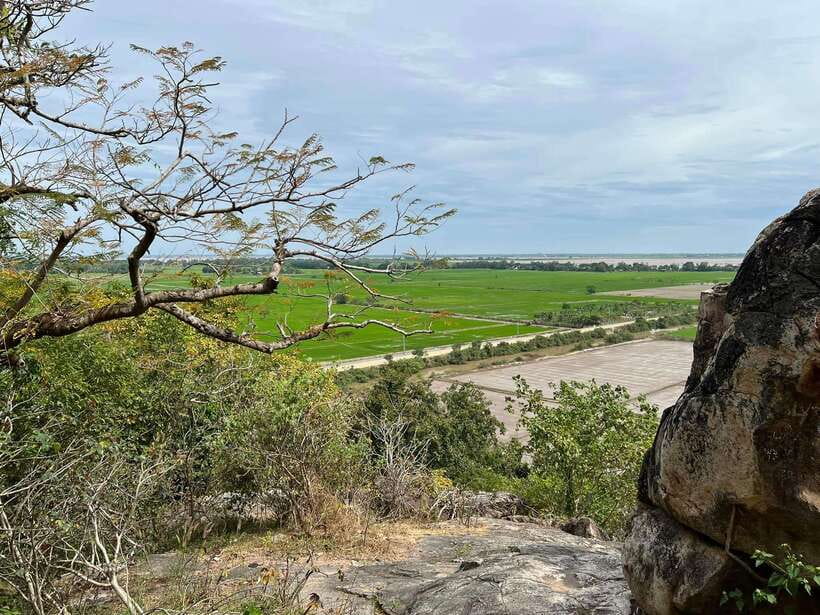
Phnom Da is built on top of a small hill, reached by roughly 100 steps. The climb is short enough for many visitors, but it is still worth treating as a real part of the tour, especially in hot weather. Wear shoes with a firm sole and take the ascent at your own pace.
The temple is linked to King Rutravarman, who ruled during the Norkor Phnom period. The site is associated with Chenla Teuk Lich, or Lower Chenla, one of the early Khmer capital areas. Later capitals moved to places including Prasat Sambor Prei Kuk in present-day Kampong Thom, then toward Siem Reap and other centers.
That sequence is one reason a guide helps here. Without explanation, Phnom Da may look like an isolated old sanctuary. With context, it becomes part of the movement of Khmer power and religious building across Cambodia.
The present structure dates to the 11th century and occupies the footprint of an earlier 5th or 6th century temple. Evidence of human settlement in the area reaches back to at least 400 BCE. The exterior is reported to be well maintained despite the site’s age, so you can still read the basic form of the monument.
Do not rush away after seeing the main temple. Important caves are part of the site. One contains a yoni pedestal connected with a missing Shiva lingam, a reminder that Hindu worship shaped much of early Khmer architecture. On the other side of the hill is Asram Maharishi, now a respected shrine associated with a great sage, though the original deity is gone.
Phnom Da is not the largest temple of the day. Its value comes from its age, hilltop setting, caves, and place in the story of Cambodia’s early capitals.
Ta Prohm Bati and Yeay Peau: trees, chambers and local legend
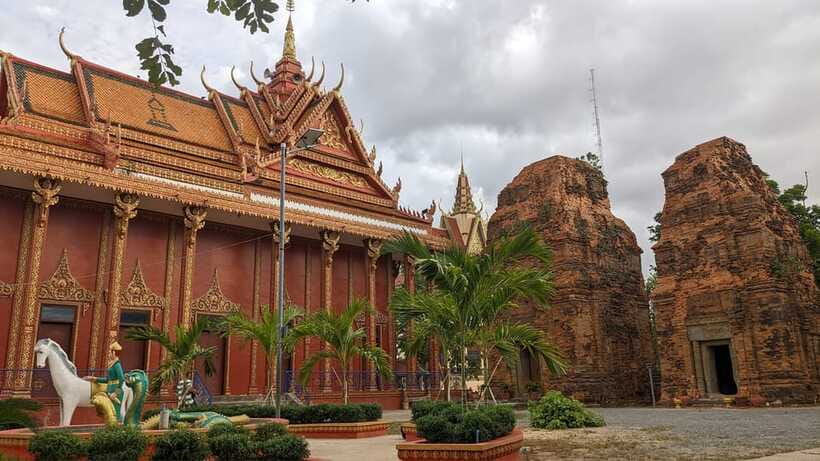
The Bati area brings a different kind of temple experience. Ta Prohm was built by King Jayavarman VII on the site of a 6th century Khmer shrine. Its main sanctuary contains five chambers, each with a lingam inside.
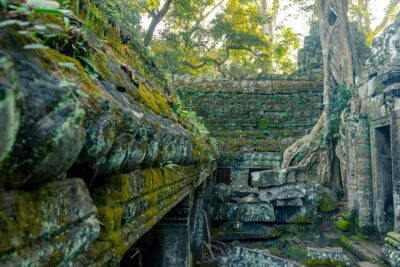
The most memorable visual detail is the tree growth around the temple structure. Roots and branches push across the old stonework, giving the site the weathered look many people associate with Cambodia’s temple ruins. You can enjoy the photograph, but pay attention to the building itself too. The tree is only part of the story.
Ta Prohm Bati is also a useful contrast with Phnom Da. Phnom Da connects you with early Khmer religious building and shifting capitals. Ta Prohm belongs to the period of Jayavarman VII, when large religious projects were built across the Khmer realm. A good English-speaking guide can help you see the difference rather than treating every ruin as simply an old temple.
Yeay Peau is nearby and is tied to a local legend. The temple is named after the mother of King Ta Prohm. Its smaller scale and story give the stop a more personal feel than the larger royal foundations.
Allow about an hour for Yeay Peau and the Bati temple area combined in the stated schedule, although the exact pace depends on your group and the guide. One practical note deserves attention: an earlier visitor specifically encountered several beggars at Ta Prohm. That does not define the site, but you should be prepared for some solicitation and decide in advance how you want to respond.
More Day Trips in Cambodia:
- 1-Day Amazing Angkor Wat Tour with Sunset & All Interesting Major Temples
★ 5.0 · 308 reviews - Angkor Wat one Day Private Tour for All Highlight Angkor Temples
★ 5.0 · 199 reviews - 1-Day private Angkor Temple Tour from Siem Reap
★ 4.9 · 178 reviews - From Phnom Penh: Angkor Wat, Bayon, and Ta Prohm Day Trip
★ 4.9 · 104 reviews
Neang Khmao: a short stop with a striking name
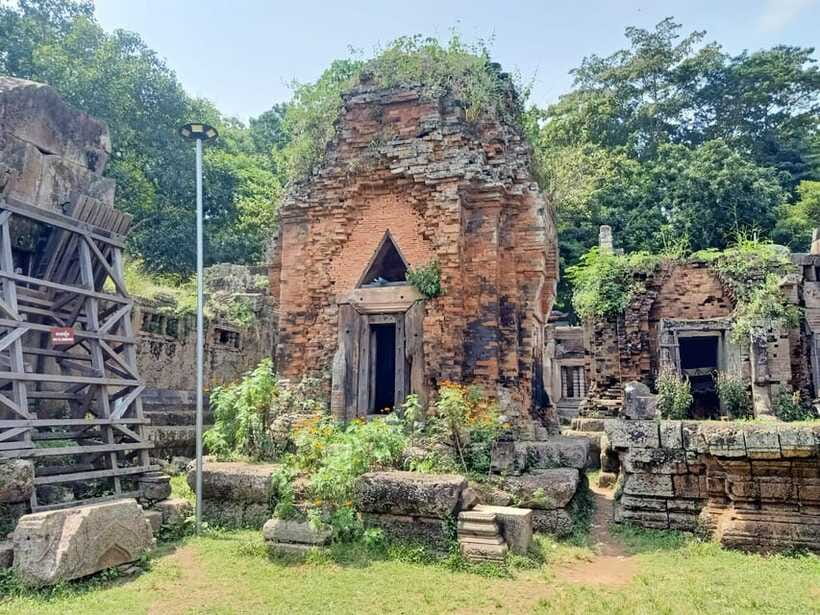
Prasat Neang Khmao means the temple of the Black Virgin. It is a shorter visit, listed at about 30 minutes, so do not expect the same amount of exploration time as Phnom Da or Phnom Chisor.
That brief stop works well in the middle of a long day. It breaks up the drive and adds another style of Khmer religious monument to the route. Your guide can explain the name and place the temple within the broader sequence of Cambodian sacred architecture.
Because the visit is short, listen closely during the introduction and use your time for a focused look at the remaining structure. If you prefer spending an hour or more at every site, this may feel quick. If you enjoy seeing several distinct monuments in one day, it adds useful variety without taking too much energy.
Phnom Chisor: the dramatic stairway and final temple
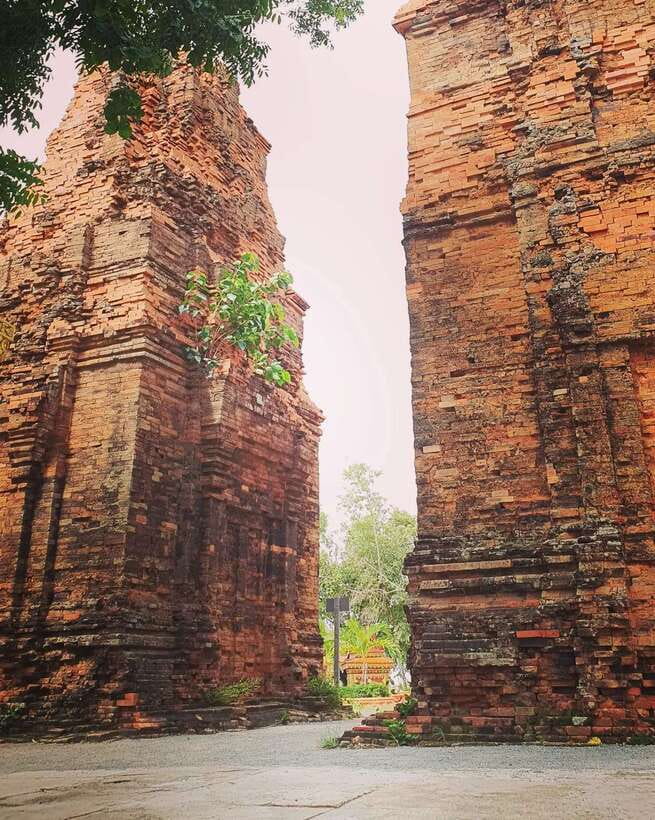
Phnom Chisor is the most imposing stop on the route. The ancient temple sits on a hillside and is reached by a substantial staircase. The climb is part of the experience, but it can be tiring after several earlier visits, especially under strong sun.
At the top, you find a large temple complex and a contemporary monastery site. The route down from the temple leads toward two entrance pavilions on the plain below. The outer pavilion is about 700 meters away to the east, and an ancient basin lies beyond it.
This arrangement gives Phnom Chisor a sense of scale that the smaller sites do not have. Look back along the approach and you can understand how the temple was connected to the wider area, rather than seeing it as a single isolated ruin.
The scheduled visit lasts about an hour and a half. That is sensible because Phnom Chisor needs time for the climb, the sanctuary, views, and the guide’s explanation. If you have a particular interest in architecture, this is the place to ask questions about the stairs, pavilions, religious function, and the relationship between the hilltop temple and the plain below.
The site is also a contemporary monastery location, so remember that it is not only an archaeological stop. Follow your guide’s advice about respectful behavior and dress.
What the $143 price really covers
At $143 per person, this is not the cheapest way to see southern Cambodia’s temples. The value depends largely on the size of your group. For one or two people, the cost buys a private vehicle, private driver, licensed English-speaking guide, and a full day of transport between sites. For a group of several people, the per-person price becomes easier to justify.
Included costs are useful ones: hotel pickup and drop-off, toll roads, parking, gasoline, air conditioning, cold water, wipes, and travel insurance. You are not paying extra for every small transport detail along the way.
Temple tickets are not included, and meals are also excluded. This is important. The absence of an included lunch is easy to overlook when planning a full-day outing. Bring snacks, and confirm the temple ticket cost before departure so your budget is clear.
The tour offers free cancellation up to 24 hours before departure and allows you to reserve while paying later. Those terms are helpful if your Phnom Penh schedule may change, but the main value remains the private transport and guide service.
The guide can make or break the day
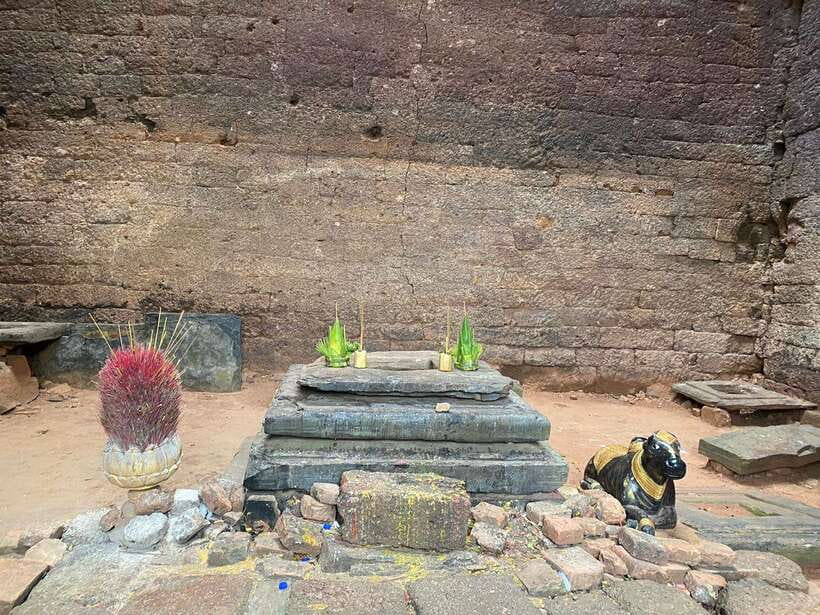
The route covers several periods of Khmer history, from early Chenla connections to the building programs of Jayavarman VII. A guide who can connect the dates, kings, religious ideas, and capital changes will give the trip much more meaning.
Silong is one guide named in the feedback, praised for being informative, friendly, and accommodating. Another guide was described as especially good at tying the different sites together. Those details matter because the monuments do not all explain themselves.
The language offered is English. The guide is licensed, and the driver is also licensed. You should expect guided visits, sightseeing, photo stops, walks, and safety briefings at each major stop.
How demanding is the day?
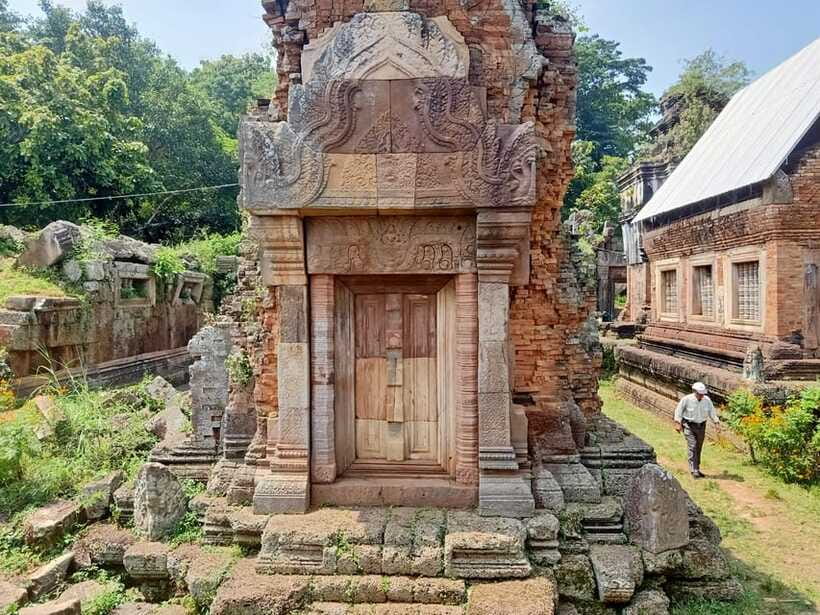
The tour is active but not a technical hike. Phnom Da involves about 100 steps, and Phnom Chisor includes a long hillside staircase. You will also walk around temple grounds and may encounter uneven stone surfaces.
The schedule gives roughly one hour at Phnom Da, one and a half hours at Phnom Chisor, 30 minutes at Neang Khmao, and one hour at Yeay Peau. The road time and transfers make this a full day, even though the listed sightseeing periods add up to only several hours.
Start with comfortable footwear and carry your own snacks. Cold water is supplied, but you should still plan for heat and a long day outside. If stairs are difficult for you, ask about the climb before booking. The supplied information does not promise accessibility assistance.
Who should book this temple day trip?
You should consider booking if you want to:
- See several southern Cambodian temple sites from Phnom Penh in one day
- Travel privately rather than join a large coach
- Learn the connections between early Khmer capitals and later royal building
- Visit Phnom Da, Ta Prohm Bati, Yeay Peau, Neang Khmao, and Phnom Chisor
- Leave transport, parking, tolls, and driving to a local team
- Spend a full day on archaeology rather than shopping or city sightseeing
You may want a different plan if you need an included lunch, dislike stairs, or prefer to spend a whole day at one major monument. The route is broad rather than slow. You see more places, but each stop has a set amount of time.
Should you book it?
Book this trip if you want a private, guide-led day of southern Khmer temples and you are comfortable with stairs, road time, and bringing your own food. Phnom Chisor provides the strongest architectural finish, while Phnom Da gives the deepest sense of early Cambodia’s shifting capitals.
At $143 per person, the tour makes the most sense for a small group that values a private vehicle and an English-speaking guide. Before you go, pack snacks, confirm temple ticket costs, wear practical shoes, and allow a full day. If those conditions suit you, this is a useful way to reach important sites that are easy to miss from Phnom Penh.
FAQ
Where does the tour begin and end?
Pickup and drop-off are provided at your hotel in Phnom Penh.
How long is the tour?
It is a one-day trip. The drive to the first site takes about one hour, followed by visits to the temples and the return journey to Phnom Penh.
Is the tour private?
Yes. The vehicle and tour are private for the number of people you book. The group is limited to six participants and does not join other guests.
What language does the guide speak?
The live guide speaks English.
Which temples and sites are visited?
The route includes Phnom Da, Phnom Chisor, Neang Khmao Pagoda, and Yeay Peau at the Ta Prohm Bati area.
Are meals included?
No. Meals are not included, and no lunch stop is specified. Bring snacks for the day.
Are temple tickets included in the price?
No. Temple tickets are excluded from the $143 per-person price.
What is included in the transport package?
The tour includes a private air-conditioned vehicle, licensed private driver, toll roads, parking, gasoline, hotel pickup and drop-off, travel insurance, cold water, and wipes.
Just added around Cambodia
- Oudong Temples & Phnom Prasith Private Tour from Phnom Penh★ 5.0 · 11 reviews
- Full-day: Wat Banan. Old bamboo train. Bat Cave. Killing cave★ 5.0 · 13 reviews
- Grand Tour-Ek Phnom. Baset. Bamboo Train. Wat Banan. Phnom Sampov★ 5.0 · 20 reviews
- Morning Tour,Ak Phnom temple,Rice wine,Rice Paper, killing Field★ 5.0 · 22 reviews
- Two Days Angkor Wat Park-Beng Mealea and Kampong Phluk Village★ 5.0 · 14 reviews
- 2-Days in temples and other areas★ 5.0 · 101 reviews
- Ticket for Angkor Balloon Ride.★ 3.7 · 46 reviews
- Sunrise at Angkor Wat Temple: 3-Hour Private Tour★ 4.7 · 30 reviews
Angkor Wat Tours, compared.
Angkor Wat Sunrise or Sunset Tour with Guide from Siem Reap
Read our review →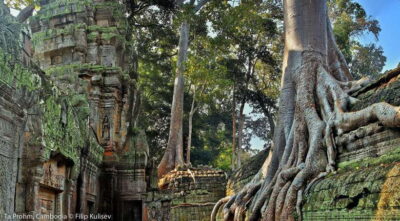
Angkor Wat: Small-Group Sunrise or Sunset Tour
Read our review →
Angkor Wat 2-Day Tour with Sunrise and Sunset
Read our review →
Angkor Wat Sunrise tour with Small – Group and Guide tours
Read our review →
Angkor Wat Highlights and Sunrise Guided Tour from Siem Reap
Read our review →
Angkor Wat Sunset Small Group Tour with Lunch Included
Read our review →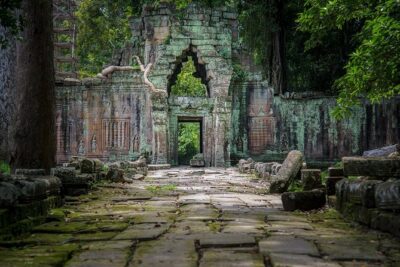
Full-Day Angkor Wat Sunrise Private Tour with Guide from Siem Reap
Read our review →Browse the lists this tour appears in