
REVIEW · KARNAK & VALLEY OF THE KINGS TOURS
Marsa Alam: Valley of the Kings & Karnak Temples Luxor Tour
The big draw here is simple: in one very long day, you get from the Red Sea coast to Luxor’s great ancient sites, including the Valley of the Kings and Karnak Temples. You will see royal tombs, a cliffside temple, giant statues, and the Nile, then return to Marsa Alam in the evening.
I like the way the tour covers both banks of Luxor. The West Bank gives you tombs and funerary temples, while the East Bank brings you to Karnak, Egypt’s grandest religious complex. I also like the multilingual guiding. Guides named Shaban, Ragab, and Doa have been praised for clear explanations and thoughtful service, including German, Italian, and other language support. The main drawback is the long road journey from Marsa Alam, which leaves limited time at each site.
Key points to know before booking
- A very full Luxor day: Expect an early hotel pickup, a long drive through the Eastern Desert, sightseeing in Luxor, and an evening return.
- Three Valley of the Kings tombs included: Tutankhamun’s tomb is not part of the standard entry and requires an add-on.
- Strong guide support: Egyptologist guides may be available in Arabic, English, French, German, Italian, or other languages depending on the assigned guide.
- Both sides of the Nile: The itinerary combines the Valley of the Kings and Hatshepsut’s temple with Karnak on the East Bank.
- Lunch and transport included: You receive restaurant lunch, onboard water or soft drinks, site entry fees, and air-conditioned transport if that option is selected.
- Budget for extras: Drinks at lunch, the optional 20-minute Nile cruise, Tutankhamun’s tomb, and shopping purchases cost extra.
The real cost of traveling from Marsa Alam to Luxor
At $306 per person, this is not a cheap day trip. The price makes more sense when you consider what is packed into it: hotel pickup and drop-off, the long-distance vehicle, site entry fees, an Egyptologist guide, lunch, and a city tour.
You are also paying for convenience. Organizing a Marsa Alam to Luxor journey on your own would mean arranging transport, entrance tickets, local transfers, and a guide once you arrive. This tour handles those pieces in one booking.
Still, you should be clear about the trade-off. The drive is long, and Luxor is not a place that rewards rushing. You will see the major sites, but you will not have unlimited time for every tomb, column, and carved wall. I would consider the tour good value for a first look at Luxor, especially if you are staying on the Red Sea coast and do not plan to return to Egypt soon.
The overall rating is 4.6 from 177 ratings, and the strongest praise centers on the guides. Shaban is noted for German explanations and careful attention, while Ragab and Doa are also praised for helpful, clear guiding. That matters here. The monuments are impressive on their own, but a good guide helps you understand what you are looking at before the heat, crowds, and scale of the sites begin to blur together.
More Karnak and Valley of the Kings Tours in Luxor:
- Luxor: Valley of the Kings and Hatshepsut Temple Day Tour
★ 4.4 · 1,404 reviews - Luxor: Valley of Kings, Hatchepsut Temple ,Karnak & Luxor-DayTour
★ 5.0 · 735 reviews - Full Day Tour of Luxor West Bank Temples and Tombs (Private)
★ 5.0 · 722 reviews
The early departure and the Eastern Desert drive
Your day starts with an early pickup from your hotel in Marsa Alam or El Quseir. The vehicle is air-conditioned, and water or soft drinks are available onboard. Ask your hotel reception for a packed breakfast the day before, since the early departure may come before the hotel dining room is serving food.
The road to Luxor crosses the Eastern Desert. This is a practical transfer rather than a sightseeing drive, but the changing scenery helps you understand Egypt’s geography. Marsa Alam sits on the Red Sea coast, while Luxor lies inland along the Nile. The tour takes you from a resort setting into the country’s ancient heartland.
Bring your passport or ID card, comfortable shoes, and sunglasses. Comfortable footwear matters because you will walk across large open sites and uneven ground. Sunglasses are useful in exposed areas such as the Valley of the Kings and Karnak.
Use the road time sensibly. Sleep if you can, keep water close, and do not plan an important evening activity in Marsa Alam. The return journey arrives in the evening, and the day is demanding even with comfortable transport.
Three royal tombs in the Valley of the Kings
The first major stop is the Valley of the Kings on Luxor’s West Bank. Ancient pharaohs chose this dry valley for royal burials, placing their tombs away from the more visible pyramid fields. The goal was permanence, protection, and a journey into the afterlife.
Your standard entry includes three decorated tombs. The exact selection can vary, but the itinerary highlights famous rulers such as Tutankhamun, Seti I, and Ramses II. Inside, you can expect sloping passages, painted walls, hieroglyphs, and scenes linked to royal burial beliefs.
The decoration is not just ornament. The walls were meant to guide the dead ruler through the afterlife and protect the burial. Your guide can help explain the symbols, gods, and rituals so the painted scenes become more than a series of old pictures.
Tutankhamun’s tomb requires a separate add-on. This is important because many people assume his tomb is automatically included when they hear his name connected with the Valley of the Kings. If seeing the famous young pharaoh’s burial chamber is a priority, select the extra in advance or confirm how it is handled before the trip.
I would not judge the Valley only by the number of tombs you enter. Three is enough for a useful introduction, especially on a day that also includes Hatshepsut and Karnak. The drawback is that you may want more time once you begin comparing the different colors, layouts, and wall scenes.
Photography rules can vary at archaeological sites, so follow your guide’s instructions. The tombs can also feel close and enclosed, while the area outside is open and sunny. Move at a steady pace and save some energy for Karnak.
Hatshepsut’s temple beneath the cliffs
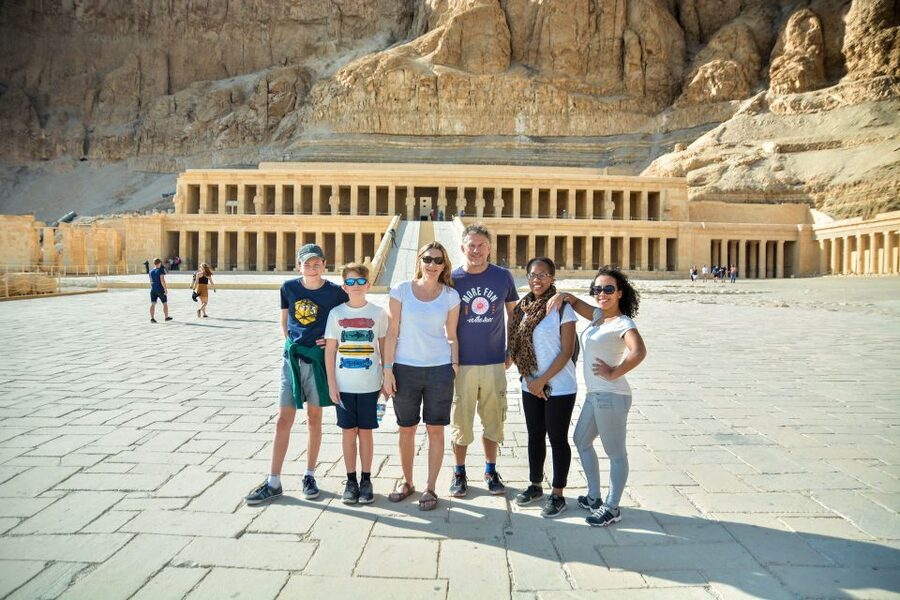
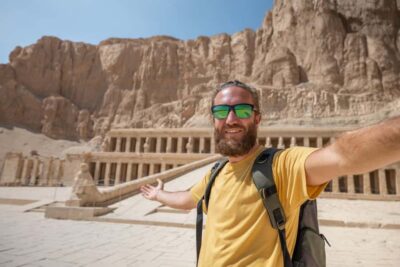
The next stop is the Mortuary Temple of Hatshepsut at Deir el-Bahari. Its broad terraces rise against the cliffs, creating one of Luxor’s most memorable settings. The temple was dedicated to Hatshepsut, one of ancient Egypt’s most powerful female pharaohs.
This monument feels different from the Valley of the Kings. The tombs are enclosed and intimate, while Hatshepsut’s temple is open, geometric, and built in long horizontal levels. Grand colonnades frame the approach, and carved scenes tell stories connected with royal power, religion, and the pharaoh’s public image.
A guide adds real value here because Hatshepsut’s rule was unusual and politically important. Listen for the explanation of how she presented herself as pharaoh and how the temple supported that claim. The site gives you a chance to think about ancient Egypt as a place of government and ceremony, not only tombs and mummies.
The temple is exposed, so sunglasses, water, and sensible shoes are useful. You may find the walk up toward the terraces tiring after the early start, but the structure is easy to appreciate even with a fairly short visit.
A few more temple visits around Luxor worth a look
- Luxor Day Tour: Valley of Kings & Queens & Hatchepsut Temples
★ 5.0 · 1,496 reviews - Luxor: Karnak Temple and Luxor Temple Tour with Lunch
★ 4.4 · 658 reviews - Luxor: Abu Simbel Temple Private Guided Day Trip with Lunch
★ 4.6 · 546 reviews - Private Half Day West Bank Tour to Valley of the Kings Queen Hatshepsut Temple and Colossi of Memnon
★ 5.0 · 268 reviews
The Colossi of Memnon and a quick ancient stop
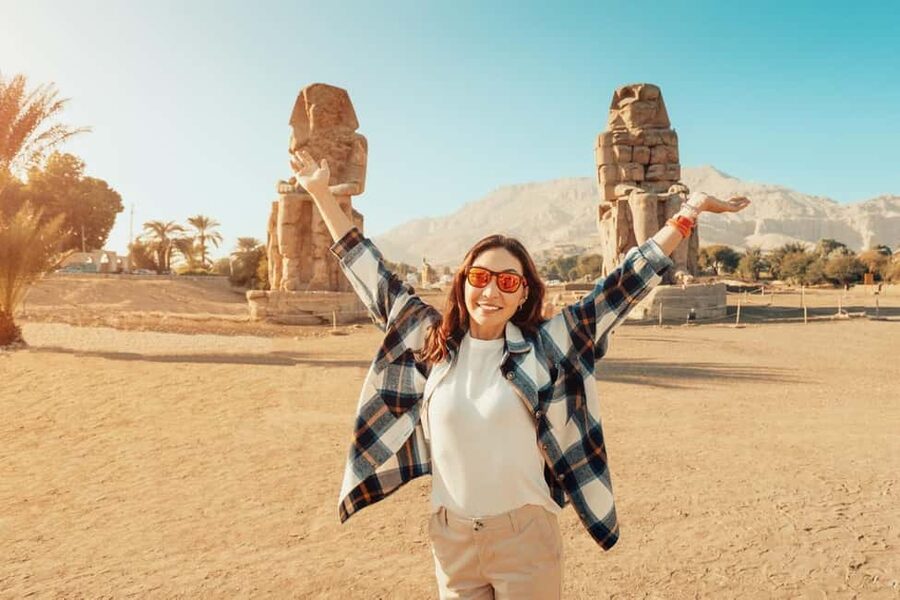
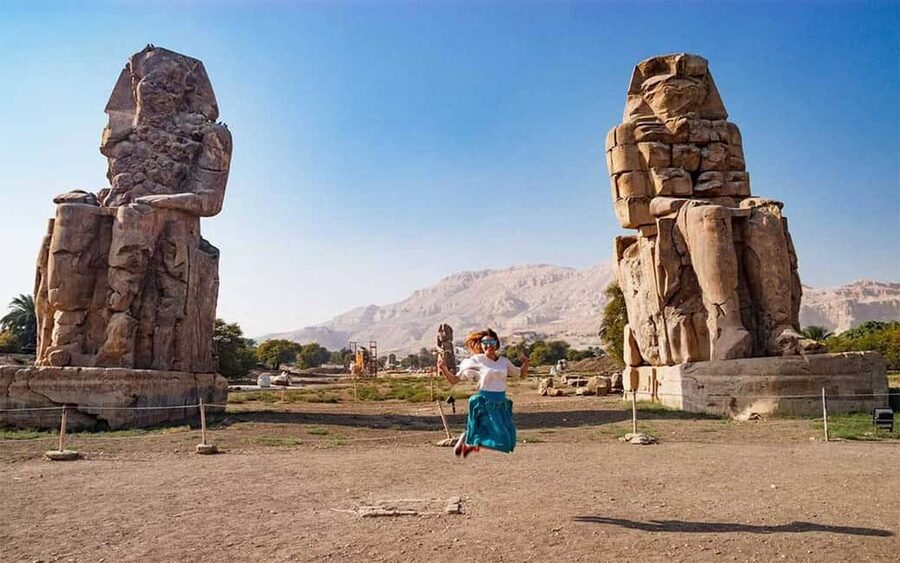
Before leaving the West Bank, the vehicle stops at the Colossi of Memnon. These two massive seated statues represent Amenhotep III and are the last major remains of his mortuary temple.
The statues are easy to visit, but do not dismiss them because the stop is brief. Their scale gives you a strong sense of how large the original temple must have been. They have faced more than 3,400 years of weather and change, and they remain one of Luxor’s most recognizable roadside monuments.
This is a good place for photographs and a short pause. It is not a full museum visit, so think of it as a visual link between the West Bank’s royal monuments and the city’s later sites.
Egyptian lunch and the optional Nile cruise
After the West Bank, you have lunch at a local restaurant in Luxor. The meal is included, but drinks at the restaurant are not, so keep some cash available if you want something beyond the included arrangements.
The food is described as Egyptian-style, with a buffet served at the restaurant. A meal break matters on this itinerary because the day begins early and continues through large outdoor sites. It also gives you a chance to sit down before the East Bank visit.
An optional 20-minute Nile cruise may be available for 10 euros, paid in cash onsite. Treat this as an extra, not a central part of the tour. If you want the boat ride, bring the correct cash and ask your guide when the option is offered. If you would rather save money or time, the main archaeological visits remain the heart of the day.
Karnak’s Great Hypostyle Hall and sacred lake
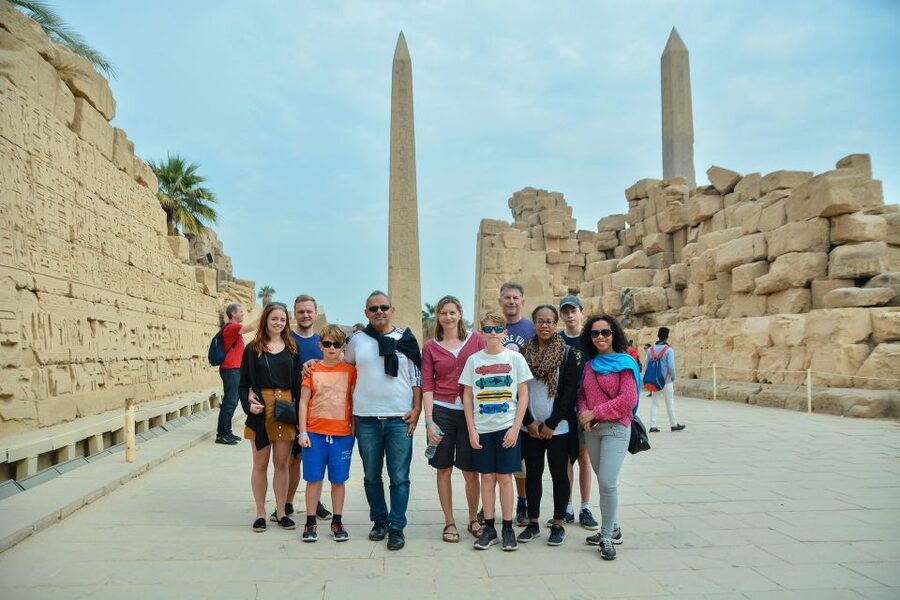
Karnak is the grand finale, and it deserves your attention even if your legs are tired. This enormous religious complex grew over nearly 2,000 years as different pharaohs added temples, gateways, statues, halls, and sacred spaces.
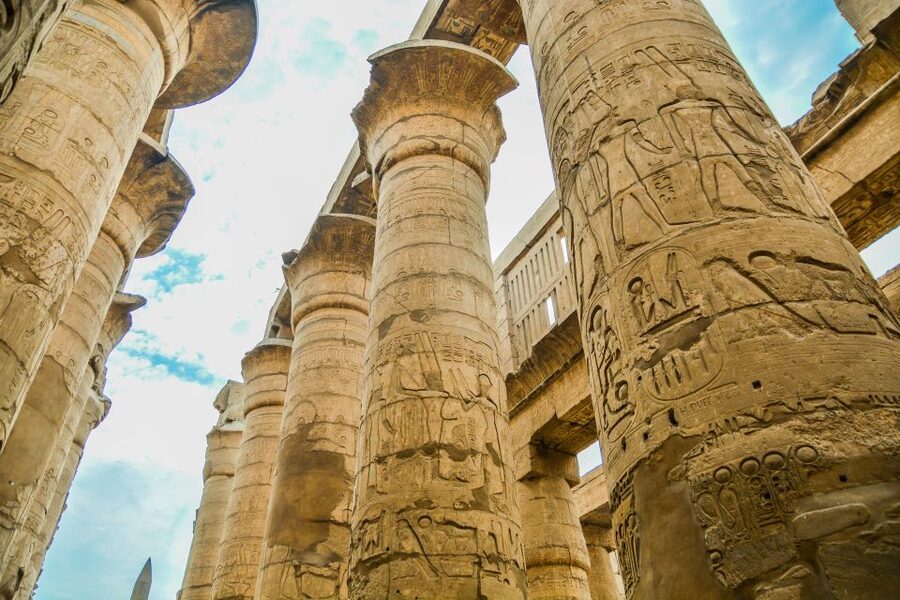
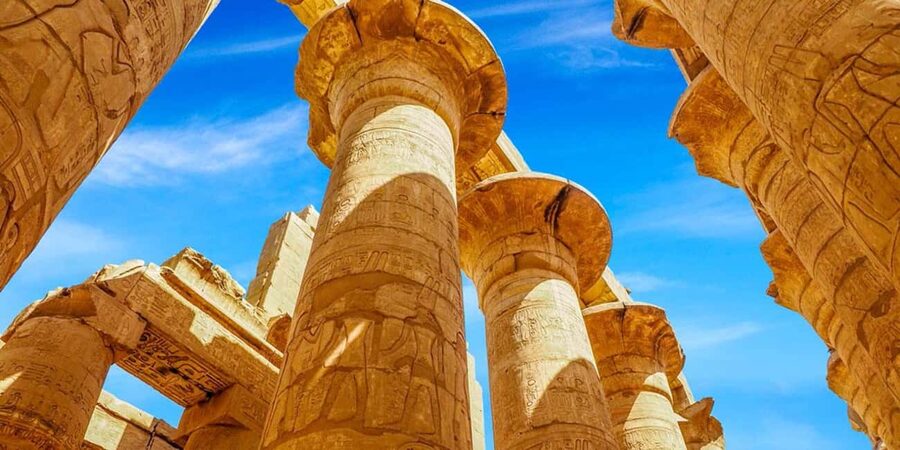
The Great Hypostyle Hall is the visual star. Its 134 towering columns create a forest of stone, with carved surfaces that once carried strong colors and religious scenes. Stand among the columns and look upward. The scale is difficult to grasp in photographs.
The complex also includes the sacred lake and the Avenue of Sphinxes. Your guide will point out how the site was organized and explain the roles of the different areas. Karnak is not one simple temple, so guidance helps you avoid walking past important features without understanding what they were used for.
I like that the itinerary places Karnak after the West Bank. The contrast is useful. The Valley shows private royal burial spaces, while Karnak shows public religion, royal sponsorship, and the long building program of successive rulers.
The possible downside is fatigue. Karnak is huge, and the visit comes late in a long day. Stay close to the guide, listen for the agreed meeting point, and do not spend all your energy at the first gateway. The Great Hypostyle Hall, sacred lake, and Avenue of Sphinxes are the places I would make sure to see.
Shopping for oils and scarves
The experience can include shopping stops connected with FTS, including organic oils and traditional Egyptian scarves from Travel-Inspired Elegance by FTS. Oils listed as add-ons include black seed, peppermint, French basil, rosemary, and geranium.
These products may appeal if you want a small, easy-to-pack souvenir. Black seed oil, peppermint oil, rosemary oil, and the others are presented with wellness uses such as skin care, relaxation, focus, or digestion. Treat those descriptions as product claims, not medical advice, and check ingredients if you have allergies or sensitive skin.
One stop also involves handmade souvenir figures. If you enjoy buying local crafts, set a budget before the visit. Shopping can add interest, but it also takes time from the monuments. You do not need to buy anything to enjoy the tour.
The scarves are a practical souvenir, especially if you want something light and useful during the rest of your Egypt trip. Ask about the price before agreeing to a purchase, and keep receipts or packaging if supplied.
Guides, languages, and the human side of the day
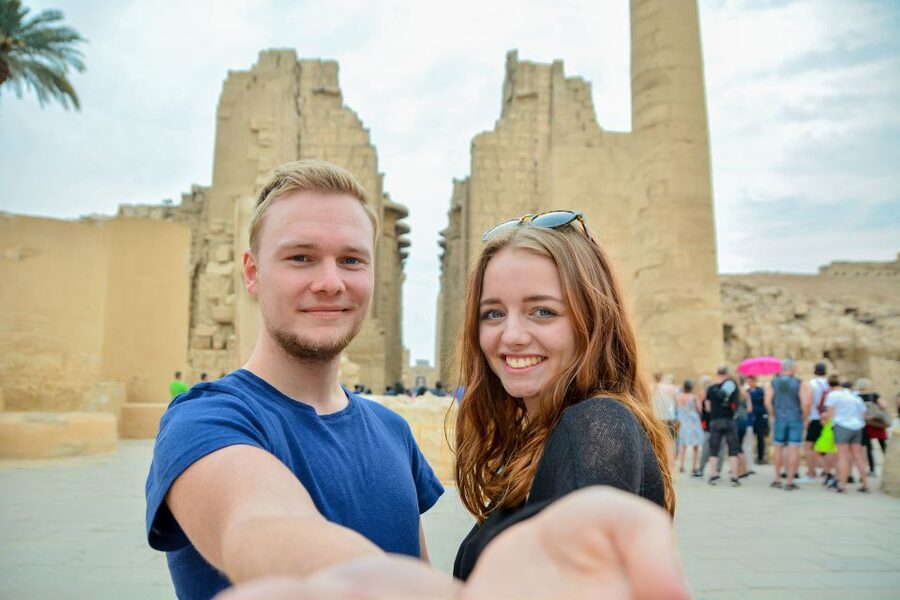
The guides receive the strongest praise attached to this experience. Shaban is described as friendly, attentive, and able to explain ancient Egyptian stories in German. Ragab is noted for careful attention to individual needs and strong explanations. Doa is also specifically recommended as a guide.
The listed guide languages are Arabic, English, French, and German. Other feedback also refers to excellent Italian guiding, so confirm your preferred language when booking and provide traveler names and passport numbers to the local partner afterward.
A good guide matters more than fancy presentation on a day like this. Luxor’s sites are vast, and the same carved figure can mean little without context. Clear timing instructions also help when the group must return to the vehicle and continue to the next stop.
The exact pickup time should be arranged after booking. Give the local partner your hotel details, all traveler names, passport numbers, and desired pickup time. Do not leave that information until the morning of departure.
Who should book this Luxor day trip?
I would recommend it to you if you are staying in Marsa Alam or El Quseir and want to see Luxor without arranging a separate overnight stay. It suits first-time visitors who want the main monuments in one organized day, especially those who value a guide and included transport.
It is also a good match for families and mixed-age groups because the vehicle is air-conditioned, lunch is included, and the route is organized from pickup to return. The day still requires walking, sun protection, and patience.
I would hesitate if you dislike long road transfers or prefer slow visits with plenty of time for photography. Luxor rewards an overnight stay, and a day trip from Marsa Alam cannot provide the same relaxed pace. I would also compare the cost carefully if you are traveling with a large group and can arrange private transport at a lower total price.
Cancellation is flexible up to 24 hours before departure for a full refund, and you can reserve now and pay later. That helps if your Red Sea plans may change, but you still need to provide the required traveler information after booking.
Should you book it?
Book this tour if Luxor is high on your Egypt list and you want the efficient option from Marsa Alam. The combination of three royal tombs, Hatshepsut’s temple, the Colossi of Memnon, lunch, and Karnak gives you a strong first look at ancient Thebes.
Skip it if the long return drive would overshadow the sites for you. At $306, the value lies in convenience, entry fees, transport, lunch, and guide support. You are buying access to the major sights in a single demanding day, not a leisurely Luxor stay.
For most Red Sea visitors, I would book it with three preparations: request your packed breakfast, confirm your guide language and pickup time, and decide in advance if you want Tutankhamun’s tomb or the optional Nile cruise. Those small choices will make the long day easier and help you spend your time where it matters most.
FAQ
How much does the Marsa Alam to Luxor tour cost?
The listed price is $306 per person.
Where can pickup take place?
Pickup is available from hotels in Marsa Alam and El Quseir. Transfer is also listed as available from Safaga or Marsa Alam.
What sites are included?
The tour includes the Valley of the Kings, the Mortuary Temple of Hatshepsut, the Colossi of Memnon, Karnak Temples, and a Luxor city tour.
How many Valley of the Kings tombs can I visit?
The standard itinerary includes entry to three decorated tombs.
Is Tutankhamun’s tomb included?
No. Tutankhamun’s tomb is an optional add-on that you can choose separately.
Is lunch included?
Yes. Lunch at a restaurant in Luxor is included. Drinks at the restaurant are not included.
Is the Nile cruise included?
No. An optional 20-minute cruise costs 10 euros, paid in cash onsite.
What should I bring?
Bring your passport or ID card, comfortable shoes, and sunglasses. You should also request a packed breakfast from your hotel reception the day before.
Which languages are available?
The listed languages are Arabic, English, French, and German. Some guides may also provide Italian, so confirm your preferred language after booking.
Just added around Luxor
- Luxor: Karnak and Luxor Temples Private Half-Day Tour★ 4.7 · 27 reviews
- Luxor: Shared Half-Day tour of Dendera Temple with guide★ 4.2 · 35 reviews
- Luxor: Tour to Edfu Temple & Lunch & Felucca & Entrance Fees★ 4.8 · 7 reviews
- Luxor: Private Tour to Valley of Kings & Hatshepsut Temple.★ 4.4 · 16 reviews
- Luxor: Valley of The Kings and Hatshepsut Temple Day Trip★ 4.3 · 55 reviews
- Luxor Day Tour Visit Dendara And Abydos Temples★ 4.6 · 151 reviews
- Luxor Day Tour visit Dendara and Abydos temples★ 4.8 · 6 reviews
- Luxor: East & West Bank Temples Private Tour with Tickets★ 4.7 · 10 reviews
Karnak & Valley of the Kings Tours, compared.
Valley of the Kings and Hatshepsut Temple Day Tour
Read our review →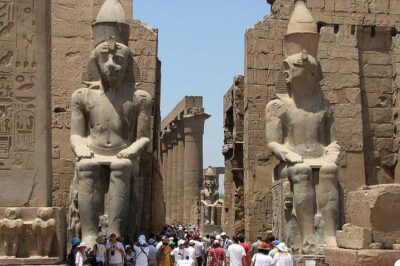
Valley of Kings, Hatchepsut Temple ,Karnak & Luxor-DayTour
Read our review →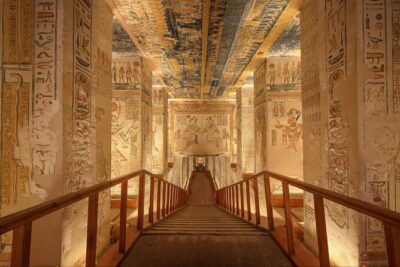
Full Day Tour of Luxor West Bank Temples and Tombs (Private)
Read our review →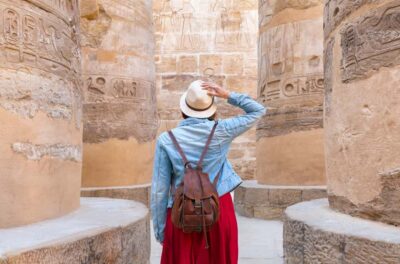
Private Half Day West Bank Tour to Valley of the Kings Queen Hatshepsut Temple and Colossi of Memnon
Read our review →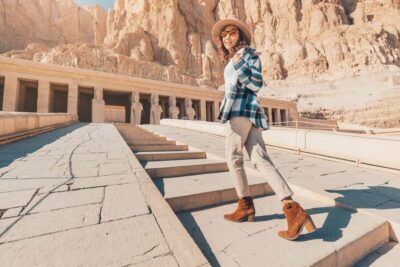
Valley of the Kings and Hatshepsut Temple w/Nile Boat
Read our review →
Dendera Temple All-Inclusive Tour & Felucca Ride
Read our review →
Hot Air Balloon Ride Over Temple of Hatshepsut
Read our review →Browse the lists this tour appears in