REVIEW · GUIDED
Dublin to Newgrange, Monasterboice Small Group Guided Tours
Newgrange is the star here: a prehistoric passage tomb older than Stonehenge and the Egyptian pyramids, built to catch the winter-solstice sunrise. You enter the monument itself, not just view it from a distance, and a simulation shows how sunlight reaches the inner chamber.
I like the round-trip transport from central Dublin and the way this tour links three very different sites in one day. I also like the mix of guided and free time: Newgrange comes with entry and site interpretation, while Monasterboice lets you walk among high crosses and ruined churches at your own pace. The main drawback is the length. Eight hours is a full day, and a group of up to 29 people may feel less intimate than the words small group suggest.
Key points at a glance
- Newgrange entry is included, with about three hours at the Brú na Bóinne area and a chance to see the solstice light effect inside the tomb.
- Guides such as Matt and Kevin have earned strong praise for clear storytelling, humor, and useful explanations during the drive.
- The tour begins at the Molly Malone statue at 9:00 a.m. and returns to the same central Dublin meeting point.
- Seasonal changes can affect the route, with Knowth sometimes added from March to October and the Battle of the Boyne stop sometimes replaced.
- Monasterboice is a rewarding final stop, especially for Muiredach’s High Cross and the well-preserved round tower.
- Food is not included, so bring something to eat or plan to buy food during the day.
Why Newgrange is worth the trip from Dublin
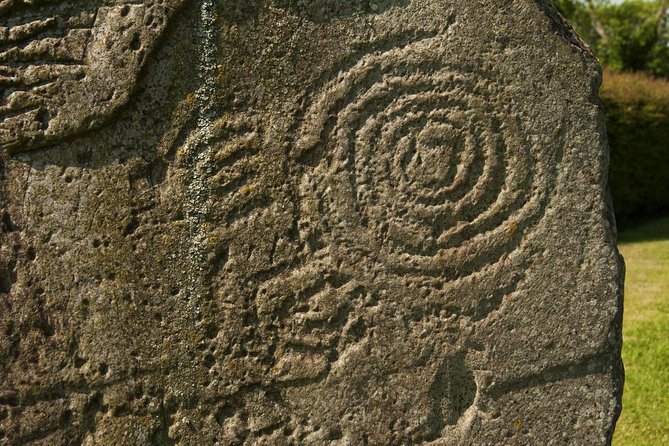
Newgrange gives this outing a clear purpose. The Boyne Valley is one of Ireland’s key prehistoric areas, and Newgrange is its most famous monument. Built as a burial site and place of worship, the tomb was carefully aligned with the winter solstice, when the rising sun enters the passage and reaches the inner chamber.
That design is the part I find most striking. This was not simply a pile of stones or a rough burial mound. The builders planned the orientation, structure, and passage with remarkable care. The experience includes a simulation of the solstice effect, so you can understand what happens even if you visit at another time of year.
The visit lasts about three hours, which sounds generous until you consider the travel, orientation, site interpretation, and time needed to take in the monument. Newgrange is not a quick photo stop. You need time to appreciate the carved stones, the shape of the mound, and the meaning attached to the site.
Entry into Newgrange and Brú na Bóinne is included in the tour price. That matters because the main reason to book this outing is access to the monument, not simply a drive through the Boyne Valley.
More Guided Tours in the world:
- Angkor Wat Sunrise or Sunset Tour with Guide from Siem Reap
★ 5.0 · 12,109 reviews - From Bangkok: Ayutthaya Temples Guided Tour with Lunch
★ 4.7 · 10,535 reviews - Athens: Cape Sounio & Poseidon Temple Trip with Audio Guide
★ 4.4 · 4,521 reviews
Leaving Dublin from the Molly Malone statue
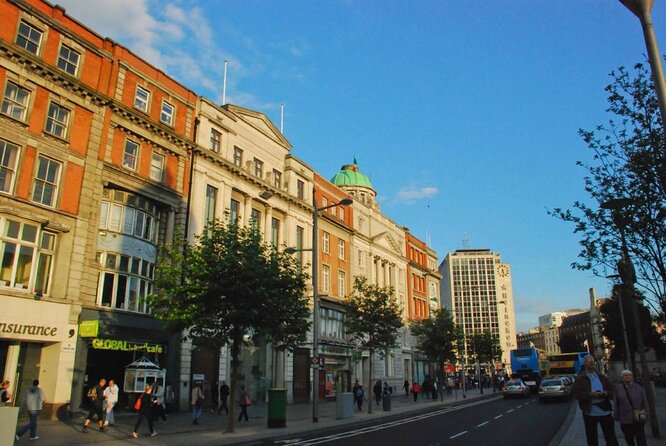
The day begins at the Molly Malone statue on Suffolk Street at 9:00 a.m. You meet the guide there, board the mini coach, and head north toward the Boyne Valley.
This meeting point is central and close to public transport, but you should arrive early. The tour has a set departure time, and one late-arrival problem described by a passenger involved reaching the coach just as it was preparing to leave. The practical lesson is simple: know exactly where the statue is, allow extra time, and do not count on a long waiting period.
The drive is part of the experience. Guides such as Matt, Kevin, and Richard have been praised for filling the journey with Irish history, local context, and light humor. The quality can depend on who leads your departure, though. Some guides give a running explanation of the day and explain how the Newgrange visit works. Others may offer less commentary.
That makes the guide an important part of the value. You are not hiring a specialist historian, and the company describes its leaders as local guides. Still, the strongest guiding on this route adds a great deal, especially when it explains what you are about to see and how each site connects to Ireland’s past.
Inside Newgrange and Brú na Bóinne
Newgrange is the part of the day that deserves the most attention. The monument dates from the Neolithic period and predates both Stonehenge and the pyramids. Its age alone is impressive, but the careful solar alignment gives the visit real force.
You should expect an organized site visit rather than an entirely free-form walk. The Newgrange admission is included, and the site staff provide the detailed explanation of the monument. Your own guide may give background before you arrive, then direct you toward the next part of the visit.
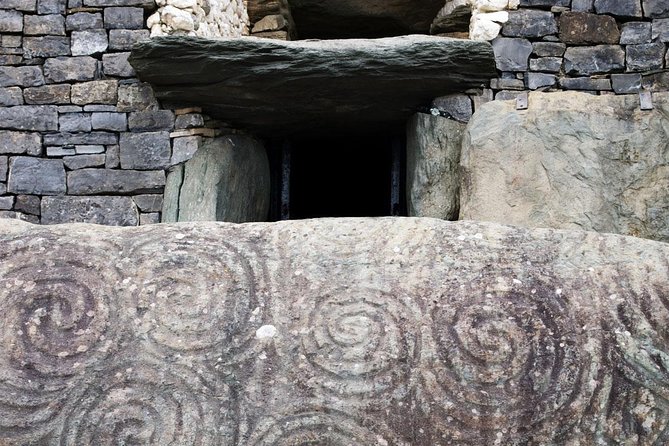
Inside, the passage is narrow and the chamber is enclosed. The solstice simulation helps you picture the beam of sunlight moving through the roof box and down the passage. It is a clever way to make the monument’s purpose clear, particularly for visitors who cannot attend during the actual winter-solstice sunrise.
Bring a camera for the outdoor portions, but remember that the most memorable part of Newgrange is not just the exterior. It is the engineering, the carved stones, the dark chamber, and the idea that people planned this structure around the movement of the sun thousands of years ago.
Weather matters. The tour runs outdoors between sites, and rain gear is recommended. Wear climate-appropriate clothing and sturdy shoes. The site can feel exposed in wet or windy weather, and you do not want poor clothing to shorten your time at Ireland’s most important prehistoric monument.
The Battle of the Boyne at Oldbridge Estate
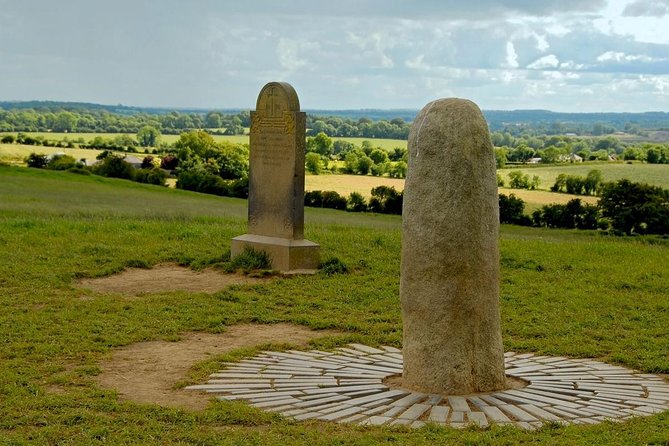
The Oldbridge Estate and Battle of the Boyne Visitors Centre provide a sharp change of subject. Newgrange takes you back to prehistoric Ireland. Oldbridge moves into the political and religious conflicts of the 17th century.
The Battle of the Boyne took place in 1690 and involved James II, the Catholic king, and William of Orange, the Protestant king of Holland. The outcome affected the throne of England, Ireland, and wider European politics. It also helps explain why the battle remains part of Northern Ireland’s political memory, including its annual commemoration on July 12 by the Loyalist community.
The listed stop allows about 90 minutes. The stop itself is included in the route, but the self-guided visitor experience may require payment at entry. Check what you want to see before you arrive, since the tour may give you time on the grounds without including a full paid visit.
This is the most divisive part of the day in terms of interest. If your main goal is prehistoric Ireland, you may find the battlefield less compelling than Newgrange or Monasterboice. If you want a wider view of Irish and British history, it adds useful political context.
The itinerary can also change. In some seasons or on some departures, the Battle of the Boyne stop has been dropped in favor of Knowth, another major prehistoric monument. Mellifont Abbey has also been added on certain days. These changes can improve the day for people focused on early Irish archaeology, but you should not book this tour assuming every departure will follow precisely the same sequence.
Same country, a different morning at the gates:
- Lisbon: Jerónimos Monastery Entrance Ticket
★ 4.1 · 14,164 reviews - Teotihuacan, Guadalupe Shrine & Tlatelolco Day Tour with Lunch
★ 5.0 · 11,603 reviews - Siem Reap: Angkor Wat: Small-Group Sunrise or Sunset Tour
★ 5.0 · 9,444 reviews - Athens: Cape Sounion & Poseidon Temple Sunset Half-Day Trip
★ 4.8 · 8,241 reviews
Monasterboice and Ireland’s finest high cross
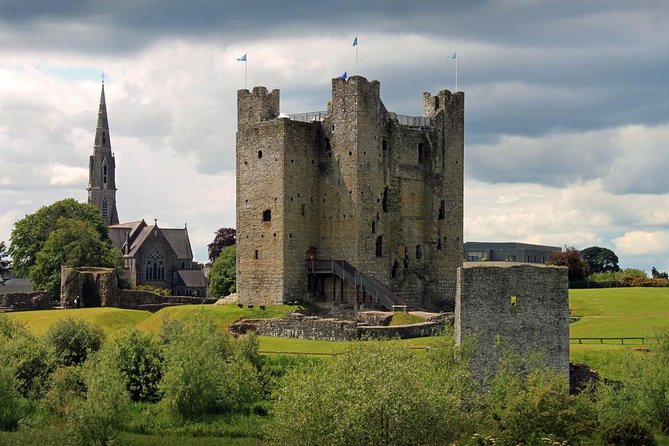
Monasterboice, or Mainistir Bhuithe, is a 5th-century monastic site founded by St. Buithe. The remains include two church buildings, a cemetery, a round tower, and three great high crosses.
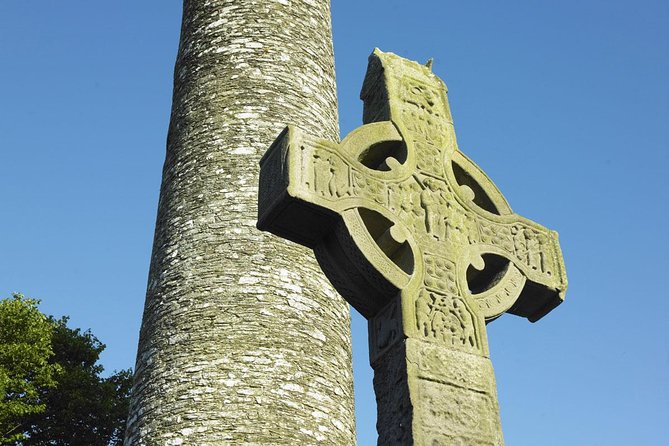
The 28-metre round tower is in unusually good condition. It was likely built soon after 968 and suffered fire damage in 1098. Like other Irish round towers, it gives you a sense of the scale and organization of an early monastic settlement, even though the original community is long gone.
The high crosses are the real reason to stop. They date from the 10th century and show scenes from the Old and New Testaments. Muiredach’s High Cross is about 5.5 metres tall and is often regarded as the finest high cross in Ireland. The carvings are detailed enough to reward a slow walk around each side.
You receive about 40 minutes here. That is enough to see the main monuments and take photographs, but not enough for a long, scholarly study of every carving. The site is open and atmospheric, with the ruins and graveyard spread around you. Your guide may provide background, but you should also take time to look closely at the stonework yourself.
For me, Monasterboice is a smart companion to Newgrange. One site shows the beliefs and engineering of prehistoric people. The other shows how early Christian Ireland used stone to tell biblical stories. The contrast gives the day more range than a single-monument outing.
What the mini coach and group size mean
Transportation is by a small, comfortable mini coach, with a maximum of 29 people. That is smaller than a full-size tour bus and makes the day easier to manage at stops and on country roads.
Still, 25 to 29 people is not a tiny group. If you want a highly personal walking tour where the guide knows everyone by name, this may feel too large. The best description is a moderate-size coach tour with a more manageable vehicle, not a private or very small-group experience.
The vehicle is a major convenience if you are staying in Dublin without a car. Reaching Newgrange, Oldbridge, and Monasterboice independently is possible, but public transport connections would not provide the same simple one-day route. You avoid navigation, parking, and the risk of losing time between sites.
Hotel pickup and drop-off are not included. You return to the Molly Malone statue at the end of the day, so allow time to get back to your accommodation.
Is $102.79 a fair price?
At $102.79 per person, this is not the cheapest way to spend a day near Dublin, but the price makes sense if you value convenience. It covers the mini coach, an English-speaking guide, and entry to Newgrange and Brú na Bóinne. You also fit several historic places into roughly eight hours.
The strongest value comes from Newgrange admission and the transport. You do not need to rent a car, find your way through the Boyne Valley, or arrange separate visits to the sites. For a solo visitor, couple, or family without a vehicle, that can easily outweigh the extra cost of a guided day.
Food and drinks are not included. Bring snacks and water, or be ready to buy food during the outing. One comment specifically found the snack-bar food disappointing, so I would not plan the whole day around a substantial meal there.
The tour is booked an average of 66 days ahead, which suggests you should reserve early during busy travel periods. It also offers free cancellation up to 24 hours before the start time. If poor weather cancels the trip, you can choose another date or receive a full refund. The same applies if the minimum number of participants is not reached.
Which guide experience should you expect?
The best guide performances on this route have come from Matt and Kevin, with Richard also praised for driving and guiding well. Matt is repeatedly described as funny, friendly, and strong on historical explanation. Kevin has been praised for keeping the group engaged and making the journey informative. These names give you a useful idea of the style available, but guides are assigned by departure, so no particular person is guaranteed.
A good guide makes a practical difference here. Newgrange has rules, timing, and a specific visitor process. Clear instructions about wristbands, meeting points, and where to go next can prevent confusion. Commentary on the coach also gives meaning to the countryside outside the windows.
There is some inconsistency in how much background a guide may provide. One account described a guide who offered little explanation at the ruins and made an insensitive comment about the Famine. That is worth keeping in mind. Local guiding can be warm and entertaining, but it is not the same as a formal history lecture.
If you want specialist interpretation at every stop, you may find the experience uneven. If you want transport, orientation, local stories, and access to the main monuments, the strongest guides provide good value.
Who should book this day trip?
This tour suits you if you are staying in Dublin, do not want to drive, and want to see Newgrange without spending several days in the Boyne Valley. It is also a good choice if you enjoy ancient monuments but want a little later Irish history mixed in.
You will likely enjoy it most if you can handle a full day with several stops and changing weather. Families, solo visitors, and couples can all take part, and most people can participate. The day includes walking outdoors, time at ruins, and a visit to a monument with a narrow passage.
You may want a different option if you prefer a slow, single-site visit. You may also be disappointed if you expect a private small group, a guaranteed Knowth visit, or a specialist historian as your guide.
Should you book the Newgrange and Monasterboice tour?
Book it if Newgrange is high on your Ireland list and you need a practical way to reach it from Dublin. The included entry, central meeting point, and mix of prehistoric, medieval, and 17th-century sites make this a useful one-day package.
Go in with the right expectations. The day is long, the group can approach 29 people, food is extra, and the exact route may change by season. Arrive early at the Molly Malone statue, dress for rain, and bring snacks.
For most people without a car, I think the convenience justifies the price. The main reason to choose this tour is Newgrange. Monasterboice then gives you a quieter, more personal look at Ireland’s carved-stone tradition, while the Battle of the Boyne adds political context if that stop remains on your departure.
FAQ
Where does the tour begin?
The tour begins at the Molly Malone statue on Suffolk Street, Dublin 2. The start time is 9:00 a.m.
Where does the tour end?
The tour ends back at the Molly Malone statue, the same place where you meet the guide.
Is Newgrange admission included?
Yes. Entry to Newgrange and Brú na Bóinne is included in the tour price.
Is food included?
No. Food and drinks are not included, so bring snacks or plan to buy food during the day.
How large is the tour group?
The tour uses a small mini coach and accepts a maximum of 29 people. It is smaller than a full-size coach but may not feel intimate to everyone.
Can the tour itinerary change?
Yes. Seasonal or daily changes can occur. Knowth may be included from March to October, and some departures may visit Mellifont Abbey or replace the Battle of the Boyne stop.
Just added around the world
- Chiang Mai Temples & City★ 5.0 · 10 reviews
- Full Day Chiang Rai 3 Temples White, Blue,Big Bhudha Temples★ 4.5 · 11 reviews
- Chiang Mai Old City & Temples 3 hour Twilight Walking Tour★ 5.0 · 9 reviews
- Chiang Mai Temples & Old City Hidden Gems Small Group Tour 2 Hrs★ 5.0 · 6 reviews
- Chiang Mai City and Temples Half-Day Tour★ 4.5 · 136 reviews
- Chiang Mai Old City & Temples Guided Walking Tour – 3 Hrs★ 4.5 · 34 reviews
- Half Day Chiang Mai City Temples & Museum Tour – Group or Private★ 5.0 · 11 reviews
- Chiang Mai Iconic Temples and City Tour★ 4.5 · 17 reviews
Guided, compared.
Angkor Wat Sunrise or Sunset Tour with Guide from Siem Reap
Read our review →

Cape Sounio & Poseidon Temple Trip with Audio Guide
Read our review →

Angkor Wat Sunrise tour with Small – Group and Guide tours
Read our review →
Grand Palace, Wat Pho, and Wat Arun Guided Tour
Read our review →
Angkor Wat Highlights and Sunrise Guided Tour from Siem Reap
Read our review →