
REVIEW · CHIANG RAI TEMPLE TOURS
Chiang Rai: Excursion White, Blue,Red Temples & Lalitta Café
Chiang Rai’s three famous temples give this long day trip its punch: a gleaming white shrine, a sapphire-blue hall, and a hilltop complex crowned by a huge white Guanyin. The White Temple is the star, but the changing colors and styles make the full route more interesting than a single temple visit.
I like the practical mix of culture and comfort. You get hotel pickup, an English-speaking guide, temple admission, a Thai buffet lunch, and an air-conditioned vehicle for $59. I also like the way Mae Kachan Hot Spring and Lalitta Café break up the temple stops. The drawback is the distance: Chiang Mai to Chiang Rai takes about three hours each way, and crowded sites can leave you less than an hour at some stops.
Key points to know before booking
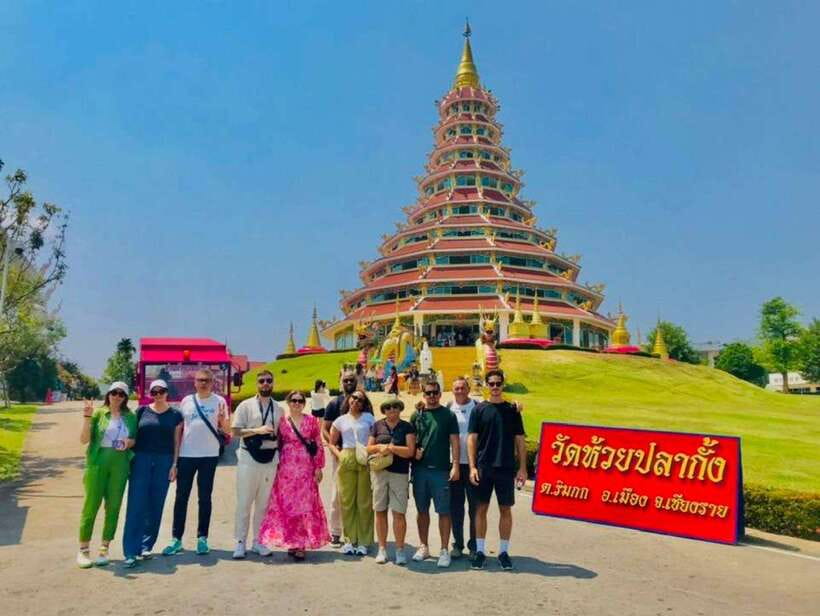
- Three very different temples: Wat Rong Khun is white and theatrical, Wat Rong Suea Ten is blue and ornate, and Wat Huay Pla Kang blends Thai Lanna and Chinese design.
- A serious driving day: Plan on 11 to 12 hours, with roughly six hours on the road between Chiang Mai and Chiang Rai.
- Strong guide potential: Guides named Goi, Bee, and MM have led departures praised for clear explanations and friendly service, though English ability may vary.
- Lunch is included: A Thai buffet is provided, helping keep the $59 cost reasonable.
- Lalitta is a photo stop with a café bill: Entry and time to look around are part of the outing, but food and drinks cost extra.
- Pack light: Only one small personal item is allowed in the van, up to 50 by 35 by 20 centimeters and 7 kilograms.
Why this Chiang Rai day trip is worth the long ride
This is not a relaxed Chiang Rai stay. It is a sightseeing sprint from Chiang Mai, designed for people who want to cover the province’s best-known religious sights in one day without arranging several transfers.
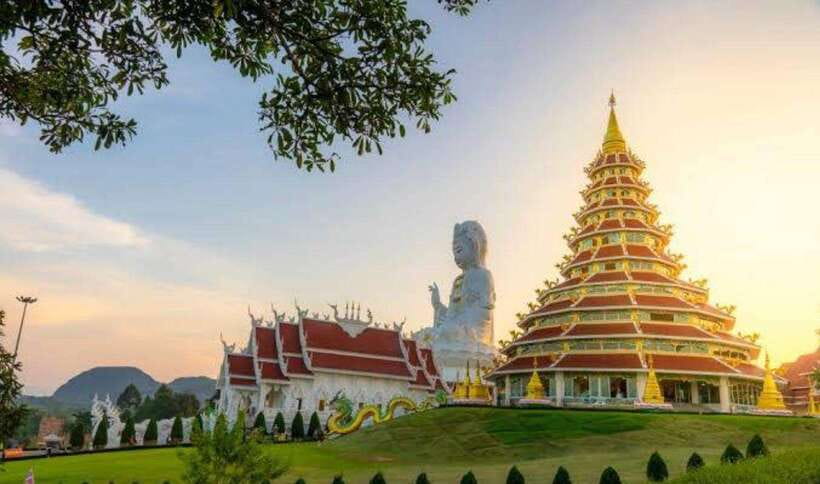
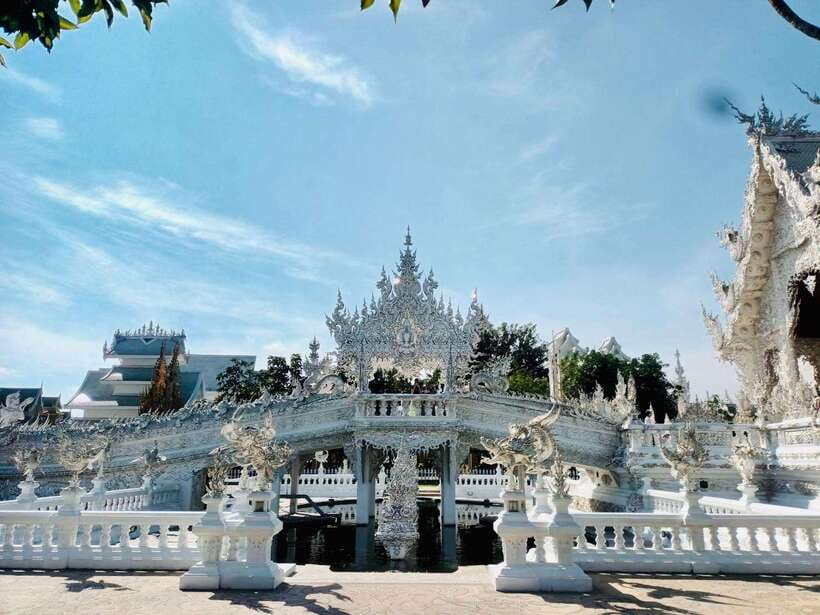
The reward is variety. Wat Rong Khun uses white plaster and glittering glass to create an almost unreal appearance. Wat Rong Suea Ten takes the opposite approach with deep blue walls, gold decoration, and huge Naga serpents. Wat Huay Pla Kang adds a broad hilltop setting, a nine-tiered pagoda, a Thai temple, and a vast statue of Guanyin.
I like that the route includes more than temples. Mae Kachan Hot Spring gives you a short chance to stretch your legs, while Lalitta Café offers a cool, leafy setting near the end of a tiring day. These are brief pauses, not major attractions, but they matter after hours in a vehicle.
The tradeoff is time. You leave Chiang Mai around 7:00 to 7:50 AM, depending on your hotel and pickup zone, and usually return around 7:00 to 7:30 PM. Traffic can delay the start. During high season, transport may be by bus rather than van, so check the vehicle arrangement before paying if that matters to you.
A few more temple visits around Chiang Rai worth a look
- From Chiang Mai: Chiang Rai Temples and Golden Triangle Tour
★ 4.5 · 1,770 reviews - Chiang Rai: Iconic Temples & 7 Major Sites—River View Buffet
★ 4.9 · 692 reviews - Chiang Rai: White, Blue, Red Temples, Long Neck Tour
★ 4.8 · 652 reviews
The road from Chiang Mai to Mae Kachan Hot Spring
Pickup is available from hotels inside Chiang Mai’s old city walls, with collection generally between 7:00 and 7:30 AM. Hotels outside the walls have a later window, usually 7:15 to 7:50 AM. If your accommodation falls outside the pickup zone, you meet the group at Wat Phra Singh or MAYA Lifestyle Shopping Center.
The first road section takes about 80 minutes before the Mae Kachan stop, while the full drive to Chiang Rai takes about three hours. That early pause is useful because you have barely begun the day when you already need a break. It can also feel like an interruption if you are eager to reach the temples.
Mae Kachan is a natural hot spring area where you have about 20 minutes to walk around and look at the steaming water. Treat it as a leg-stretching stop rather than a bathing experience. The provided details do not promise a soak, so bring realistic expectations.
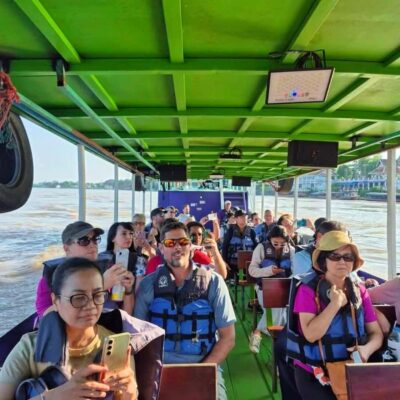
The van is air-conditioned, but comfort can vary. One departure had poor cooling, making the road section unpleasant. If you are sensitive to heat, bring sunglasses, a sun hat, and sunscreen, and ask the guide early if the air conditioning is not working properly.
Wat Rong Khun, Chiang Rai’s famous White Temple
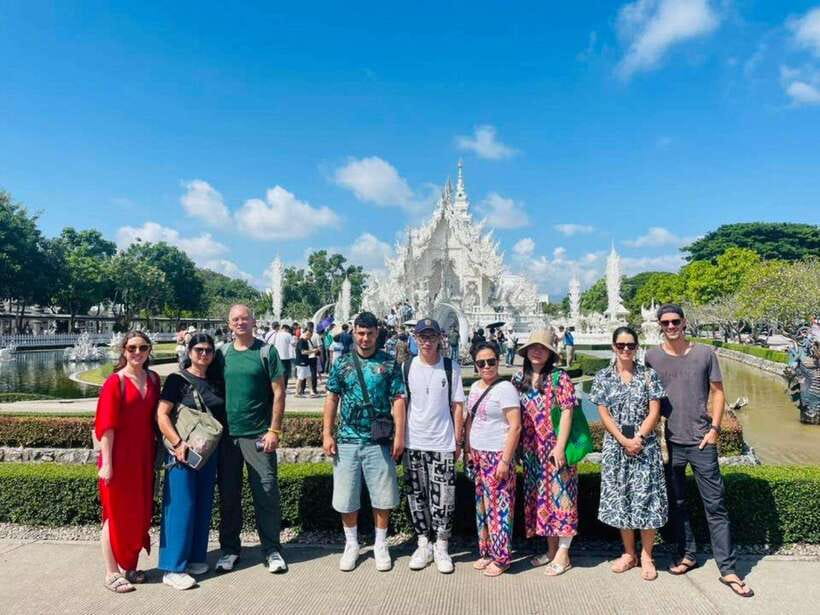
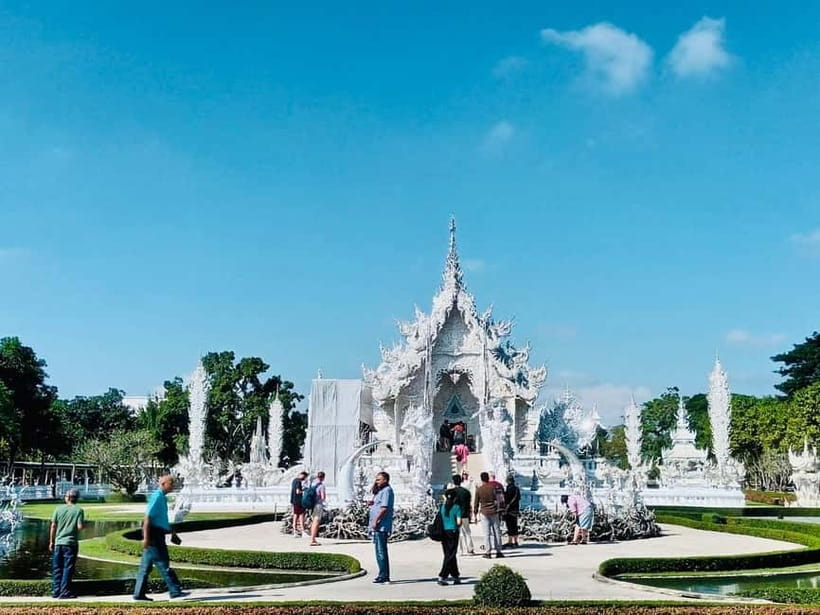
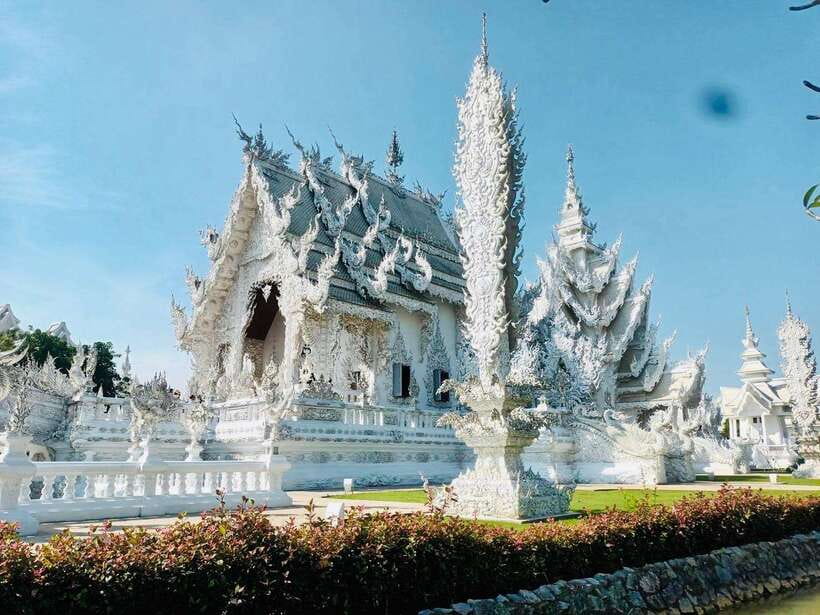
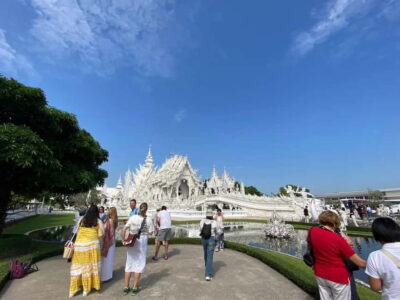
Wat Rong Khun, usually called the White Temple, is the main reason many people choose this excursion. Its pale exterior is covered with small pieces of reflective glass that catch the light. The color represents the purity of the Buddha, while the glass points to Buddhist wisdom and the Dhamma, or teachings.
The effect is theatrical, but the symbolism gives the building more than a pretty surface. You are not looking at an old temple preserved unchanged. Wat Rong Khun is a modern religious and artistic creation, designed to make Buddhist ideas visible through color, shine, and unusual decoration.
Your stop includes guided sightseeing, time for photographs, walking, and some shopping. This is the place where you will want your camera ready, but do not spend the entire visit facing the lens. Look closely at the details around the main building, since the white surfaces can seem simple from a distance and intricate up close.
The temple is also the first major sight after the long drive, so the crowd level matters. Several tour vehicles can arrive together, especially during busier periods. The result can be a packed viewing area and a visit that feels rushed. The guide may give you good explanations, but the actual free time can be limited.
After the White Temple, you have a Thai buffet lunch at a local restaurant. Since lunch is included, you do not need to budget for a separate midday meal. The menu and restaurant are not specified, so think of this as a convenient group lunch rather than a carefully chosen food tour.
Wat Rong Suea Ten and its blue interior
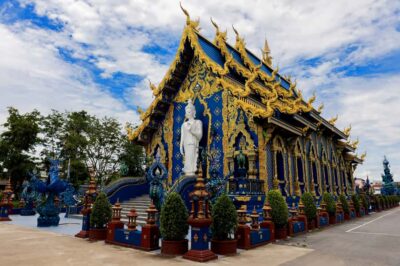
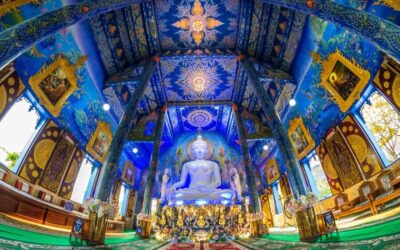
Wat Rong Suea Ten, the Blue Temple, is one of the most visually different stops. Its name means House of the Dancing Tiger, recalling the tigers said to have once moved through the area. The temple’s rich blue color is the first thing you notice, but the details reward a slower look.
The main assembly hall, called the viharn, has a decorated gable in the Lanna style. Floral patterns cover the upper section, while large Naga serpents guard the entrance. The combination of blue paint, gold accents, mythic creatures, and carved decoration gives the building a strong identity of its own.
This stop is especially good after the White Temple because the contrast is immediate. The White Temple reflects sunlight and feels almost weightless. The Blue Temple is darker, denser, and more enclosed. You can compare how color changes your sense of a sacred building without needing a long lecture.
The guide is important here. On different departures, guides named Bee, Goi, and MM have been singled out for explaining Buddhist culture and the temples during the drive and at the sites. English quality is not guaranteed to be equally strong every day, however. One departure had a guide whose English was difficult to understand, so visitors seeking detailed interpretation should treat the guide element as a possible strength, not a certainty.
Same country, a different morning at the gates:
- From Chiang Rai: Famous Temples and Golden Triangle Day Tour
★ 4.7 · 115 reviews - Chiang Rai: Half Day Tour – 3 Famous Temples & Lalita Cafe’
★ 5.0 · 79 reviews - Chiang Rai: 3 Temples, Long Neck Village & Lalitta Café
★ 4.7 · 63 reviews - Chiang Rai: 3 Temples and Golden Triangle 1 Day Tour
★ 4.8 · 37 reviews
Wat Huay Pla Kang, the so-called Red Temple
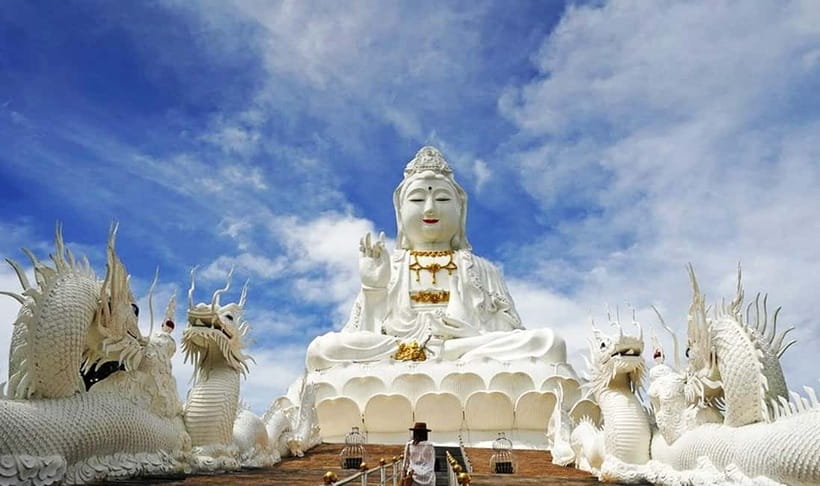
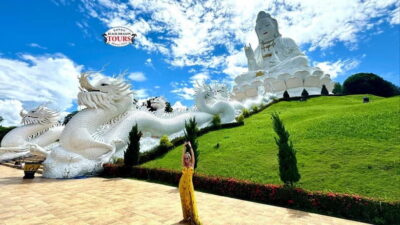
The third major stop is Wat Huay Pla Kang, often called the Red Temple in tour descriptions. The nickname can be confusing because the most striking feature is a huge white statue of Guanyin, the Goddess of Mercy, rather than a red-painted shrine.
The complex sits on a hill north of Chiang Rai town and brings together Thai Lanna and Chinese influences. Along with the large Guanyin figure, you can see a nine-tiered pagoda, a Thai-style temple, and open grounds for walking and photographs.
This is the broadest stop of the three. The buildings are spread across a larger area, so you are not limited to one hall and one entrance. The hilltop position also gives the visit a different feel from the White and Blue temples, which are more focused architectural set pieces.
Do not assume you will have a long, quiet visit. The schedule includes a guided stop, sightseeing, and free time, but busy days can compress the time available. Wear shoes you can walk in and keep your clothing respectful. Temple rules require shoulders to be covered and pants or skirts to reach below the knees.
Lalitta Café, a fairytale-style final stop
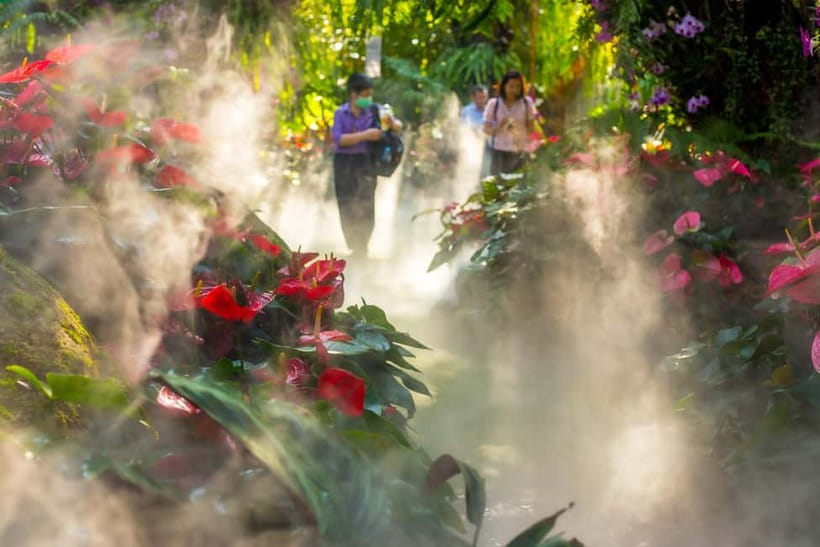
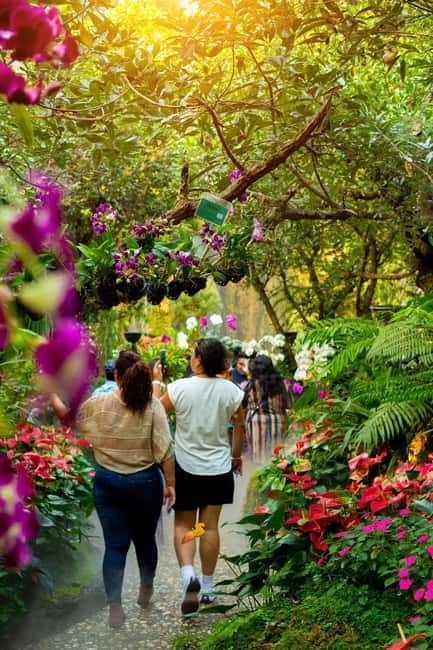
Lalitta Café is a very different kind of attraction. It is designed around the mythical Himmapan Forest, with thick greenery, misty paths, and an artificial waterfall. After a day of white plaster, painted walls, and religious architecture, the cool forest theme gives the itinerary a visual change.
I can see why this works as the final stop. You have time to slow down, take photographs, and order a drink if you want one. Food and drinks are not included, so keep some money available if you plan to sit down.
The café has a practical weakness: it can become extremely crowded when several excursion vehicles arrive together. At peak times, the setting may feel less like a quiet forest and more like a packed photo site. Go in expecting atmosphere and a short rest, not solitude.
If café stops do not interest you, this is the easiest part of the tour to treat as optional in spirit. You still travel with the group, but you can use the break to sit, walk, or simply recover before the ride back.
The return ride and drop-off choices
The return trip to Chiang Mai takes about three hours. By this point, the long drive can feel heavy, especially if the van is full or the air conditioning is weak. On the other hand, the day has been broken into enough stops that you are not sitting continuously for the entire outing.
Drop-off locations include Wat Phra Singh, MAYA Lifestyle Shopping Center, and the Mueang Chiang Mai District. Airport pickup, airport parking pickup, airport drop-off, and airport parking drop-off are not available. Do not book this excursion on a tight flight schedule.
The luggage rule is strict and sensible for a small vehicle. You may bring one small personal item no larger than 50 by 35 by 20 centimeters and no heavier than 7 kilograms, and it must fit on your lap without disturbing anyone. Suitcases, large backpacks, and other bulky bags are not accepted. If you need to carry more than 7 kilograms, you must arrange an extra seat in advance.
Is $59 good value for this Chiang Rai route?
At $59, the price is fair for a full-day outing that includes hotel pickup and drop-off, transport, an English-speaking guide, temple entrance fees, a Thai buffet lunch, and travel insurance. Paying separately for transport from Chiang Mai, a private driver, three temple admissions, and lunch would likely require more planning and could cost more.
The value depends on what you want from the day. If your priority is seeing the famous sights with minimal effort, the package is convenient. You avoid changing buses, finding the temples yourself, and arranging a return journey after dark.
The price is less attractive if you dislike fixed schedules or crowded group stops. Some departures move quickly, and a guide may encourage the group to keep moving so the schedule stays on track. You also pay for the long return journey in time and energy.
A small group option is available, but the exact group size is not provided. During high season, a bus may replace the van. Ask about the vehicle and group setup before booking if personal space is important to you.
Who should book this day trip?
I would choose this excursion if you are based in Chiang Mai and have no spare night for Chiang Rai. It works well for first-time visitors who want the region’s most recognizable temples, a provided lunch, and a guide to explain the basic Buddhist and architectural details.
It also suits active sightseers who accept a long day for a broad sample of northern Thailand. The mix of temple styles keeps the route from feeling repetitive, and the hot spring and café provide small changes of pace.
I would hesitate if you have back problems, dislike long vehicle rides, or need wheelchair access. The experience is not suitable for wheelchair users or people with altitude sickness. It is also a poor match for anyone who wants a quiet, slow visit at each temple.
Book clothes that cover your shoulders and knees, pack sunscreen and water, and leave large luggage behind. Cancellation is free up to 24 hours before departure, and reserve-now-pay-later booking is available, which helps if your Chiang Mai plans are still shifting.
Should you book it?
Book it if three famous temples in one day sound worth six hours on the road. The White Temple is the essential stop, while the Blue Temple and Wat Huay Pla Kang add enough contrast to justify continuing to Chiang Rai.
Skip it if you would rather spend a night in Chiang Rai and explore at a calmer pace. The best version of this tour comes with a strong guide, working air conditioning, and manageable crowds. Ask about the vehicle during high season, give accurate hotel and WhatsApp details, and arrive ready for a long but visually rewarding day.
FAQ
How long is the Chiang Rai temple tour?
The excursion lasts about 11 to 12 hours. Pickup generally begins between 7:00 and 7:50 AM, depending on your accommodation, and return to Chiang Mai is expected around 7:00 to 7:30 PM.
How long is the drive from Chiang Mai to Chiang Rai?
The drive takes approximately three hours each way. The route includes a stop at Mae Kachan Hot Spring to break up the journey.
Is hotel pickup included?
Hotel pickup and drop-off are included for eligible locations in Chiang Mai. Pickup is generally available inside the old city walls and at certain locations outside them.
Where do I meet the tour if my hotel is outside the pickup area?
You may need to meet the group at Wat Phra Singh or MAYA Lifestyle Shopping Center. Provide your hotel or guesthouse name and a WhatsApp-compatible phone number when booking.
Is lunch included?
Yes. A Thai buffet lunch at a local restaurant is included in the price.
Are drinks and food at Lalitta Café included?
No. Food and drinks at Lalitta Café are at your own expense.
What should I wear to the temples?
Wear clothing that covers your shoulders and knees. Long pants or skirts below the knees are required for temple visits.
Can I bring a suitcase or large backpack?
No. Suitcases, large luggage, and large backpacks are not allowed inside the vehicle. One personal item is permitted, up to 50 by 35 by 20 centimeters and 7 kilograms.
Is the tour suitable for wheelchair users?
No. The experience is listed as unsuitable for wheelchair users and people with altitude sickness.
Just added around Chiang Rai
- Private trip Chiang Rai Day trip, White Temple, Blue temple★ 4.8 · 13 reviews
- From Chiang Rai 3 Temples & Golden Triangle &Tea Plantation★ 4.8 · 20 reviews
- From Chiang Mai : 3 Temples & Golden Triangle with Lunch★ 4.5 · 17 reviews
- ChiangRai:Full Package!Temples,Long Neck,The Golden Triangle★ 4.7 · 9 reviews
- Chiang Rai: Temple Treasures & Popular Sightseeings (Buffet)★ 4.7 · 10 reviews
- Chiang Rai:Photos of traditional Thai costumes,White Temple★ 4.9 · 26 reviews
- Chiang Rai White & Blue & Huay Pla Kang Temple& Lalitta Cafe★ 5.0 · 8 reviews
- Chiang Rai: Half Day Tour – 3 Famous Temples & Lalita Cafe’★ 5.0 · 79 reviews
Chiang Rai Temple Tours, compared.
Iconic Temples & 7 Major Sites—River View Buffet
Read our review →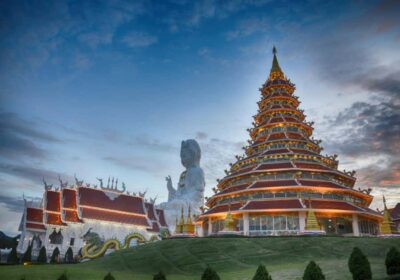
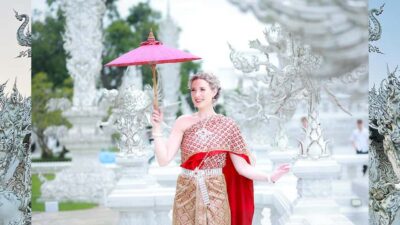
Photos of traditional Thai costumes,White Temple
Read our review →Browse the lists this tour appears in