
REVIEW · DOI SUTHEP TEMPLE TOURS
Chiang Mai: Doi Suthep Temple & Hmong Village Tour
Doi Suthep gives you Chiang Mai’s best quick lesson in mountain temples, with a gold-covered pagoda, a long Naga staircase, and a wide view over the city. I like the included cable-car ticket and the easy hotel pickup, which make this a good half-day choice at $22.
I also like that the tour adds a Hmong village rather than stopping at the temple alone. The main caution is time: the village visit lasts about 40 minutes, and shopping can feel rushed. One French guest found the guide hurried people along, while another guide, Taya, was praised for making the temple visit clear and helpful.
Key points
- Golden Doi Suthep pagoda: See one of Chiang Mai’s most important temples in classic Lanna style.
- Two ways to reach the temple: Ride the included cable car or climb the 306 Naga-lined steps.
- High city viewpoint: Look across Chiang Mai from about 3,520 feet, or 1,056 meters.
- Short Hmong village stop: Learn about local life, see traditional clothing, and browse textiles and crafts.
- Convenient morning schedule: Pickup runs from central areas, with transport and downtown drop-off included.
- Good low-cost value: For $22, you get transportation, a guide, temple entry, cable car, and accident insurance.
Why Doi Suthep makes a strong first stop
Wat Phrathat Doi Suthep sits high above Chiang Mai, reached by a winding road through the hills. The drive takes about an hour from the pickup areas, giving you a quick change from city streets to forested mountain scenery.
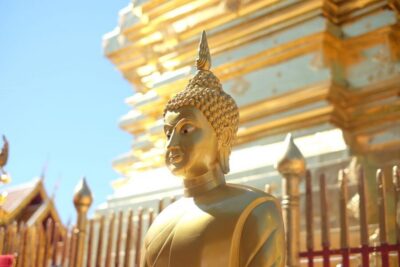
The temple is the main reason to book this outing. At the top, you’ll see a golden pagoda covered with engraved gold plates. Four ornamental umbrellas frame it, and the surrounding Lanna design gives the site a clear northern Thai character.
I like the way the tour handles the climb. You can take the cable car, which is included in the price, or walk up the famous 306-step staircase. The stairs are lined by a large Naga, a mythical dragon-headed serpent that winds down toward the road. If you want the visual drama without spending energy on the climb, take the cable car up and use the stairs for the return, if your guide and schedule allow.
The temple visit lasts about an hour. That is enough to see the main features and hear some background, but it is not a slow, reflective visit. One person found the explanation of Doi Suthep too brief, while another specifically praised Taya for making the temple informative. Your experience may depend partly on the guide assigned that morning.
More Doi Suthep Temple Tours in Chiang Mai:
- Chiang Mai: Doi Suthep and Wat Umong Enchanting Evening Tour
★ 4.6 · 1,811 reviews - Chiang Mai: Doi Suthep, Wat Umong, and Pha Lat Sunrise Tour
★ 4.7 · 1,425 reviews - Chiang Mai: Wat Pha Lat & Wat Phra That Doi Suthep Tour
★ 4.8 · 1,207 reviews
The 3,520-foot view over Chiang Mai
The mountain viewpoint is one of the tour’s biggest rewards. At about 3,520 feet, or 1,056 meters, you can look down toward Chiang Mai and see how the city sits below the hills.
The view is especially useful early in your visit because it helps you understand the area. Chiang Mai is not just a city of temples and cafés. It is a city backed by mountains, and Doi Suthep gives you that geographical picture in a single glance.
Bring a camera, but also bring water and sunscreen. The viewpoint can be bright, and the temple grounds include open areas where shade may be limited. Comfortable shoes are a smart choice even if you use the cable car, since you’ll still walk around the temple and village.
Weather can affect the view. The tour information promises the viewpoint, not perfect visibility, so keep your expectations sensible. On a clear morning, this may be the most memorable photo stop. On a hazy morning, the temple itself remains the stronger part of the visit.
Reaching the temple by cable car or Naga stairs
The included cable car ticket is a practical benefit, especially for anyone who does not want to tackle 306 steps. The ride saves time and effort, and it helps keep this four-hour trip moving.
The staircase offers a more traditional arrival. The Naga railing creates a striking entrance, and the scale of the stairway helps you appreciate how the temple is set apart from the city below. Still, the tour schedule is fairly tight, so you should not assume you’ll have unlimited time to take photographs on every step.
Short skirts and sleeveless shirts are not allowed. Wear clothing that covers your shoulders and knees, or bring a light layer to put on before entering the temple area. This is both a practical dress rule and a basic sign of respect at an active religious site.
What the Hmong village visit adds
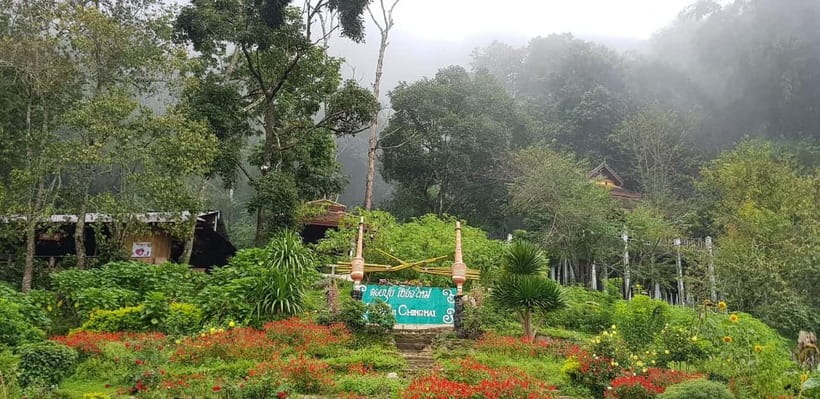
After about 20 minutes of driving from Doi Suthep, the tour reaches a Hmong hill tribe village. The planned visit lasts around 40 minutes, including a guided look at local life.
You’ll see colorful clothing and have a chance to learn about traditional ways of living. There are also textiles, ornaments, and handicrafts for sale. The optional museum ticket costs 20 baht, so the extra charge is small if you want more context during the stop.
This part of the tour needs the most careful expectation setting. A village visit arranged for a short group tour is not the same as spending a full day in a rural community. The stop includes shopping opportunities, and that commercial side is quite visible.
One Australian guest found the village interesting but felt the visit focused too much on selling. A French guest enjoyed the village but had only enough time to walk to the market and back. That same account described pressure around shop visits and commissions. I would treat the handicrafts as optional, not as the main reason to book.
If you enjoy buying small local goods, you may find this stop useful. You can look at textiles and ornaments, ask questions, and decide for yourself if anything is worth buying. If shopping is not your interest, stay focused on the cultural explanation and the village setting rather than expecting a long, quiet visit.
A few more temple visits around Chiang Mai worth a look
- Chiang Mai: Chiang Rai Temples, Karen Tribe and Hot Springs
★ 4.7 · 5,401 reviews - Chiang Rai White Temple and Blue Temple Day Tour
★ 4.6 · 3,366 reviews - Chiang Mai: White, Red/Black & Blue Temples Tour with Lunch
★ 4.2 · 2,017 reviews - Chiang Mai: 3 Hour Old City and Temples Guided Walking Tour
★ 4.6 · 1,568 reviews
A close look at the four-hour schedule
The day begins with hotel or guesthouse pickup. In the Night Bazaar and Old Town areas, pickup is scheduled between 8:00 and 8:30 a.m. In Santitham and Nimman, it is between 8:30 and 9:00 a.m.
The exact meeting point depends on the option you book. Free pickup is available from hotels and guesthouses in the Old Town, Night Bazaar, Nimman Haemin, and some parts of Santitham. You need to provide the accommodation name and address.
An Airbnb listed only by an address may not qualify for pickup. In that case, choose a nearby hotel or recognizable building shown on Google Maps. This small step can prevent a frustrating morning search.
The van ride to the mountain takes about an hour. After the temple, you drive around 20 minutes to the Hmong village. The return drive takes about 70 minutes, and the listed drop-offs include McDonald’s in Chiang Mai and the McDonald’s at the Imperial Hotel near Tha Phae.
That final drop-off arrangement matters. You may not return directly to your hotel, so check the location before booking and allow time to get back to your accommodation. The overall four-hour length is useful if you want to keep your afternoon open, but it also explains why the village stop can feel brief.
What $22 gets you
At $22 per person, this is a strong value for a short introduction to Doi Suthep. The price includes downtown hotel pickup and drop-off, a licensed English-speaking guide, the Wat Phrathat Doi Suthep entrance ticket, the cable car, and travel accident insurance.
You are not paying for a private tour. The transport, fixed timing, and short village visit point to a shared group experience. That keeps the cost low but also means you have less control over how long you spend at the temple, viewpoint, or market.
The 20-baht village museum ticket is optional and not included. Personal purchases are also extra. Bring some Thai baht if you want to buy handicrafts or enter the museum, but you do not need to shop to take part in the tour.
For someone staying in central Chiang Mai, the price covers the awkward part of the visit: getting up the mountain and back. You could arrange transport separately, but the included guide and temple admission make this package easier to compare and budget.
Guide quality and the shopping question
The guide can make a real difference here because the temple visit is short and the village stop has a commercial side. Taya is specifically praised for explaining the temple well and helping make the visit informative. Another guide helped a couple who had left their wallet at the hotel by advancing the entrance fees for the village garden and waterfall.
Those are useful signs of personal care, but they do not guarantee the same guide or the same pace. The tour language is English, and the guide is licensed, yet one person felt that Doi Suthep received too little explanation.
The most important point is to know what kind of village visit you are getting. You will have chances to buy local goods, and the guide may direct you toward particular vendors. If you want time to browse independently, say so early and clearly. The vehicle waits, but the schedule still controls the visit.
I would not book this tour mainly for shopping. I would book it for Doi Suthep, the view, and a short introduction to Hmong village life. Treat the market as an optional extra, and the experience will likely feel more comfortable.
Who will enjoy this tour most
This outing suits you if you want to see Chiang Mai’s signature mountain temple without spending a full day away from the city. It is also a sensible choice for first-time visitors who want transportation, a guide, and the main admission costs handled together.
It works well for people who prefer a compact morning. You’ll be back at a central drop-off after about four hours, leaving the rest of the day for Chiang Mai’s Old Town, markets, or a slower meal.
The tour may be less suitable if you want long photo stops, a quiet temple visit, or extended time in the Hmong village. The schedule moves from van to temple to van to village and back again. You get variety, but not much spare time.
The activity is marked wheelchair accessible, though non-folding wheelchairs are not accepted. Non-folding strollers are also not allowed. Unaccompanied minors, pets, luggage, and large bags are not permitted, so pack light and keep the morning simple.
What to bring for a smoother morning
Wear comfortable shoes for the temple grounds, stairs, and village walk. Even with the cable car, you will be on your feet during both main stops.
Bring water, sunscreen, and a camera. Dress modestly with covered shoulders and knees, avoiding sleeveless shirts and short skirts. A light covering is useful if your regular sightseeing clothes are too casual for the temple.
Do not bring large bags or luggage. The tour is designed for a small day bag and personal items, not airport transfers. If you plan to buy crafts, carry a modest amount of cash and leave room in your bag.
Should you book the Doi Suthep and Hmong Village Tour?
Book it if you want a low-cost, well-organized introduction to Chiang Mai’s mountain setting, especially if Doi Suthep is high on your list. The golden pagoda, Naga staircase, high viewpoint, cable car, guide, and central pickup make $22 a fair deal.
Go in with realistic expectations about the Hmong village. It is a short cultural stop with shopping, not an in-depth community visit. If you can accept that tradeoff, this tour gives you two distinct experiences in one morning without taking over your day.
You should look elsewhere if you want a private pace or a long village visit. For most people seeking the major Doi Suthep sights with a bit of added cultural context, this is a practical choice.
FAQ
How long does the tour last?
The tour lasts about four hours, including transportation, the temple visit, the Hmong village stop, and downtown drop-off.
What time is hotel pickup?
Pickup is between 8:00 and 8:30 a.m. in the Night Bazaar and Old Town areas. Pickup is between 8:30 and 9:00 a.m. in Santitham and Nimman areas.
Is hotel pickup included?
Yes. Free pickup is available from hotels and guesthouses in the Old Town, Night Bazaar, Nimman Haemin, and some Santitham areas.
Is the cable car included?
Yes. The Wat Phrathat Doi Suthep ticket and cable car are included. You may also climb the 306 steps to the temple.
How high is the Doi Suthep viewpoint?
The viewpoint is about 3,520 feet, or 1,056 meters, above sea level.
Is the Hmong village museum included?
No. Museum entry is optional and costs 20 baht.
What language does the guide speak?
The live tour guide speaks English.
Can I cancel the booking?
Yes. You can cancel up to 24 hours in advance for a full refund. You can also reserve now and pay later.
Just added around Chiang Mai
- Chiang Mai Temples & City★ 5.0 · 10 reviews
- Full Day Chiang Rai 3 Temples White, Blue,Big Bhudha Temples★ 4.5 · 11 reviews
- Chiang Mai Old City & Temples 3 hour Twilight Walking Tour★ 5.0 · 9 reviews
- Chiang Mai Temples & Old City Hidden Gems Small Group Tour 2 Hrs★ 5.0 · 6 reviews
- Chiang Mai Old City & Temples Guided Walking Tour – 3 Hrs★ 4.5 · 34 reviews
- Chiang Mai City and Temples Half-Day Tour★ 4.5 · 136 reviews
- Chiang Mai Best City Tour with Doi Suthep, Pha Lat & Chedi Luang★ 5.0 · 63 reviews
- The Best Chiang Mai City Private Tour: Famous Temples & Viewpoint★ 4.5 · 7 reviews
Doi Suthep Temple Tours, compared.

Doi Suthep and Wat Umong Enchanting Evening Tour
Read our review →
Doi Suthep, Wat Umong, and Pha Lat Sunrise Tour
Read our review →

Wat Phra That Doi Suthep spiritual Sunrise Tour with an Ex-monk
Read our review →
4-Hour Doi Suthep & Hmong Hill Tribe Village from Chiang Mai
Read our review →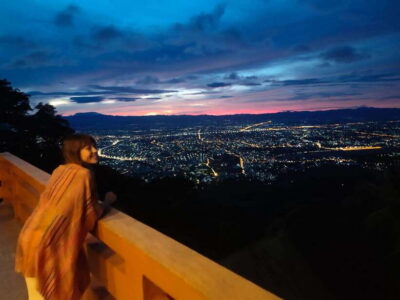
Spiritual Sunrise Wat Doi Suthep, Pha Lat, Alms & Meditation
Read our review →Browse the lists this tour appears in