
REVIEW · 4-DAY EXPERIENCES
Bucovina Painted Monasteries & Transylvania Tour: 4-Day Private
The painted monasteries of Bucovina are the heart of this journey. Their walls carry centuries-old scenes in startling colors, including the famous blue at Voroneț. Then the route turns west to fortified Saxon villages, medieval citadels, Brașov, and royal Peleș Castle. This is Romania in several distinct chapters, not one quick city tour.
I like the private transport and one-on-one guiding, especially on a route with long road stretches. I also like the personal care shown by guides Toni and Marius, who have helped with everything from explaining Orthodox art to handling a medical emergency. The main drawback is pace: four days cover a lot of ground, and some interior admissions appear to be paid separately despite the tour summary also referring to included entrance fees. Confirm this before booking.
Key points to know before you book
- Four days, three hotel nights: You leave Bucharest and return there, with breakfast included each morning.
- The monasteries are the main event: Agapia, Văratec, Sucevița, Moldovița, and Voroneț each offer a different setting and artistic story.
- A private guide changes the experience: Toni and Marius are named guides associated with this tour, and the format allows attention to your group rather than a large coach party.
- The route is ambitious: Medieval Sighișoara, Viscri, Brașov, the Black Church, and Peleș Castle follow the Bucovina visits.
- Budget for local entrance fees: The supplied information gives figures of about €25 to €30 per person, with several interior visits listed as not included.
- Dress matters at monasteries: Wear trousers or a long skirt for access to the grounds, and check photography rules before taking pictures.
Why Bucovina’s painted churches deserve two full days
Bucovina’s monasteries are not simply pretty churches set in green countryside. Their exterior walls are covered with religious scenes designed to teach biblical stories to people who might never read them. Inside, the paintings continue in a more intimate setting, where the light, icons, and Orthodox services add to the sense of place.
Agapia is a good first stop because it introduces both the religious life and the art of the region. The monastery was built between 1641 and 1643 and later painted by Nicolae Grigorescu from 1858 to 1861. That gives you two different periods to consider: the older foundation and the later work of one of Romania’s major painters.
Agapia is also a working nunnery with roughly 300 to 400 nuns. This is not a museum complex frozen for sightseeing. You are entering a living religious community, so quiet behavior and suitable clothing matter. The planned one-hour visit should give you time to see the church and grounds without turning the stop into a rushed photograph break.
Văratec is another large Orthodox nunnery, with more than 400 nuns. Its importance is not only architectural. It helps you understand how substantial these monastic communities remain. A one-hour visit is enough for an introduction, but you should not expect a full study of every building or religious object.
The distinction between Agapia and Văratec is useful. Agapia is closely linked to Grigorescu’s paintings, while Văratec gives you a stronger sense of the scale of monastic life in northeastern Romania. Together they make Day 1 more than a string of churches.
More Private Temple Tours in Romania:
- Sacred Monasteries Private Tour: Snagov, Țigănești & Căldărușani
★ 5.0 · 32 reviews - Private Half Day Trip to Snagov Monastery & Mogosoaia
★ 4.1 · 29 reviews - Hike to Poenari Fortress, Vidraru Dam, Argeș Monastery – Private
★ 5.0 · 26 reviews
Sucevița, Moldovița, and Voroneț in one demanding day
Day 2 is the visual high point, but it is also the day most likely to feel full. You spend about two hours at each of three major monasteries, with driving between them. That schedule gives you time to look properly, yet you will need to stay aware of the clock.
Sucevița combines Byzantine and Gothic elements with the forms typical of northern Moldavia. Its interior and exterior murals cover biblical scenes from both the Old and New Testaments. Here, I would slow down and look for the difference between seeing a wall as a single image and reading it as a sequence of scenes.
Moldovița was built in 1532 by Petru Rareș, the son of Stephen the Great. Its setting and defensive purpose reflect a period when monasteries also served as places of protection against Ottoman forces from the east. The walls are not decoration added after the fact. They are part of the church’s message and identity.
Voroneț is the name many people already know. Stephen the Great built it in 1488, reportedly in only three months and three weeks, to mark a victory at Vaslui. Its frescoes are famous for the intense shade called Voroneț blue. The color is not a minor detail. It is the visual reason the monastery has earned its popular nickname, the Sistine Chapel of the East.
Do not treat these three churches as interchangeable. Sucevița, Moldovița, and Voroneț show different combinations of architecture, painting, setting, and historical purpose. A good guide should help you notice changes in style and preservation rather than simply recite dates.
Photography rules need attention. At least one monastery charges about 10 lei for a receipt permitting outdoor photography, while interior photography may not be allowed. Dress in trousers or a long skirt. A covered head was not required in the information provided, but modest clothing is still the sensible choice for Orthodox religious sites.
One of the more unusual additions associated with this route is a painted egg museum. It is not listed as a formal stop in the day-by-day schedule, so do not assume it is guaranteed. If it can be fitted in, it adds another look at Bucovina’s decorative traditions.
The private van and the rhythm of the road
A private tour makes sense here because Bucovina and Transylvania are not compact destinations. You spend substantial time on the road, and comfortable transport matters after several hours of walking through churches and old towns.
The available information describes a new, spacious, air-conditioned van. That is a meaningful advantage over a crowded minibus, especially when you are carrying luggage for three hotel nights. Private transport also lets your guide adjust the pace when someone needs a break or is unwell.
The tradeoff is that a private tour does not make the distances disappear. You still have four days to cover two broad parts of Romania. I would choose this experience for concentrated sightseeing, not for slow mornings and long unscheduled meals.
The tour begins at 9:00 a.m., with pickup arranged anywhere in Bucharest, and ends back in Bucharest. Three nights in three-star hotels and three breakfasts are included. The supplied comments describe the accommodations as comfortable, with one group finding them closer to five-star quality than expected. Still, the official category is three star, so book for clean, practical lodging rather than luxury.
Meals other than breakfast, drinks, and snacks are not included. That gives you control over spending, but you should plan for lunch and dinner each day. One account specifically praised the local meals and reasonable prices, although your food choices and restaurant stops will depend on the guide and the day’s schedule.
Sighișoara brings the medieval story to life
After Bucovina, Day 3 changes the mood. Sighișoara’s historic center is a walled medieval citadel and a UNESCO World Heritage Site. Its value is the preserved urban setting: walls, lanes, old buildings, and the feeling of a town shaped by defense and trade.
You have about two hours here. That is enough to walk through the center and see the main character of the citadel, but it is not a full day for museums and slow exploration. Wear comfortable shoes and expect some uneven historic surfaces.
Sighișoara also helps connect the trip’s religious art with the later story of Transylvania’s German-speaking Saxon communities. The buildings here are not isolated monuments. They form an old town where commerce, defense, and daily life developed together.
Viscri is a smaller and quieter stop. Its fortified church is part of the UNESCO-listed Saxon villages of Transylvania and offers a look at medieval rural architecture. The one-hour visit is brief, but the contrast with Sighișoara is useful. You move from a fortified urban center to a village church built to protect a community.
The church entrance at Viscri is not included. This is one of the places where you should carry Romanian lei or have a practical way to pay locally. The supplied information does not specify the exact current charge, so confirm it on the day.
More Four-Day Trips in Romania:
- 4-Day Excursion of Angkor, Koh Ker, Beng Mealea, Tonle Sap and Waterfalls
★ 5.0 · 87 reviews - Luxury Cruise from Aswan to Luxor 4 Days with Abu Simble Temple
★ 5.0 · 60 reviews - 4 Days 3 Nights from Aswan to Luxor Nile cruise+Abu simbel temple
★ 5.0 · 27 reviews - 4 Days Expedition From Bangkok to Angkor Wat
★ 5.0 · 26 reviews
Brașov and the Black Church
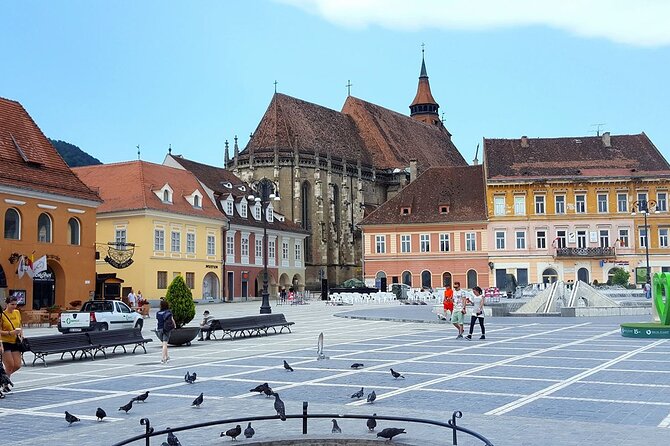
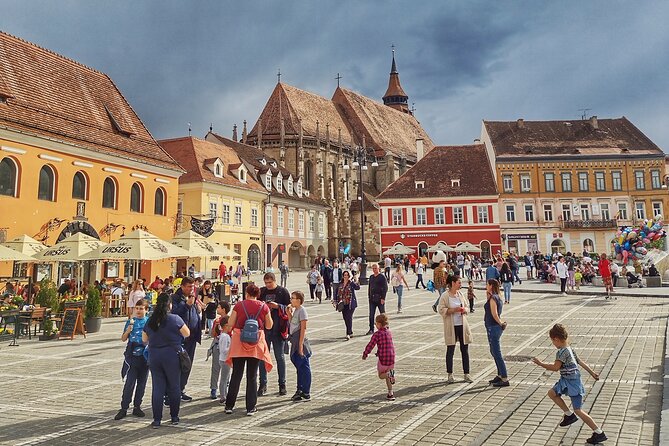
Brașov gives you two hours in a larger historic center. The city once served as the regional capital of the Transylvanian Saxons in the Burzenland area and grew as a major commercial point between East and West. That trading role helps explain the mix of influences you see in its architecture and public spaces.
Brașov is also tied to modern Romanian identity as the birthplace of the national anthem. A guide can put that fact into context while showing you the old center. With only two hours, you will get an orientation and a good walk, not a complete survey of the city.
The next morning, the Black Church receives one hour. Built by Brașov’s German community, it is the country’s main Gothic monument and one of the most important Lutheran churches in the region. Its scale and tradition provide a useful counterpoint to the Orthodox monasteries of Bucovina.
The interior admission is not included. If church interiors matter to you, ask your guide how much time is available and what the current fee is. The exterior and surrounding historic center still make the stop worthwhile, but the building’s interior is a major part of its identity.
Peleș Castle closes the route with royal polish
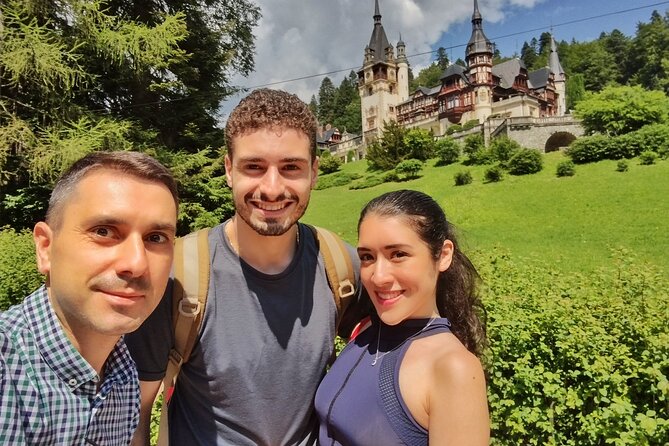
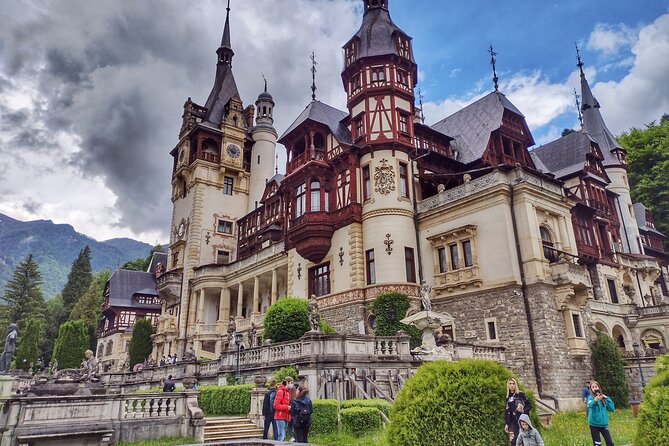
Peleș Castle is the final major stop, near Sinaia in the Carpathian Mountains. Built between 1873 and 1914 for King Carol I, it served as a summer royal residence and was inaugurated in 1883. The Neo-Renaissance design is a sharp change from the painted churches and fortified village architecture earlier in the journey.
You have about one hour. That is enough for a focused visit, but not enough to wander every room at a relaxed pace if the interior tour is busy. The interior admission is not included, so decide in advance if you want to pay for entry or concentrate on the exterior and setting.
Peleș sits along an old route linking Transylvania and Wallachia. That location makes it more than a grand house. It represents the royal period and the country’s effort to present itself as a modern European state while drawing on older regional routes and styles.
The castle is a strong final stop because it changes the scale and tone of the trip. After small monastic communities and medieval fortifications, you see a residence built for a king. The variety keeps the four days from becoming a repetitive church tour.
What the $1,356 price includes, and what it does not
At $1,356.43 per person, this is not a low-cost sightseeing package. Its value comes from private transport, hotel pickup and drop-off, a private guide, three hotel nights, three breakfasts, and a route that would be difficult to arrange efficiently without a car.
The price makes more sense for two or more people sharing a private vehicle than for a solo visitor paying the full per-person rate. Group discounts are offered, so ask for the current terms before booking. You are paying for time saved, personal attention, and the ability to cover both Bucovina and Transylvania in four days.
Budget extra money for meals, drinks, snacks, and admission fees. There is an inconsistency in the supplied details: some stop descriptions say admission is included, while the main exclusions say interior visits are not included and give an approximate total of €25 to €30 per person. Get a written clarification before payment so you know which churches and castles are covered.
The cancellation terms are also worth noting briefly. A full refund requires cancellation at least six full days before the start time. Cancellation two to six days ahead may return 50 percent, while cancellation less than two full days ahead is nonrefundable. Poor weather can lead to a new date or full refund.
Guides Toni and Marius add real practical value
The strongest personal element is the guide. Toni is described as a pleasant companion who worked hard to make the journey enjoyable. Marius is associated with detailed explanations of monastery art, history, and Orthodox religion, as well as careful pacing.
Marius also helped a sick participant find an emergency room, navigate the medical system, and get parked, staying late and assisting again the next morning. That is not a normal sightseeing feature, and you should not book expecting medical support. Still, it shows the level of personal attention possible on a private trip.
Toni and Marius appear to bring different strengths. Toni’s approach sounds warm and companionable, while Marius is especially focused on interpretation and practical care. Since guide assignment may depend on availability, ask who will lead your departure and whether the guide speaks your preferred language.
Who should book this four-day route?
I would choose this tour if you want to see Romania’s best-known painted monasteries but also want a first look at Transylvania without arranging several separate excursions. It suits people who value history, religious art, medieval towns, and private transport more than nightlife or long free periods.
It is also a good fit if you prefer asking questions as you go. A private guide can explain why one monastery uses a certain painting style, why a church was fortified, or how Saxon communities shaped Transylvania.
I would hesitate if you dislike long drives, early starts, or a packed schedule. Four days is efficient but not leisurely. You should also be comfortable with moderate walking and enough movement to enter churches, old towns, and castle grounds.
Should you book it?
Book this tour if the chance to see Bucovina’s painted monasteries is high on your Romania list and you want the comfort of a private vehicle. The strongest reasons are the rare combination of five monasteries, Sighișoara, Viscri, Brașov, and Peleș Castle, plus the personal attention associated with Toni and Marius.
Before committing, confirm the exact hotel names, guide assignment, daily driving times, and which entrance fees are included. If those details are clear and the price fits your budget, this is a powerful four-day introduction to Romania’s Orthodox, Saxon, medieval, and royal traditions.
FAQ
Where does the tour start and finish?
The tour starts and ends in Bucharest. Hotel pickup and drop-off can be arranged anywhere in Bucharest.
What time does the tour begin?
The stated start time is 9:00 a.m.
How long is the tour?
The experience lasts approximately four days and includes three nights of accommodation.
Is this a private tour?
Yes. Only your group participates in the private activity.
Are hotels and breakfast included?
Yes. Three nights in three-star hotels and three breakfasts are included.
Are meals and drinks included?
No. Lunches, dinners, drinks, and snacks are not included.
Are entrance fees included?
The supplied details are not fully consistent. Several stop descriptions mark admission as included, while the exclusions state that interior entrance fees must be paid locally and give an approximate amount of €25 to €30 per person. Confirm the exact coverage before booking.
What clothing should I wear at the monasteries?
Wear trousers or a long skirt for access to the monastery grounds. Photography rules vary, and one stated example requires a small fee for outdoor photographs while banning interior photography.
Just added around Romania
- Small Group Tour to Mogosoaia Palace and Snagov Monastery★ 5.0 · 23 reviews
- Private Half Day Trip to Snagov Monastery and Mogosoaia Palace from Bucharest★ 4.5 · 13 reviews
- Dracula’s Tomb Snagov Monastery | Mogosoaia Palace – PrivateTour★ 5.0 · 7 reviews
- Hike to Poenari Fortress, Vidraru Dam, Argeș Monastery – Private★ 5.0 · 26 reviews
- Mogosoaia Palace & Snagov Monastery: Private tour from Bucharest★ 4.5 · 14 reviews
- Mystical Monasteries, Dracula’s Tomb and Mogosoaia Lake Palace – Private Tour★ 5.0 · 20 reviews
- Peles Castle, Bran Castle, Rasnov Fortress and Sinaia Monastery Tour from Brasov★ 5.0 · 55 reviews
- Private Half Day trip to Slanic Salt Mine and Snagov Monastery★ 5.0 · 8 reviews
4-Day Experiences, compared.
4-Day Excursion of Angkor, Koh Ker, Beng Mealea, Tonle Sap and Waterfalls
Read our review →
Luxury Cruise from Aswan to Luxor 4 Days with Abu Simble Temple
Read our review →
4 Days 3 Nights from Aswan to Luxor Nile cruise+Abu simbel temple
Read our review →
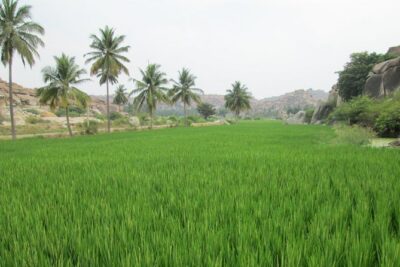
4 days tour from Bangalore to Hampi, Badami, Aihole & Pattadakal
Read our review →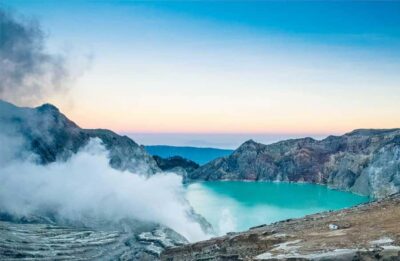
Bromo, Ijen, Borobudur, and Yogyakarta 4-Day Tour
Read our review →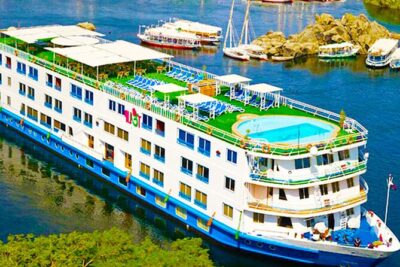
4 Days Nile Cruise; Aswan to Luxor Including Abu Simbel Temples
Read our review →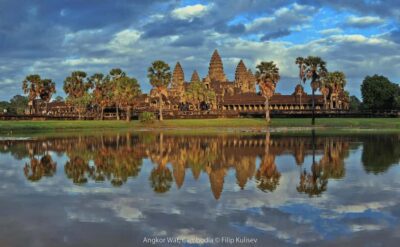
Browse the lists this tour appears in