
REVIEW · BOROBUDUR & PRAMBANAN TEMPLE TOURS
Borobudur: Batik, Gamelan, Pottery Making with Village Tour
Borobudur’s most memorable sights may be made by hand, not carved in stone. This private day takes you into nearby villages for batik painting, pottery, and gamelan music, with time to see how local families make tofu or coconut-palm sugar when the schedule allows.
I like the easy private-car format and the chance to make something you can take home. I also like the personal touch from guides such as Kiki and Joko, who know local producers and can adjust the day to your interests. The only real drawback is that lunch costs extra, and six to seven hours of walking, driving, and hands-on work may feel long in hot or wet weather.
Key points to know before booking
- Three hands-on crafts: Paint batik with wax and dyes, shape pottery, and try a traditional gamelan ensemble.
- Small village encounters: You may visit tofu makers, palm-sugar producers, and other home industries along the route.
- Private and flexible: Your own car and driver-guide make it easier to change the pace or add interests.
- Useful local guides: Kiki, Joko, and Castol have been singled out for friendly service, clear English, and strong local connections.
- Borobudur views beyond the temple: A viewpoint and village roads add a wider sense of the area.
- Good value at $36: Transport, guide, water, and three workshops are included, while meals and personal purchases are not.
Why this Borobudur village tour is worth your time
Many people come to Borobudur for the famous temple and leave having seen little of the community around it. This tour gives you a different look at Central Java. Instead of spending the whole day moving between major sights, you meet people who work with cloth, clay, bronze, soybeans, and coconut flowers.
That matters because the activities are not just demonstrations. You get to try the work yourself. Your batik pattern may be uneven, and your clay figure may look more handmade than museum-ready, but that is part of the fun. The finished object carries your own fingerprints and decisions.
At $36 per person, the value is strong if you want a full private day. The fee covers hotel pickup and drop-off in the Borobudur or Yogyakarta area, a private comfortable car, an English-speaking driver-guide, water, batik, gamelan, and pottery. You still pay for lunch and personal expenses, so keep a little cash available.
The price is especially appealing for couples, families, or small groups who would otherwise pay separately for transport and several short activities. If you are only looking for a quick temple visit, this is not the right choice. The tour is designed for people who want to spend most of a day with local crafts and village life.
More Borobudur and Prambanan Tours in Indonesia:
- Yogyakarta: Borobudur sunrise(guarantee climb up)& Prambanan
★ 4.9 · 1,545 reviews - Yogyakarta: Borobudur ClimbUp (sunrise option) & Prambanan
★ 4.9 · 1,260 reviews - Yogyakarta: Borobudur Climb-up and Prambanan Guide Tour
★ 4.9 · 1,031 reviews
Starting from Yogyakarta or Borobudur
Pickup can be arranged from hotels in Borobudur or Yogyakarta, and the listed pickup choices also include Borobudur Temple and Jalan Prawirotaman. You need to send your hotel name by email or WhatsApp so the pickup and return can be arranged properly.
The private car makes a difference. You are not tied to a large group timetable, and your guide can spend more time explaining a process if you are curious. You can also ask to keep moving if a stop is less interesting to you.
The drive and village walking take place in changing weather. Wear comfortable walking shoes, bring sunscreen and a hat for sunny conditions, and carry a raincoat or umbrella during the wet season. The tour includes a moderate amount of walking, often along village roads and near rice fields, so this is not a sit-in-the-car sightseeing trip.
Wanurejo and the first two hours of village life
Wanurejo is the main village setting for the guided portion of the day. You can walk through rice fields, see ordinary village surroundings, and get a feel for the slower rhythm of daily life near Borobudur.
The scenery is a useful part of the experience, not empty time between workshops. You may pass homes, small workspaces, and agricultural areas while your guide explains what you are seeing. Since this is a private tour, you can ask questions rather than simply follow a flag or listen to a fixed speech.
The exact mix of stops can vary. Along with the three main activities, the day may include a tofu-making workplace or a coconut-palm sugar producer. At a palm-sugar farm, you might see how sugar is made from coconut blossom and share tea with the farming family. One popular taste is ginger with coconut sugar, a simple local drink with a warm, spicy edge.
These extra stops make the tour feel less like a string of staged attractions. They also show how village income comes from many small home industries. The trade-off is that the route is not identical every day, so do not expect a rigid minute-by-minute program.
Batik painting with wax and dye
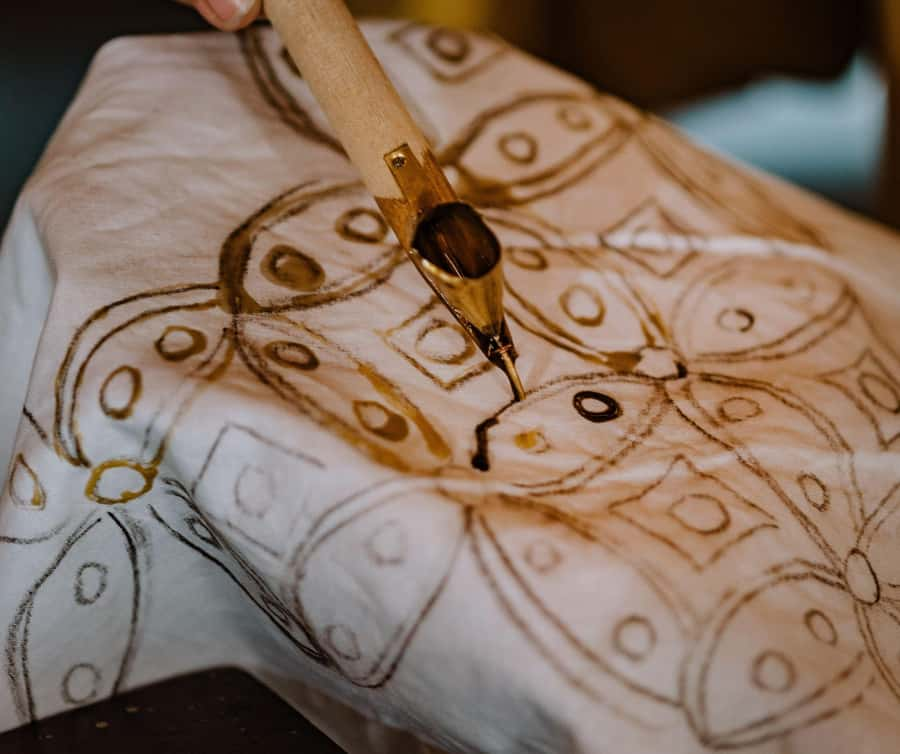
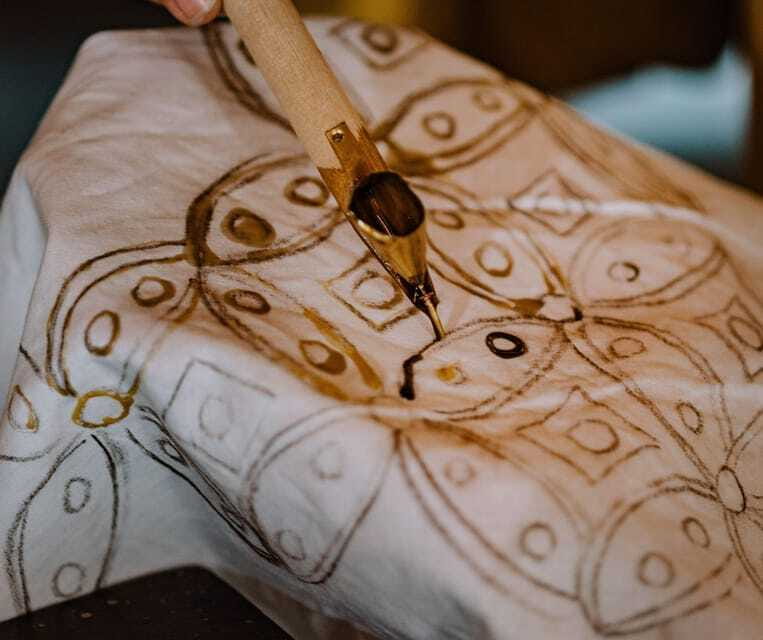
Batik is the most visually familiar craft on this tour, but the process becomes clearer once you try it yourself. You learn to draw or mark a design using wax, then work with dye so the waxed areas resist the color.
The result is a personal cloth rather than a factory souvenir. You may make a neat pattern, or you may discover that keeping wax lines even takes practice. That small struggle is useful. It helps you understand why finely made batik can require patience and skill.
Ask your guide or workshop host to explain the order of the steps before you begin. Pay attention to where the wax goes, since mistakes can affect how the dye spreads. You should also plan for the activity to take longer than a quick photo stop if you want to finish a piece.
Batik is a good choice for adults and older children who enjoy making things. It is less ideal if you dislike messy work or want a polished souvenir without spending time on it. The appeal is the process, not perfect results.
Same country, a different morning at the gates:
- Ubud: Monkey Forest, Jungle Swing, Rice Terrace, and Water Temple
★ 5.0 · 7,160 reviews - Ubud: Waterfalls, Water Temple & Rice Terraces Private Tour
★ 5.0 · 5,484 reviews - Bali: Uluwatu Kecak and Fire Dance Show Entry Ticket
★ 4.2 · 5,189 reviews - Uluwatu Sunset, Kecak Dance, and Dinner Jimbaran Beach
★ 5.0 · 3,681 reviews
Playing gamelan instead of just hearing it
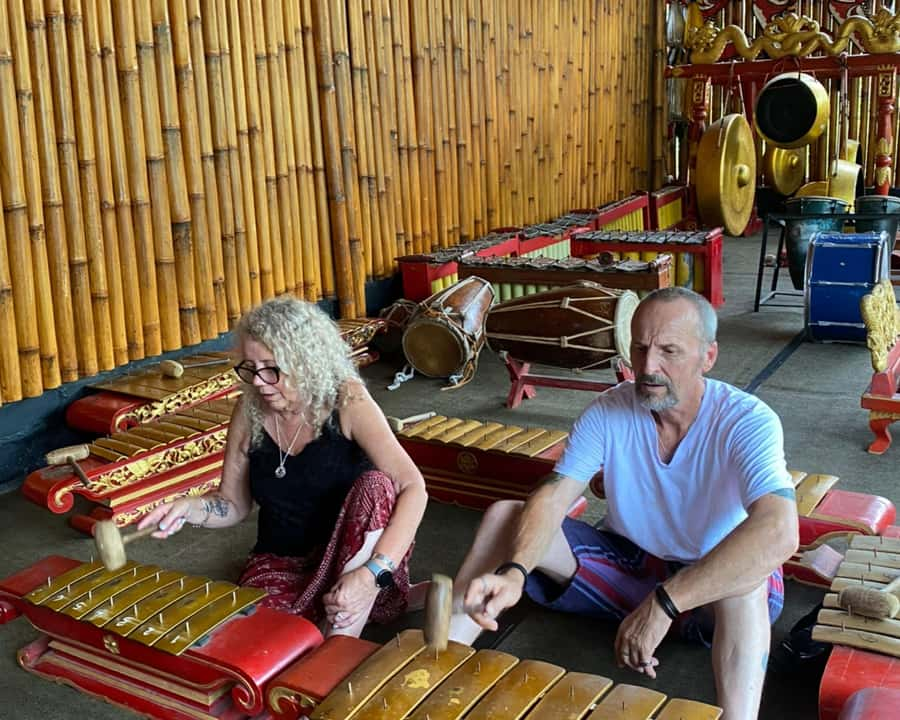
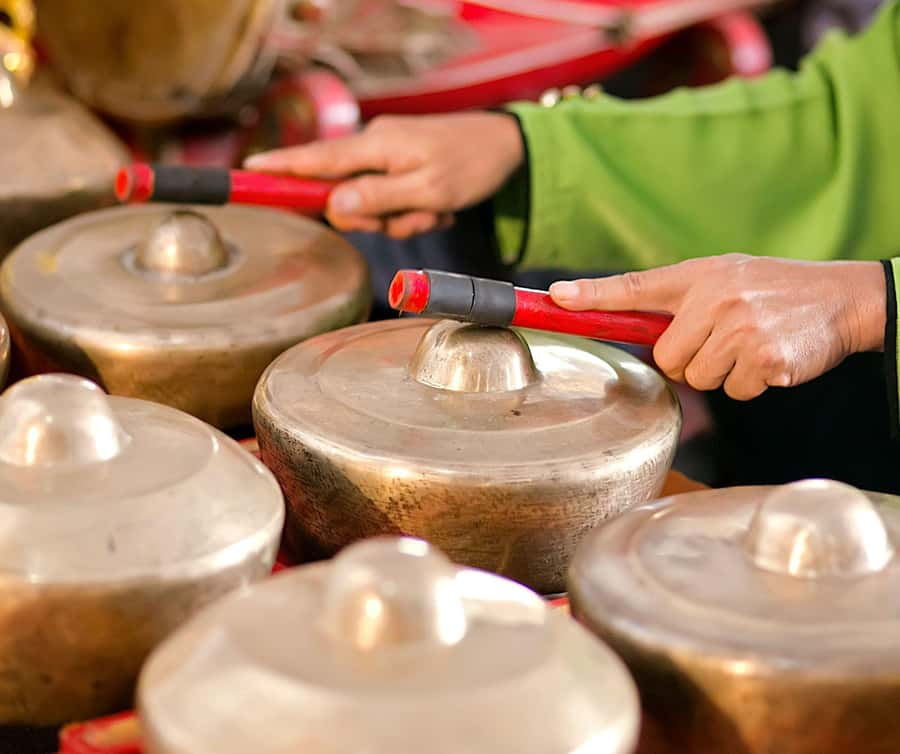
The gamelan session gives you a chance to play traditional Javanese bronze instruments. These instruments are used in ceremonies and community settings, and their sound depends on several people working together.
You do not need to be a musician to enjoy this stop. The point is to listen, follow the rhythm, and see how one instrument fits into the larger group. It is a welcome change of pace after the quiet concentration of batik and pottery.
The session also gives you a better sense of gamelan as a shared musical tradition. You are not simply looking at instruments behind glass. You are handling them and trying to keep up with the pattern.
If music is your main interest, tell the guide early in the day. Guides such as Kiki, Joko, and Castol have been praised for making the experience relaxed and easy to follow. The guide assigned to your booking may vary, but the tour is conducted in English.
Shaping clay into a souvenir
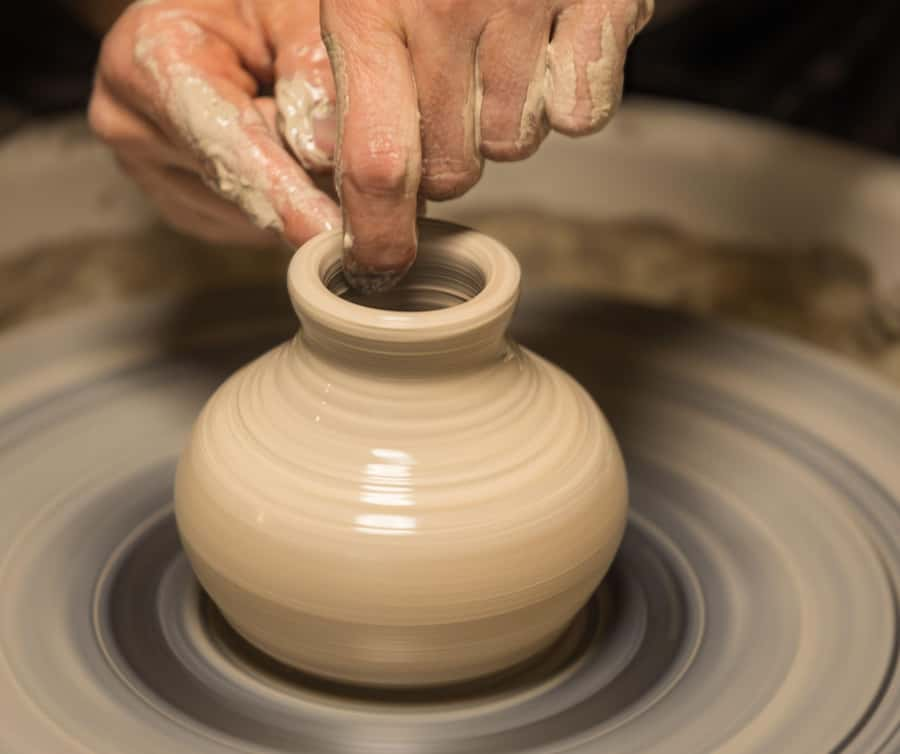
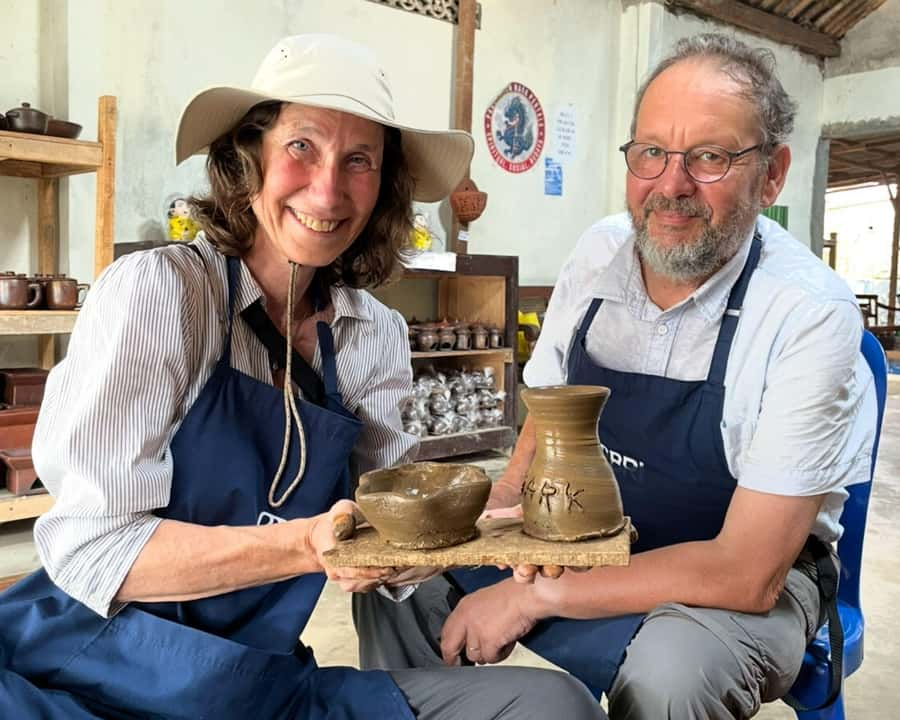
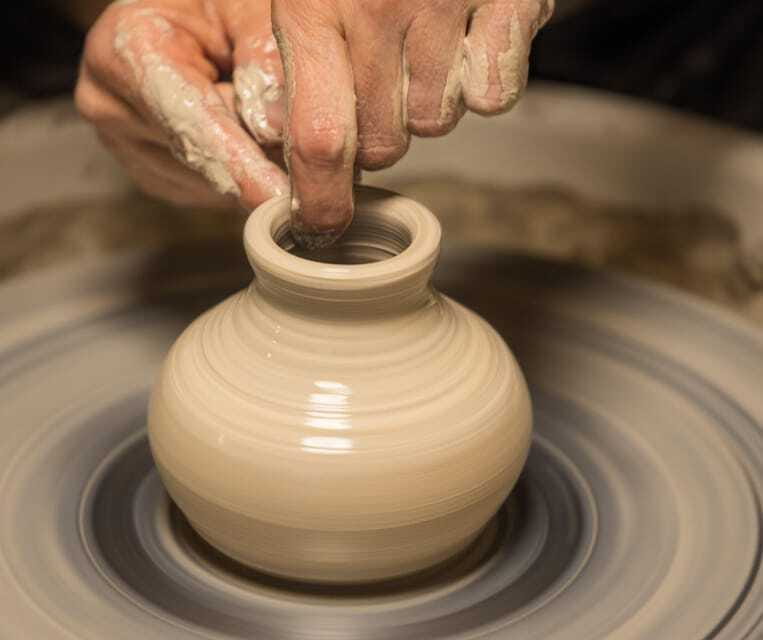
Pottery is the most tactile activity of the three. With help from local artisans, you use clay to make your own piece. You may create a small vessel or a stupa-shaped object, depending on the workshop and your idea.
This is another activity where the value comes from taking part. Your piece may not have the smooth finish of a professional potter’s work, but you will understand how much hand skill goes into even a simple form.
Ask how your pottery will be handled after you finish it. The supplied details confirm that you can take home your own creation, but the precise drying or firing process is not explained. If you are flying soon, protect the piece carefully and leave room in your luggage.
Pottery suits families particularly well because it gives children a clear task and a physical result. Clay can be messy, so wear clothes you do not mind getting marked.
The traditional village visit and local work
The village portion is where the tour gains its strongest sense of place. You are not only shown a craft; you can see how small producers fit work into family life. Tofu making and coconut-sugar production are examples of ordinary local businesses that visitors might otherwise miss.
A good guide helps connect the dots. Joko is local to Borobudur and has established relationships with small producers, while Kiki has been noted for making the day easy to follow and for caring about the communities visited. Castol has also been praised for being friendly and helpful.
That local connection is important. It can make introductions more natural and give you a chance to ask direct questions. Still, remember that these are working places, not theme-park displays. Be polite, listen carefully, and ask before photographing people or work areas.
You may also request a horse-drawn cart tour, but it costs an additional $35 per horse cart and holds up to three adults. This is optional, not part of the $36 tour price. For most people, the included car and walking route are enough.
A viewpoint with Borobudur in the distance
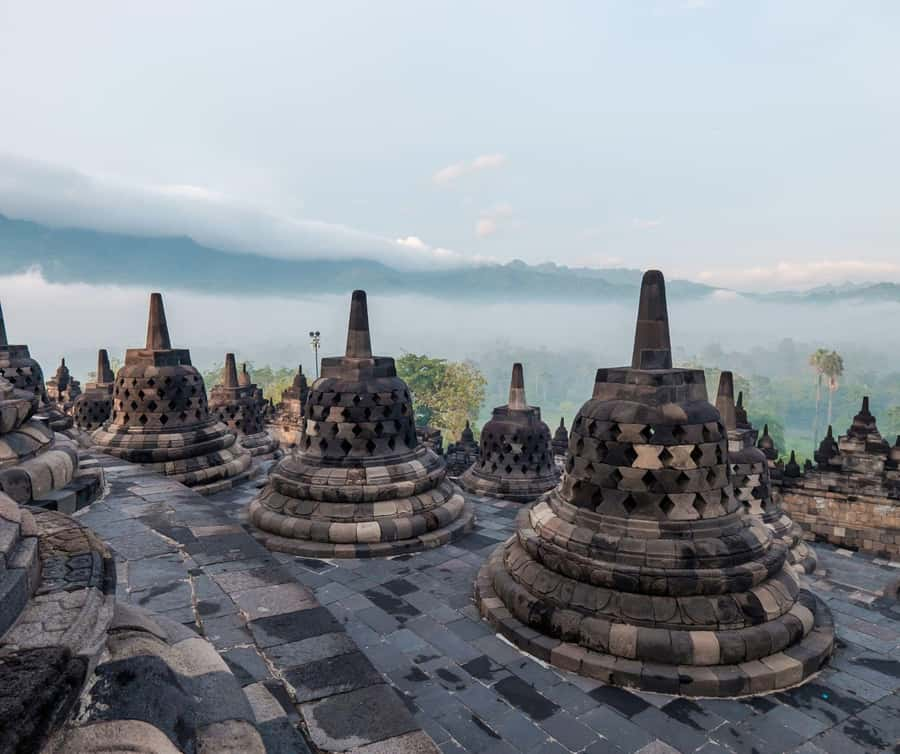
The tour includes a stop at a viewpoint where you can take in the beauty of Borobudur Temple and its surroundings. This gives you a useful change of angle after seeing the temple area from ground level.
The viewpoint is not a substitute for entering Borobudur Temple. It is best treated as a photo and orientation stop, with time to appreciate how the monument relates to the villages around it. If you want to visit the temple itself, check your temple admission and clothing requirements separately.
Modest dress is required if you visit Borobudur Temple, with shoulders and knees covered. Even if the temple is not part of your plan, conservative clothing is practical for village visits and religious settings.
Lunch, timing, and the shape of the day
The full outing lasts about six to seven hours. The published schedule gives roughly two hours for the guided Wanurejo workshop period and another two hours for a traditional village visit, with driving, the viewpoint, and transitions filling out the rest.
Lunch is optional and not included. Your driver can take you to a local restaurant after the activities, and the guide can suggest an authentic Javanese place. This arrangement gives you control over timing and budget, but you should not mistake lunch for part of the package.
A private tour is useful here because craft activities do not always run at the same speed. You may want extra time at the pottery table, or you may be ready to leave after making a simple batik design. The schedule can be adjusted to suit your interests, within the limits of the day and local workshop hours.
Fresh mineral water is provided. Still, carry any extra drinks or snacks you prefer, especially if you are traveling with children or expect the heat to bother you.
Who will enjoy this experience most
I would choose this tour if you want more than photographs of Borobudur. It suits people who like meeting local makers, trying practical crafts, and seeing how village businesses work.
It is also a good fit for families, couples, and private groups who value flexibility. The activities offer enough variety to keep the day moving: cloth for the careful maker, clay for the hands-on worker, and music for anyone who enjoys a shared activity.
You may want to skip it if your main goal is a short temple visit, a luxury meal, or a tightly controlled sightseeing schedule. The roads, village walks, weather, and handmade work all bring a little unpredictability.
The guide makes a major difference. Kiki has received especially warm praise for clear English, care, and local knowledge. Joko is a strong choice for visitors interested in small home industries, while Castol is described as friendly and attentive. Guide assignments are not guaranteed, so book this for the tour format rather than for one particular person.
Booking details that matter
Free cancellation is available up to 24 hours before the start time for a full refund. You can also reserve now and pay later, which helps if your Java plans are still changing.
The group is private, and the live guide language is English. Hotel pickup and drop-off are included from the Borobudur or Yogyakarta area, but you must provide your hotel name by email or WhatsApp.
Bring comfortable shoes, sun protection, and rain protection. If you plan to visit Borobudur Temple, cover your shoulders and knees. The tour uses a private car, and the horse cart is an optional extra at $35 per cart.
Should you book this Borobudur experience?
Book it if you want a practical, friendly introduction to village life around Borobudur. For $36, you receive transport, a private English-speaking guide, three hands-on activities, water, and the chance to see local producers beyond the main monument.
The strongest reason to choose it is the variety. You can make batik, shape clay, play gamelan, walk through rice fields, and perhaps taste coconut sugar or see tofu production in one day. The main caution is simple: this is an active cultural day, not a polished resort outing.
If you have one free day near Borobudur and want to meet local people rather than only view monuments, this is a sensible pick. Give yourself room for imperfect craft results, changing weather, and an optional lunch, and you should come away with both souvenirs and a better feel for Java’s living traditions.
FAQ
How long does the Borobudur village tour last?
The tour lasts about six to seven hours, including transport, village visits, workshops, and the viewpoint stop.
What activities are included?
The tour includes a batik-making workshop, a gamelan playing session, pottery making, a village visit, and a stop at a viewpoint overlooking Borobudur Temple.
Is hotel pickup included?
Yes. Pickup and drop-off are included from hotels in the Borobudur or Yogyakarta area. You need to provide your hotel name by email or WhatsApp.
Is this a private tour?
Yes. The tour uses a private group and a private comfortable car with an English-speaking driver-guide.
Is lunch included?
No. Lunch is optional and costs extra. Your driver can take you to a local restaurant, and the guide can recommend a place serving Javanese food.
Can I take home the pottery I make?
Yes. The experience includes making your own pottery piece to take home.
What should I wear and bring?
Wear comfortable walking shoes. Bring a hat and sunscreen in sunny weather, plus a raincoat or umbrella when rain is possible. If you visit Borobudur Temple, cover your shoulders and knees.
Can I cancel the booking?
Yes. You can cancel up to 24 hours in advance for a full refund. Reserve now and pay later is also available.
Just added around Indonesia
- Borobudur: Village Tour with Pottery and Tofu Making★ 5.0 · 34 reviews
- Borobudur Private Tour From Semarang Port★ 4.5 · 12 reviews
- Yogyakarta: Borobudur Temple Climb Up and Prambanan Temple Tour★ 5.0 · 53 reviews
- Chicken Church Local Attraction Near Of Borobudur Temple★ 3.5 · 18 reviews
- Borobudur Temple Combined Ticket Admissions★ 5.0 · 7 reviews
- Bali Pura Taman Ayun Temple, Monkey Forest & Tanah Lot Excursion★ 4.0 · 123 reviews
- Bali Famous Beach, Kecak Dance, Uluwatu Temple, Sunset, Dinner★ 5.0 · 8 reviews
- Tanah Lot-Nung Nung Waterfall-Jatiluwih and Bedugul★ 4.7 · 16 reviews
Borobudur & Prambanan Temple Tours, compared.

Borobudur sunrise(guarantee climb up)& Prambanan
Read our review →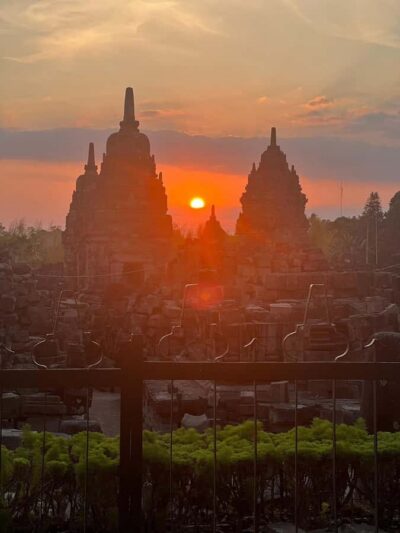
Borobudur ClimbUp (sunrise option) & Prambanan
Read our review →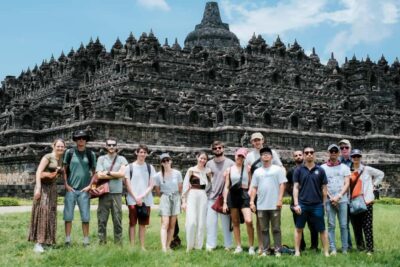
Borobudur Sunrise from setumbu Hill , Merapi Volcano & Prambanan Full Day Tour
Read our review →
Borobudur Sunrise, Merapi Volcano & Prambanan Full Day Tour
Read our review →
Borobudur Temple Climb To The Top & Prambanan Temple – 1 day tour
Read our review →
Borobudur Sunrise (Climb-up Assured) & Prambanan
Read our review →
Browse the lists this tour appears in