
REVIEW · INDONESIA TEMPLE TOURS
Balinese Purification at holy water temple with Local
Sebatu Temple gives you a close look at Balinese spirituality, not just another temple stop. You descend through jungle greenery to a holy-water spring, learn how Melukat purification works, and take part in the ritual with a local guide such as Putu Putra or Tunik.
I like the careful cultural explanation along the way, especially the discussion of offerings, healers, and black and white magic. I also like that this is a private trip, so you can ask questions without holding up a group. The main catch is practical: wet stone steps, a required change of clothes, and strict temple rules mean this is not a casual sightseeing stop.
Key points at a glance
- A real Melukat ritual: Follow a traditional Balinese purification process at Sebatu’s holy-water temple.
- Local guidance: Putu Putra and Tunik are named guides who explain the ceremony and answer questions in English.
- Jungle temple setting: Expect a stairway through greenery, with some steps that can be slippery after rain.
- Private transport from Ubud: An air-conditioned car picks you up and returns you to your hotel within the Ubud area.
- Lunch is your choice: The midday meal is not included, but the route can include an authentic Balinese restaurant.
- Optional healer visit: Add a local energy reading and cleansing with young orange coconut for an extra $40.
What the Sebatu purification ritual really involves
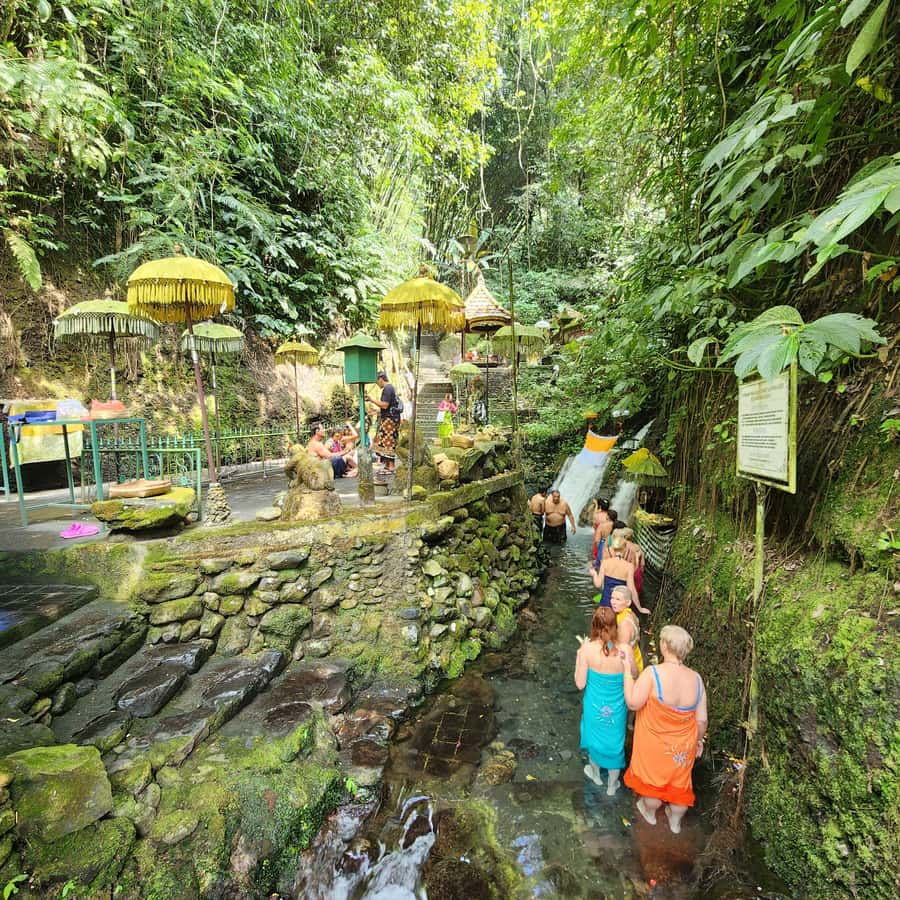
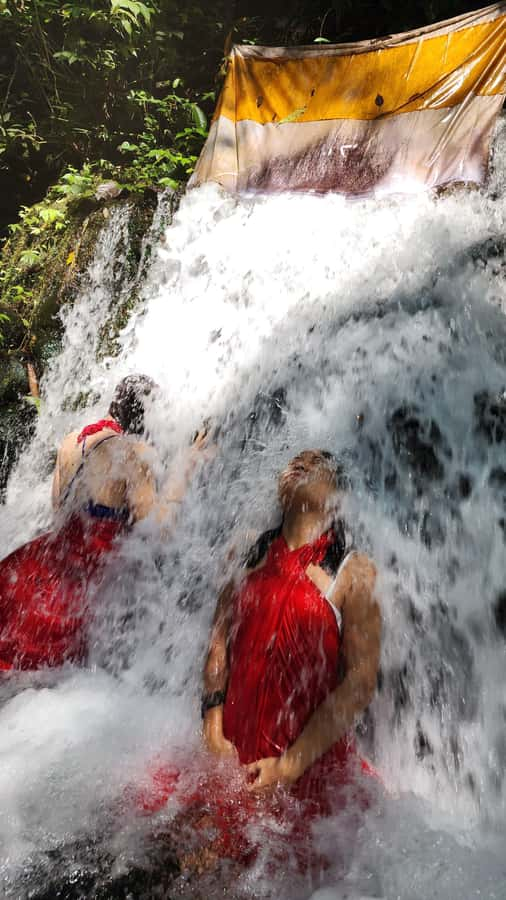
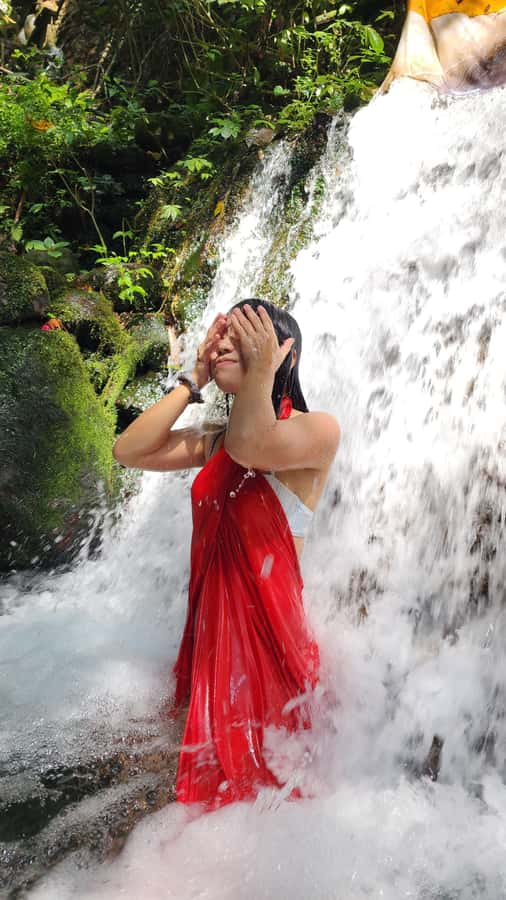
Melukat is a Balinese purification ceremony intended to cleanse the body and spirit of bad energy. This is not presented as a performance staged for sightseers. You are guided through a local religious practice, with explanations about why water, offerings, prayer, and personal intention matter.
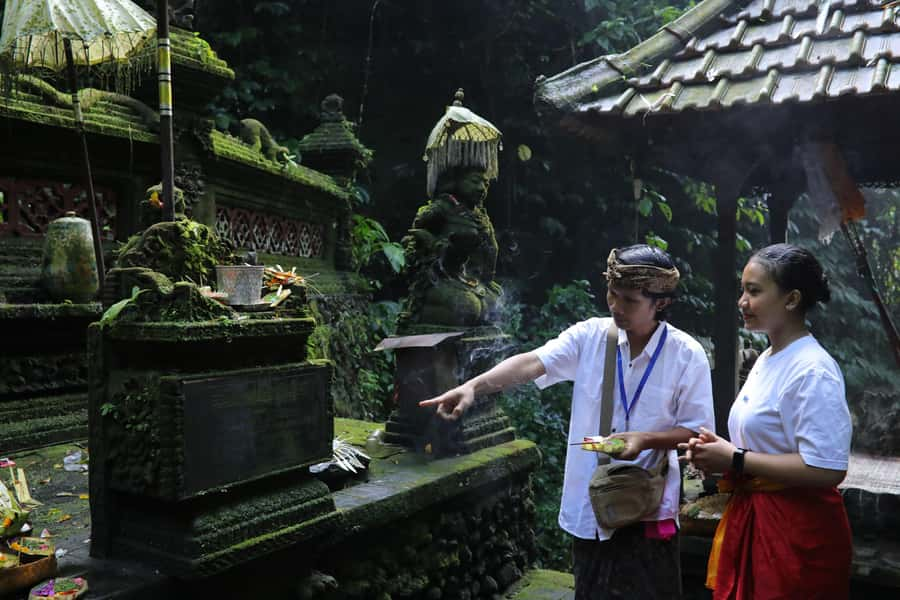
Your guide introduces the subject before you reach the temple. That preparation is important. Without it, a holy-water ritual can look like a series of unfamiliar actions. With context, you can understand why Balinese people make offerings, consult healers, and think about spiritual balance in daily life.
The guide also explains local ideas about black and white magic and the way Balinese people approach spirituality. These subjects can be difficult to understand through a standard temple visit, so this conversation is one of the strongest parts of the day. You can ask direct questions and take part at a pace that feels respectful.
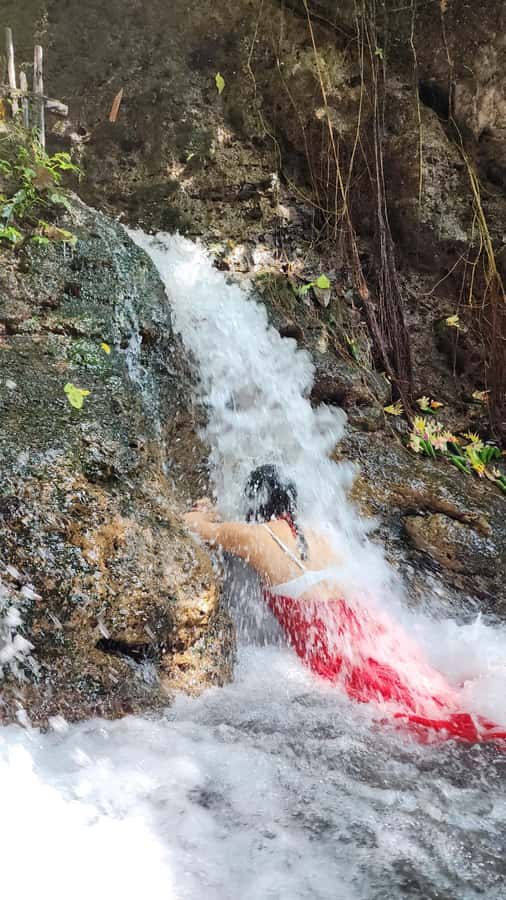
The ceremony includes meditation and holy-water cleansing. Expect to get wet, so bring dry clothing and keep your phone protected. The experience asks for a little more attention than a typical photo stop. You are there to participate, not simply watch.
A few more temple visits around Indonesia worth a look
- Ubud: Monkey Forest, Jungle Swing, Rice Terrace, and Water Temple
★ 5.0 · 7,160 reviews - Ubud: Waterfalls, Water Temple & Rice Terraces Private Tour
★ 5.0 · 5,484 reviews - Bali: Besakih Temple & Lempuyang Temple Gates of Heaven Tour
★ 4.8 · 3,243 reviews
The ride from Ubud to Sebatu Temple
Pickup is scheduled for 8:00 a.m. from your Ubud hotel, and you should be ready at least five minutes early. The included private car has air-conditioning, a welcome relief in Bali’s warm climate and on a day that may involve walking and changing clothes.
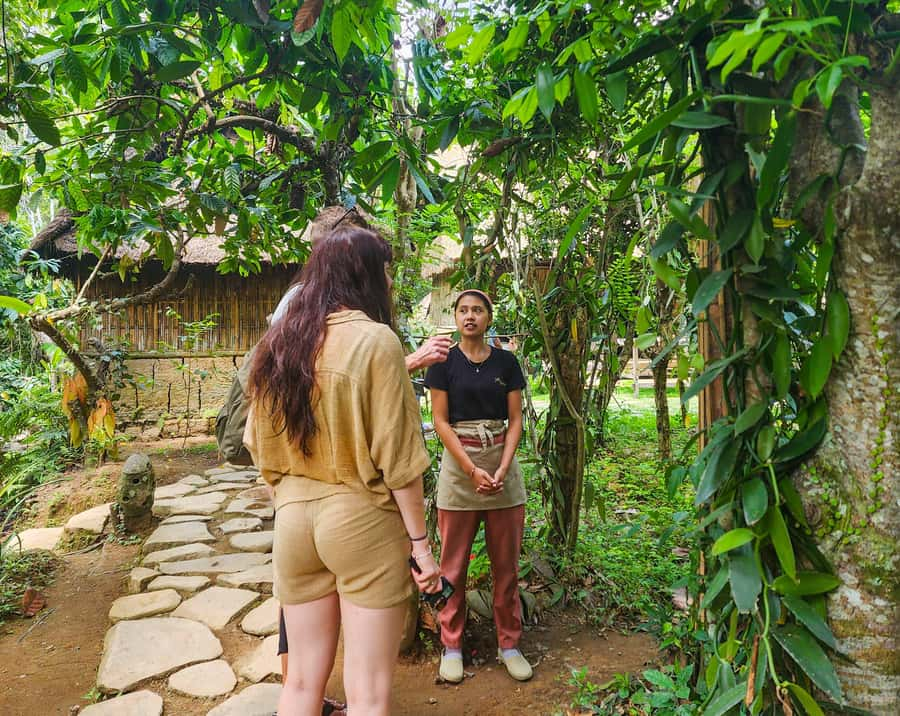
The journey gives your guide time to explain Balinese customs before you arrive. You may hear about daily offerings, local traditions, spiritual healers, and the place of ritual in village life. That conversation helps you arrive with the right attitude and avoids the common mistake of treating the temple as just a scenic backdrop.
Free pickup and drop-off apply to hotels in the Ubud area. If you stay outside Ubud, an additional fee applies. For accommodations far from Ubud, coming into town by online taxi may be more practical than paying for a long private pickup.
Because the tour is private, the day can feel less rushed than a large group outing. You can ask your guide to clarify a ritual step or cultural term without worrying about a busload of people waiting. The tradeoff is the $20 extra charge for a solo participant, which raises the cost if you are traveling alone.
Walking down the jungle steps to the temple
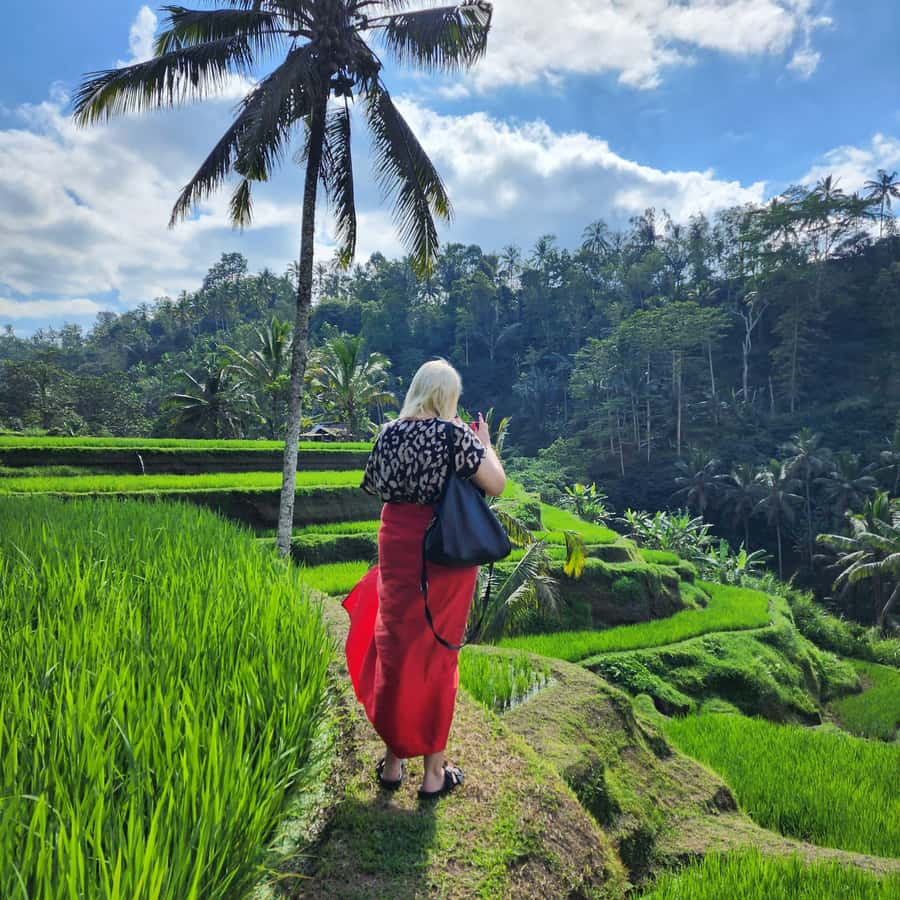
Sebatu Temple is reached by a large stairway through a green setting. The walk is part of the appeal. The surroundings provide the quiet, natural feel that makes the purification ritual more meaningful than a quick stop beside a busy road.
It is also the part of the day that requires the most care. Temple steps can be slippery after rain, and the route is not ideal for people who are unsteady on stairs. Rubber-soled sandals or shoes with a firm grip are the sensible choice.
Wear clothing that covers your shoulders and thighs. Sarongs are provided, and one of the guides can help you understand the local dress requirements. Bring a charged smartphone and camera if you want photos, but remember that the ceremony itself deserves your attention. Keep devices secure around the water and on the stairs.
The temple’s greenery is a visual highlight. You get more than a stone structure and a quick blessing. The setting helps you slow down, and the walk gives you time to shift from sightseeing mode to a more reflective state.
Entering the holy water with local guidance
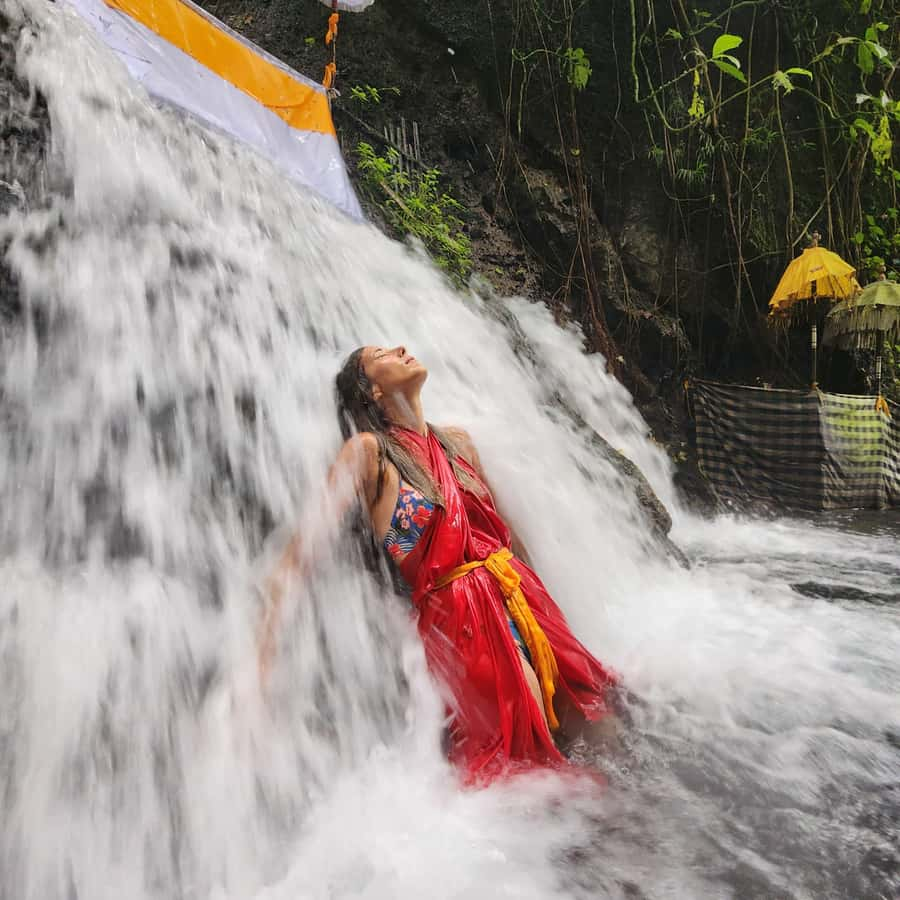
At the temple, your guide explains the purification process before you begin. This is where the tour’s private format matters most. You can ask what to do, when to pray or meditate, and how to move through the ritual without guessing.
The Melukat ceremony is designed to cleanse unwanted or negative energy. You take part in the holy-water process in a traditional way, with the guide helping you follow the steps respectfully. The meditation element gives the ritual a quiet center. It is less about checking off a temple visit and more about creating a moment for gratitude and reflection.
Putu Putra is specifically praised for explaining the ritual in detail and answering questions throughout the day. Tunik is described as punctual, clear, attentive, and easy to communicate with, qualities that matter when you are handling unfamiliar customs. If you have a preference between these guides, ask the operator after booking, but do not assume a particular guide is guaranteed unless confirmed.
You should approach the ceremony with an open mind and a light touch. You do not need to adopt Balinese beliefs to appreciate the practice. You do need to respect the temple’s rules and understand that this is a religious setting, not a spa treatment.
Women who are menstruating may not enter the temple under local regulations. Pregnant women and people over 65 are listed as unsuitable for the activity. These restrictions should be taken seriously before you pay or set aside a day.
Same country, a different morning at the gates:
- Bali: Uluwatu Kecak and Fire Dance Show Entry Ticket
★ 4.2 · 5,189 reviews - Uluwatu Sunset, Kecak Dance, and Dinner Jimbaran Beach
★ 5.0 · 3,681 reviews - Tanah Lot and North Bali Tour: Scenic Journey
★ 5.0 · 3,620 reviews - Bali: Kecak Fire Dance Show & Uluwatu Temple Entry Ticket
★ 4.2 · 3,023 reviews
Lunch after the water ritual
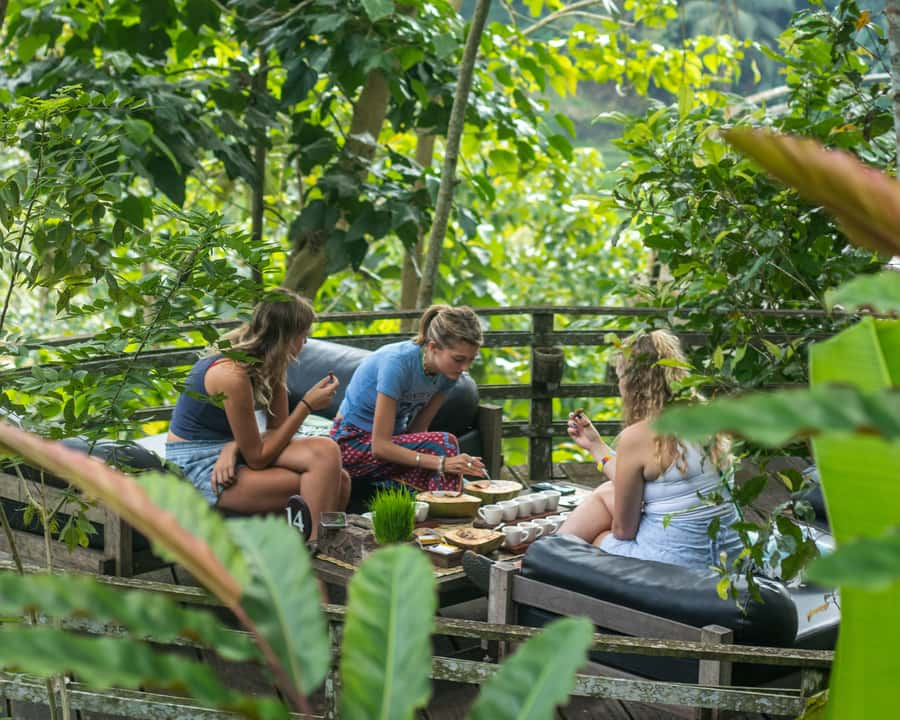
Lunch is not included in the $33 price. You pay for your own meal, so budget for that separately. The planned stop is at a restaurant serving authentic Balinese food, and the route may include views across rice fields.
One account of the day singled out a Babi Guling lunch near the sacred spring. Babi guling is Balinese roast pork, and it is an important local food experience for people who eat pork. If you do not eat pork, or if you have dietary limits, ask your guide what alternatives are available before ordering. The supplied details do not promise a set menu or specific restaurant, so keep your plans flexible.
The meal gives you a useful pause after the temple walk and water ritual. It also lets you continue the cultural conversation in a less formal setting. On some outings, the guide may suggest an extra stop such as a coffee plantation or rice terrace, as happened during one of the reported days, but those additions should not be treated as guaranteed parts of the tour.
The optional visit to a village healer
After lunch, you can return to your hotel or request a visit to a local healer in the village. This costs an additional $40, including the offering for the healer.
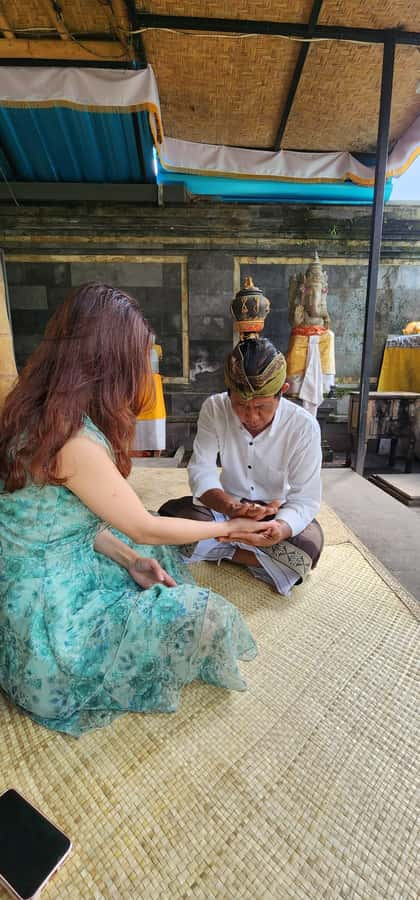
The healer reads your energy, discusses your life path, and attempts to clear unwanted elements from the body. The session includes cleansing with a young orange coconut. The healer does not speak English, but your guide translates and can ask questions for you.
This option is best for someone who wants to explore Balinese spiritual practice beyond the temple ceremony. It is not necessary to enjoy the Melukat ritual, and you should not feel pressured to add it. The extra charge is clear, but the precise length and sequence of the healer session are not specified, so ask your guide for details before agreeing.
I would treat the healer visit as a separate cultural encounter, not a medical service. If you have a health problem, use a qualified medical professional rather than relying on a spiritual reading or cleansing. The tour’s value here is cultural understanding and personal reflection.
What the $33 price includes
At $33 per person, the tour offers solid value if you want a private cultural outing rather than a simple temple transfer. The cost includes the entrance ticket, hotel pickup and drop-off within Ubud, a private air-conditioned car, and a licensed English-speaking guide. Indonesian is also available.
The price does not include lunch, pickup outside Ubud, or the optional healer visit. A solo traveler pays an additional $20, making this more expensive per person if you are alone. For two people sharing the private vehicle and guide, the price is easier to justify.
The strongest value is the interpretation. Sebatu Temple can be visited as a place to photograph, but the guide adds meaning by explaining the ritual, offerings, healing traditions, and spiritual ideas. If you only want to see a temple and take pictures, this tour may offer more cultural instruction than you need. If you want to understand what you are seeing, the cost is more reasonable.
The private format also helps couples and small groups set the pace. You are not tied to a large coach schedule, and you can ask questions throughout the day. Just remember that the listed duration is one day, with an 8:00 a.m. start and return to Ubud, so this is a substantial morning and afternoon commitment.
Clothing, timing, and temple manners
Pack a change of clothes. This is essential, not a nice extra. The purification involves holy water, and you will want dry clothing for lunch and the ride back.
Wear comfortable clothes that cover your shoulders and thighs. Bring sandals or shoes with rubber soles for the temple steps. Avoid alcohol, drugs, weapons, and sharp objects, which are not allowed.
A charged smartphone and camera are listed as useful items. You can take pictures of the temple setting, but ask before photographing people or ceremony details. Let the guide tell you where photography is appropriate.
Arrive ready at least five minutes before pickup. A late start can shorten the temple time or push lunch and the return to Ubud later. You should also tell the operator your hotel name after booking and confirm if you want the healer visit.
The menstrual restriction deserves special attention. Women on their period cannot participate or enter the temple under local rules. This is not a minor scheduling note, so check it before booking.
Who will get the most from this day
I would recommend this outing to you if you want a personal introduction to Balinese spirituality and prefer a small, private setting. It suits couples, friends, and solo visitors who are willing to take part respectfully rather than stand back with a camera.
It is also a good match if you enjoy asking cultural questions. The guides Putu Putra and Tunik are described as clear, kind, and careful, and the day gives them plenty of time to explain the ritual. The discussion of offerings, healers, and black and white magic adds substance you will not get from a short independent visit.
This is less suitable if you have difficulty with stairs, dislike getting wet, or want a relaxed day with no clothing restrictions. Pregnant women, people over 65, and women who are menstruating cannot take part under the stated rules.
The day is also not designed for someone seeking medical treatment. The healer visit is a spiritual and cultural add-on, and the Melukat ritual should be understood in that setting.
Should you book the Sebatu Melukat experience?
Book it if you want to understand a Balinese purification ceremony from inside the tradition, with a local guide to explain each step. The jungle stairway, holy water, meditation, and private conversation make this more personal than a standard temple tour.
Think twice if you want guaranteed sightseeing extras, an included meal, or an easy walk. The $33 base price is fair for two people, but solo visitors pay more and lunch costs extra. Confirm your Ubud pickup, clothing needs, and healer plans before you go.
For the right visitor, this is a thoughtful cultural day with a memorable setting and strong guide support. Go prepared, follow the temple rules, and allow the ritual to be more than a photo opportunity.
FAQ
What is included in the $33 price?
The price includes the temple entrance ticket, hotel pickup and drop-off within the Ubud area, a private air-conditioned car, and a licensed English-speaking guide. Lunch and the optional healer visit are not included.
Where does pickup take place?
Pickup and return are available for hotels within the Ubud area. Hotels outside Ubud require an additional charge, and accommodations far from Ubud may be better reached by online taxi.
What time does the tour begin?
The planned pickup time is 8:00 a.m. You should be ready at least five minutes before the scheduled pickup.
Do I need to bring a change of clothes?
Yes. You should bring a change of clothes because the Melukat purification includes holy-water cleansing.
What should I wear to the temple?
Wear comfortable clothing that covers your shoulders and thighs. Rubber-soled sandals or other footwear with good grip are recommended because the temple stairs can be slippery after rain.
Can I visit the local healer?
Yes, you can request the healer visit after lunch, subject to availability. It costs an additional $40, including the offering. The guide translates because the healer does not speak English.
Can women participate during their menstrual period?
No. Women who are menstruating are not permitted to enter the temple under local regulations. Pregnant women and people over 65 are also listed as unsuitable for this activity.
Just added around Indonesia
- Borobudur: Village Tour with Pottery and Tofu Making★ 5.0 · 34 reviews
- Borobudur Private Tour From Semarang Port★ 4.5 · 12 reviews
- Yogyakarta: Borobudur Temple Climb Up and Prambanan Temple Tour★ 5.0 · 53 reviews
- Chicken Church Local Attraction Near Of Borobudur Temple★ 3.5 · 18 reviews
- Borobudur Temple Combined Ticket Admissions★ 5.0 · 7 reviews
- Bali Pura Taman Ayun Temple, Monkey Forest & Tanah Lot Excursion★ 4.0 · 123 reviews
- Bali Famous Beach, Kecak Dance, Uluwatu Temple, Sunset, Dinner★ 5.0 · 8 reviews
- Tanah Lot-Nung Nung Waterfall-Jatiluwih and Bedugul★ 4.7 · 16 reviews
Indonesia Temple Tours, compared.

Monkey Forest, Jungle Swing, Rice Terrace, and Water Temple
Read our review →
Waterfalls, Water Temple & Rice Terraces Private Tour
Read our review →
Uluwatu Kecak and Fire Dance Show Entry Ticket
Read our review →
Uluwatu Sunset, Kecak Dance, and Dinner Jimbaran Beach
Read our review →
Tanah Lot and North Bali Tour: Scenic Journey
Read our review →
Besakih Temple & Lempuyang Temple Gates of Heaven Tour
Read our review →
Kecak Fire Dance Show & Uluwatu Temple Entry Ticket
Read our review →
Full-Day Tour to Water Temples and UNESCO Rice Terraces in Bali
Read our review →Browse the lists this tour appears in