
REVIEW · BALI TEMPLE TOURS
Bali/Batur: Mystical & Burial Rituals Tour with Kehen Temple
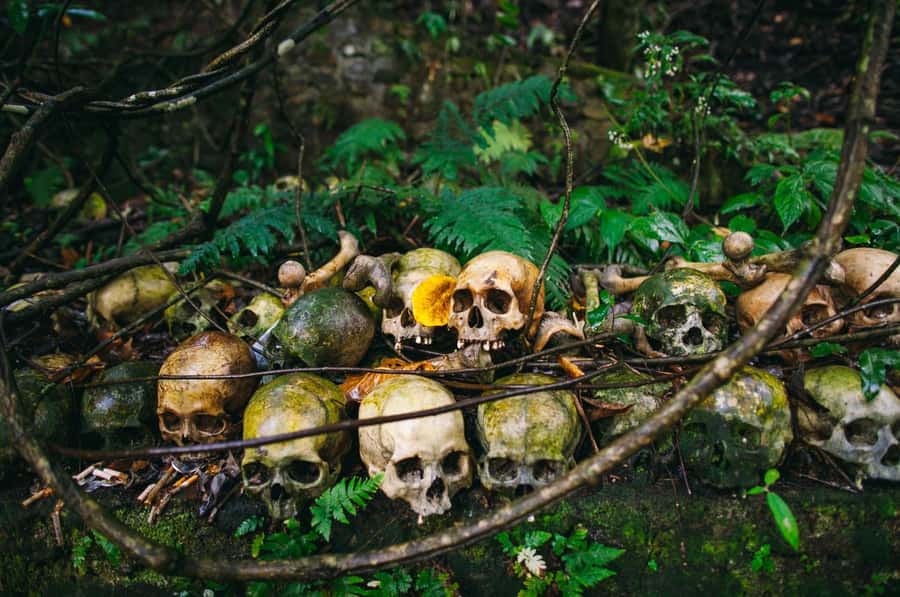
Trunyan’s cemetery is the heart of this tour: bodies are placed in bamboo cages beneath a fragrant Taru Menyan tree instead of being cremated or buried. I like that the experience also visits Bayung Gede’s hanging placentas and Kehen Temple’s dramatic stairway, so the day is about life, death, worship, and village customs rather than one unusual sight.
I also like the private-car format and the amount of time guides such as Raka, Kar, Dwipa, and Yogibearwithnohair spend explaining Balinese beliefs on the road. The main caution is simple: this is a real burial site, not a spooky attraction, and the boat to Trunyan can cost IDR 600,000 per boat if it is not included in your chosen option.
Key points at a glance
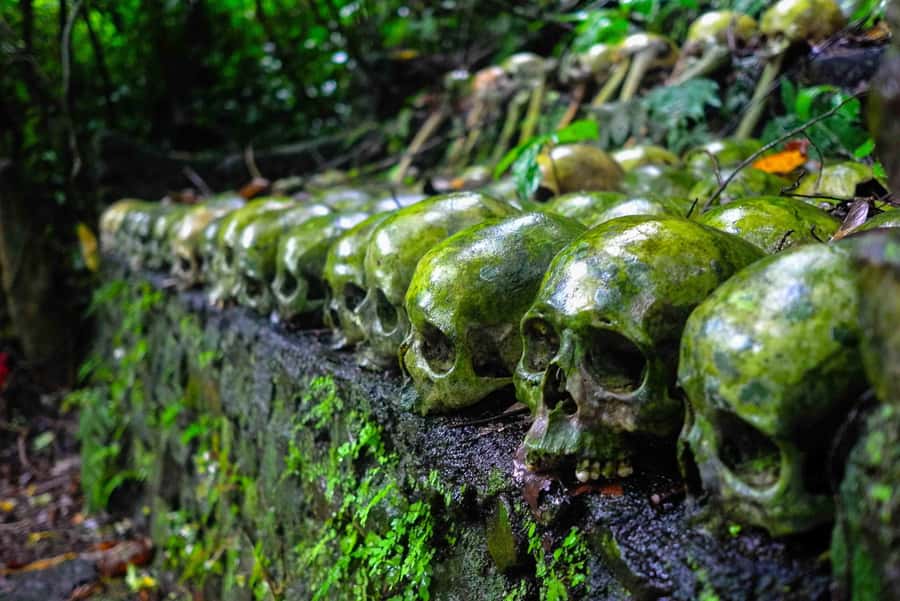
- Trunyan by boat: Reach an isolated lakeside village and see its distinctive burial practice beneath the Taru Menyan tree.
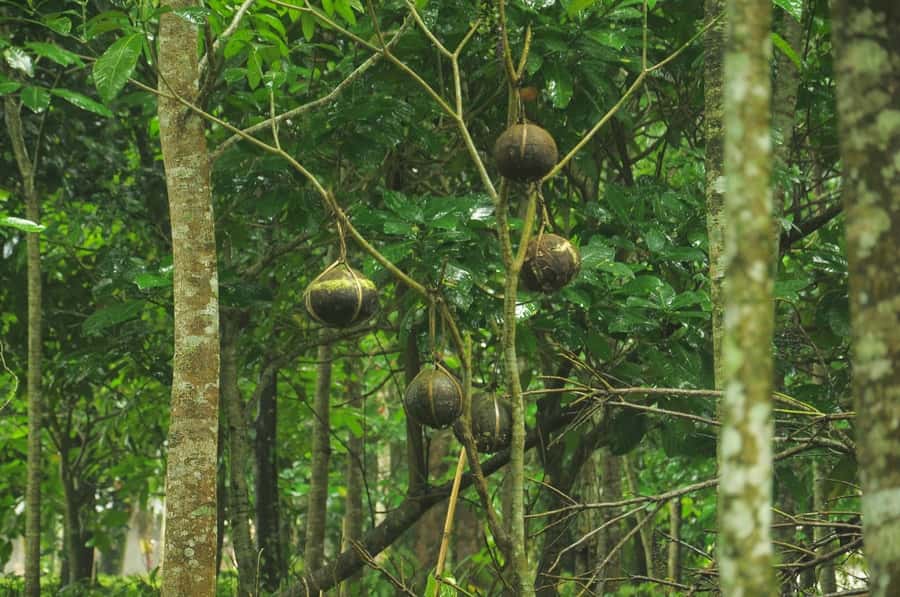
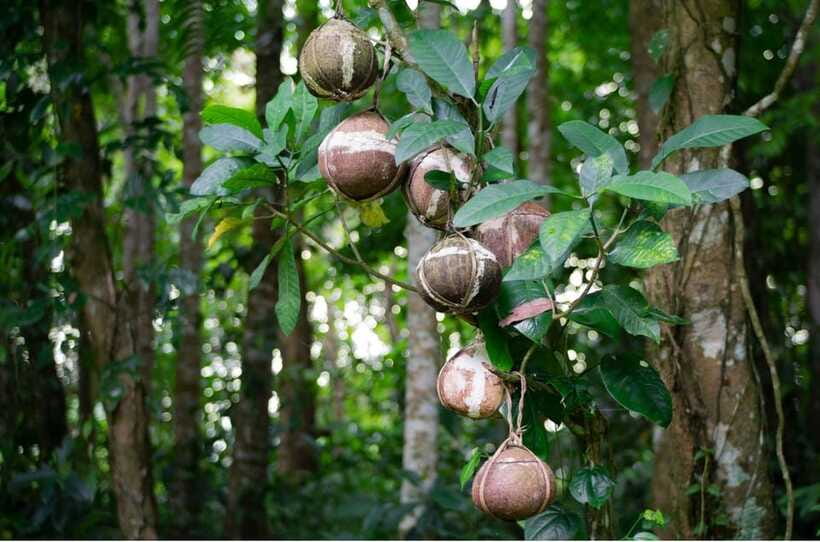
- Bayung Gede’s placenta trees: Learn why newborn placentas are placed in small hanging containers rather than buried.
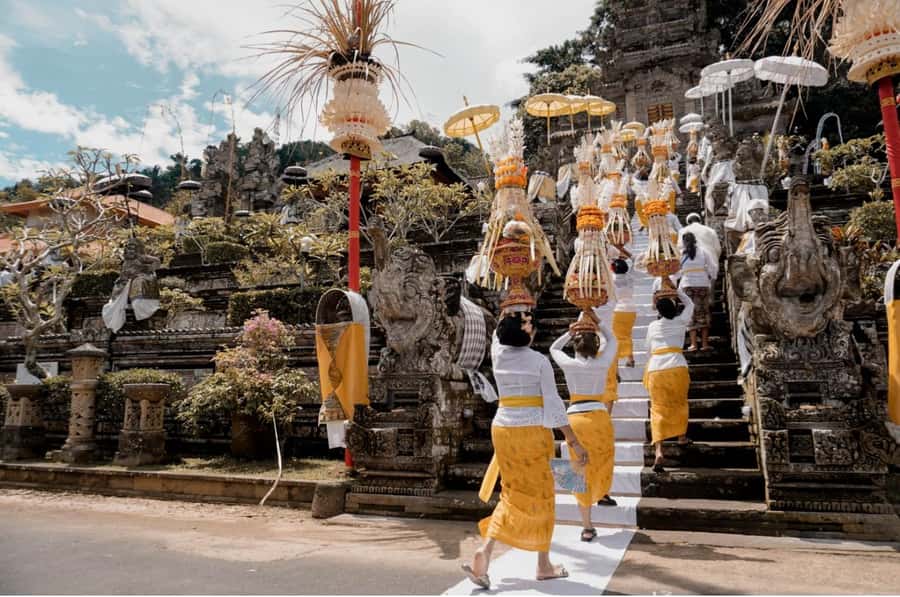
- Kehen Temple: Climb the famous steps of heaven and see a wooden bell hanging from an old banyan tree.
- Strong cultural guiding: Guides including Kar, Raka, Dwipa, and Yogibearwithnohair explain customs, symbolism, and local life in clear English.
- Flexible extras: Add lunch, Luwak coffee, Polaroid photos, a massage, jungle swings, rafting, ATV riding, or hot springs.
- Good value at $35: Hotel pickup, transport, a guide, and mineral water are included, but check the boat and entrance-ticket option before booking.
Why this Batur-area tour feels different
Bali is easy to visit through its famous temples, rice terraces, and beach towns. This tour takes you toward the older villages around Mount Batur, where local customs can feel less familiar and less polished for sightseeing.
You spend about eight hours in an air-conditioned car, with hotel pickup and drop-off included. The road itself is part of the experience. As you climb toward the Batur area, your guide explains Bali’s Hindu beliefs and the distinction between sekala, the seen world, and niskala, the unseen world.
That context matters. Without it, a cemetery beneath a tree can look like a strange photo stop. With a careful guide, you begin to understand how Balinese ideas about ritual, community, marriage, death, and the soul shape daily life.
The tour is especially good for you if you have already seen the standard temple circuit and want a closer look at village traditions. It is not a light sightseeing loop, though. The cemetery contains real human remains, and some areas may feel confronting.
A few more temple visits around Bali worth a look
- Bali: Besakih Temple & Lempuyang Temple Gates of Heaven Tour
★ 4.8 · 3,243 reviews - Bali Sunset: Uluwatu Temple, Kecak Dance and Jimbaran Bay
★ 4.7 · 2,397 reviews - North Bali: Sunrise Tour with Dolphins, Waterfalls & Temples
★ 4.6 · 831 reviews
Trunyan Cemetery and the Taru Menyan tree
The first major stop is Trunyan Village, reached by boat across Lake Batur. The crossing gives the visit a sense of separation from the main road, but it also makes the schedule and weather less predictable.
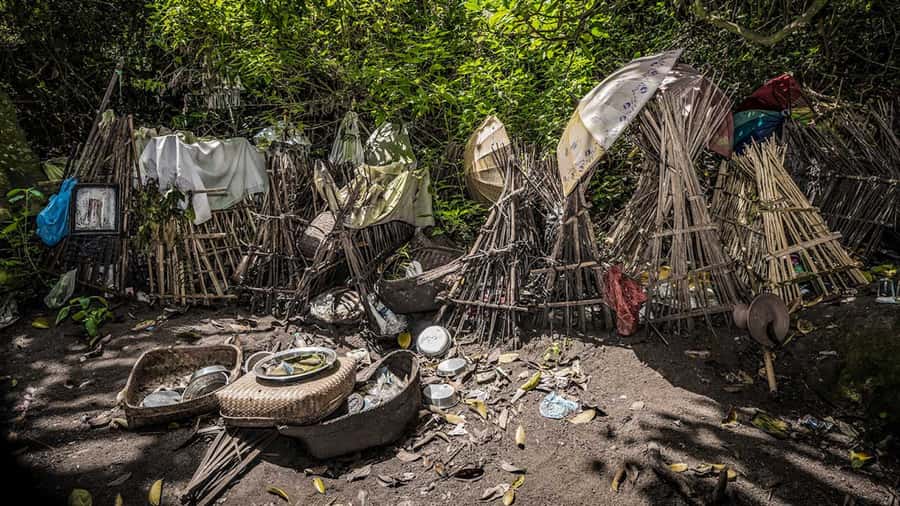
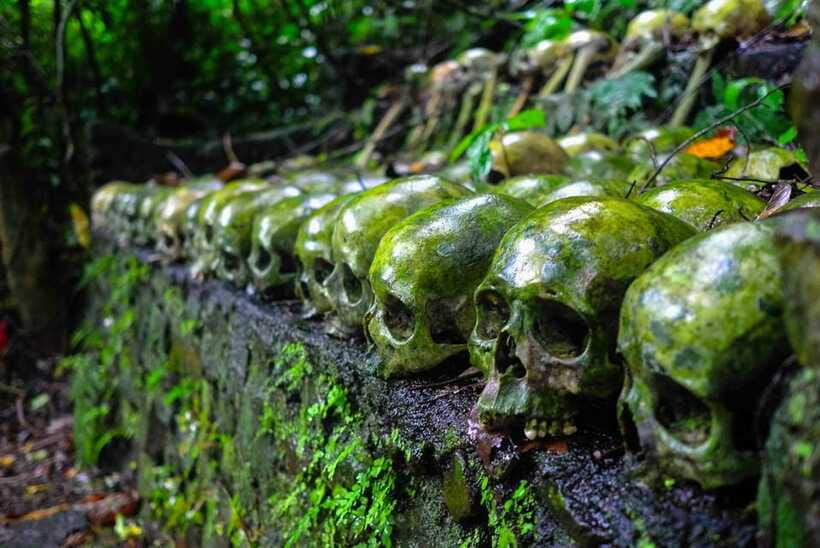
Trunyan is known for a burial custom unlike the cremation practice commonly associated with Bali. After a cleansing ritual, the body of a married person is placed inside an ancak saji, a bamboo cage set beneath the Taru Menyan tree.
The name Taru Menyan is generally explained as fragrant tree. Its scent is said to neutralize the smell of decay, which helps explain why the bodies are left above ground. The village name, Trunyan, comes from this tree.
Your guide should explain the practice with care and without turning it into a horror story. That is one reason the guide matters so much here. Kar, for example, has been praised for explaining the beliefs and rites in a calm, respectful way, while guides such as Dwipa and Raka are known for placing the site within the wider story of Balinese Hindu culture.
You may see bones, skulls, bamboo cages, and personal offerings. Photography can be restricted, so ask before using your camera. Do not touch ceremonial items, move anything, or enter an area marked for local use.
This is also the point where you should listen to your own comfort level. One person may find the visit fascinating and spiritually moving, while another may want only a short look. Both reactions are reasonable. The site is not suitable for anyone who knows that real burial customs will be too upsetting.
The boat cost deserves attention
The basic price is $35 per person, but the boat arrangement needs checking. If you choose an option that excludes entry tickets, the boat charter costs IDR 600,000 per boat and can carry up to five people.
For a full boat, that can be a fair shared cost. For one person or a couple, it becomes a substantial addition to a $35 tour. Some booking options include the boat ticket, while others do not, so read the option details carefully before paying.
One practical wrinkle is access. A recent departure was told that Trunyan was not open to tourists and did not visit the village. Access can change because of local decisions, ceremonies, or conditions. Ask the operator what is open on your date, and do not assume the cemetery visit is guaranteed unless the selected option clearly says so.
Bayung Gede and the hanging placenta trees
Bayung Gede offers a different kind of ritual tradition. The village is regarded as the parent of many of Bali’s old villages, and it is known for placing newborn placentas in small containers that hang from trees.
In much of Bali, a placenta receives a burial ritual. In Bayung Gede, it is left above ground in a designated area. This custom is often presented alongside Trunyan’s burial practice because the two villages treat what is normally buried in unusual ways, one involving the dead body and the other involving the placenta after birth.
The stop is quieter and less emotionally difficult than Trunyan, but it still requires respect. You may have a chance to see village compounds and speak with local people, depending on the day and local conditions. The village is a good place to notice that Balinese culture is not one single set of rules. Customs can vary from one community to the next.
I would treat Bayung Gede as a place to listen rather than simply photograph. Ask your guide what the hanging containers mean, why the tree is used, and how the custom fits into local ideas about birth and protection. Photography may be limited, so wait for permission.
This stop also helps make the tour feel balanced. Trunyan focuses on death and the body. Bayung Gede brings the discussion back to birth, family, and the beginning of life.
Same country, a different morning at the gates:
- Bali: Tanah Lot UNESCO World Heritage Sites Full-Day Tour
★ 4.7 · 1,947 reviews - Bali: South Coast Uluwatu, Tanah Lot, and Jimbaran Day Trip
★ 4.5 · 835 reviews - Bali: Tanah Lot, Jatiluwih Terrace, & Ulundanu Beratan Tour
★ 4.8 · 797 reviews - Bali: Full-Day Private or Shared Uluwatu Highlights Tour
★ 4.7 · 784 reviews
Kehen Temple and the steps of heaven
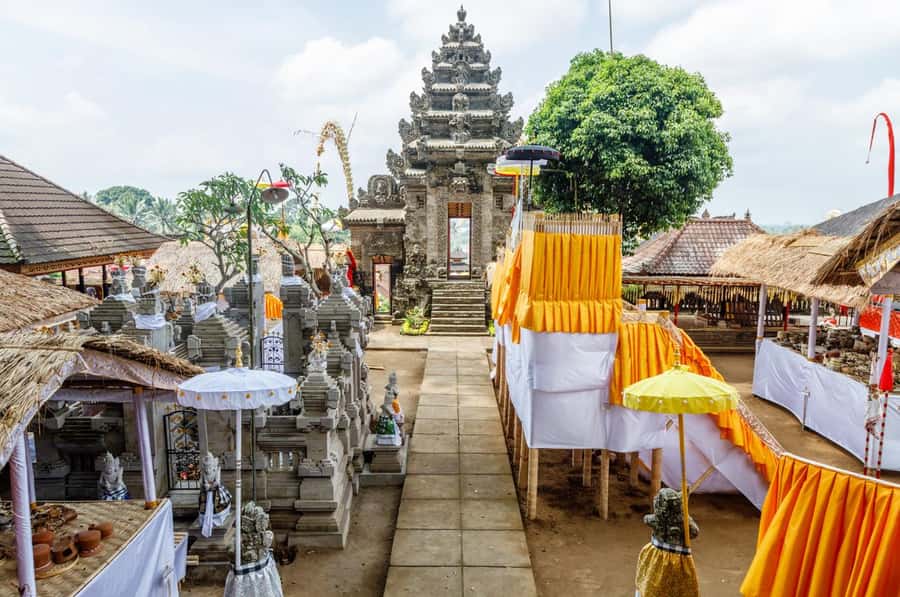
Kehen Temple is the tour’s most traditional temple visit and often the easiest place to appreciate Bali’s visual drama. It sits on the slope of Bukit Bangli and is regarded as the mother temple of Bangli.
The approach is memorable. You climb a grand flight of steps sometimes called the steps of heaven, with temple architecture and carved details unfolding as you go. Wear shoes with a good grip, since the tour includes uneven paths and stairs.
A major feature is the old banyan tree with a wooden bell hanging among its branches. The tree and bell give the temple a strong sense of age, but your guide can add the meaning that stone and wood alone cannot provide.
Dress modestly here and in the villages. Shoulders and knees should be covered. A sarong may be available from the guide, but it is sensible to bring a light cover-up of your own.
Kehen works well as part of this route because it gives you a formal religious setting after the more personal village visits. At Trunyan and Bayung Gede, you are looking at customs shaped by local communities. At Kehen, you see a major Hindu temple where architecture, ritual, and sacred space come together.
The guide can make or break the day
This is a guide-led cultural tour, not a self-guided transfer between three sights. The strongest part of the experience is the explanation during the long drives and at the sites.
The named guides associated with this experience include Raka, Kar, Dwipa, Yogibearwithnohair, Karba John, Suker, Sana, Nyoman, and others. Their styles vary, but the most useful qualities are patience, clear English, cultural understanding, and the ability to discuss sensitive subjects without making them feel like a show.
Raka has been praised for explaining old Balinese Hindu traditions in a clear and engaging way. Kar is known for answering questions carefully, especially at the cemetery. Dwipa has been particularly appreciated for helping solo visitors feel safe and for taking photos when asked. Yogibearwithnohair is often described as an entertaining guide and a capable photographer.
One unusual option is a guide who also practices as a shaman. That can offer a more personal discussion of spirituality, but you should still expect the tour to be educational rather than a private spiritual ceremony.
The company may provide a separate driver and guide on some departures. That arrangement is useful because the guide can focus on talking with you instead of driving. Either way, transport has received a 97 percent perfect score, and the air-conditioned car is welcome after a hot walk or boat crossing.
Optional extras and the real cost
At $35 per person, the base tour is attractively priced for a private or small-party day with hotel transport and a guide. The value depends on what is included in your selected option, especially the temple and cemetery entrance fees and the boat ticket.
Optional additions can change the tone of the day. A buffet lunch is convenient, but choose carefully. One departure included a scenic lunch stop that was much more expensive than expected and not especially good. Other guides have taken people to small local places for babi guling or other regional food, so tell your guide what kind of meal you want and ask about the price first.
The Luwak coffee tasting is another possible add-on. It fits the cultural route and gives you a relaxed break after the more serious cemetery visit. Some people particularly enjoy the tasting, while others may prefer ordinary Balinese coffee.
A Polaroid package is useful if you want physical keepsakes, and guides such as Sumadi and Raka have been praised for taking good photos. Massage, jungle swings, rafting, ATV riding, and hot springs are also available on some options.
Be realistic about time. The core route already takes eight hours, and traffic around Ubud can become slow in the evening. If you add several activities, choose an earlier departure than 10 a.m. when possible. Adding everything can turn a thoughtful cultural day into a rushed checklist.
Who should book this experience

I would recommend this tour to you if you want to understand Bali through local customs rather than only through famous viewpoints. It suits adults, older children who can handle serious subjects, couples, solo visitors, and anyone curious about Balinese ideas concerning birth, death, worship, and the unseen world.
It is also a useful choice if you want to see the Batur area without booking a sunrise trek or jeep ride. The emphasis is culture, not physical challenge, although you still need to walk on uneven paths, climb temple steps, and board a boat.
I would not recommend it if you want a relaxed beach day, dislike long drives, or feel uncomfortable seeing real human burial sites. It is not suitable for pregnant women, wheelchair users, or people with mobility impairments. The boat ride may be adjusted for safety if weather conditions change.
Bring cash because local villages generally do not accept cards. Pack water, comfortable shoes, modest clothing, and a cover for your shoulders and knees. Keep your camera ready, but use it only when your guide says photography is acceptable.
The tour has a 4.9 rating from 397 ratings, and the most consistent praise is directed at the guides’ cultural explanations, safe driving, warmth, and willingness to answer questions. That is the right way to judge this experience. The sights are unusual, but the day succeeds when the guide helps you approach them with respect.
Should you book the Trunyan and Kehen tour?
Book it if you want an unusual, serious, and highly guided look at Bali’s village traditions. Trunyan gives you a rare burial custom, Bayung Gede adds a striking birth ritual, and Kehen Temple provides a more familiar religious setting. Together, they offer a fuller picture than any one stop could provide.
Before booking, confirm three details: that Trunyan is open on your date, that the boat ticket is included in your chosen option, and what lunch or add-ons will cost. If you accept those practical conditions and approach the cemetery respectfully, this is one of the better low-cost ways to see a less familiar side of Bali.
FAQ
How long does the tour last?
The tour lasts eight hours, including hotel pickup and drop-off, road travel, site visits, and the boat journey to Trunyan when that visit is operating.
What is included in the $35 price?
The tour includes hotel pickup and drop-off, an air-conditioned car, a tour guide, and mineral water. Entrance fees and the boat ticket to Trunyan depend on the option you select.
Is the boat to Trunyan included?
It is included only with the option that includes the entry ticket. If your selected option excludes entry tickets, the boat charter costs IDR 600,000 per boat and can take up to five people.
What languages are available?
Live guiding is available in English and Korean. A German-speaking guide may be available as an add-on on some options.
Is lunch included?
Lunch is not included in the base tour. A buffet lunch can be added, but confirm the price and location before choosing it.
Can I take photos at Trunyan Cemetery?
Photography may be restricted in sacred areas. Ask your guide before taking photos and do not photograph or touch anything that local residents identify as private or ceremonial.
What should I wear?
Wear clothing that covers your shoulders and knees when visiting the villages and Kehen Temple. Comfortable shoes are important because the route includes uneven paths, walking, stairs, and a boat boarding.
Is the tour suitable for people with mobility issues?
No. The tour is not suitable for wheelchair users or people with mobility impairments. It includes uneven paths, temple steps, and boarding a boat.
Is Trunyan Cemetery suitable for everyone?
No. The site contains real human burial remains and may be emotionally sensitive. It is not a good choice if you are uncomfortable with death rituals or exposed burial sites.
Can I cancel the booking?
You can cancel up to 24 hours in advance for a full refund. The reserve-now, pay-later option allows you to book without paying immediately.
Just added around Bali
- Bali Pura Taman Ayun Temple, Monkey Forest & Tanah Lot Excursion★ 4.0 · 123 reviews
- Bali Famous Beach, Kecak Dance, Uluwatu Temple, Sunset, Dinner★ 5.0 · 8 reviews
- Ubud: Rice Terrace, Holy Water Temple & Waterfalls Trek Tour★ 4.9 · 115 reviews
- North Bali: Ulun Danu, Waterfalls, Swing and Monkey Forest★ 5.0 · 39 reviews
- From Bali: Bromo, Ijen, Borobudur, and Yogyakarta 4-Day Tour★ 5.0 · 21 reviews
- Canggu: Surfing Class, Tanah Lot & Kecak Dance Sunset Tour★ 3.8 · 12 reviews
- Bali: Water Temple, Waterfalls and Unesco Rice Terrace Tour★ 4.9 · 66 reviews
- Bali: Uluwatu Temple, GWK, and Padang Beach Full-Day Tour★ 4.7 · 107 reviews
Bali Temple Tours, compared.

Besakih Temple & Lempuyang Temple Gates of Heaven Tour
Read our review →
Bali Sunset: Uluwatu Temple, Kecak Dance and Jimbaran Bay
Read our review →
Tanah Lot UNESCO World Heritage Sites Full-Day Tour
Read our review →
South Coast Uluwatu, Tanah Lot, and Jimbaran Day Trip
Read our review →
North Bali: Sunrise Tour with Dolphins, Waterfalls & Temples
Read our review →
Tanah Lot, Jatiluwih Terrace, & Ulundanu Beratan Tour
Read our review →
Full-Day Private or Shared Uluwatu Highlights Tour
Read our review →
Browse the lists this tour appears in