
REVIEW · KARNAK & VALLEY OF THE KINGS TOURS
Luxor East and West Bank: Valley of the kings, Habu Temple,Karnak&Luxor Temples
Luxor packs some of Egypt’s finest ancient sites into one long day. This private tour takes you from the royal tombs of the Valley of the Kings to the immense columns of Karnak, with Hatshepsut’s temple, Medinet Habu, Luxor Temple, and the Colossi of Memnon in between. It is a lot of ancient Egypt for $85 per person.
I like two things here: you travel in a private air-conditioned vehicle, and you have an English-speaking Egyptologist to explain what you are seeing. Guides Laila and Mohamed Noor are the names most often requested, with Laila especially praised for clear explanations, patience, photos, and helping a family member rest while others visited tombs.
The main caution is pace. The listed visits add up to about nine hours before driving, despite the advertised eight-hour duration. Admission fees are also extra, so your final cost will be higher than $85.
Key points to know before booking
- The Valley of the Kings gets two hours, enough for several tombs if you keep moving.
- Karnak and Luxor Temple give you two different views of Thebes, one immense and ceremonial, the other more intimate and urban.
- Medinet Habu is a strong inclusion, with well-preserved reliefs and the memorial temple of Ramses III.
- Laila and Mohamed Noor are the guides to request, although a specific guide cannot be guaranteed in the supplied details.
- The $85 price covers transport, water, pickup, return, and guiding, but not entrance tickets or tips.
- Bring a snack and prepare for heat, since this is a full sightseeing day with limited downtime.
Why this private Luxor route works
Luxor is split by the Nile into two very different sightseeing zones. The East Bank holds the great temples of Karnak and Luxor, while the West Bank contains the Theban Necropolis, royal tombs, funerary temples, and the Colossi of Memnon.
This tour handles both sides in one outing. That matters because arranging separate taxis, ferries, tickets, and guides can eat up valuable time. A private vehicle also gives your group more control than a large coach. You can ask questions, linger at a relief, or move on when your attention starts to fade.
The guide is central to the experience. Ancient Egyptian temples can look like a forest of columns and carved figures if nobody explains the symbols, royal families, and religious purpose behind them. Laila has received repeated praise for her English, organization, patience, and ability to adjust the day to individual needs. Mohamed Noor is also praised for explaining the tombs and temples clearly.
Ask for your preferred guide when booking, but treat that as a request rather than a promise. The tour confirms an English-speaking Egyptologist, not a named guide for every departure.
More Karnak and Valley of the Kings Tours in Cairo:
- Luxor: Valley of the Kings and Hatshepsut Temple Day Tour
★ 4.4 · 1,404 reviews - Luxor: Valley of Kings, Hatchepsut Temple ,Karnak & Luxor-DayTour
★ 5.0 · 735 reviews - Full Day Tour of Luxor West Bank Temples and Tombs (Private)
★ 5.0 · 722 reviews
The Valley of the Kings: tombs beneath the desert hills
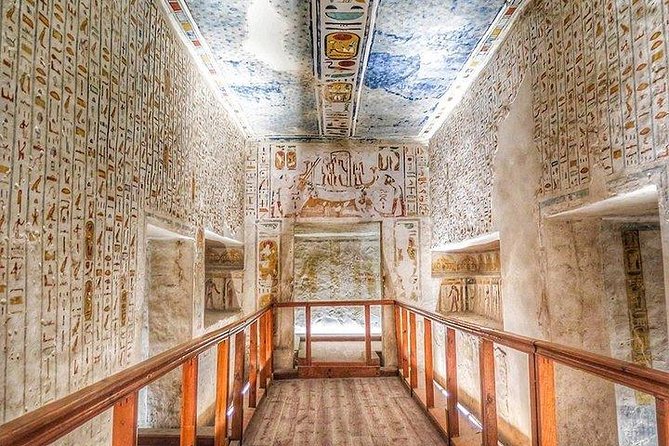
The day begins on the West Bank at the Valley of the Kings, also called the Valley of the Gates of the Kings. This dry valley contains royal tombs cut into the hills opposite ancient Thebes. The famous burial chambers were built for pharaohs rather than ordinary citizens, and their painted corridors lead into the world of the dead.
You have about two hours here, and that is useful time, but it is not unlimited. The included price does not cover admission, and the exact tombs available can vary. Plan to ask your guide which chambers are open and which are worth prioritizing.
The tombs linked with Ramses III, Ramses IV, and Ramses IX have been specifically highlighted as part of past visits. Their names alone give you a sense of the royal sequence, but the real reward is inside: painted figures, hieroglyphs, and burial imagery packed into narrow underground spaces.
I would make this your most focused stop. Do not spend too long taking pictures outside and then rush the tombs. The valley can be hot, and walking between the visitor area and individual tomb entrances takes effort. Comfortable shoes, water, and a hat will help.
Photography rules may vary by tomb and local enforcement, so follow your guide’s instructions. A guide also helps you read the scenes rather than simply admire the color. Without context, the walls can become a blur of repeated figures. With explanation, you begin to see the journey each pharaoh hoped to make after death.
Hatshepsut’s temple and the story of a female pharaoh
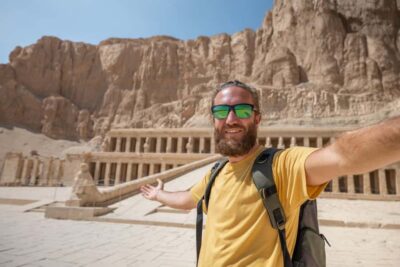
From the royal tombs, the route continues to the Temple of Hatshepsut at Deir el Bahari. The temple is built into the cliffs and arranged on broad terraces, giving it a very different feel from the underground tombs.
Hatshepsut ruled during Egypt’s Eighteenth Dynasty and is regarded by Egyptologists as one of ancient Egypt’s most successful rulers. Her reign was unusual because she was a woman who took the full title and role of king. That makes this stop more than a collection of columns. It gives your guide a chance to explain royal power, succession, and the way Egyptian rulers presented themselves.
You have about 90 minutes here. That is enough to walk through the main terraces and listen to the story, though the heat can make the exposed stone tiring. The temple’s scale and setting are the main attractions, while the guide supplies the political and religious background.
The supplied description includes an awkward explanation of Hatshepsut’s name, so rely on your guide for a clear account rather than taking every translated phrase literally. Laila has been praised for making Egyptian culture understandable and for answering questions without rushing people. That style is useful here, where the historical details can become complicated.
The Colossi of Memnon: a short stop with a big silhouette
The Colossi of Memnon are two enormous seated statues of Amenhotep III. They once guarded the entrance to a much larger funerary temple, most of which has disappeared.
The stop lasts about 30 minutes and admission is free. That makes it a welcome pause between the larger ticketed sites. You can see the statues from close range, take photographs, and hear how they fit into the ancient funerary city of Thebes.
Do not expect a full museum visit or a long temple walk here. The value is visual and historical: two huge figures surviving beside the modern road, facing toward the river and the rising sun. Your guide can explain why the statues were built and what happened to the temple behind them.
This is also a sensible place to reset before the East Bank temples. If you need a short break, use the time well, but keep in mind that the overall day is already tightly packed.
A few more temple visits around Cairo worth a look
- Cairo Old Coptic Church and Monastery St Simon Cave Church
★ 5.0 · 66 reviews - Luxury Cruise from Aswan to Luxor 4 Days with Abu Simble Temple
★ 5.0 · 60 reviews - Giza Pyramids and Sphinx with Camel ride & Mummification Temple
★ 5.0 · 38 reviews - Private Giza pyramid,sphinx, Mummification temple& inside pyramid
★ 5.0 · 32 reviews
Karnak: the grandest temple complex on the route
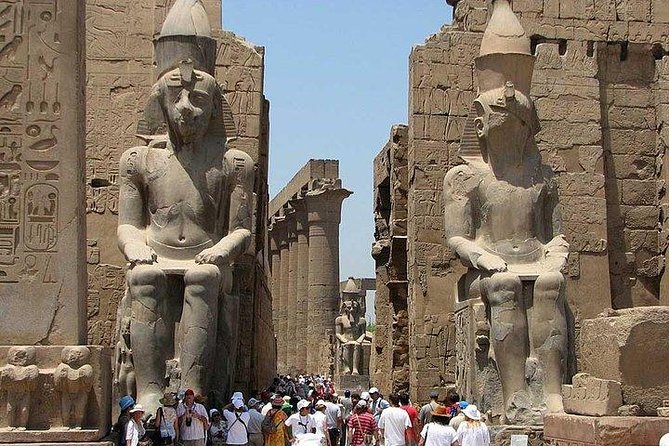
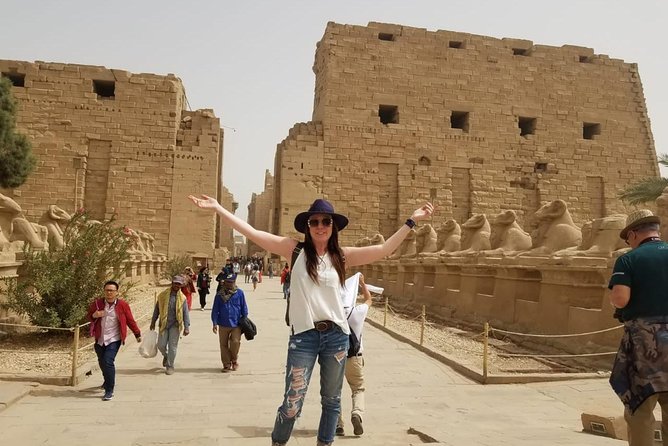
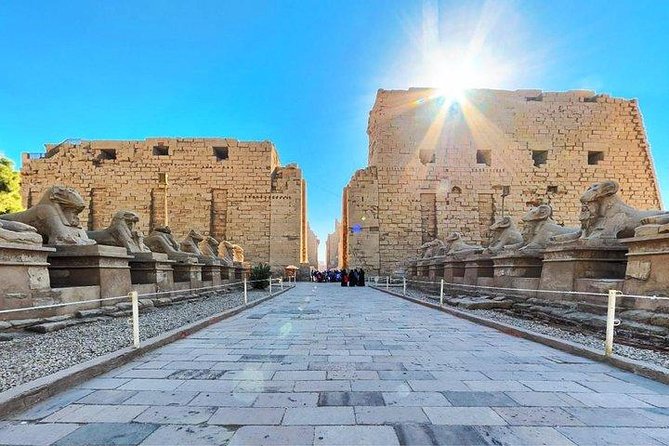
Karnak receives about two hours, and it deserves the time. This is not one simple temple but a vast complex of sanctuaries, courts, columns, gateways, and sacred spaces built and enlarged over many centuries. The central religious focus was Amun, later known as Amun-Ra, along with the Theban gods Mut and Khonsu.
The sheer size can be hard to grasp at first. You move through one monumental space after another, with huge columns and carved surfaces competing for attention. A guide is especially useful here because the complex grew under many rulers and served different religious purposes over time.
The Great Hypostyle Hall is likely to be one of the visual highlights. Its crowded columns create a powerful sense of scale, but do not let the biggest structure become the whole visit. Ask your guide to point out changes in building style, inscriptions added by different rulers, and how the complex connected to the wider religious life of Thebes.
Karnak is also where fatigue may catch up with you. You have already visited the West Bank, and the route still includes Luxor Temple and Medinet Habu. Take small pauses, keep drinking water, and tell your guide if you need a slower pace. The private format should make that easier than a large group departure.
Entrance is not included in the tour price. That is important when comparing the $85 cost with other Luxor options. The transport and guide offer real value, but you should budget separately for every ticket.
Luxor Temple: ancient religion in the modern city
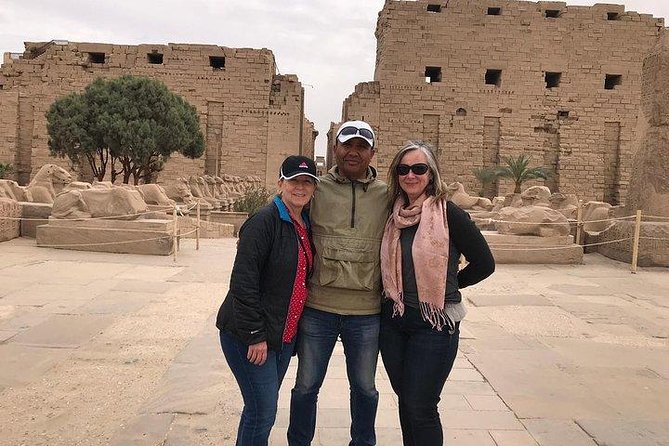
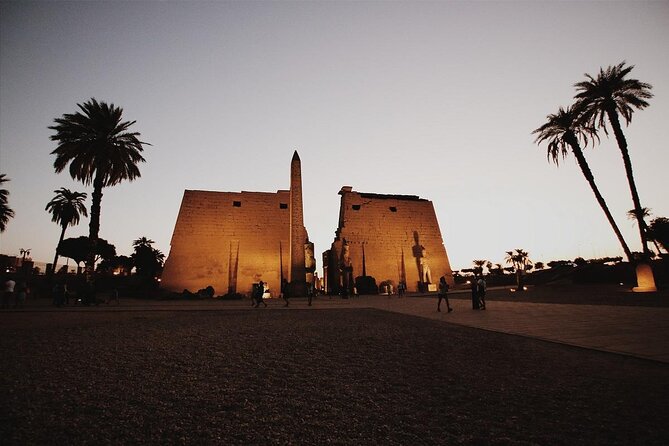
Luxor Temple is smaller and more concentrated than Karnak. Located on the East Bank, it was built mainly during the Eighteenth and Nineteenth Dynasties, with major work associated with Amenhotep III and Ramses II.
The temple was dedicated to the Theban triad of Amun-Ra, Mut, and Khonsu. It also played a role in royal ceremonies and religious festivals. The route through the temple gives you courtyards, monumental gateways, columns, statues, and inscriptions in a more compact setting than Karnak.
The advertised visit lasts about 90 minutes. That is a good length for understanding the major areas without turning the final part of the day into a forced march. I like the contrast with Karnak: Karnak feels sprawling and ceremonial, while Luxor Temple lets you see how a major sacred site is organized within a tighter footprint.
A guide can help you spot how later rulers added to the temple and how ancient religious use changed over time. This is also a place where the relationship between ancient Thebes and present-day Luxor becomes clear. You are not visiting an isolated ruin. The temple sits within the living city.
Entrance fees are extra here as well. If you are comparing packages, check the total ticket cost before deciding that this is a bargain or an expensive option.
Medinet Habu and the memorial temple of Ramses III
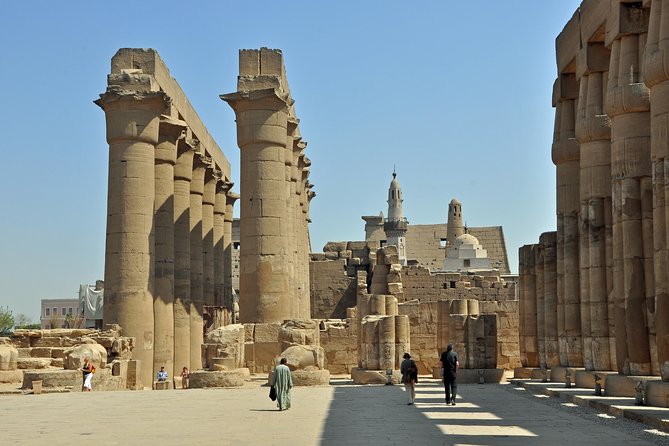
Medinet Habu is the final major sight and one of the most worthwhile inclusions. Located at the southern end of the Theban Necropolis, it is the memorial temple of Ramses III and is noted for its large enclosure wall and well-preserved carvings.
The visit lasts about 90 minutes. By this point, the long day may be catching up with you, but the temple’s condition rewards attention. Carved scenes preserve military and religious imagery, while the large walls help you picture how protected and controlled the temple precinct once was.
The site is also linked with the first labor strike in recorded history, when workers protested against their king. That detail adds a human angle to a day otherwise dominated by pharaohs, gods, and royal tombs. Ask your guide to explain the strike and the role of workers in building and maintaining royal monuments.
Medinet Habu is not always the first place people think of when planning Luxor, which is exactly why it adds value to this route. If your priority is only the most famous names, you might be tempted to skip it. I would not. The combination of preservation, reliefs, and royal context makes it a strong closing stop.
What the $85 price really covers
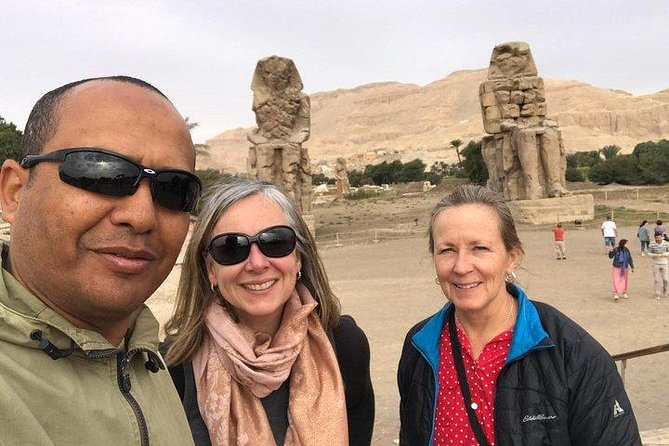
At $85 per person, the tour is priced as a private full-day sightseeing service rather than an all-inclusive ticket. You get transfers in a private air-conditioned vehicle, hotel or Nile cruise pickup and return, one bottle of water, and a qualified English-speaking Egyptologist guide.
You do not get entrance fees, tips, or anything not listed. Since the route includes five ticketed attractions, the final amount will be higher. Ask for the current combined admission cost before departure, especially if you want access to any special tombs.
The price makes the most sense for a small group that wants its own vehicle and guide. If you are traveling alone, $85 is a bigger personal expense, but it can still be worthwhile if you value direct explanations and a flexible private setting. For two or more people, the shared cost becomes easier to justify.
One practical complaint in the supplied feedback concerns spending pressure during the day. I would set a clear budget before leaving and ask which costs are optional. The tour includes transport and guiding, but you should not assume every suggested purchase or add-on is part of the price.
Timing, comfort, and the long-day reality
The scheduled start is 7:00 a.m., with the return to your Luxor hotel or cruise listed at the end. The tour is described as approximately eight hours, but the stated stop times total about nine hours before accounting for driving. Treat the timing as an estimate, not a strict guarantee.
A snack is a smart idea. One person specifically advised bringing food because the day is long, and the supplied inclusions mention water but not lunch. Wear practical shoes and light clothing suitable for hot outdoor sites.
The experience requires good weather. If poor weather causes cancellation, you are offered another date or a full refund. For a full refund, cancel at least 24 hours before the 7:00 a.m. start time. Cancellations within 24 hours are not refunded, and late changes are not accepted.
There is one detail you should confirm before paying: the location field says Cairo, while the pickup information refers to a hotel or Nile cruise in Luxor and the route ends in Luxor. Ask the operator to confirm your exact pickup point and whether your accommodation is within the service area.
Who should choose this tour
I would choose this tour if you have one full day in Luxor and want the major East and West Bank sights without arranging separate rides. It suits first-time visitors who want a guide to explain the tombs and temples, as well as families or mixed-age groups that may need to slow down or rest.
It is also a good fit for people who want to see Medinet Habu and Hatshepsut rather than limiting the day to Karnak and the Valley of the Kings. The private vehicle gives you a better chance of adjusting the pace.
I would hesitate if you dislike early starts, hot outdoor sites, or tightly scheduled sightseeing. You may also prefer a shorter tour if you want to study each temple at length. This route values coverage, and its strength is seeing a great deal in one day.
Should you book it?
Book this tour if you want an efficient private introduction to Luxor and can handle a long day of monuments. The route is unusually complete, the transport is private, and the guide can make the difference between simply seeing carved stone and understanding the people, beliefs, and politics behind it.
Before booking, confirm the pickup location, total entrance costs, expected duration, and whether Laila or Mohamed Noor is available. If those details suit you, the $85 base price is fair for a private vehicle and guide, provided you budget extra for tickets and gratuities.
FAQ
What is included in the $85 price?
The price includes private transfers in an air-conditioned vehicle, pickup and return to your hotel or Nile cruise, one bottle of water, and an English-speaking Egyptologist guide.
Are entrance fees included?
No. Entrance fees for the Valley of the Kings, Hatshepsut’s temple, Karnak, Luxor Temple, and Medinet Habu are not included.
What time does the tour start?
The stated start time is 7:00 a.m.
Is this a private tour?
Yes. Only your group participates in the private activity.
Can I request Laila or Mohamed Noor as my guide?
You can request a preferred guide when booking. The supplied tour details confirm an English-speaking Egyptologist but do not guarantee a specific guide.
What is the cancellation policy?
You receive a full refund if you cancel at least 24 hours before the experience start time. Cancellations or changes within 24 hours are not accepted or refunded. If poor weather cancels the tour, you are offered another date or a full refund.
Just added around Cairo
- St Simon Monastery ,Cave Church , Garbage City and Coptic Cairo Private day tour★ 5.0 · 29 reviews
- Tour to Giza Pyramids, Sphinx, Valley Temple, Camel Ride & Lunch★ 5.0 · 7 reviews
- Monastery St Simon with Cave Church and Garbage City Private Tour★ 5.0 · 15 reviews
- Overnight Trip to Saint Catherine Monastery from Cairo★ 4.0 · 14 reviews
- Private Full-Day Red Sea Monasteries Tour from Cairo★ 5.0 · 17 reviews
- Overnight Tour Moses Mountain St. Catherine Monastery from Cairo★ 5.0 · 21 reviews
- Private Guided Tour to Giza Pyramids, Valley Temple and Sphinx★ 5.0 · 10 reviews
- Shared Tour To Abu Simbel Temple From Aswan★ 5.0 · 7 reviews
Karnak & Valley of the Kings Tours, compared.
Valley of the Kings and Hatshepsut Temple Day Tour
Read our review →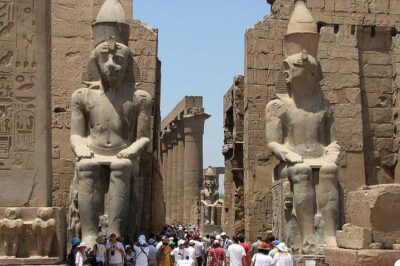
Valley of Kings, Hatchepsut Temple ,Karnak & Luxor-DayTour
Read our review →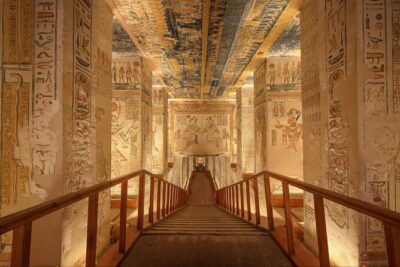
Full Day Tour of Luxor West Bank Temples and Tombs (Private)
Read our review →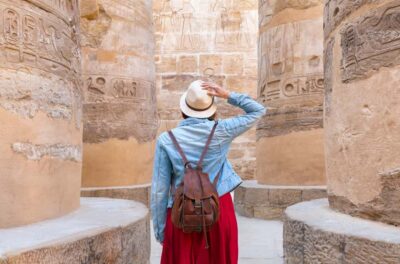
Private Half Day West Bank Tour to Valley of the Kings Queen Hatshepsut Temple and Colossi of Memnon
Read our review →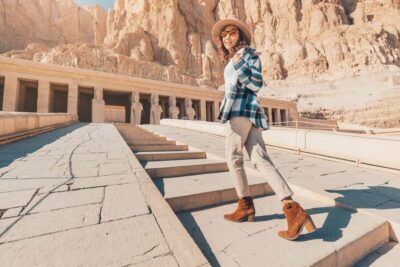
Valley of the Kings and Hatshepsut Temple w/Nile Boat
Read our review →
Dendera Temple All-Inclusive Tour & Felucca Ride
Read our review →
Hot Air Balloon Ride Over Temple of Hatshepsut
Read our review →Browse the lists this tour appears in