
REVIEW · ULUWATU & TANAH LOT TEMPLE TOURS
Bali: Gunung Kawi Temple & Pakerisan UNESCO Guided Tour
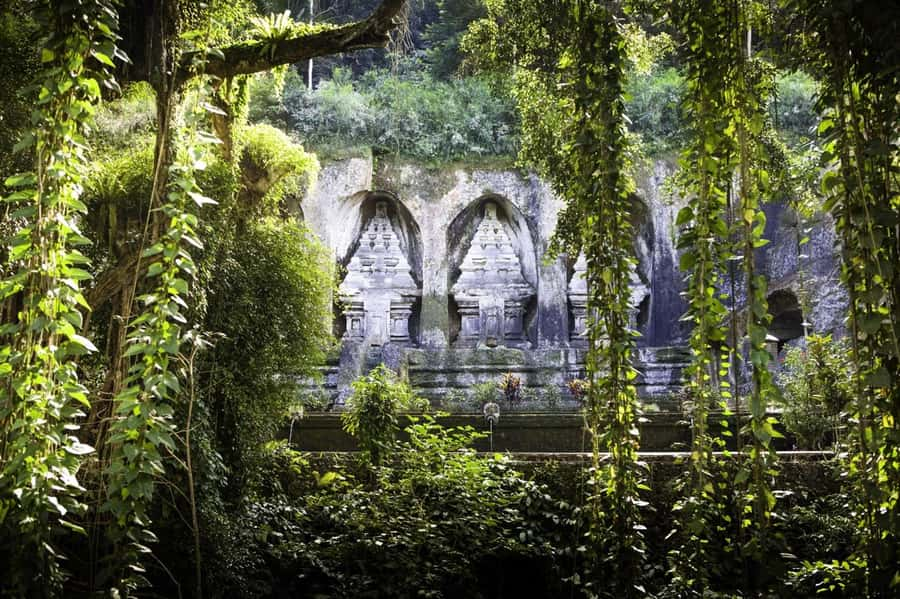
Gunung Kawi is the kind of Bali stop that rewards you for slowing down. You descend 300 stone steps through palms and frangipani, then reach ten giant shrines cut into the cliff beside the Pakerisan River. The setting feels quiet and spiritual, not staged for quick photographs.
I like the chance to learn from guides such as Raka, Agus, Andrian, and Kar, who explain Balinese religion, royal history, village life, and local customs. I also like the flexible start, with a temple meeting point, Ubud Palace pickup, or hotel transfer from central Ubud. The main drawback is physical: you must walk down and later climb back up those steps, often in heat, so this is not a good choice if you have limited mobility or low fitness.
Key points to know before booking
- Ten cliff-carved shrines: See the candi cut into stone for Balinese royalty and officials, dating to around the 11th century.
- A quiet Pakerisan setting: Walk beside sacred springs, mossy paths, rice terraces, and the river valley away from Ubud’s traffic.
- Strong local guiding: Guides including Raka, Agus, Andrian, Kar, Ketut, and Sana bring different knowledge of Hindu practice, village life, and Balinese culture.
- A real stair workout: The 300-step route is shaded in places but still demanding, especially on the return climb.
- Flexible transport: Meet at Gunung Kawi, Ubud Palace, or arrange pickup from a hotel in central Ubud.
- Good value at $18: The price includes the guided visit, water, insurance, and tax, with transport included only when that option is selected.
Why Gunung Kawi feels different from a standard Ubud stop
Ubud has no shortage of temples, gardens, and cultural attractions. Gunung Kawi offers something more focused: a short walking visit built around one ancient site and its natural setting.
The first surprise is the approach. You do not step from a parking area straight into the main sight. You walk down a long stone stairway, with tropical plants and valley views opening around you. That gradual arrival helps you leave behind the noise of the road and pay attention to the river, shrines, and temple courtyards.
The name Gunung Kawi is often associated with the great rock-cut memorials in this valley. The ten candi are carved into the cliff face and are linked with Balinese royalty. Their exact appearance is striking because they look like buildings, but they are cut directly from the rock.
This is not a huge complex that requires half a day to understand. The visit lasts about 2 to 4 hours, depending on your meeting option, walking pace, questions, and time spent at the river. That makes it easy to pair with other Ubud plans, though you should not schedule something immediately afterward if you prefer to walk slowly.
More Uluwatu and Tanah Lot Temple Tours in Ubud:
- Uluwatu Sunset, Kecak Dance, and Dinner Jimbaran Beach
★ 5.0 · 3,681 reviews - Tanah Lot and North Bali Tour: Scenic Journey
★ 5.0 · 3,620 reviews - Tirta Empul: Temple Tour with Optional Spiritual Cleansing
★ 4.9 · 1,257 reviews
Descending 300 steps into the Pakerisan River Valley
The stairway is part of the experience, not just a route to the entrance. You pass palms, frangipani trees, and glimpses of the valley as you descend. The shade helps, but it does not remove the effort.
I would choose an early morning start whenever possible. A 7:30 a.m. visit gives you cooler air and a quieter atmosphere, and the return climb is easier before the day heats up. Late afternoon can also work for a calmer visit, depending on the available start time.
Bring water and wear shoes with a firm sole. The steps may feel manageable on the way down, then seem much longer when you climb back to the road. This is the one practical detail most likely to affect your enjoyment.
At the bottom, the mood changes. The sound of the river and birds replaces road noise, while moss-covered stone and tropical greenery frame the temple grounds. You have time to pause, catch your breath, and listen to the guide before moving through the shrine area.
The ten candi and the story behind them
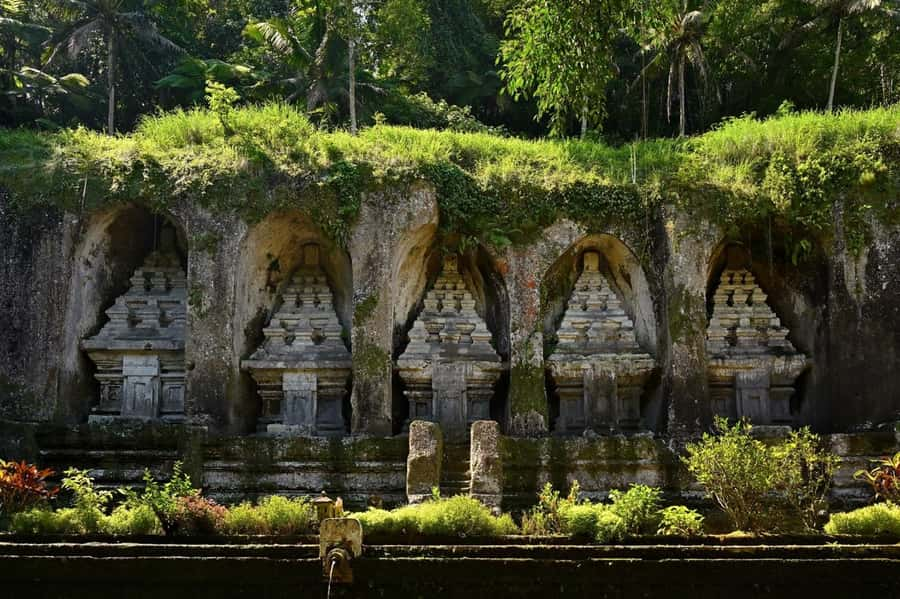
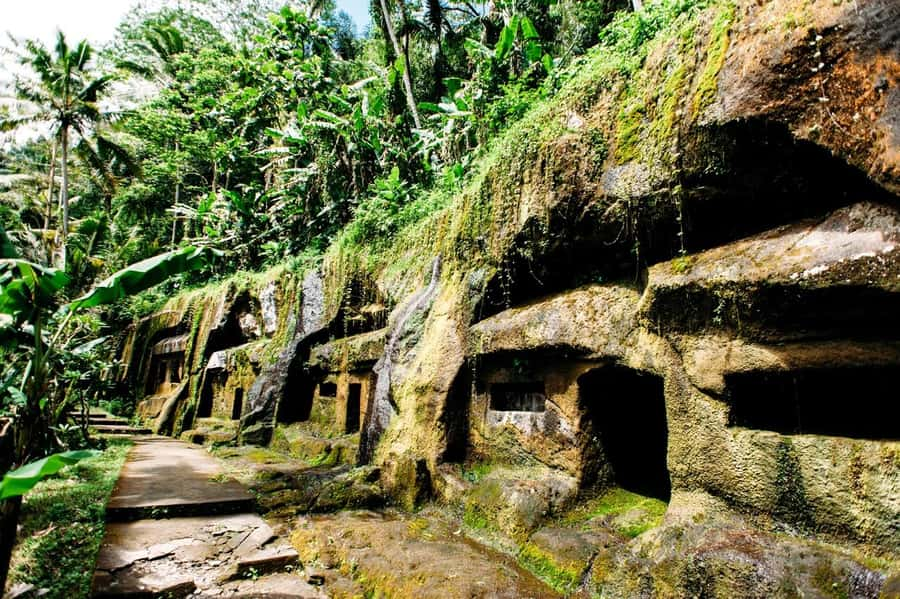
The main sight is a row of massive shrines carved into the cliff. These candi are believed to date from the 11th century and are connected with Balinese kings and officials.
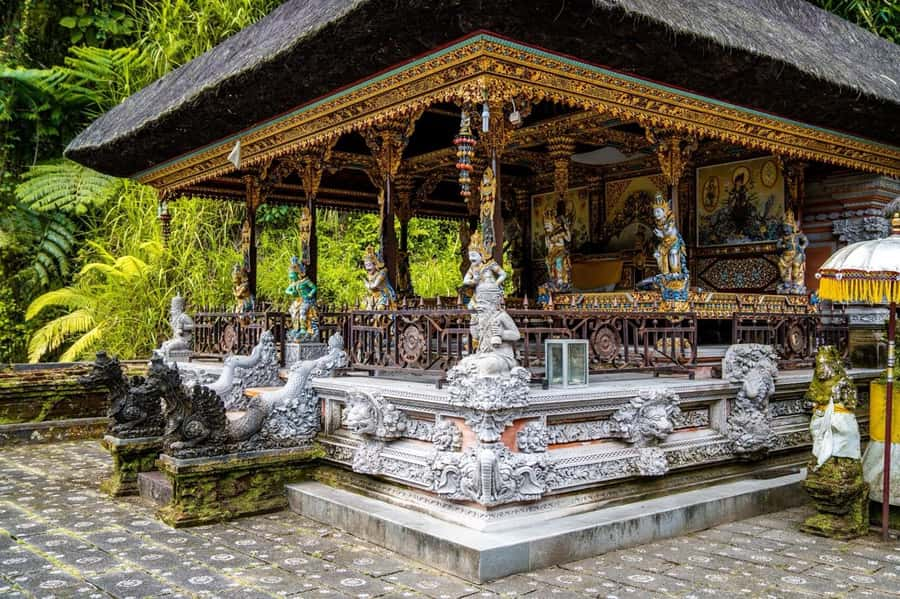
Their scale gives the site its power. You can see the marks of careful carving in the rock, but the setting is not polished into a museum display. The shrines remain part of a living religious place, with cloth wrapped around sacred objects and flowers and incense set out as offerings.
A guide adds real value here. Without explanation, you might see ten impressive stone forms and move on. With a guide, you can ask about the figures associated with the site, the role of temples in Balinese life, and the difference between a historic monument and an active place of worship.
The strongest comments about this experience focus on the guides. Raka is praised for bringing together culture and history in a clear way. Agus spends time explaining the old royal site and the surrounding countryside. Andrian covers Hindu, Balinese, and Indonesian history in detail. Kar is noted for discussing religion, nature, communities, and daily life.
That range matters because Gunung Kawi is not only about old stone. The guide helps connect the monument to living Bali. You can ask questions rather than simply follow a scripted path.
Sacred springs, bathing pools, and a slower pace
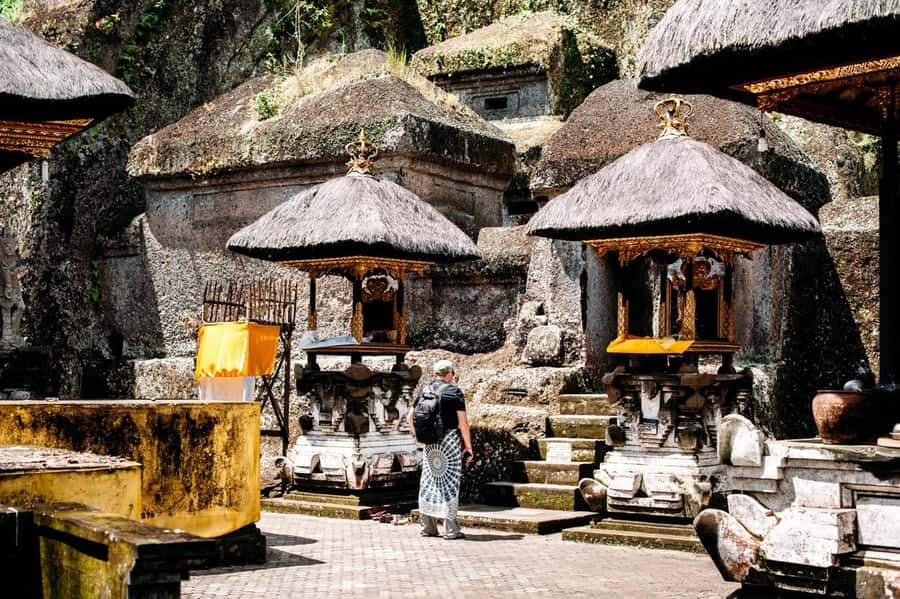
After the candi, the walk continues through courtyards and along old bathing pools supplied by springs connected with the Pakerisan River. Water trickles through the site, and the shaded paths invite you to stop.
This is where the outing becomes more than a quick historical visit. You can sit quietly, watch the water, and take in the ritual details around you. The atmosphere is especially peaceful when the site is lightly visited.
You may see traditional cloth on shrines and offerings made from flowers, leaves, and incense. You are expected to respect the space rather than treat it as a photo set. A small offering or silent prayer may be appropriate, but you can also simply observe with care.
The site is active, so dress for temple customs. You need a sarong and sash when entering. If you do not have a sarong, one can be rented at the entrance. Shorts are not allowed, so plan your clothing before leaving Ubud.
The guide can help you understand what you are seeing and how to behave. That is useful for first-time visitors to Bali, especially if you want to visit respectfully without guessing at local rules.
More Guided Tours in Ubud:
- Angkor Wat Sunrise or Sunset Tour with Guide from Siem Reap
★ 5.0 · 12,109 reviews - From Bangkok: Ayutthaya Temples Guided Tour with Lunch
★ 4.7 · 10,535 reviews - Athens: Cape Sounio & Poseidon Temple Trip with Audio Guide
★ 4.4 · 4,521 reviews - Siem Reap: Full-Day Angkor Wat Guided Tour with Sunset
★ 4.9 · 3,803 reviews
Walking beside the Pakerisan River
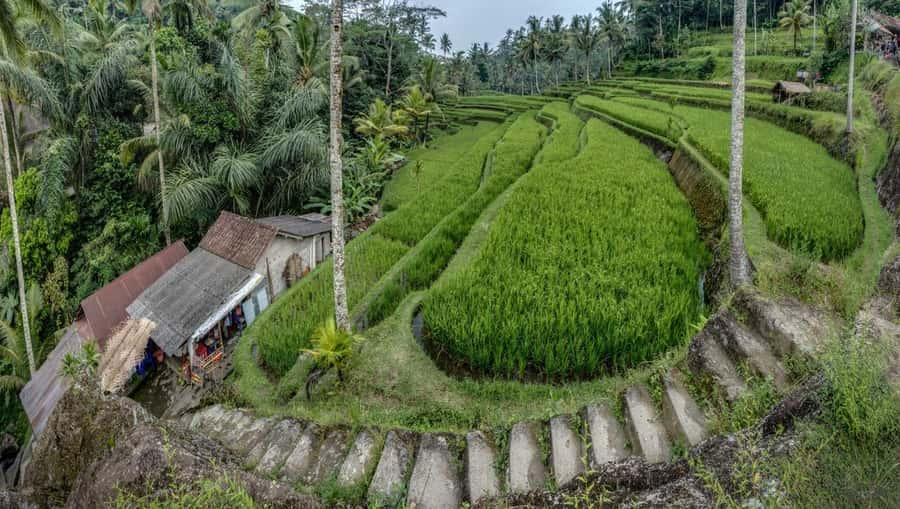
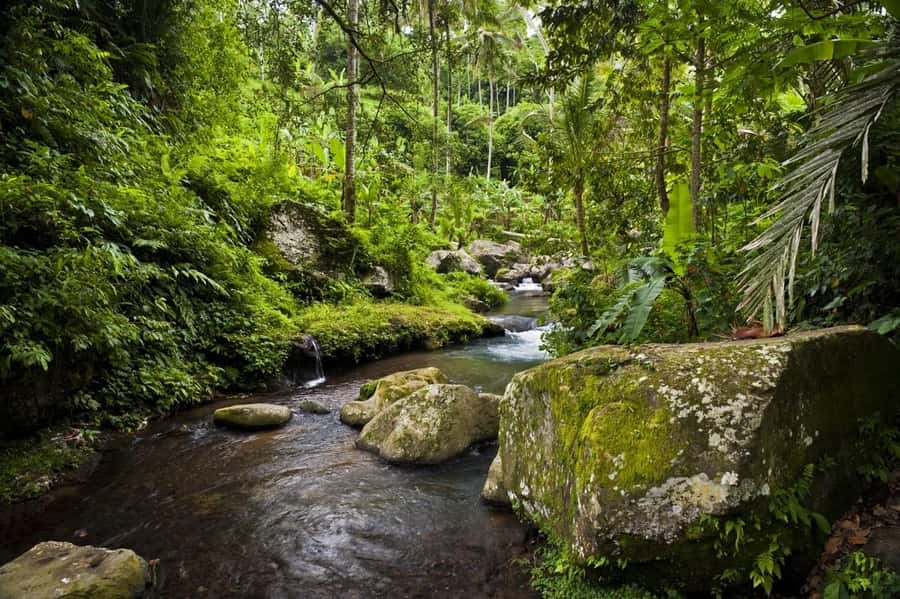
The Pakerisan River gives Gunung Kawi much of its sense of calm. The route follows the valley and brings together water, stone, tropical plants, and rice terraces.
The river is also part of the meaning of the place. This is not simply an old monument placed in an attractive setting. Sacred water, temple activity, and the surrounding countryside remain connected.
I like this part of the tour because it gives you a better sense of Bali beyond Ubud’s central streets. You are not only looking at a famous structure. You are seeing how a temple relates to its natural surroundings and to the communities that care for it.
Do not expect a long countryside trek. This is a guided temple visit with a river-valley walk, not a full-day hiking tour. The route is still enough to make the visit feel spacious, especially if you avoid the hottest hours.
Meeting points and the transport choices
You can select the arrangement that best fits your day.
Meeting directly at Gunung Kawi is the simplest option if you already have transportation and want to control your arrival time. Arrive 15 minutes early and meet the local guide at the designated point.
Meeting at Ubud Palace adds a car transfer to the temple. The driver guide contacts you through WhatsApp, so make sure the phone number on your booking works with WhatsApp and be ready 15 minutes early.
Hotel pickup is available from central Ubud when that option is selected. Pickup information is sent by email or WhatsApp the day before, or sometimes up to an hour before the activity. The driver contacts you to confirm the details, and you should wait in the hotel lobby 15 minutes before departure.
This flexibility is useful, but read the selected option carefully. The $18 starting price does not mean every booking includes hotel transport. Transfer from Ubud Palace and central Ubud hotel pickup apply only when chosen.
The listed return points include Pura Gunung Kawi Sebatu, Ubud, and Ubud Palace. That can help if you want to continue sightseeing, but confirm your chosen drop-off arrangement before the visit.
How the $18 price holds up
At $18 per person, this is a strong-value half-day outing if you want a guide rather than a self-guided temple visit. The included guided tour, mineral water, insurance, and tax cover the main parts of the experience.
The value comes from the explanation. Gunung Kawi is visually impressive, but the site becomes more meaningful when someone explains the royal memorials, offerings, Hindu traditions, and local way of life. Guides such as Sana and Ketut are also praised for conversation and personal recommendations, which can make the visit feel less mechanical.
Transport changes the calculation. If you select hotel pickup or the Ubud Palace transfer, you are paying for added convenience as well as the temple visit. If you meet at the site, you will need to arrange your own way there.
Food and drinks are not included, though water is provided. Plan any meal separately. Since the experience lasts 2 to 4 hours, it fits comfortably into a morning or afternoon without taking over your full day.
The free cancellation policy allows a full refund when you cancel at least 24 hours ahead. Reserve-now, pay-later terms also make it easier to keep your plans open, provided those conditions remain available when you book.
Choosing the right guide and timing
The company uses English and Indonesian-speaking guides. Names connected with particularly strong experiences include Raka, Agus, Andrian, Kar, Ketut, and Sana.
You cannot necessarily request a specific person, so book this for the local interpretation and site access rather than for one named guide. Still, the range of guide strengths is encouraging. Expect explanations about Balinese Hinduism, Indonesian history, community life, spirituality, and the relationship between people and nature.
Timing makes a large difference. Early morning offers cooler steps and fewer people. One 7:30 a.m. visit is especially well suited to the route because you descend and climb before the worst heat arrives.
Late afternoon can also provide a quieter feel. The key is to avoid the middle of the day if you are sensitive to heat or find stairs tiring. Check the available starting times when booking.
Who should skip this experience
This is a poor match for anyone with a mobility impairment, low fitness, respiratory problems, epilepsy, or a pregnancy. The activity is also listed as unsuitable for babies under one year and people over 70, with a separate restriction for people over 95.
The main issue is not the length of the tour. It is the steep stair route and the need to return uphill. Even a short visit can feel demanding in hot weather.
If you are unsure about your fitness, ask yourself whether you can comfortably manage 300 stone steps down and back up while wearing temple-appropriate clothing. There is no benefit in rushing this site. If the stairs would make the visit stressful, choose a flatter Ubud activity instead.
What to bring and how to dress
Wear comfortable shoes with good grip. Bring water even though mineral water is included, especially if you expect to spend time climbing in warm weather.
A sarong and sash are required for temple entry. You can rent a sarong at the entrance if needed, but bringing one saves time. Do not wear shorts.
Loose, respectful clothing is the sensible choice. You will be walking, climbing, and visiting a working temple, so clothing that is modest and easy to move in is more useful than an outfit chosen only for photographs.
Keep your camera ready, but give the guide and the site your attention. The best parts of Gunung Kawi are not all large views. They include the small offerings, the sound of water, and the way the shrines fit into the valley.
Should you book the Gunung Kawi tour?
Book it if you want a quiet cultural outing from Ubud, enjoy learning through conversation, and can handle the 300-step route. The combination of cliff-carved memorials, sacred water, river scenery, and strong local guiding gives you more substance than a quick photo stop.
Choose the early option if you can. It helps with both crowds and heat. Select hotel pickup or the Ubud Palace meeting point if transport is worth paying extra for, and meet at the temple if you already have an easy way to arrive.
Skip it if stairs are a serious concern, if you want a full-day tour with several attractions, or if you prefer not to follow temple dress rules. For the right visitor, though, $18 buys a compact, thoughtful look at Bali’s history and living religious culture in a setting that still feels calm.
FAQ
How long does the Gunung Kawi and Pakerisan tour last?
The activity lasts approximately 2 to 4 hours, depending on the selected meeting option, walking pace, and time spent at the temple and river valley.
Where can I meet the tour?
The meeting point depends on the option selected. You can meet at Gunung Kawi Temple, Ubud Palace, or arrange hotel pickup from central Ubud.
Is hotel pickup included?
Hotel pickup from central Ubud is included only when that option is selected. Pickup details are sent by email or WhatsApp, and you should be ready in the lobby 15 minutes early.
Can I meet at Ubud Palace?
Yes. If you select the Ubud Palace option, a driver guide contacts you through WhatsApp and takes you to Gunung Kawi Temple by car.
How many steps are at Gunung Kawi?
The route includes about 300 stone steps down to the temple and river valley, followed by the climb back up.
What should I wear?
Wear comfortable walking shoes, a sarong, and a sash. Shorts are not allowed, and a sarong can be rented at the entrance if needed.
Is the tour available in English?
Yes. Live guides are available in English and Indonesian.
Is water included?
Yes. Mineral water is included. Food and other drinks are not included.
Who should avoid this activity?
The experience is not suitable for pregnant women, people with mobility impairments, respiratory issues, epilepsy, or low fitness. It is also not suitable for babies under one year, people over 70, or people over 95.
Can I cancel the booking?
You can cancel up to 24 hours before the activity for a full refund. Reserve-now, pay-later availability may also let you hold a place without paying immediately.
Just added around Ubud
- Puppy Yoga in Bali, Ubud & Uluwatu★ 4.7 · 93 reviews
- Monkey Forest, Kanto Lampo, Waterfall, Temple & Rice Terrace★ 4.9 · 14 reviews
- Best Watefalls, Monkey Forest, Temple and Rice terrace★ 5.0 · 11 reviews
- Bali ubud : monkey forest, waterfall , temple★ 3.4 · 8 reviews
- Bali: Taman Ayun, Jatiluwih, Ulun Danu, and Monkey Forest★ 4.8 · 8 reviews
- BALI :Sanctuary Monkey forest, rice terrace Water temple★ 4.9 · 14 reviews
- Bali: Rice terrace, Waterfall, and water Temple Day Tour★ 5.0 · 10 reviews
- Ubud: Rice Terraces, Water Temple, & Waterfalls Private Tour★ 5.0 · 44 reviews
Uluwatu & Tanah Lot Temple Tours, compared.
Uluwatu Kecak and Fire Dance Show Entry Ticket
Read our review →
Uluwatu Sunset, Kecak Dance, and Dinner Jimbaran Beach
Read our review →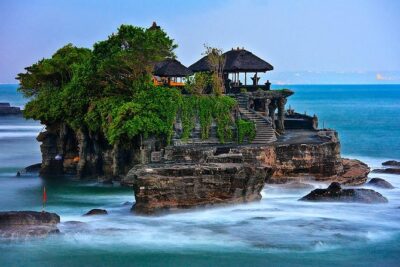
Tanah Lot and North Bali Tour: Scenic Journey
Read our review →
Besakih Temple & Lempuyang Temple Gates of Heaven Tour
Read our review →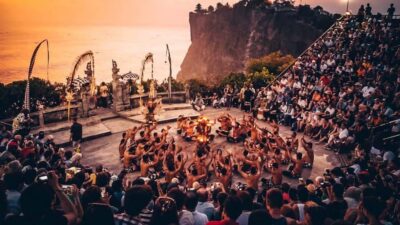
Kecak Fire Dance Show & Uluwatu Temple Entry Ticket
Read our review →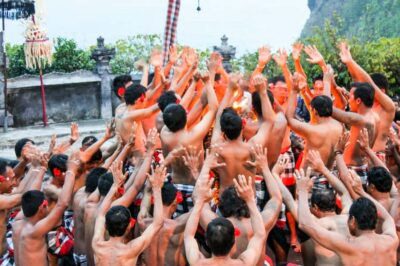
Bali Sunset: Uluwatu Temple, Kecak Dance and Jimbaran Bay
Read our review →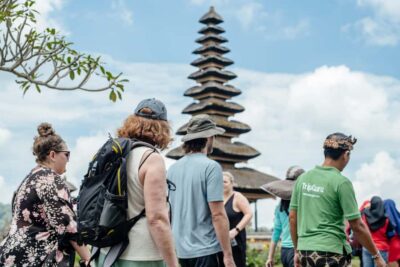
Tanah Lot UNESCO World Heritage Sites Full-Day Tour
Read our review →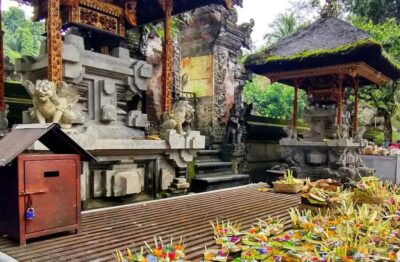
Tirta Empul: Temple Tour with Optional Spiritual Cleansing
Read our review →Browse the lists this tour appears in