
REVIEW · ULUWATU & TANAH LOT TEMPLE TOURS
Bali: Archeology Museum, Gunung Kawi & Goa Gajah Temple Tour
Bali’s ancient heart is carved into stone, cut into river valleys, and still used for prayer. This private tour links Tirta Empul’s holy springs, Gunung Kawi’s royal monuments, Yeh Pulu’s long rock carvings, Goa Gajah, and a museum filled with old relics in one well-planned day.
I like the way the tour pairs famous temples with quieter archaeological sites, and I like having a private guide who can adjust the pace. Guides such as Suker, Sumadi, Joe, and Komang Sparsa are especially good at explaining Balinese beliefs, folklore, and daily customs. The drawback is physical: expect stairs, uneven paths, and plenty of walking, especially at Gunung Kawi.
Key points at a glance
- Five very different heritage stops: See a sacred spring temple, royal burial monuments, rock reliefs, a cave sanctuary, and ancient objects in a museum.
- Private transport and guiding: Hotel pickup, drop-off, entry fees, and mineral water are included in the $36 price.
- Best for history-minded visitors: The day focuses on archaeology, Hindu traditions, legends, and Balinese culture rather than beaches or shopping.
- Gunung Kawi demands effort: Stone stairways and uneven paths make comfortable shoes and a steady pace essential.
- Flexible extras are available: Add coffee tasting, a traditional massage, a jungle swing, rafting, or an ATV ride, depending on the option you choose.
- Early starts help: Beginning around 8:30 AM near Ubud can mean cooler conditions and fewer people at the sites.
A seven-hour journey through Bali’s old kingdom
This tour travels around Tampak Siring and Bedulu, two areas where Bali’s past is still visible in temples, carved cliffs, burial monuments, and museum pieces. You are not simply moving from one photo stop to another. The sites connect through the Pakerisan River, an important corridor for early Balinese religious and royal life.
Your day includes hotel pickup and drop-off in a private group, with an English-speaking guide and transport. Entry fees and mineral water are included. Food, drinks beyond the water, and personal purchases are not, so bring cash for meals, refreshments, or optional stops.
At $36 per person, the package offers good value if you want several major sites with a guide. Paying separately for transport, admission, and a driver who can explain what you are seeing would take more planning. The value is strongest for couples, families with older children, or solo visitors who want a private day instead of a large coach group.
More Uluwatu and Tanah Lot Temple Tours in Bali:
- Bali: Besakih Temple & Lempuyang Temple Gates of Heaven Tour
★ 4.8 · 3,243 reviews - Bali Sunset: Uluwatu Temple, Kecak Dance and Jimbaran Bay
★ 4.7 · 2,397 reviews - Bali: Tanah Lot UNESCO World Heritage Sites Full-Day Tour
★ 4.7 · 1,947 reviews
Tirta Empul and the meaning of holy water
The first stop is Tirta Empul, a Hindu temple dating to the 10th century. Its central feature is a spring-fed bathing area where people take part in purification rituals. The water is sacred, not simply a decorative fountain, so your guide can help you understand the difference between observing the ritual and taking part in it.
You will see a series of bathing pools and temple buildings shaped by centuries of worship. The setting can feel active and personal, with local religious practice taking place alongside sightseeing. That makes this a more useful introduction to Bali than a quick stop at a temple gate.
You may participate in the cleansing ritual, but treat it as a religious act rather than a photo opportunity. Dress modestly, keep your voice low, and follow the guide’s instructions. Shoulders and knees should be covered at temples.
One important local rule applies here and at other sacred sites: people who are menstruating may not enter the temple. Pregnant people are also advised not to take this tour, and the full day is not suitable for wheelchair users or those with major mobility limits.
Gunung Kawi’s 11th-century stone monuments
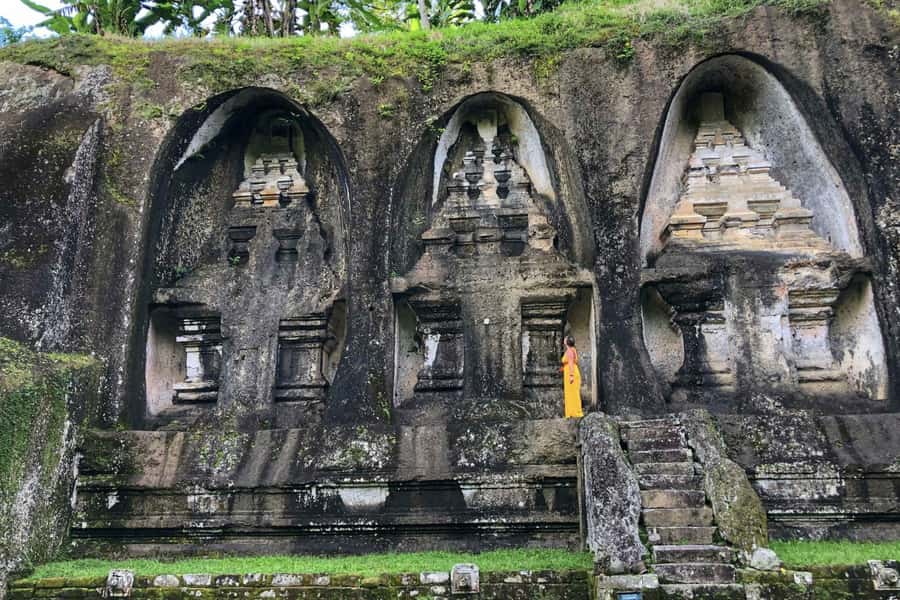
Gunung Kawi is the day’s most demanding stop and one of its most memorable. The complex is reached by a long flight of stone steps, with the Pakerisan River valley below. The monuments are cut into the cliff face and are linked to Balinese kings from the 11th century.
The site is often described as pre-Hindu in atmosphere, though it belongs to a period when royal power, Hindu worship, and local spiritual traditions were closely connected. Your guide can sort through the old stories and explain which parts come from recorded history, local legend, and religious tradition.
Allow yourself time here. The steps can be slippery after rain, and the stone paths are uneven. Several people who have taken the tour found that the number of stairs was the main physical challenge, with one guide openly warning about roughly 300 steps. That honesty is useful. You can go slowly, stop for water, and let the private format work in your favor.
I would want Gunung Kawi scheduled early, before the day becomes hot. Guides such as Dharma have adjusted the order for this reason, placing the most strenuous site first. If you have knee, balance, or heart concerns, ask yourself honestly if the climb is worth it before booking.
Yeh Pulu’s everyday scenes carved in stone
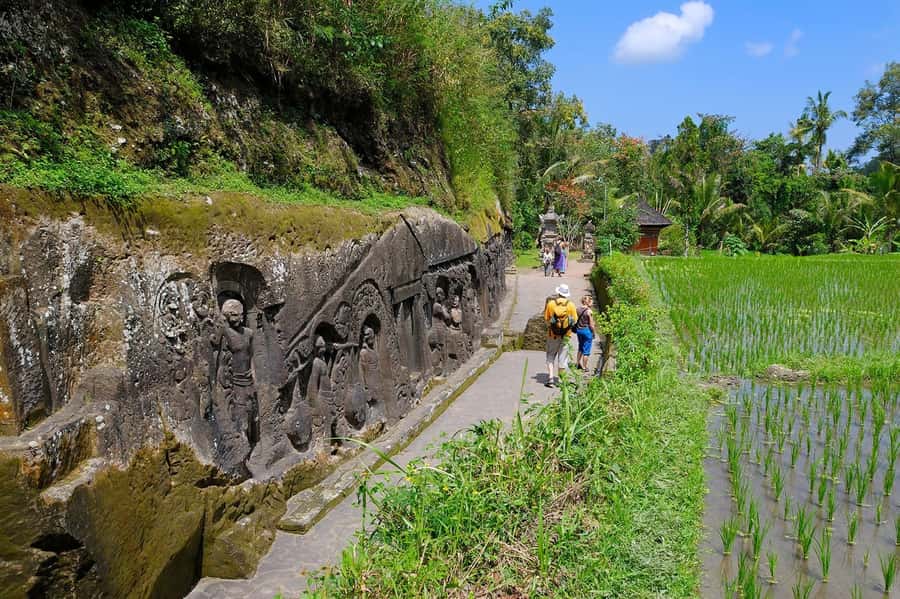
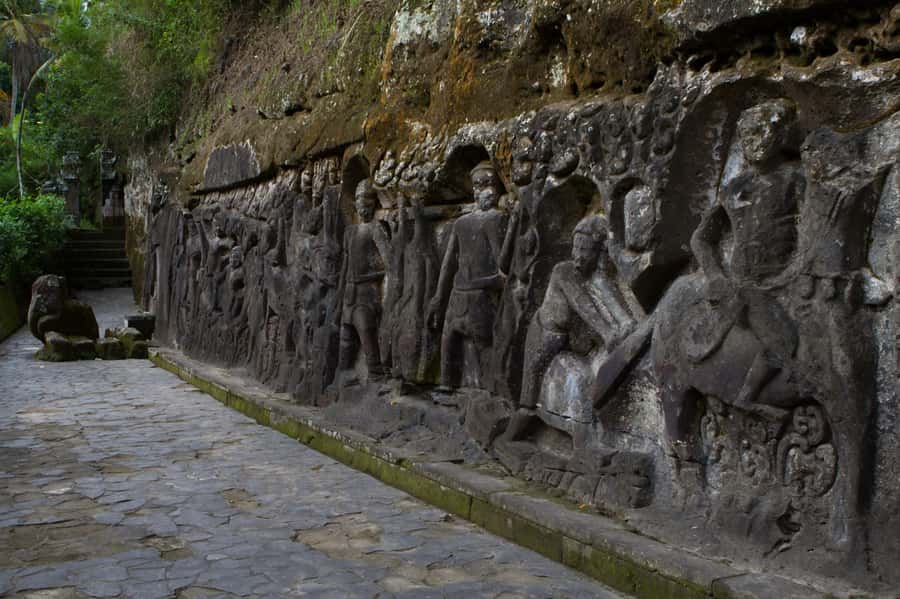
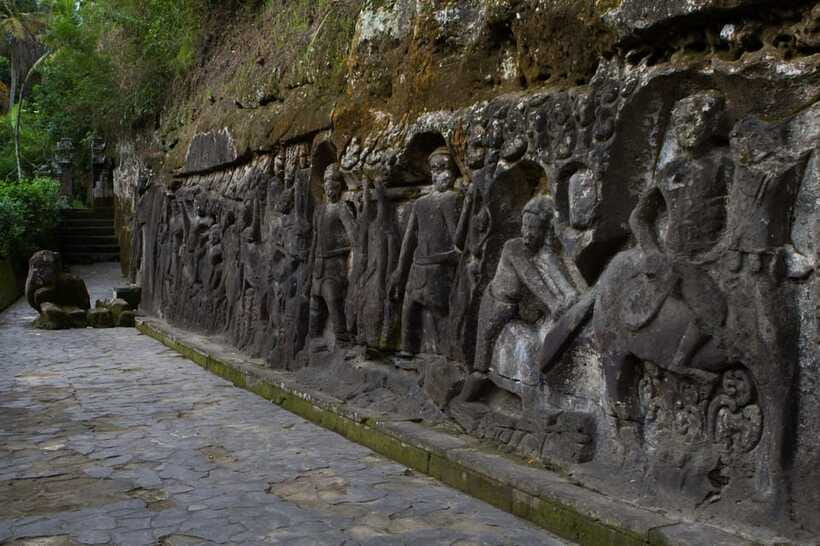
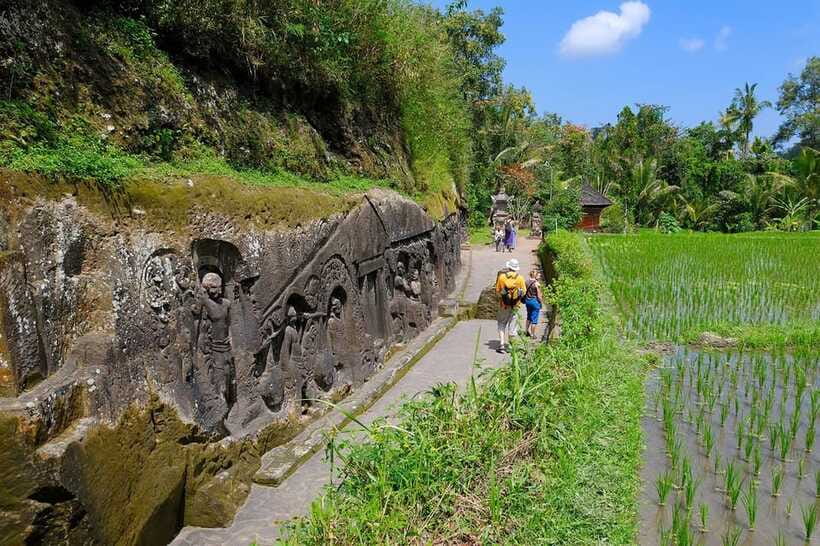
Yeh Pulu offers a different look at old Bali. Instead of a large temple complex, you find a roughly 25-meter-long line of carvings cut into a rock wall near Bedulu.
The reliefs show mythological figures, Hindu gods, and people involved in ordinary village life. That mixture matters. It gives you a glimpse of more than royal monuments and formal worship. The carving appears to connect sacred stories with work, movement, and daily routines.
This is a good place to pay attention to your guide. Without explanation, the reliefs can seem like a series of weathered figures. With context, you can look for changes in scale, posture, clothing, and subject. Photography is allowed, but do not touch the carvings or enter restricted areas.
The path around Yeh Pulu is uneven, and some parts may be slippery after rain. It is not a long museum-style visit. You are outdoors, often with limited shade, so sunscreen, a hat, and water make a real difference.
More Museum Visits in Bali:
- Montserrat Museum and Monastery Entry Ticket
★ 4.5 · 1,740 reviews - Lisbon: Belem, Jeronimos Monastery, and Coach Museum Tour
★ 4.8 · 478 reviews - From Sofia: Rila Monastery and Optional Museum, Cave or Spa
★ 4.6 · 270 reviews - Takua Pa: Food Market, Tsunami Museum, Temple, & Old Town
★ 4.9 · 165 reviews
Goa Gajah and the cave shaped like a demon’s mouth
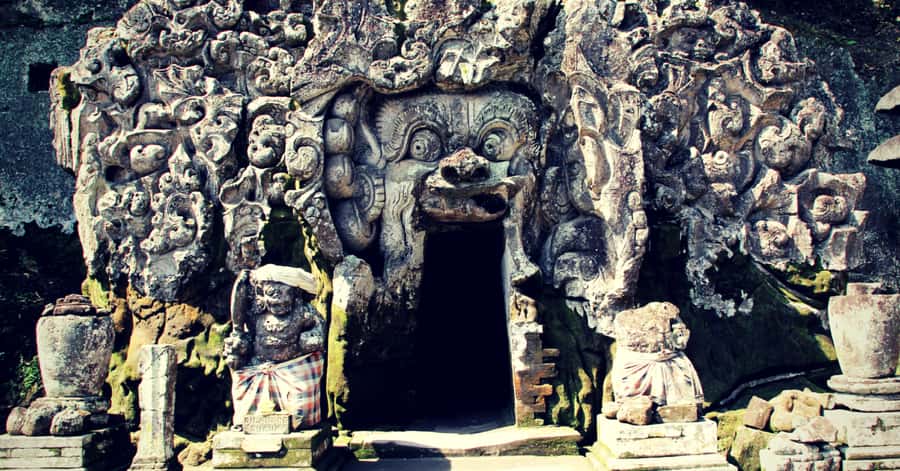
Goa Gajah, or Elephant Cave, dates to the 9th century. Its entrance is the visual punch of the day: a carved face with an open mouth that appears ready to swallow you.
Inside, the space is compact and atmospheric, with stone carvings and structures tied to meditation and spiritual practice. The cave itself is not huge, so the value comes from understanding its purpose and the layers of religious tradition around it.
The surrounding grounds add to the visit, but you should not expect a vast ruin field. Goa Gajah works best as part of this sequence because it follows the open-air carvings at Yeh Pulu and contrasts with the royal monuments at Gunung Kawi.
As at Tirta Empul, modest dress and quiet behavior matter. Ask before using a drone, since aerial photography may be restricted. Your guide can also tell you where normal photography is acceptable.
Gedong Arca and Bali’s archaeological record
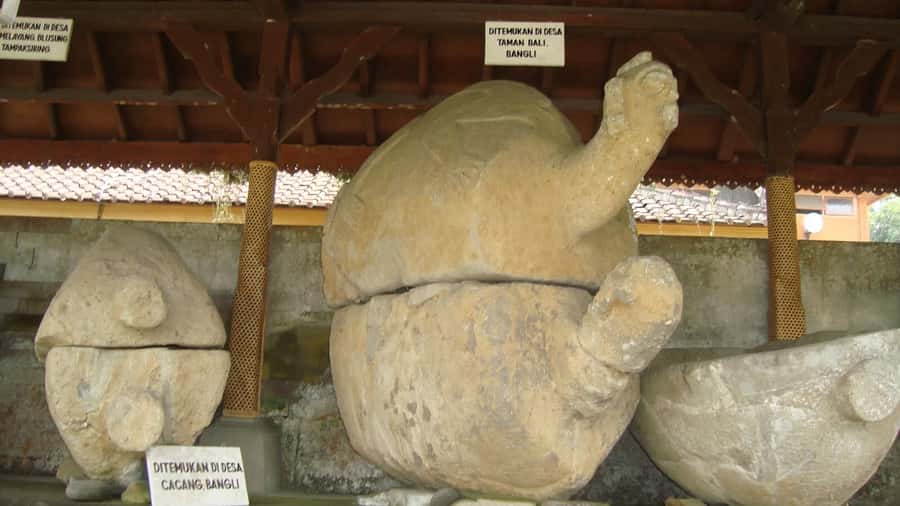
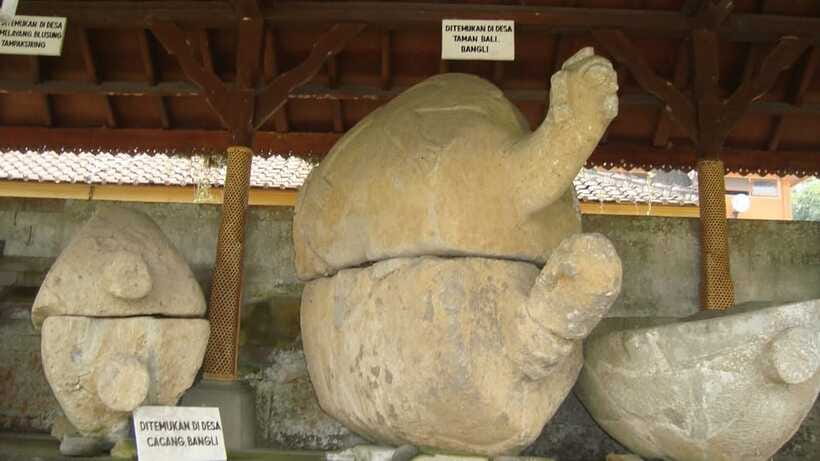
The final major stop is Gedong Arca, also called the Bali Archaeological Museum, in Tampak Siring Village. Its collection includes heritage objects gathered over many centuries, including sarcophagi and other ancient relics.
This museum gives the day a useful ending. At the temples, you see monuments in their original religious settings. At Gedong Arca, you can look closely at objects removed from the ground or preserved for study. The visit helps connect isolated stones and carvings to wider archaeological work in Bali.
Museum hours can matter. On one past visit, the museum was closed on a Sunday, and the guide arranged a different temple instead. If you plan to go on a Sunday, confirm the museum’s opening status before setting your expectations. A flexible private tour is helpful here, but a substitute stop will not be the same as seeing the collection.
Why the guide matters more than the schedule
The sites are worthwhile on their own, but the guide shapes the day. A good explanation turns a bathing pool into a living religious practice, a rock face into a record of village life, and a sarcophagus into part of Bali’s earlier burial customs.
The strongest guide names connected with this experience include Suker, Sumadi, Joe, Dharma, Komang Sparsa, Subi, and Dwa. Their strengths include explaining temple history, answering questions about modern Balinese life, finding quieter timing, and adjusting the pace. One guide even took a visitor to a local artist studio, while another arranged a coffee stop when asked.
You should feel free to ask for the kind of day you want. Tell the guide if you care most about archaeology, religious traditions, photography, folklore, or avoiding crowds. The private format makes that possible in a way a large group tour usually cannot.
The guides also act as drivers, so transport quality matters. The service has a 98 percent perfect transport score, and the private air-conditioned car makes the hot middle of the day easier. Still, traffic can affect timing, especially around Ubud, so consider the seven-hour length an estimate for the full experience rather than a guarantee of equal time at every site.
Optional extras: useful, but choose with care
The base tour does not include meals or drinks, but you can add several extras when available. These include a one-hour or two-hour traditional massage, Luwak coffee tasting, a jungle swing with coffee, a three-hour rafting trip with buffet, and one-hour solo or tandem ATV rides.
A coffee tasting can fit naturally with a cultural day, especially if you want to learn about local production and take home a purchase. It is still a commercial stop, so do not confuse it with the archaeological focus of the tour.
The jungle swing is mainly for photographs and adds a different mood to a temple-heavy day. One visitor noted that a flowing dress could be rented for swing photos at an additional cost. If you choose this, allow extra time and expect the day to feel less strictly historical.
Rafting and ATV riding change the character of the outing more sharply. They may suit you if you want an active Bali day, but they can make an already full seven-hour program feel crowded. A massage is the easiest add-on to pair with the heritage route, especially after Gunung Kawi’s stairs.
Check which extras are offered with your selected booking option. Not every add-on is available for every version of the tour, and the base price does not automatically include them.
How to prepare for the stone steps and tropical heat
Wear shoes with a good grip. Sandals may be fine for some parts, but Gunung Kawi and the other ancient sites are easier in closed walking shoes.
Bring sunscreen, a hat, a camera, cash, and a light raincoat. The tour runs in light rain, yet wet stone steps can be slick. Many parts of the route have limited shade, so drink water before you feel thirsty.
Dress for both heat and temples. Cover your shoulders and knees, and choose clothing that lets you move comfortably. Sarongs may be available at temple entrances, but the safest plan is to arrive dressed appropriately.
This is not a good choice for wheelchair users, pregnant people, people with mobility impairments, or anyone over 70 who is not comfortable with steep stairs and uneven ground. The published guidance also lists people over 70 as unsuitable for the activity. That is a broad rule, but the terrain is the reason for it.
Free cancellation is available up to 24 hours before the start time, and you can reserve now and pay later. These terms are useful if your Bali plans may shift, but they do not remove the need to check the starting time and pickup details before booking.
Who should book this Bali archaeology tour?
Book it if you want temples explained rather than simply photographed. It is especially suited to people interested in Balinese Hindu practice, royal stories, archaeology, mythology, and the link between old monuments and present-day worship.
I would also recommend it to repeat visitors to Ubud who have already seen the rice terraces and markets and want a more historical day. The itinerary includes familiar names such as Tirta Empul and Goa Gajah, but Yeh Pulu and Gedong Arca give the day more depth.
Skip it if you want a relaxed outing with little walking, a beach day, or a tightly timed route with no flexibility. The stairs, heat, and uneven paths are real. At $36, though, the private vehicle, guide, admissions, water, and five heritage stops make this a strong buy for an active visitor who wants Bali explained in plain human terms.
FAQ
How long does the tour last?
The tour lasts seven hours. Starting times vary, so check availability when booking.
What is included in the price?
Hotel pickup and drop-off, entry fees, mineral water, private transportation, and an English-speaking live guide are included.
Is this a private tour?
Yes. The activity is offered for a private group.
Which sites are included?
The route includes Tirta Empul Temple, Gunung Kawi, Yeh Pulu, Goa Gajah Temple, and Gedong Arca, also called the Bali Archaeological Museum.
Does the tour include food?
No. Food and drinks are not included, apart from the mineral water provided. Personal spending is also separate.
Is the tour suitable for people with mobility issues?
No. The tour includes extensive walking, steep stairs, uneven paths, and potentially slippery stone surfaces. It is not suitable for wheelchair users or people with mobility impairments.
What should I wear?
Wear modest clothing that covers your shoulders and knees, along with comfortable walking shoes. Bring sun protection and a light raincoat if needed.
Can I take part in the Tirta Empul purification ritual?
The temple has bathing pools used for purification, and you may be able to participate. Follow local customs and your guide’s instructions. People who are menstruating cannot enter the temple.
Can I cancel the booking?
You can cancel up to 24 hours in advance for a full refund. The reserve-now, pay-later option is also available.
Just added around Bali
- Bali Pura Taman Ayun Temple, Monkey Forest & Tanah Lot Excursion★ 4.0 · 123 reviews
- Bali Famous Beach, Kecak Dance, Uluwatu Temple, Sunset, Dinner★ 5.0 · 8 reviews
- Ubud: Rice Terrace, Holy Water Temple & Waterfalls Trek Tour★ 4.9 · 115 reviews
- North Bali: Ulun Danu, Waterfalls, Swing and Monkey Forest★ 5.0 · 39 reviews
- From Bali: Bromo, Ijen, Borobudur, and Yogyakarta 4-Day Tour★ 5.0 · 21 reviews
- Canggu: Surfing Class, Tanah Lot & Kecak Dance Sunset Tour★ 3.8 · 12 reviews
- Bali: Water Temple, Waterfalls and Unesco Rice Terrace Tour★ 4.9 · 66 reviews
- Bali: Uluwatu Temple, GWK, and Padang Beach Full-Day Tour★ 4.7 · 107 reviews
Uluwatu & Tanah Lot Temple Tours, compared.
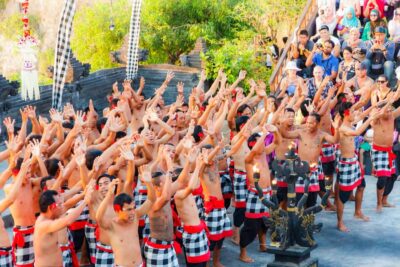
Uluwatu Kecak and Fire Dance Show Entry Ticket
Read our review →
Uluwatu Sunset, Kecak Dance, and Dinner Jimbaran Beach
Read our review →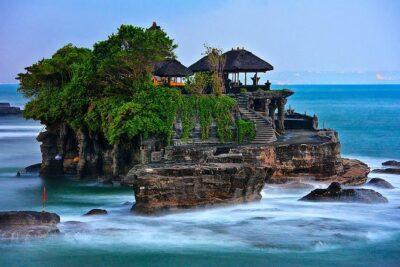
Tanah Lot and North Bali Tour: Scenic Journey
Read our review →
Besakih Temple & Lempuyang Temple Gates of Heaven Tour
Read our review →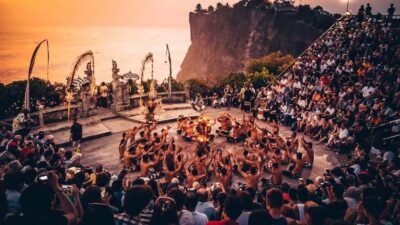
Kecak Fire Dance Show & Uluwatu Temple Entry Ticket
Read our review →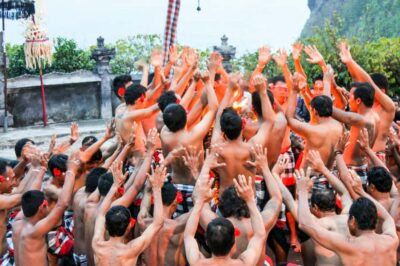
Bali Sunset: Uluwatu Temple, Kecak Dance and Jimbaran Bay
Read our review →
Tanah Lot UNESCO World Heritage Sites Full-Day Tour
Read our review →
Tirta Empul: Temple Tour with Optional Spiritual Cleansing
Read our review →Browse the lists this tour appears in