
REVIEW · ANGKOR WAT TOURS
3-Day Angkor Wat Tour with Kulen Mountain & Floating Village
Angkor Wat at sunrise is the big draw, but the smart part of this trip is how far it reaches beyond the famous temple. You start before dawn at Angkor Wat, then work through the Small and Grand circuits before heading to Kulen Mountain, Beng Melea, and the floating village of Kampong Phluk.
I like the mix of grand temples and everyday Cambodian life. The village breakfast, countryside roads, landmine museum, and lake boat ride keep this from becoming three straight days of carved stone. I also like the attentive service: guides such as Sam, Moni, Phanne, and Kamsan have been praised for clear explanations and flexibility, while drivers regularly provide cold water and towels.
The main caution is the pace. Day 1 starts around 4:30 or 5:00 am, and Day 3 covers Kulen Mountain, Beng Melea, and Tonle Sap. If you prefer slow mornings or long stays at each temple, this schedule may feel packed.
Key points to know before booking
- Sunrise comes with a very early start: Hotel pickup is scheduled between 4:30 and 5:00 am on Day 1.
- You see far more than Angkor Wat: The plan includes both Angkor circuits, Banteay Srei, Kulen Mountain, Beng Melea, and Kampong Phluk.
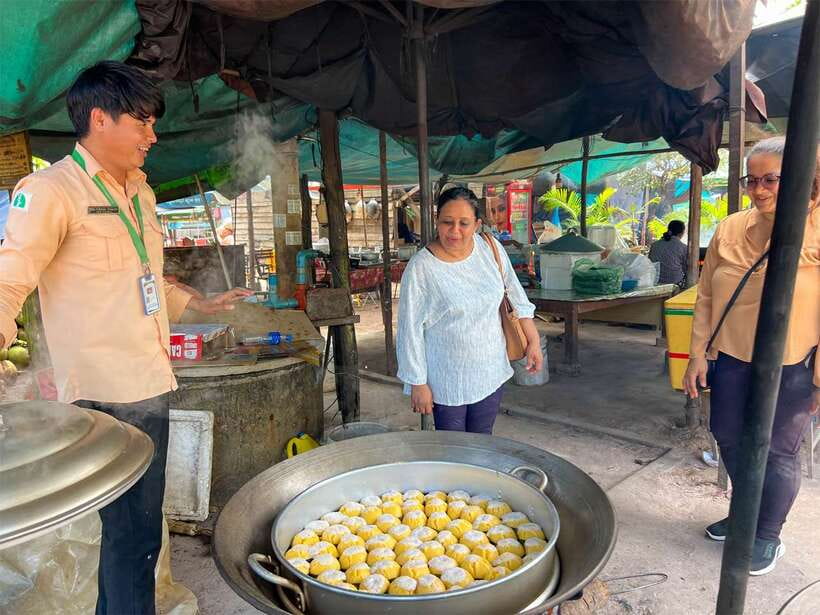
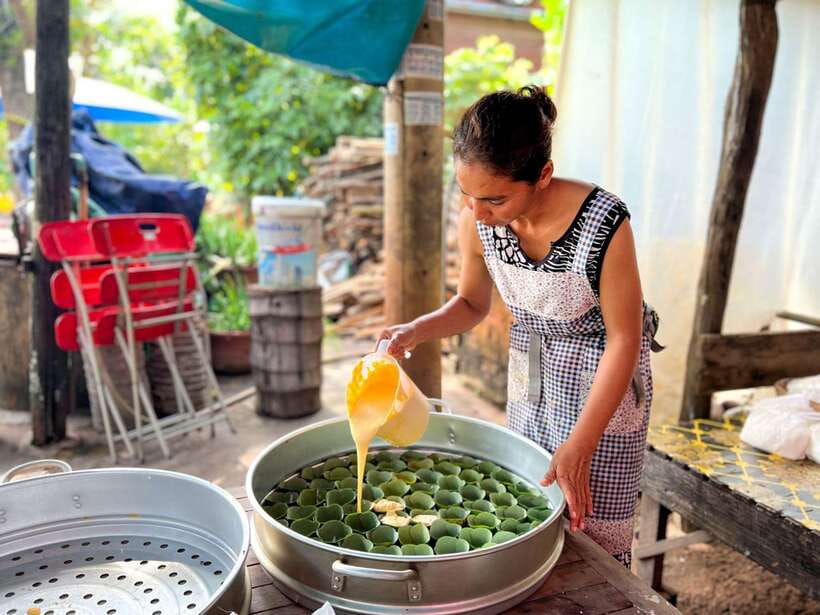
- The food stops feel local: Day 1 includes a village breakfast with Khmer noodle soup, palm cake, and steamed rice dumplings with palm sugar.
- The guides are a major strength: Sam, Moni, Phanne, Kamsan, and others have been praised for patience, humor, historical explanations, and practical care.
- The advertised price is not the final cost: The $139 tour price excludes the Angkor pass, Kulen admission, boat ticket, and most meals.
- Day 3 is the toughest day: Expect a long outing with mountain walking, a jungle temple, lunch, and a boat trip.
Why this three-day route works
This is a broad introduction to the Siem Reap area rather than a relaxed temple retreat. You get the essential Angkor monuments, lesser-visited sites outside the main park, a mountain sacred site, and a look at life on Tonle Sap Lake.
That variety matters. Angkor can become a blur of towers and galleries if you visit too many temples without a change of scene. Here, a local market, rural villages, rice paddies, waterfalls, and stilted lake houses break up the stonework.
The tour uses air-conditioned private transportation, with a small group capped at 10 people. That gives you a cooler place to recover between stops and avoids the feel of a large coach. The exact setup can vary, so if you want a fully private trip, confirm that option when booking. One traveler specifically valued the flexibility of a private arrangement for adding extra stops.
The tour is guided in English. Guides named Sam, Moni, Phanne, Kamsan, Dara, Mony, Sa, Ho, and Seila have led different departures. The strongest pattern in the feedback is not just temple knowledge, but care with timing, breaks, water, towels, and small changes to the plan.
More Angkor Wat Tours in Siem Reap:
- Angkor Wat Sunrise or Sunset Tour with Guide from Siem Reap
★ 5.0 · 12,109 reviews - Siem Reap: Angkor Wat: Small-Group Sunrise or Sunset Tour
★ 5.0 · 9,444 reviews - Siem Reap: Angkor Wat 2-Day Tour with Sunrise and Sunset
★ 4.9 · 4,429 reviews
Day 1: Angkor Wat before the crowds
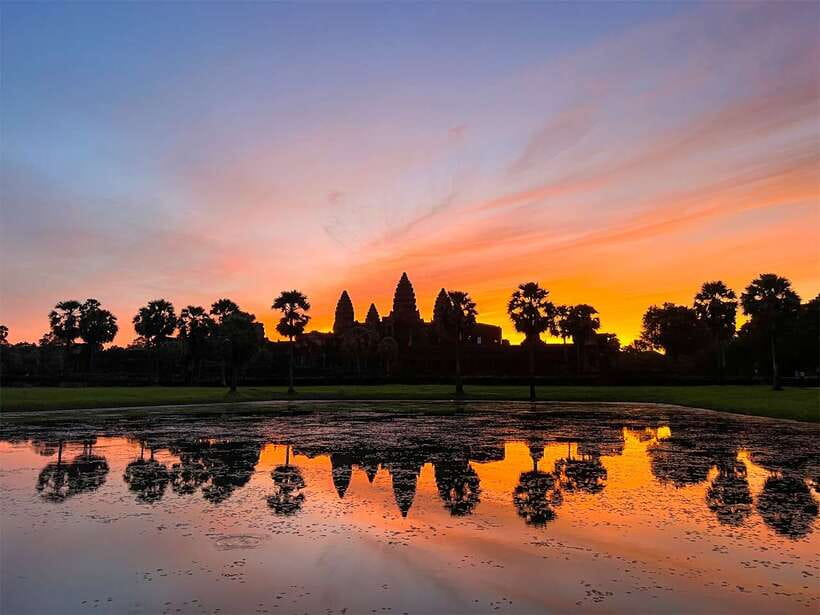
Your driver collects you from the hotel lobby before sunrise. Be ready early, and wait in the lobby about 10 minutes before pickup. The first stop is Angkor Wat, where you watch the sky brighten behind the temple towers.
Sunrise is beautiful, but it is not a quiet private moment. Many people have the same idea, and the viewing area can be busy. Your guide can help you find a useful position, but the light and clouds control the final picture. Bring patience rather than expecting a perfect postcard every morning.
After sunrise, you spend about 90 minutes exploring the temple itself. This early visit is useful because the stone galleries and courtyards are easier to appreciate before the heat builds. Angkor Wat is huge, so comfortable shoes and a bottle of water matter even though more water is supplied during the day.
The included village breakfast is one of the more appealing details of the itinerary. You may try Khmer noodle soup, palm cake, and steamed rice dumplings with palm sugar. It is a better introduction to Cambodian food than simply eating at a hotel, though food and soft drinks beyond the stated breakfast are not included.
You then visit a local market before returning to the temples. The market adds a small but welcome look at ordinary shopping and local produce. It is a short stop, not a guided food tour, so keep your expectations in proportion.
Pre Rup follows. This temple has a strong, formal shape and is a good contrast to Angkor Wat’s vast galleries. The schedule then moves to Ta Prohm, the jungle temple made famous by trees and roots growing through the ruins.
Ta Prohm is often one of the most memorable stops because it shows the force of nature against a built site. It is also one of the busiest places on the route. You will want time for photographs, but staying close to your guide matters when paths and courtyards fill with people.
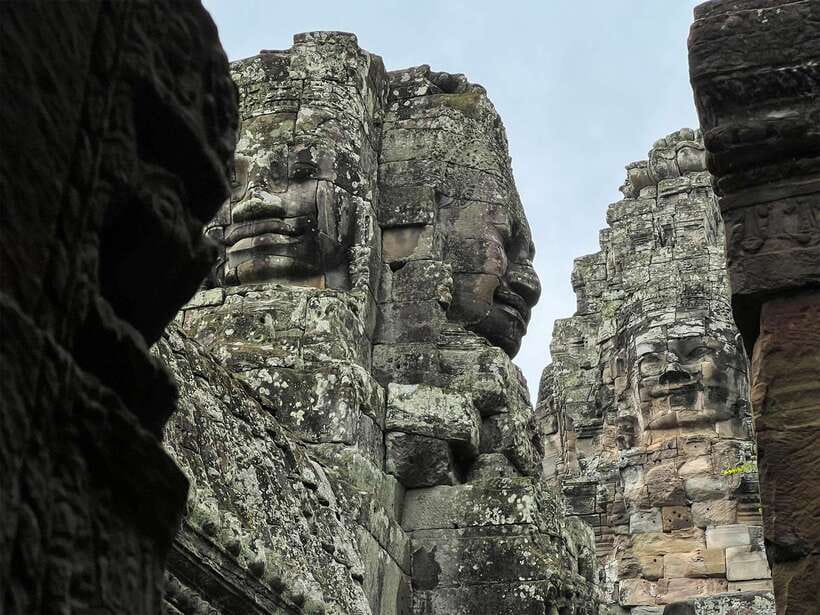
The afternoon continues to Bayon, known for its serene stone faces, followed by the Victory Gate of Angkor Thom. Bayon rewards slow looking. The faces appear from different angles as you move through the towers, while the gate gives you a clear sense of the scale of Angkor Thom’s former city.
This is a long first day. You begin in darkness and keep walking through several major sites. The benefit is that you cover the most famous Angkor sights in one well-organized sweep. The cost is tired legs, especially in hot weather.
Day 2: Grand Circuit temples and Banteay Srei
Day 2 starts at 8:00 am, which feels almost luxurious after the sunrise morning. You leave the city center and spend time seeing the countryside around Siem Reap. Rural roads, rice paddies, and villages make the drive part of the experience rather than mere transport.
The temple route begins with Preah Khan. Its long corridors, carved details, and partly overgrown sections reward a guide who can explain how the complex fits into the wider Angkor story. Unlike the compact experience of a single monument, Preah Khan asks you to walk and look gradually.
Neak Pean is a smaller and more unusual stop, built around a central island and water features. Ta Som has a quieter, more intimate feel, with vegetation pressing against the old structure. East Mebon brings you back to a more formal temple layout, with strong towers and stone guardians.
The sequence is well judged. You see different styles and sizes rather than four copies of the same monument. Still, by this point you may be ready for shade and food. Lunch is included on Day 2, with an individual dish ordered from a menu. This is the only included lunch, so budget for meals on the other days.
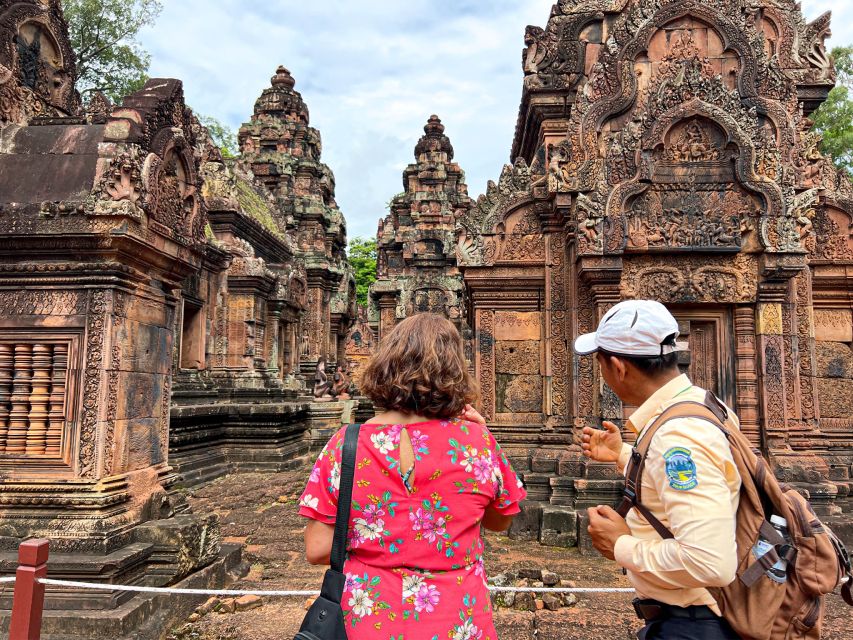
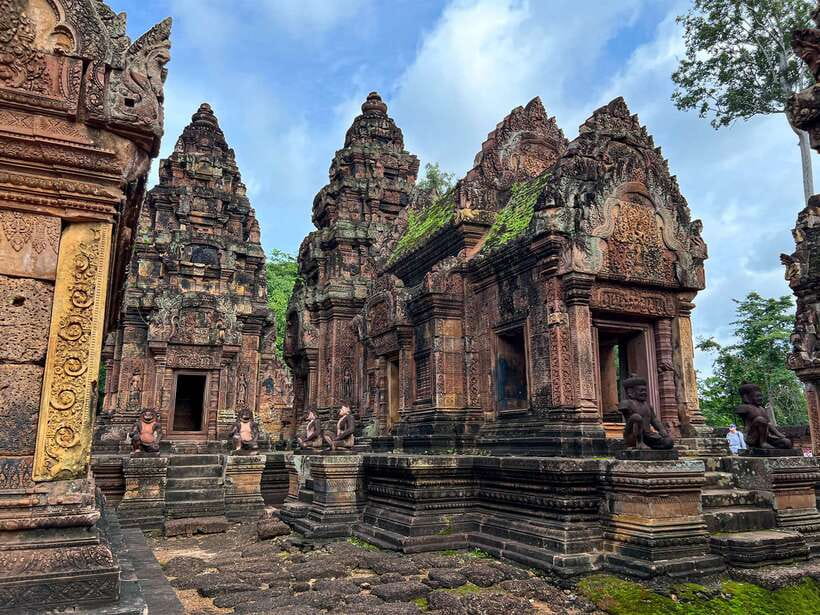
In the early afternoon, the route reaches Banteay Srei. It is smaller than Angkor Wat, but its finely carved sandstone reliefs are among the most detailed in Cambodia. The scale makes it easier to study figures, floral patterns, and borders at close range.
Banteay Srei is well worth the drive outside the main Angkor area. The tradeoff is time in the vehicle, especially when combined with the day’s other stops. You are paying for breadth here, not a slow, single-site visit.
The Cambodian Landmine Museum adds a modern and sobering note. It helps place Cambodia’s temples beside the country’s more recent history. Do not treat it as a quick photo stop. The subject is serious, and the visit may feel emotionally heavier than the morning monuments.
Day 2 is probably the most balanced day of the three. It begins at a reasonable hour, includes several distinct temples, gives you a proper lunch break, and adds both rural scenery and the museum.
Day 3: Kulen Mountain, waterfalls, and Beng Melea
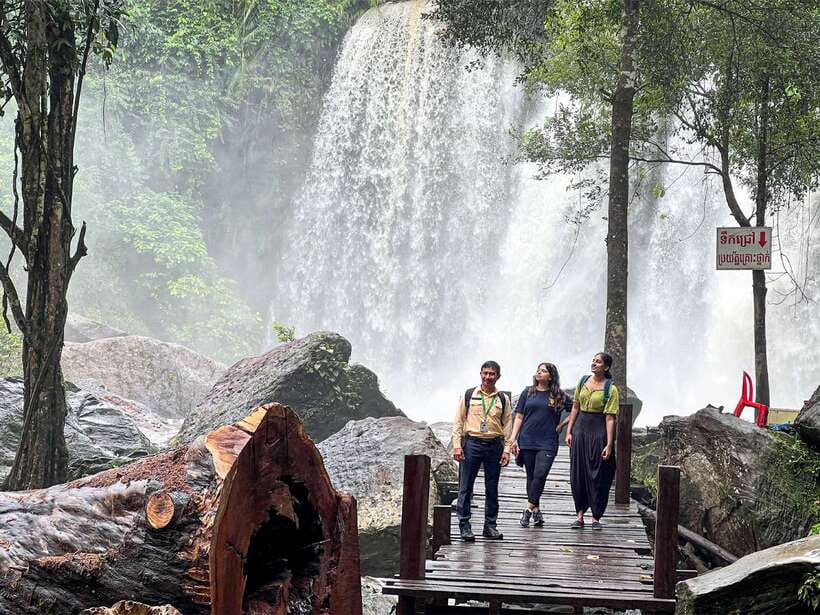
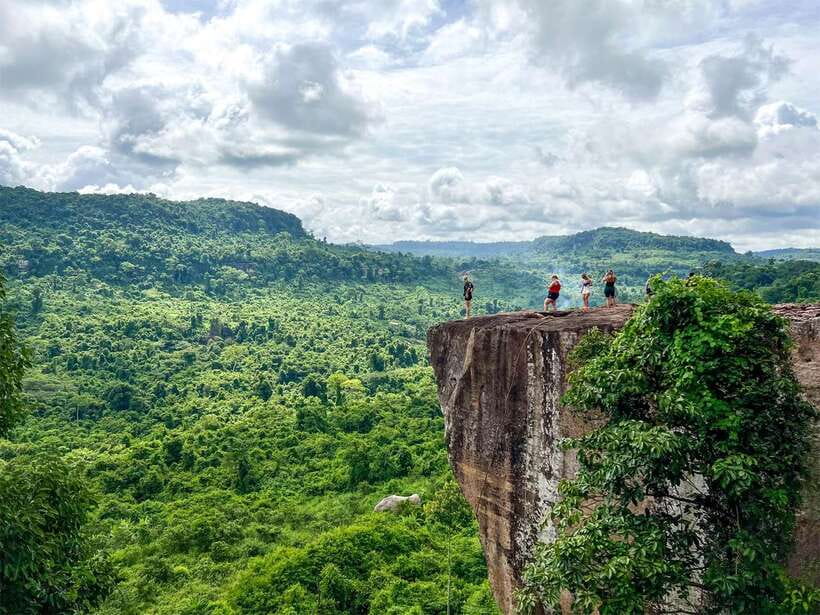
You leave at 8:00 am for Phnom Kulen National Park, about an hour from Siem Reap. The drive passes through villages and rice-growing areas, offering a useful look at the countryside outside the tourist center.
Kulen Mountain is important to Cambodia because it is linked with the birth of the Khmer Empire. The guide takes you to several major sights in the park, including the largest waterfall, a reclining Buddha sculpture, and the River of Thousand Lingas.
The waterfall is a highlight, especially after two days of temple walking. You may have time to enjoy the setting and cool down, though the full schedule means this is not a resort-style swimming day. Wear shoes suitable for uneven ground and bring insect repellent.
The River of Thousand Lingas, made in 802 AD, gives the mountain visit a different kind of historical setting. Instead of a towering temple, you see carvings connected with the riverbed. The reclining Buddha adds another religious layer to the stop.
Lunch is at a local restaurant and is not included. This is worth remembering when calculating the real cost of the trip. Food and soft drinks are generally separate unless specifically listed as included.
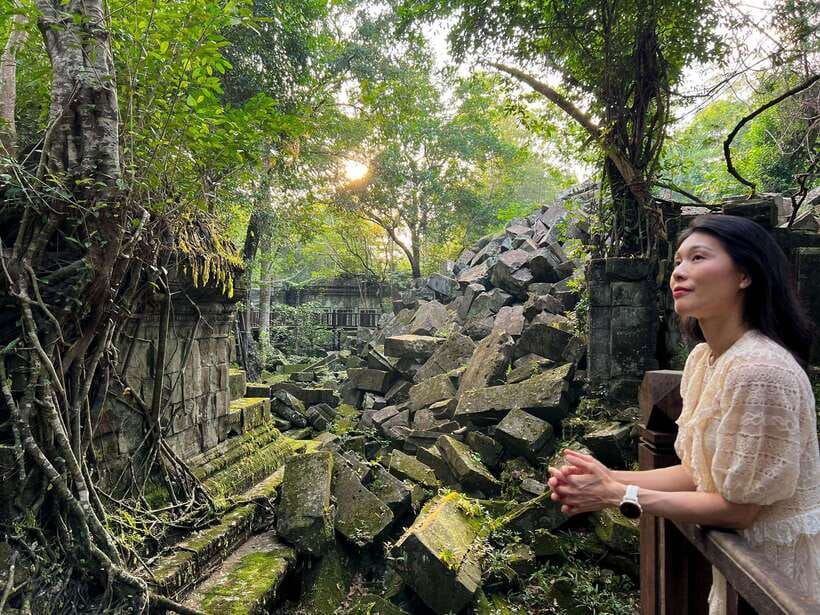
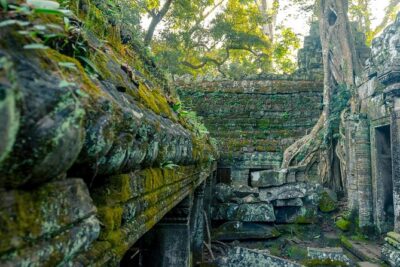
After lunch comes Beng Melea, a 12th-century temple deep in the jungle. Trees, vines, moss, and fallen stone give it a rougher appearance than the more restored monuments near Angkor Wat. If you enjoy atmospheric ruins, this may be your favorite temple.
Beng Melea also requires a little imagination. It is not polished or neatly presented, and the overgrowth can make some areas harder to read. That is exactly its appeal, but visitors who want clear paths and complete structures may prefer the main Angkor temples.
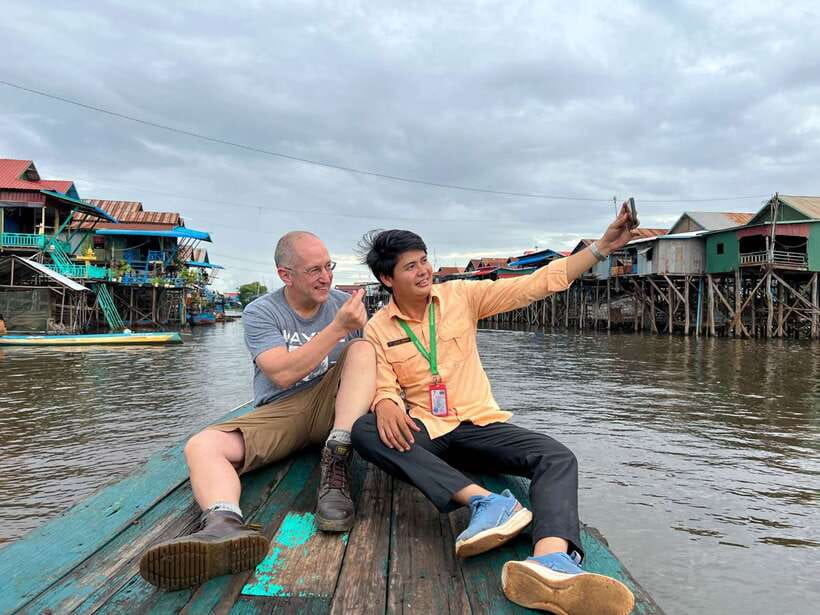
The final major stop is Kampong Phluk on Tonle Sap Lake. You take a boat from the ferry area to see the floating village and the homes built on long poles along the lake shore. These raised houses help families cope with changing water levels during the rainy season.
This boat trip gives you a look at a fishing community and daily life shaped by the lake. It is not simply a scenic cruise. You see how houses, boats, and work are connected to the water. The boat ticket and private cruise cost $15 per person and are not included in the tour price.
Day 3 can feel slower than the first two days, especially after the major Angkor sights are behind you. That is not necessarily a weakness. The mountain, jungle temple, and lake village offer a broader picture of Cambodia, but they do not deliver the same immediate visual impact as Angkor Wat or Bayon.
More Three-Day Trips in Siem Reap:
- 3-Day Angkor Wat & All Interesting Major Temples & Kulen Mount Waterfall
★ 5.0 · 63 reviews - Angkor Region: 3-day Private Tour of Top Temples
★ 5.0 · 47 reviews - From Siem Reap: Angkor Wat and Floating Village 3-Day Trip
★ 5.0 · 39 reviews - Siem Reap: Angkor Wat Temples & Phnom Kulen Park 3-Day Tour
★ 4.8 · 9 reviews
The real price and what you receive
The advertised price is $139 per person. It covers the English-speaking guide, air-conditioned private transportation, hotel pickup and drop-off, drinking water, cool towels, the Day 1 village breakfast, and the Day 2 local lunch.
The required extras bring the cost to at least $236 per person:
- $62 for the three-day Angkor pass
- $20 for Kulen Mountain National Park
- $15 for the Kampong Phluk boat ticket
- $139 for the tour itself
That total still excludes food and soft drinks not listed as included. Day 3 lunch is one clear example. You should compare the full figure with shorter Angkor tours, not just the headline price.
For three full days of transport, guiding, and a wide route, the value is solid if you want to see many sides of the region. You are not only paying for entry to temples. You are also paying to avoid arranging several long drives yourself and to have a guide explain what you are seeing.
The value improves if you choose the private option and want flexibility. Kamsan, for example, adjusted plans for extra visits on one departure. That kind of change is more likely with a private arrangement than with a fixed group.
Guides, drivers, and the day-to-day comfort
The strongest service detail is the attention from the guides and drivers. Moni was praised for patience when a delayed start and ticket issues threatened to disrupt the first morning. He also chose a special sunrise viewing spot for one group.
Drivers such as Tha and Tria have been noted for safe driving, cold towels, open car doors, and water waiting after temple visits. Those details sound small, but they matter in Cambodia’s heat, especially after climbing steps or walking across large temple grounds.
Guide quality can vary by departure, but the named guides have been praised for humor, historical explanations, and care with breaks. Sam in particular was recognized for patience and clear information, while Phanne was praised for planning and local understanding.
The small-group limit of 10 keeps the tour more personal than a large coach trip. Still, the details of group size and private operation should be confirmed before payment if that distinction matters to you.
What to pack and how to dress
Bring sunglasses, a hat, sunscreen, and insect repellent. The early start can feel cool at first, but the day becomes hot, and exposed temple grounds offer limited shade.
Wear practical shoes for stone paths, uneven ground, and the walking sections at Kulen Mountain and Beng Melea. You do not need formal hiking gear, but sandals with poor grip may make the rougher stops less comfortable.
Cambodian temple sites require respectful clothing. Short skirts and sleeveless shirts are not allowed. Choose clothing that covers the shoulders and knees, especially for Angkor Wat and other religious sites.
Who should book this tour?
I would choose this tour if you have three days in Siem Reap and want a wide first look at the area. It suits active visitors who enjoy early mornings, long sightseeing days, rural drives, and a mix of famous monuments and less polished places.
It is also a good fit if you want a guide rather than a self-guided temple circuit. The historical context, help with ticket arrangements, and practical care from the driver can make a real difference.
I would hesitate if your priority is sleeping late, spending hours at one temple, or avoiding long days in a vehicle. The final day is especially full, and the $139 headline price understates the actual cost once entrance fees and the boat are added.
FAQ
How long is the tour?
The experience lasts three days, with scheduled departures at about 4:30 to 5:00 am on Day 1 and 8:00 am on Days 2 and 3.
Is hotel pickup included?
Yes. Pickup and drop-off at your hotel are included. You should wait in the hotel lobby about 10 minutes before the scheduled pickup time.
Is an English-speaking guide included?
Yes. A professional English-speaking guide is included. Guides on different departures may include Sam, Moni, Phanne, Kamsan, Dara, Mony, Sa, Ho, or Seila.
How large is the group?
The activity is described as a small group limited to 10 participants. A fully private option may also be available, so confirm the arrangement when booking if privacy is important to you.
Is the Angkor pass included?
No. The three-day Angkor pass costs $62 per person and must be paid separately.
Are the Kulen Mountain and boat fees included?
No. Kulen National Park admission is $20 per person, and the Tonle Sap Lake private boat cruise costs $15 per person.
Is food included?
Breakfast in the village on Day 1 and one local-food lunch on Day 2 are included. Other food and soft drinks are not included. Day 3 lunch is at a local restaurant and is separate.
What temples are included?
The route includes Angkor Wat, Pre Rup, Ta Prohm, Bayon, the Victory Gate of Angkor Thom, Preah Khan, Neak Pean, Ta Som, East Mebon, Banteay Srei, and Beng Melea.
What should I wear?
Short skirts and sleeveless shirts are not allowed. Wear clothing that covers your shoulders and knees, along with comfortable shoes for temple and mountain walking.
Can I cancel for a full refund?
Yes. Cancellation up to 24 hours in advance allows a full refund. You can also reserve now and pay later.
Should you book it?
Book this tour if you want the main Angkor temples plus Kulen Mountain, Beng Melea, and Kampong Phluk without arranging separate transport. The guides and drivers are the strongest reason to choose it, and the mix of temples, countryside, food, and lake life gives you a fuller sense of Siem Reap.
Before booking, calculate the complete price at about $236 per person before extra meals and drinks. Also make peace with the 4:30 am start and the long third day. If those conditions suit you, this is a practical, well-filled introduction to Cambodia’s most important sights and the communities beyond them.
Just added around Siem Reap
- Ticket for Angkor Balloon Ride.★ 3.7 · 46 reviews
- Sunrise at Angkor Wat Temple: 3-Hour Private Tour★ 4.7 · 30 reviews
- Small-Group Full Day Angkor wat Guide tour with Sun set★ 5.0 · 136 reviews
- Siem Reap: Private 4-Day Angkor Wat and Phnom Kulen Tour★ 5.0 · 9 reviews
- Angkor Wat: Sunrise 2.5 Days Temples & Tonle Sap-Small Group★ 5.0 · 10 reviews
- Siem Reap : Private Tuk-Tuk Tour of the Magnificent Temples.★ 4.9 · 14 reviews
- Siem Reap: Ultimate Angkor Wat Offbeat Experience by Jeep★ 4.9 · 8 reviews
- Siem Reap: Personalized Angkor Wat Sunrise/Set by TukTuk/Car★ 4.9 · 41 reviews
Angkor Wat Tours, compared.
Angkor Wat Sunrise or Sunset Tour with Guide from Siem Reap
Read our review →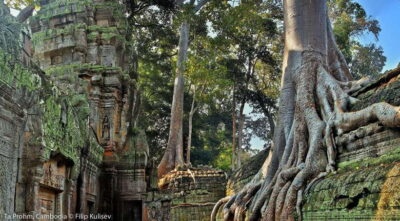
Angkor Wat: Small-Group Sunrise or Sunset Tour
Read our review →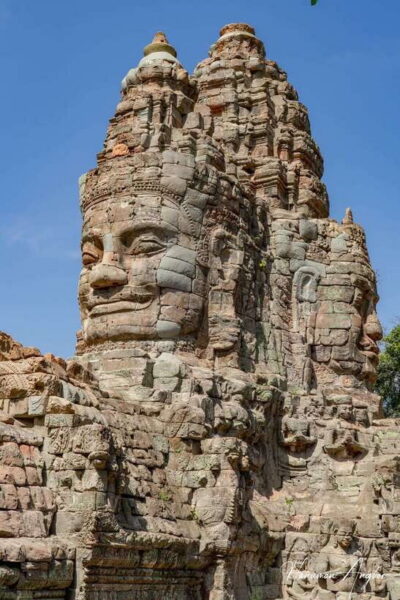
Angkor Wat 2-Day Tour with Sunrise and Sunset
Read our review →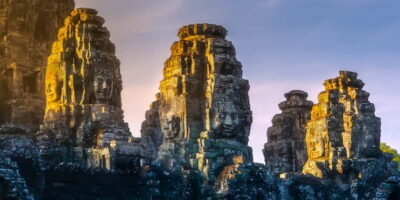
Angkor Wat Sunrise tour with Small – Group and Guide tours
Read our review →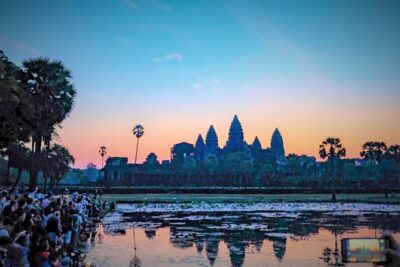
Angkor Wat Highlights and Sunrise Guided Tour from Siem Reap
Read our review →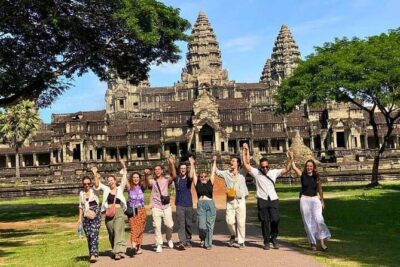
Angkor Wat Sunset Small Group Tour with Lunch Included
Read our review →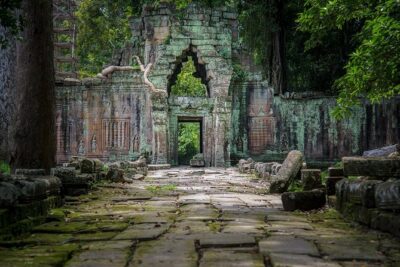
Full-Day Angkor Wat Sunrise Private Tour with Guide from Siem Reap
Read our review →Browse the lists this tour appears in