
REVIEW · CHINA TEMPLE TOURS
Shanghai: Yuyuan, City God Temple Old City Tour-Tip Based
Shanghai’s old quarter makes a fine introduction to the city because it brings together Taoist temple customs, garden scenery, old streets, medicine shops, and everyday shopping in a short walk. The City God Temple is the main draw, but the changing shape of local homes and the small market stops add useful context.
I like the friendly small-group format and the way the guide connects the Chinese zodiac, folk religion, wishes, and traditional medicine. I also like the practical travel advice, which can save you time after the tour. The main drawback is pace: two hours goes quickly, and this is not a good choice if walking is difficult or you want a slow, detailed tour of every site.
Key points to know before booking
- City God Temple focus: Learn how Taoism, local gods, festivals, and everyday beliefs fit together.
- Small group of up to 10: A manageable size for questions and group photos.
- Guide Jie may lead the walk: She is praised for clear English, warmth, cultural insight, and useful Shanghai tips.
- Traditional medicine stop: Visit Tonghan Chuntang and sample a traditional herbal product described as the king of herbs.
- Yuyuan scenery: See the Nine Zig-Zag Bridge and Mid-Lake Pavilion Tea House area.
- Tip-based value: The listed price is only $2.36 per person, so confirm the expected tip before you go.
Why this old-city walk works well
I like tours that explain a city through several small pieces instead of treating one famous sight as the whole story. This walk does that. You move from street life to religious buildings, from garden design to herbal medicine, then finish in a quieter park.
The route is especially useful if you are new to Shanghai. You get an introduction to the city’s old center without spending half a day on transport. The guide can also point out details you might pass without noticing, such as zodiac figures, temple customs, local products, and the way residents’ living spaces have changed over time.
The group is limited to 10 people. That matters here because the old streets and temple area can feel busy, and a very large group would make it hard to hear or ask questions. A small group also suits the personal style described by people who took the walk with Jie. She is noted for perfect English, a warm welcome, broad travel experience, and an ability to explain Chinese culture in a way that makes sense to people from other countries.
The format is tip-based, with a listed price of $2.36. That is excellent value if you want an orientation walk, but you should treat the booking price as a starting point rather than the full cost of the guide’s work. Check the current tipping expectation when you reserve. The tour is advertised as two hours, although one account describes a longer visit, so allow a little flexibility if your next plan is tightly timed.
A few more temple visits around China worth a look
- Mini Group Xian Day Tour to Terracotta Army, City Wall, Pagoda and Muslim Bazaar
★ 5.0 · 1,320 reviews - Beijing: The Temple of Heaven or Summer Palace Entry Ticket
★ 4.6 · 1,286 reviews - Beijing Classic Full-Day Tour including the Forbidden City, Tiananmen Square, Summer Palace and Temple of Heaven
★ 4.0 · 610 reviews
Meeting at Yuyuan Garden Metro Station
The meeting point is Yuyuan Garden Metro Station, served by Lines 10 and 14. The detailed meeting instructions say to use Exit 1, written in Chinese as 豫园站1号口, and to find the red umbrella.
There is one detail worth checking before you leave your hotel: the route information also names Exit 3 in one place, while the meeting instructions repeatedly specify Exit 1. Use Exit 1 as the working meeting point, and confirm the detail with the operator if your booking voucher shows something different.
This is a practical place to meet because you can reach it by metro or taxi. If you take a taxi, show the driver the Chinese destination: 豫园(1号出口) 上海市黄浦区. Save the Chinese address on your phone. It is much easier than trying to explain the English name in traffic.
Wear comfortable shoes. The tour is on foot, and the route includes old streets, temple grounds, garden paths, and market areas. Keep your belongings close, especially in crowded sections. Smoking is not allowed during the activity.
Yuyuan Old Street and Shanghai’s changing homes
The first planned stop is Yuyuan Old Street, with about 30 minutes of guided explanation. This is where the walk begins to show Shanghai as a lived-in city rather than only a collection of postcard views.
You will hear about the old city and how residents’ living spaces have changed across time. That theme gives the street scenes more meaning. Instead of seeing old façades as decoration, you can consider how homes, shops, courtyards, and public areas have been used and adapted.
The old street also gives you a first look at local shopping and craftsmanship. You might find small goods, traditional-style items, snacks, and souvenirs in the surrounding area. The exact shops and products can change, so think of this part as an introduction to the district rather than a dedicated shopping trip.
One practical point: old streets often have uneven surfaces and narrow passages. If you use a mobility aid or have trouble walking, this tour is not suitable. The activity specifically excludes people with mobility impairments.
Tonghan Chuntang and the taste of traditional medicine
The next stop is Tonghan Chuntang, where you spend about 20 minutes learning about Chinese medicinal herbs. A sampling of the king of herbs is included.
This is a useful stop because traditional medicine is not just a museum subject in China. A guide can explain how herbal products fit into familiar ideas about health, balance, and daily care. You do not need to treat the visit as a medical consultation. It is better understood as a cultural encounter and a chance to see how an old practice is presented in a working shop.
The sampling element makes the stop more memorable, but tastes and smells can be strong or unfamiliar. If you have allergies or dietary concerns, ask what you are being offered before trying it. The supplied details do not identify the exact herb or give medical guidance, so you should not rely on the tasting for health advice.
I like that this visit breaks up the usual temple-and-garden route. It gives you a closer look at a part of Chinese culture that many short sightseeing walks skip.
Same country, a different morning at the gates:
- Temple of Heaven Ticket
★ 5.0 · 482 reviews - Temple Heaven, Lama Temple, Summer Palace & Peking Duck Bus Tour
★ 5.0 · 377 reviews - Best of Shanghai Day Tour, including Jade Buddha Temple & Bund & Yuyuan Garden
★ 4.0 · 338 reviews - Hong Kong: Ngong Ping 360 Cable Car, Tai O & Big Buddha Tour
★ 4.7 · 326 reviews
City God Temple and local Taoist customs
The City God Temple of Shanghai receives the longest section, about 40 minutes. This is the heart of the tour.
The guide explains Taoism, folk religion, local gods, common beliefs, rituals, and celebrations. The distinction between organized religious practice and popular local custom is important. In China, temple culture can include formal beliefs, family traditions, festival practices, hopes for good fortune, and acts of respect that are part of ordinary life.
You will also learn about the Chinese zodiac. The tour includes 12 zodiac animals, each shown in its own costume. This gives the guide an easy way to explain how zodiac signs are used in conversation and cultural identity. You can ask about your own animal and compare signs within your group.
The temple visit is not simply a stop for architecture. You might make a wish, learn about important gods, and see how people connect religious spaces with personal hopes. That human side is what gives the visit weight. The guide’s job is to explain what you are seeing without turning every ritual into a tourist performance.
The temple area can be crowded, and two hours does not leave much time for lingering. If you want a detailed study of every hall, inscription, and object, you will need a separate visit. This tour is better for a clear introduction and cultural explanation.
Nine Zig-Zag Bridge and Mid-Lake Pavilion
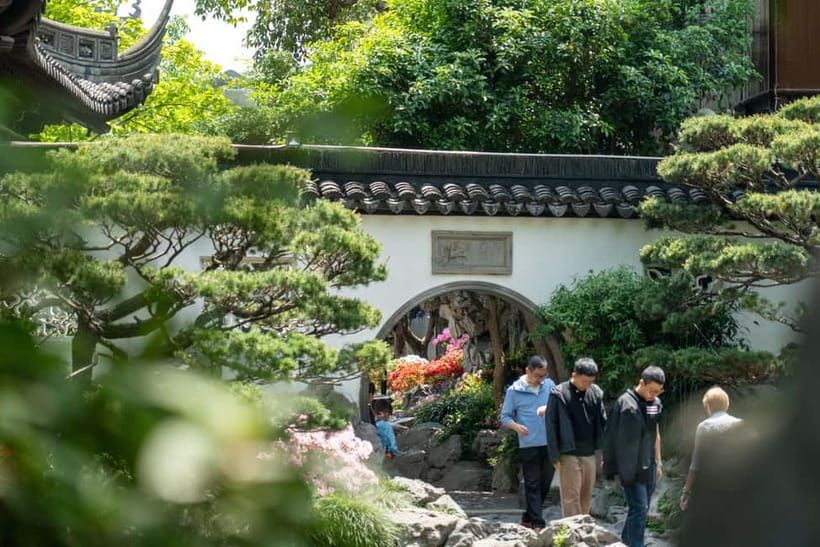
After the temple, the route moves toward the garden scenery around the Nine Zig-Zag Bridge and Mid-Lake Pavilion Tea House. The sharp turns of the bridge are a familiar feature of Chinese garden design, and the route gives you a pleasant visual change after the denser old streets.
The bridge and pavilion are good places for photographs and group pictures. The water, pavilions, and carefully shaped paths show how a garden can guide movement and create changing views from one short walk. The guide can also explain why these features matter rather than leaving you with only a pretty backdrop.
The tour does not promise a full, slow visit through every part of Yuyuan Garden. That is an important distinction. You will see attractive garden features as part of a wider old-city route, but anyone wanting a long garden visit should allow extra time before or after the walk.
The stop is listed as Lake Pavilion Tea House, with about 20 minutes of guided time. The information does not say that tea is included, so do not book this expecting a tea ceremony or a full tea tasting. The value here is the setting and the explanation.
Small goods, local craft, and the Yuyuan market area
The Yuyuan Garden smallware area gives you time to browse a Shanghai small product market. This is less formal than the temple visit and more connected to daily commerce.
You might see local crafts, small household items, gifts, and other products aimed at shoppers. The point is not necessarily to buy something. It is to see how the old-city district mixes heritage sites with ordinary retail activity.
This part can be useful if you want souvenirs but are not sure what is worth buying. Ask the guide for suggestions, price context, and advice on where to shop later. The tour includes expert travel tips and personalized recommendations, so use this time to ask about the rest of your Shanghai stay.
Do keep your belongings secure. Crowded market streets require the same care as any popular shopping area. The tour gives you only about 20 minutes here, so you will have time to browse but not a long shopping session.
Finishing at Shanghai Ancient City Park
The walk ends at Shanghai Ancient City Park. This is a sensible finish. After temple courtyards, market streets, and garden paths, a quieter park gives you a chance to slow down and collect what you have seen.
The park links ancient relics with a peaceful public setting. It is not described as a major archaeological visit, so keep your expectations modest. Its value is as a calm ending and a final reminder that Shanghai’s old center is not only about commercial streets and famous buildings.
Ending here also gives you a useful point from which to continue exploring, though the supplied details do not specify onward transport or nearby attractions. Ask the guide for a recommendation before the group separates. That is one of the better uses of a local guide on a short tour.
How the two-hour schedule feels
The official route totals about two hours:
- Yuyuan Old Street: 30 minutes
- Tonghan Chuntang: 20 minutes
- City God Temple: 40 minutes
- Lake Pavilion Tea House: 20 minutes
- Yuyuan Garden smallware area: 20 minutes
That is a full schedule, not a lazy stroll. You will move between several nearby areas and receive a steady stream of explanation. I would choose this tour early in a Shanghai visit, when you still need help with orientation and want ideas for what to see next.
The short length is also its main limitation. You get a broad look at old Shanghai, but not much free time. Group photos, questions, and crowds may affect the exact pace. If you want a quiet garden visit or a long temple study, book extra time in the district on your own.
English is the listed tour language. The experience is designed for a small group, with no more than 10 participants. That makes it a good fit for solo visitors, couples, and small families who want conversation rather than a large guided crowd.
Who should book this walk
I would recommend it to you if you want:
- A first look at Shanghai’s old city in a compact format
- Clear explanations of Taoism, folk religion, zodiac customs, and temple culture
- A local perspective on herbal medicine
- Help with Shanghai planning and personal recommendations
- A small group where you can ask questions
- A route that mixes culture, gardens, shopping, and local life
I would be more cautious if you dislike walking, have mobility limitations, or prefer to explore at your own pace. It is also not the right choice if your main aim is a long tea experience, a complete Yuyuan Garden visit, or serious shopping time.
The strongest feature is the human explanation. Jie, when she leads the walk, is described as warm, personal, and highly engaging. Her clear English and experience with different cultures can help make unfamiliar customs easier to understand. The tour also has a friendly tone, with group conversation and laughter forming part of the experience.
Should you book this Yuyuan Old City tour?
Book it if you want an affordable, compact introduction to the old center and you enjoy asking questions. At $2.36 per person, the listed price is unusually low for two hours of live guiding, but remember that the experience is tip-based and confirm the expected amount.
The best reason to choose it is the mix: City God Temple, zodiac figures, Taoist and folk customs, traditional medicine, garden views, old streets, markets, and practical advice. The main reason to skip it is the brisk schedule and walking requirement.
For most first-time visitors who want cultural context without spending half a day on one site, this is a smart starting point. Meet at Exit 1 under the red umbrella, wear good shoes, protect your belongings, and leave enough flexibility for the route to run beyond the advertised two hours.
FAQ
How long is the tour?
The advertised duration is two hours. The route includes six guided sections, and one account of the experience describes spending three hours, so allow some flexibility if you have another booking afterward.
Where is the meeting point?
Meet at Yuyuan Garden Metro Station Exit 1, written in Chinese as 豫园站1号口. Look for the red umbrella. The station is served by Metro Lines 10 and 14.
What language is the tour offered in?
The live tour guide language is English.
How many people can join the group?
The tour is a small-group experience limited to 10 participants.
Is the tour suitable for someone with mobility impairments?
No. The activity is specifically listed as not suitable for people with mobility impairments, and you should expect walking through old streets, temple areas, garden paths, and market spaces.
Can I cancel and receive a refund?
Yes. You can cancel up to 24 hours in advance for a full refund. The reserve-now, pay-later option lets you hold a place without paying on the booking day.
Just added around China
- Chengdu: Panda Base Leshan Buddha Tour(or Half Day Panda Base )★ 5.0 · 16 reviews
- Private Day Tour to Leshan Grand Buddha from Chengdu★ 4.0 · 26 reviews
- All Inclusive Private Trip to Chengdu Giant Panda Base and Leshan Giant Buddha★ 5.0 · 36 reviews
- Leshan Buddha + Panda Base or Old Tea House Private Day Tour★ 5.0 · 19 reviews
- One Day Trip to Chengdu Panda Base and Leshan Buddha Tour★ 4.5 · 42 reviews
- One Day Trip to Chengdu Panda Base and Leshan Buddha Tour★ 4.0 · 9 reviews
- Giant Panda and Leshan Buddha Day Trip from Chengdu★ 5.0 · 6 reviews
- Leshan Giant Buddha and Huanglongxi Ancient Town Day Trip★ 4.5 · 45 reviews
China Temple Tours, compared.
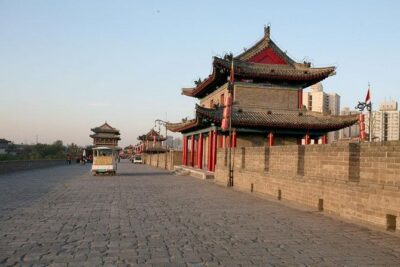
Mini Group Xian Day Tour to Terracotta Army, City Wall, Pagoda and Muslim Bazaar
Read our review →
The Temple of Heaven or Summer Palace Entry Ticket
Read our review →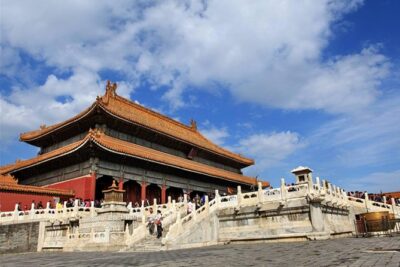
Beijing Classic Full-Day Tour including the Forbidden City, Tiananmen Square, Summer Palace and Temple of Heaven
Read our review →
Temple Heaven, Lama Temple, Summer Palace & Peking Duck Bus Tour
Read our review →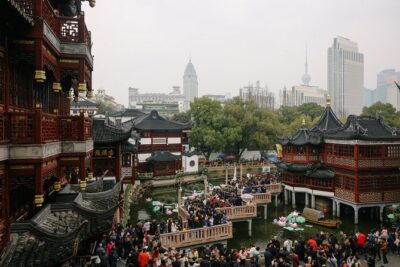
Best of Shanghai Day Tour, including Jade Buddha Temple & Bund & Yuyuan Garden
Read our review →
Ngong Ping 360 Cable Car, Tai O & Big Buddha Tour
Read our review →
Temple Heaven, Summer Palace, Lama Temple, Hutong Bus Tour
Read our review →Browse the lists this tour appears in