
REVIEW · RICE TERRACE & TEMPLE TOURS
Yogyakarta: Selogriyo Temple, Rice Terraces & Waterfall Tour
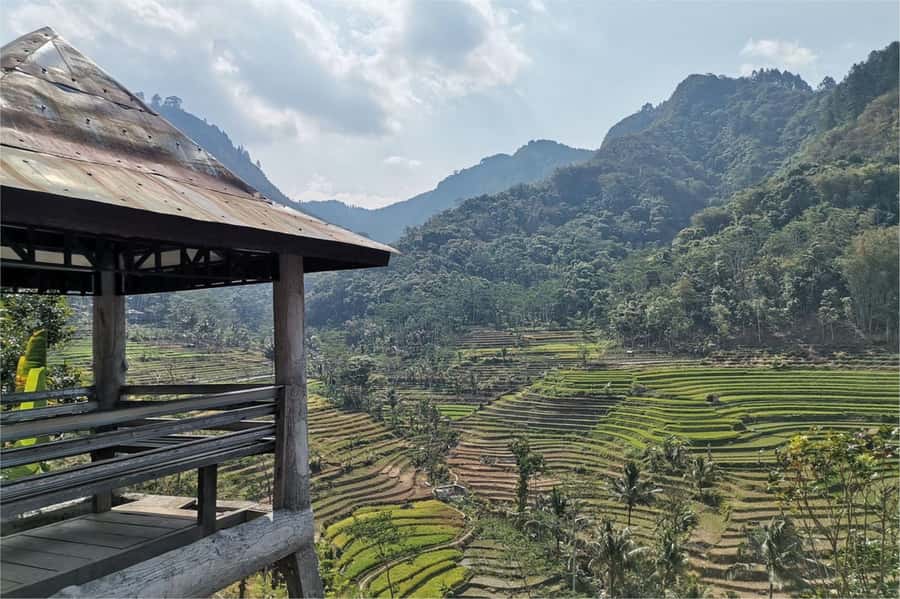
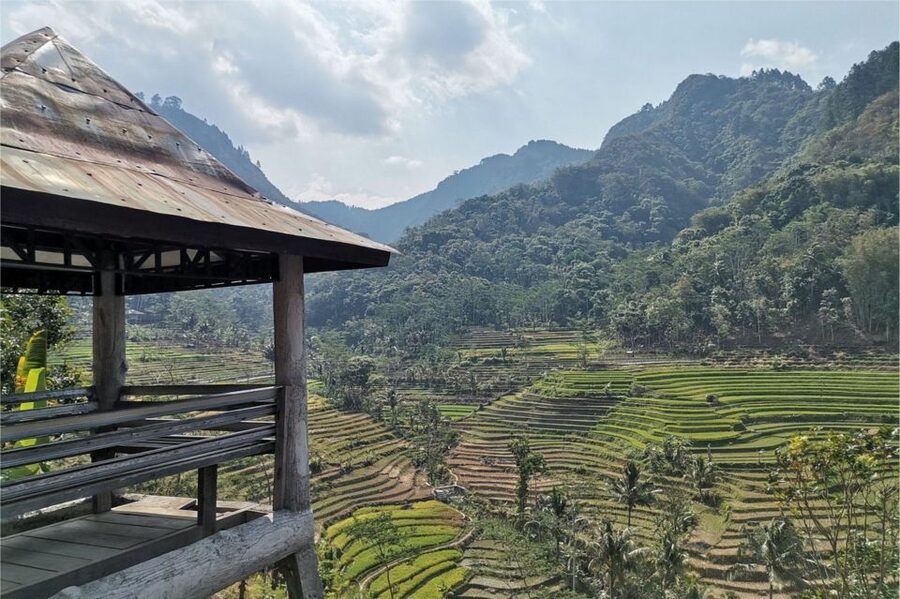
Selogriyo Temple is the star here, not because it is large, but because reaching this small hilltop shrine means walking through quiet rice fields instead of joining a sightseeing queue. The setting feels like rural Java at its best: terraces, farm plots, village paths, and wide views on the approach.
I like the slow pace through the countryside and the chance to ask guides such as Haidar, Atok, Kin, or Yuni about farming, religion, food, and daily life. I also like the finish at Kedung Kayang Waterfall, where you can cool off beneath the falls and see a volcano in the distance.
The main caution is physical. This is a moderate walking day, with muddy sections around the terraces and a steep path down to and back up from the waterfall. The temple is small, and the $65 price may feel high if you are mainly seeking a quick photo stop.
Key points to know before booking
- Selogriyo Temple is small but peaceful: The quiet hilltop setting matters more than the temple’s size.
- The rice terrace walk is the heart of the day: Your guide can explain crops, farming methods, insects, and village life along the way.
- Kedung Kayang requires a steep walk: Bring shoes or sandals with a firm grip, and expect wet footing near the water.
- Guides make the difference: Haidar, Atok, Kin, Yuni, and Imam have each led highly praised outings, with English explanations and flexible pacing.
- You get an eight-hour countryside escape: Pickup and return transport are included from Yogyakarta or Borobudur area hotels.
- $65 buys more than entrance tickets: The price covers transport, an English-speaking guide, parking, and entry fees, but not food, drinks, or tips.
Leaving Yogyakarta for rural Central Java
This tour begins with pickup at your accommodation in Yogyakarta or the Borobudur area. You then travel by vehicle toward Selogriyo Temple, leaving the city behind for quieter roads and farm country.
The drive is part of the appeal. You are not simply being taken from one monument to another. The route opens into Java’s countryside, where the pace is slower and the scenery becomes the main event. Your guide can use the drive to explain local customs, the Yogyakarta region, and the places you will visit.
The tour is limited to eight people, although a booking may sometimes operate as a private outing if no one else joins. That small size gives you room to ask questions and adjust the pace. Several guides, including Haidar and Atok, are praised for clear English and easy conversation. Kin is noted for carrying water, allowing regular breaks, and taking photos, while Yuni is described as especially warm and funny.
Pickup from the Yogyakarta airport area costs an extra IDR300,000. Check this before booking, since the standard pickup information refers to accommodation in Yogyakarta or the Borobudur area.
More Temple and Waterfall Tours in Indonesia
- Borobudur Temple, Waterfall & Kalibiru National Park Trip
★ 4.8 · 24 reviews - Ubud: Waterfalls, Water Temple & Rice Terraces Private Tour
★ 5.0 · 5,484 reviews - North Bali: Sunrise Tour with Dolphins, Waterfalls & Temples
★ 4.6 · 831 reviews
Walking toward Selogriyo Temple through working fields
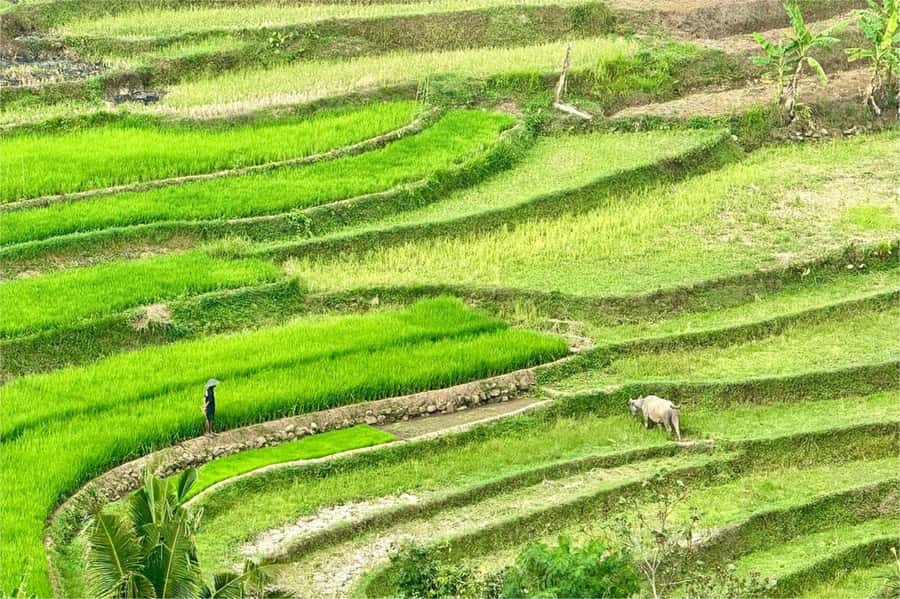
The approach to Selogriyo is the part I would value most. You walk through rice terraces and farm plots rather than arriving at a large parking area beside a major monument. The fields grow paddy, beans, corn, and other crops, giving you a close look at how food is produced in the villages around the temple.
This is not just a scenic walk. A good guide will point out plants, bugs, and farming practices, and explain how different crops and techniques help manage disease and improve soil. That turns a pretty stroll into a useful lesson in rural life.
The route is described as an easy hike in some sections, but the full day still requires moderate fitness. You may encounter mud, uneven ground, and narrow paths. Conditions can change with weather and farm work, so shoes with a firm sole are a sensible choice. Avoid smooth sandals unless you are comfortable with slippery ground.
The walk also gives you a chance to meet local people. The best part is not treating the village as a stage set, but listening as your guide explains how people live and work there. Guides such as Haidar have been especially praised for explaining farming techniques and introducing the human side of the area.
Bring water, though guides may provide or help arrange it during the day. Food and drinks are not included, and you should carry some cash if you want to buy local snacks or drinks along the way.
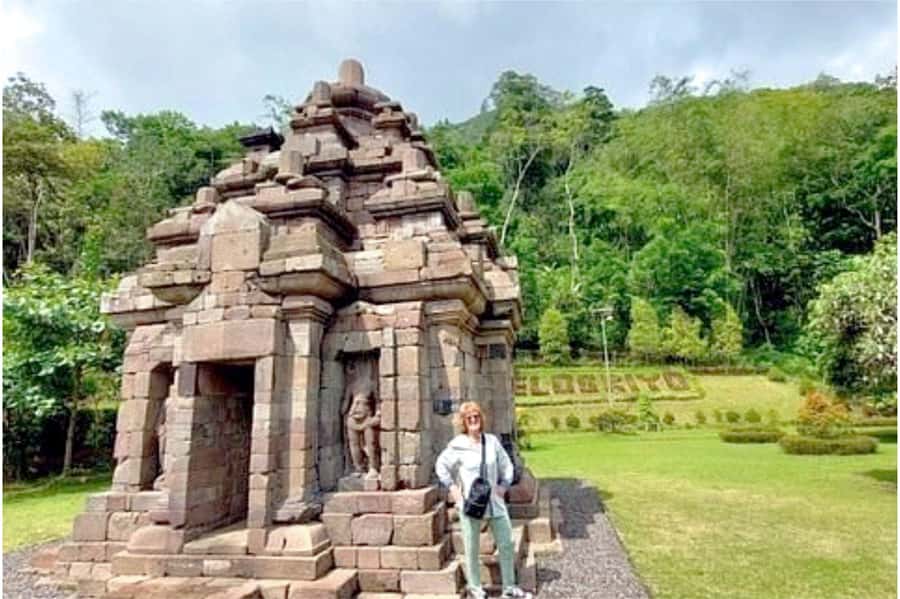
A small Hindu temple with a quiet setting
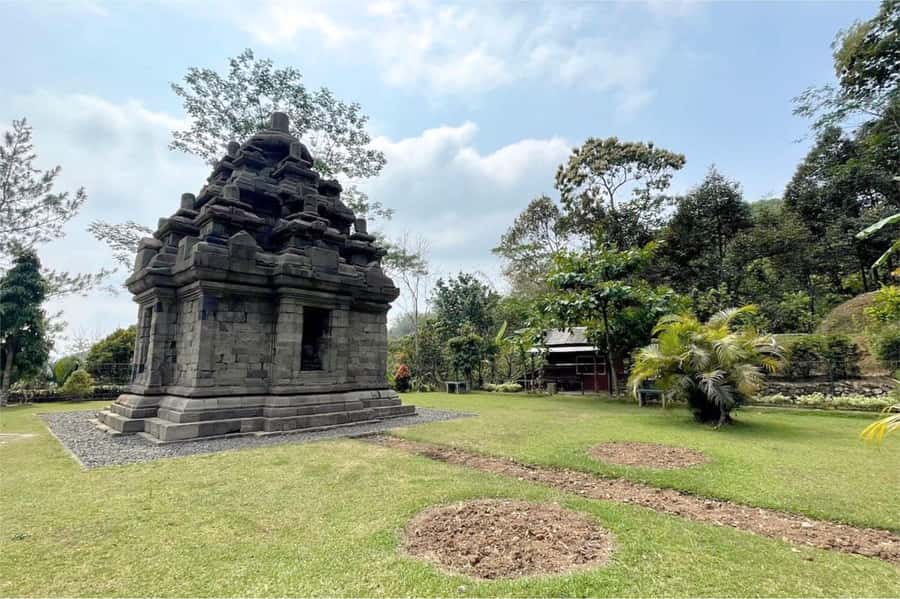
Selogriyo Temple is modest in scale. If you expect a huge complex like Borobudur, adjust your expectations. This is a smaller sanctuary in a secluded hilltop setting, and its appeal comes from the peaceful approach and the surrounding countryside.
The temple gives you a chance to learn about Hindu worship in Java. Guides can explain the religious setting and answer questions about local beliefs. The quiet atmosphere also makes this a good place to pause rather than rush through a checklist of photographs.
The approach is almost as important as the shrine itself. From the path, you get open views over the terraces and surrounding hills. The setting has a fairytale quality without feeling manufactured. You are surrounded by working farmland, not souvenir stalls and large tour groups.
That peacefulness can be a drawback for some people. The temple itself will not fill an entire morning. If your main goal is an elaborate monument with many structures and displays, Selogriyo may seem underwhelming. If you want solitude and countryside, its small size is part of the charm.
Local drinks and a pause above the terraces
Some outings include a stop at a small café overlooking the rice fields. This gives you time to rest, enjoy a drink, and take in the view without being hurried along.
The coffee has become one of the memorable details of the day. Depending on the stop and guide, you might try local brews, purple tea, or cat poo coffee, a distinctive product made from coffee beans associated with civet digestion. The experience is not about ordering a standard café drink. It gives you a taste of local food culture and a chance to support a small business along the route.
Food and drinks are not included in the tour price, so treat this as an optional personal expense. Ask your guide what is available and what the cost will be before ordering. A stop like this is useful because it breaks up the walking and lets you enjoy the countryside at a slower pace.
More Rice Terrace and Temple Tours in Yogyakarta:
- Ubud: Monkey Forest, Jungle Swing, Rice Terrace, and Water Temple
★ 5.0 · 7,160 reviews - Full-Day Tour to Water Temples and UNESCO Rice Terraces in Bali
★ 5.0 · 2,539 reviews - Bali: Tanah Lot, Jatiluwih Terrace, & Ulundanu Beratan Tour
★ 4.8 · 797 reviews - Ubud: Monkey Forest, Water Temple, Rice Terrace, Waterfall
★ 5.0 · 538 reviews
Kedung Kayang Waterfall and the steep return climb
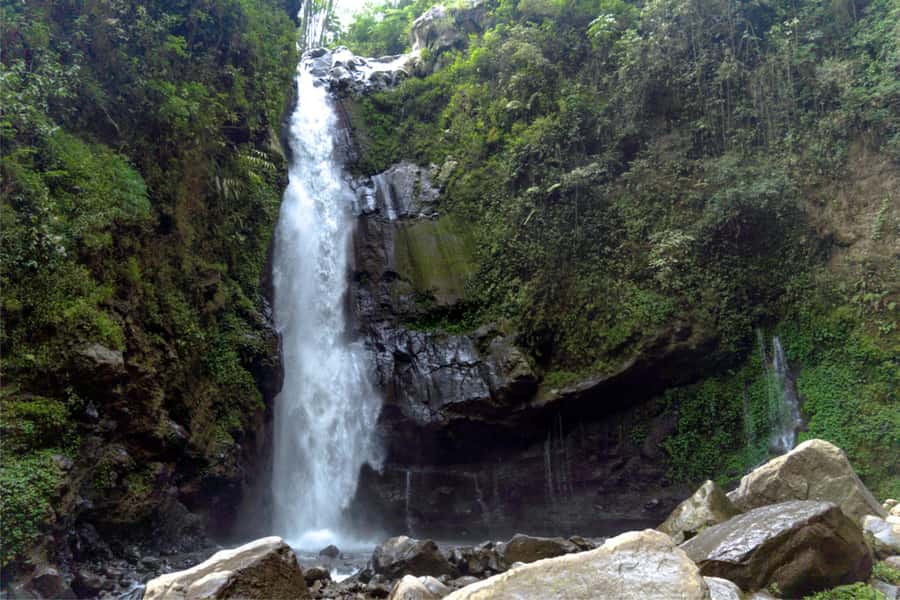
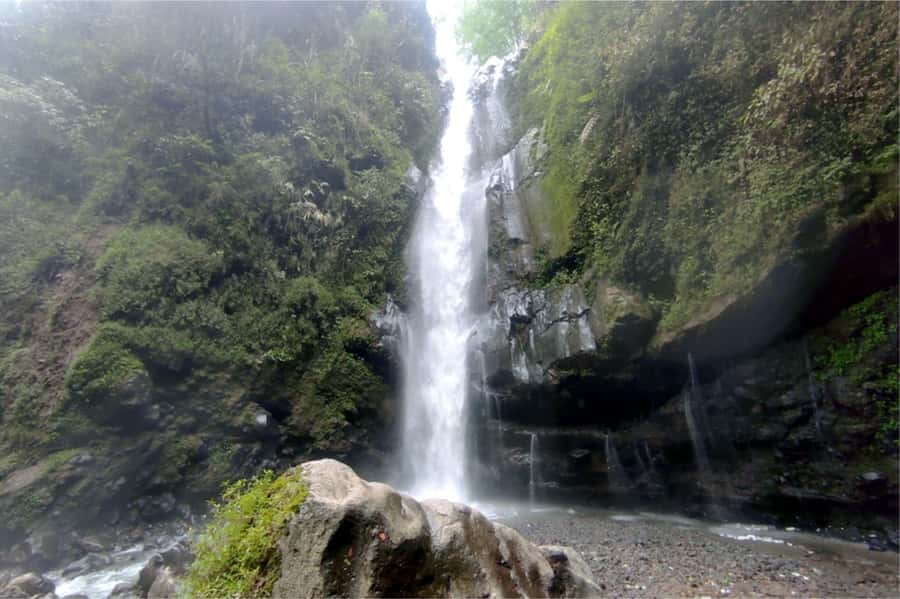
The final major stop is Kedung Kayang Waterfall. It is a striking place to finish the day, with falling water, green surroundings, and a view toward a volcano in the background. The setting gives you a different kind of scenery after the quiet fields and temple.
You can swim beneath the waterfall if conditions suit you. Even if you do not want to get fully wet, the sound and cool air make this a refreshing stop after the walk through the terraces.
Do not underestimate the access path. The route down to the falls is steep, and you must climb back up to the starting point. One particularly practical tip is to bring water shoes or sturdy sandals. The path near the bottom can be wet, and regular smooth-soled shoes may make the final section slow and awkward.
You should also bring a change of clothes if you plan to swim. The supplied information does not specify changing facilities, so keep your expectations simple and pack only what you need. The waterfall is a nature stop, not a resort-style attraction.
This part of the tour may be too demanding if you have limited mobility or dislike steep paths. The waterfall itself is worth seeing, but the access is an important part of the decision.
What the guides add to the day
The guide can make this outing feel like a real introduction to Java rather than a hired transfer with stops. Haidar is repeatedly praised for explaining plants, farming, religion, local customs, and village life. He is also noted for taking photos and answering questions without making the day feel rushed.
Atok is described as a strong English speaker who offers useful explanations and keeps the atmosphere relaxed. He has also been praised for adjusting the day to suit the group. Kin is noted for regular breaks, water, photos, and attention to comfort. Yuni is praised for his humor, conversation, and effort to make the day memorable.
Imam has also led the route as a private day when only one booking was present. That possibility shows why a small group can be valuable. You have more freedom to stop for a photograph, ask about a crop, take a break, or spend longer at the temple.
The exact guide is not guaranteed in the information provided, so book for the route and format rather than for one particular person. Still, the repeated praise for several members of the guiding team is encouraging.
Is $65 a fair price?
At $65 per person, this is not the cheapest way to see a waterfall or rice fields around Yogyakarta. You are paying for an eight-hour outing with pickup and drop-off, an English-speaking guide, entrance fees, parking, and transport between separate rural sites.
The value improves if you want context. A driver could take you to a viewpoint, but that would not necessarily explain integrated farming, local plants, Hindu worship, or village customs. The guide is what turns the route into a meaningful day.
The price is also easier to justify for visitors who want to avoid arranging transport to remote locations themselves. Selogriyo Temple and Kedung Kayang Waterfall are not presented as quick city stops, and the tour handles the practical movement between them.
Still, the value depends on your priorities. If you want a large temple complex, a long swim, or a packed list of attractions, you may find the day expensive. The temple is small, the waterfall requires effort to reach, and personal expenses for food and drinks are extra.
A tip for the guide is not included. Since the guide does much of the interpreting and pacing, budget for one if you feel the service was good.
How strenuous is the full day?
The activity involves a moderate amount of walking. The rice terrace section includes uneven or muddy ground, while the waterfall section adds a steep descent and climb.
You do not need to be an athlete, but you should be comfortable walking outdoors for several hours and managing uneven paths. Good shoes are more important than stylish ones. Water shoes or firm sandals are useful for the waterfall, while closed shoes with traction may feel better in muddy farm areas.
The pace can be adjusted to some degree. Guides have been praised for allowing breaks and not rushing people. Tell your guide early if you need more rest, especially before starting the waterfall path.
This tour suits people who enjoy nature, village scenery, and conversation. It is less suited to anyone seeking a fully paved, low-effort sightseeing day.
Who should book this experience?
I would recommend this tour if you want to get beyond central Yogyakarta and see a quieter side of Java. It works especially well for visitors who enjoy walking, photography, local food, and asking questions about daily life.
It is also a good choice if Borobudur is already on your schedule and you want another day focused on countryside rather than another major monument. The small group size helps keep the experience personal.
Families with older children may enjoy it, provided everyone is comfortable with mud and the steep waterfall path. Couples and solo visitors can also benefit from the flexible pace and guide-led conversation.
I would think twice if you have mobility limitations, dislike wet conditions, or want a purely historical tour. Selogriyo is not a large archaeological complex, and the strongest parts of the day are the walk, the rural setting, and the guide’s explanations.
Free cancellation is available up to 24 hours before the activity for a full refund, and you can reserve now and pay later. That flexibility is useful when your Java plans depend on weather or changing transport arrangements.
Should you book the Selogriyo and waterfall tour?
Book it if you want an active, quiet day in the countryside, with a small temple, working rice fields, local drinks, and a waterfall swim. The most valuable part is the combination of scenery and interpretation. Guides such as Haidar and Atok can help you notice the farming, plants, customs, and village life that you would likely miss on your own.
Skip it if you want a grand temple, easy paths, or a low-cost half-day outing. At $65, it makes sense when you use the full eight hours and value included transport plus an English-speaking guide.
For most nature-loving visitors with moderate fitness, this is a strong way to trade Yogyakarta’s busy sights for open fields, quiet paths, and a more personal look at rural Java.
FAQ
How long does the Selogriyo Temple and waterfall tour last?
The tour lasts eight hours, including pickup, travel, walking, sightseeing, and the return to your accommodation.
Where does pickup take place?
Pickup is included from accommodation in Yogyakarta or the Borobudur area. Pickup from the Yogyakarta airport area costs an extra IDR300,000.
Is an English-speaking guide included?
Yes. An English-speaking live guide is included. Guides who have led this experience include Haidar, Atok, Kin, Yuni, and Imam.
How many people can join the tour?
The tour is offered as a small-group activity with a maximum of eight participants. It may operate as a private outing if only one booking is made.
What is included in the $65 price?
The price includes hotel pickup and drop-off, entrance fees, an English-speaking guide, and parking.
Are food and drinks included?
No. Food and drinks are not included. Stops for local coffee, tea, or snacks may be available at your own expense.
How difficult is the walking?
A moderate level of fitness is recommended. The rice terrace walk can include muddy areas, and the route to Kedung Kayang Waterfall includes a steep descent and climb.
What should I wear or bring?
Wear shoes with good grip. Water shoes or sturdy sandals are useful near the waterfall. Bring water and a change of clothes if you plan to swim.
Can I cancel the booking?
Yes. You can cancel up to 24 hours in advance for a full refund. The reserve-now, pay-later option also allows you to keep your plans flexible.
More Temple and Waterfall Tours in Yogyakarta
- Tokyo: Nikko Toshogu Shrine and Kegon Waterfall Tour
★ 4.5 · 1,266 reviews - Nikko, Kegon Waterfall & Chuzenji Lake from Tokyo
★ 5.0 · 1,240 reviews - Bali: Hidden Canyon, Waterfall & Temples Small Group Tour
★ 4.7 · 563 reviews - Bali: Munduk Waterfalls Trek, Twin Lakes and Temple Tour
★ 4.8 · 545 reviews
Just added around Yogyakarta
- Sunset at Prambanan & Ramayana Ballet (Ticket Guaranteed)★ 4.5 · 10 reviews
- Prambanan Sunset (and Ramayana Ballet Option) Tour★ 3.3 · 8 reviews
- Prambanan Temple Afternoon Tour★ 4.9 · 48 reviews
- Guarantee Borobudur Structure, Sunrise Stumbu & Prambanan.★ 4.4 · 19 reviews
- From Yogyakarta: Borobudur Trip with Guided Tour Options★ 4.6 · 9 reviews
- From Yogyakarta: Borobudur Sunrise 8-hour Include Entry Fee★ 4.9 · 112 reviews
- Yogyakarta: Borobudur Sunrise & Prambanan ClimbUp Guarantee★ 4.9 · 35 reviews
- From Yogyakarta: Borobudur Sunrise on Setumbu Hill★ 4.7 · 28 reviews
Rice Terrace & Temple Tours, compared.
Monkey Forest, Jungle Swing, Rice Terrace, and Water Temple
Read our review →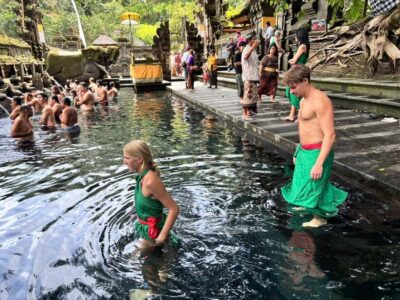
Waterfalls, Water Temple & Rice Terraces Private Tour
Read our review →
Full-Day Tour to Water Temples and UNESCO Rice Terraces in Bali
Read our review →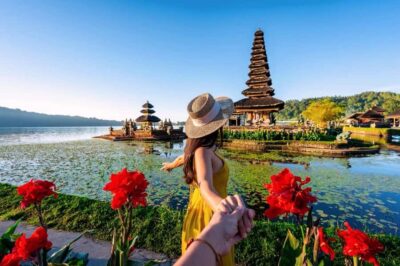
Tanah Lot, Jatiluwih Terrace, & Ulundanu Beratan Tour
Read our review →Monkey Forest, Water Temple, Rice Terrace, Waterfall
Read our review →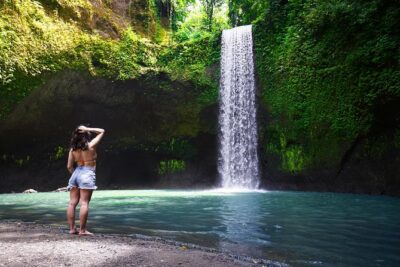
Ubud Top Attractions: Waterfalls, Temples and Rice Terraces
Read our review →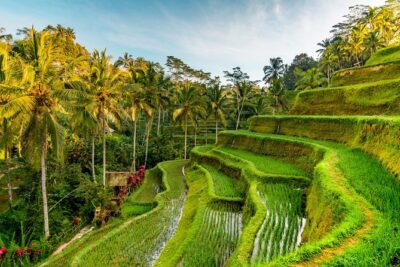
Tanah Lot Tour with Ubud Monkey Forest, Rice Terraces, and Waterfalls
Read our review →
Private Full-Day Tour: Balinese Temples and Rice Terraces
Read our review →Browse the lists this tour appears in