
REVIEW · MALTA TEMPLE TOURS
Prehistoric Temples of Malta Tour
Malta’s prehistoric temples are not just old ruins. They are free-standing stone buildings from about 3150 BC, raised long before the pyramids of Giza. This half-day outing links Ghar Dalam Cave with Hagar Qim and Mnajdra, giving you both the archaeological setting and the objects that help explain it.
I like the excellent guides, who can turn a pile of enormous limestone blocks into a story about ritual, engineering, and daily life. I also like the easy hotel pickup, included admissions, and broad sea views near the temples. The tradeoff is time: collection stops can eat into a 4.5-hour tour, and some visitors want another 20 minutes at the temple sites.
Key points at a glance
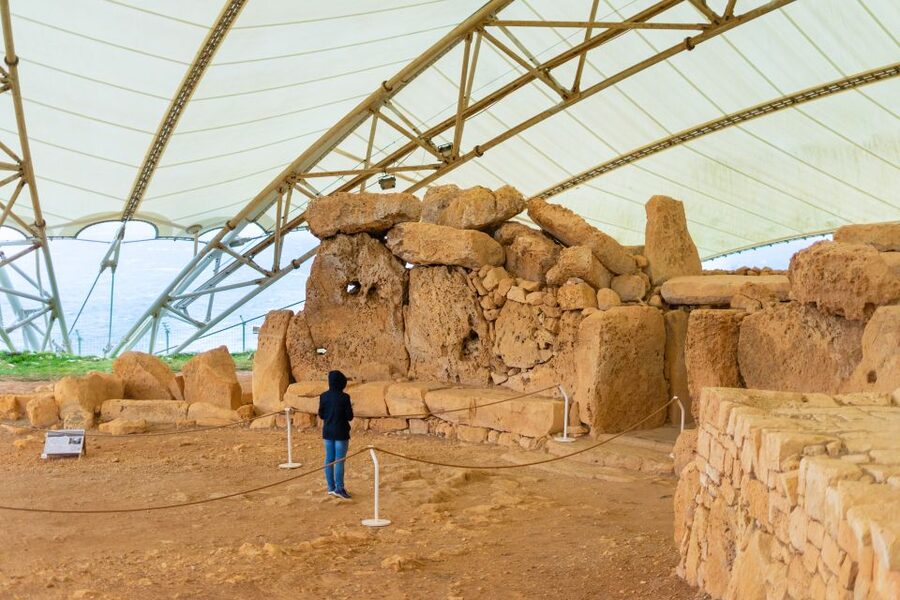
- Hagar Qim sits on southern Malta’s limestone ridge, with huge pale stones and views toward the Mediterranean.
- Mnajdra offers the clearest sense of Maltese megalithic design, with a layout that makes the builders’ skill easier to appreciate.
- Ghar Dalam Cave and Museum add essential context, including prehistoric animal bones and fossils found in Malta.
- Hamrija Tower supplies a later historical layer, linking prehistoric Malta with the defensive watchtowers of the Knights.
- Guides such as Mark, Marco, Mario, and Marlon have led strong departures, with some guides bringing archaeological training or teaching experience.
- Comfortable shoes and water matter, since the temples involve outdoor walking, uneven ground, and an uphill return.
Why Malta’s oldest monuments deserve your morning
The Megalithic Temples of Malta are a UNESCO World Heritage Site and date back roughly 5,500 years. They are often described as the oldest free-standing stone structures in the world, a claim that gives the visit real weight before you even reach the first doorway.
You are not looking at one isolated ruin. The southern sites show a long-lost building tradition that used large limestone blocks, carefully arranged chambers, entrances, altars, and curved internal spaces. Much remains uncertain about the people who built them, but the scale of the work is plain.
That uncertainty is part of the appeal. A good guide does not pretend to know every answer. Instead, the guide helps you separate evidence from guesswork and asks you to think about how archaeologists found meaning in the remains. Mark has been singled out for making groups think about how the temples were discovered and understood, while Marco and Mario have been praised for clear explanations and good pacing.
Language can also work well here. The activity is offered in English, German, Italian, and French. Some guides have explained the sites in several languages during the same visit, though a multilingual tour can naturally take longer than a single-language one.
A few more temple visits around the world worth a look
- Lisbon: Jerónimos Monastery Entrance Ticket
★ 4.1 · 14,164 reviews - Angkor Wat Sunrise or Sunset Tour with Guide from Siem Reap
★ 5.0 · 12,109 reviews - Teotihuacan, Guadalupe Shrine & Tlatelolco Day Tour with Lunch
★ 5.0 · 11,603 reviews
Ghar Dalam Cave: Malta before the temples
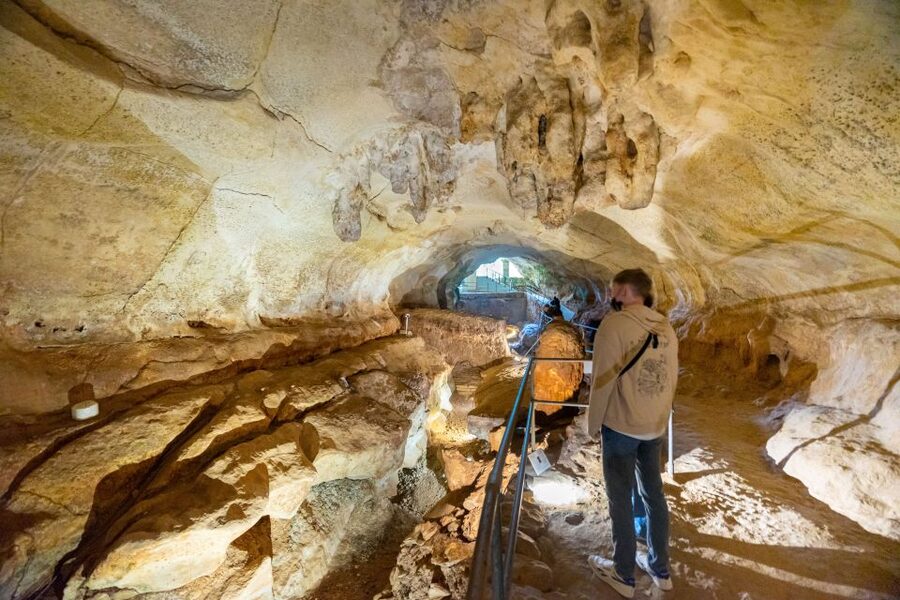
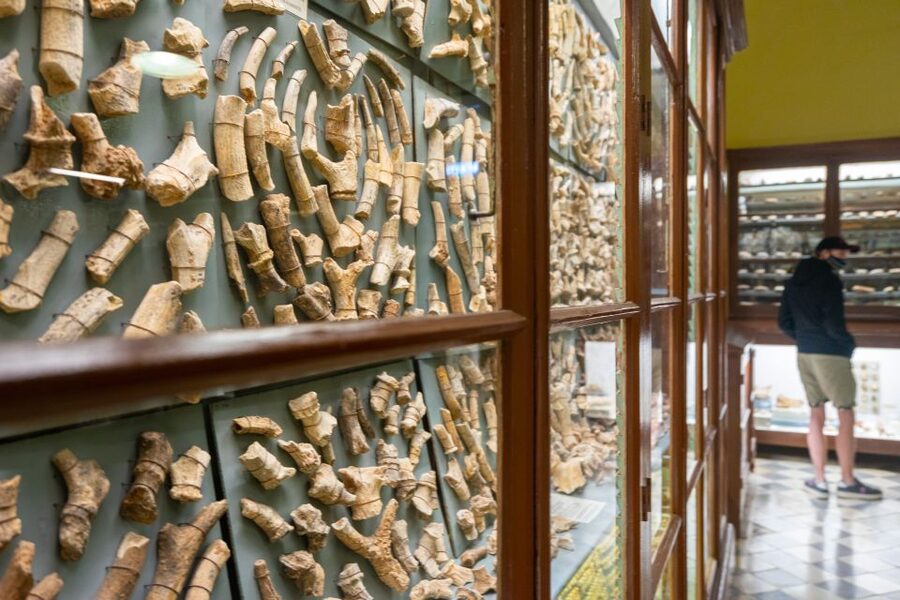
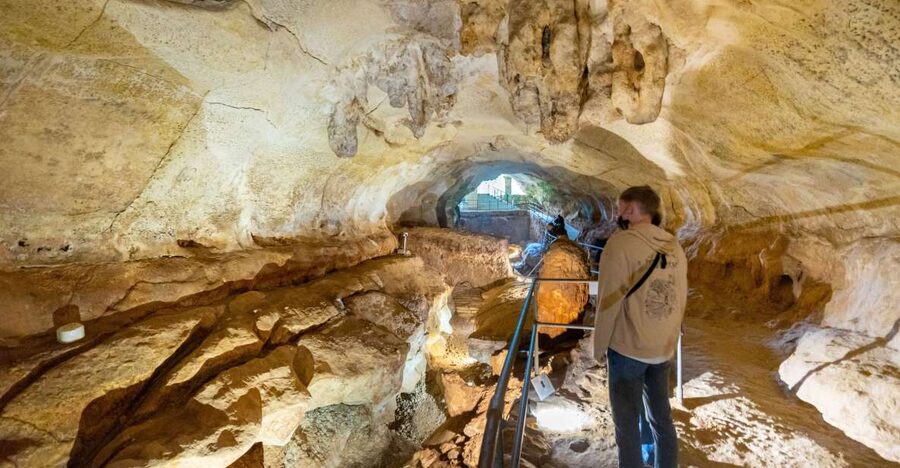
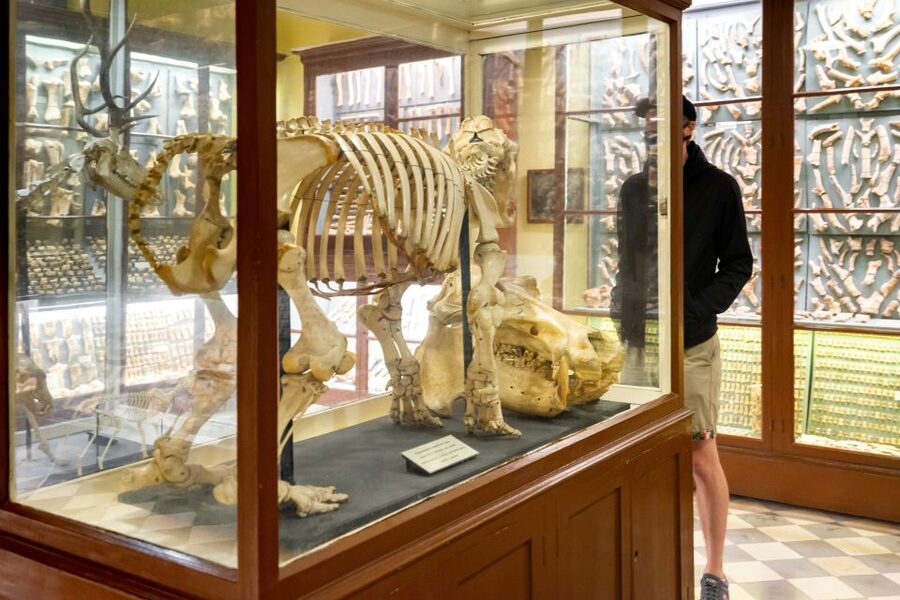
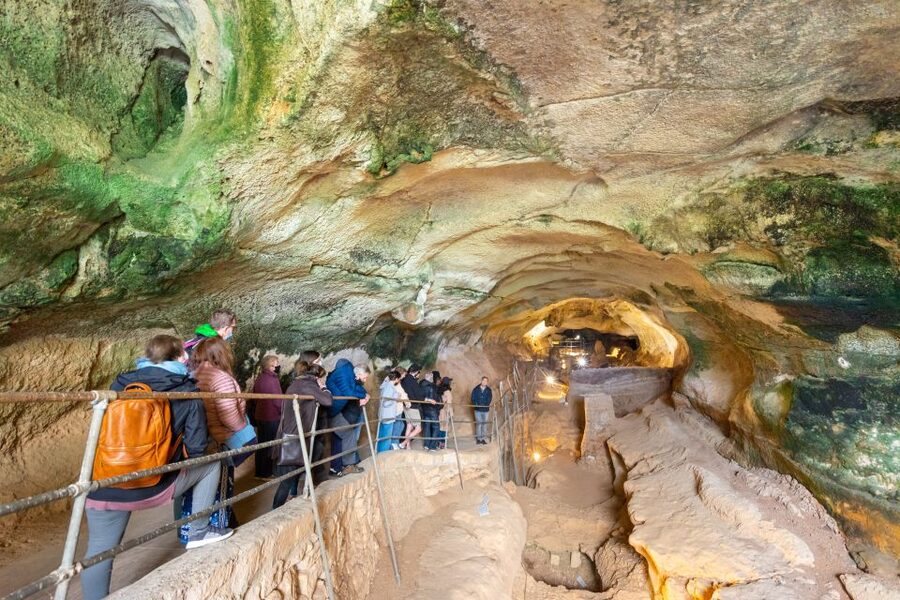
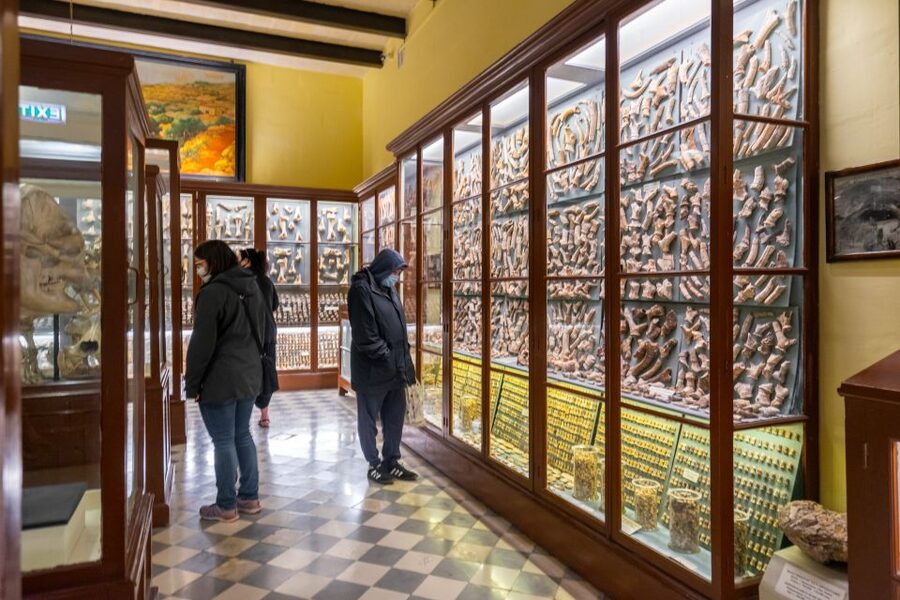
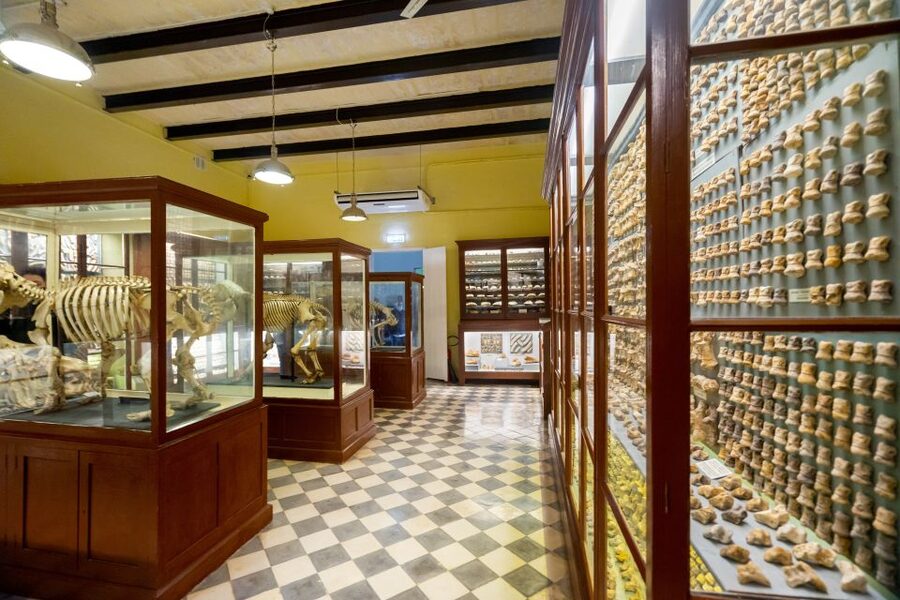
Ghar Dalam is a useful first stop because it pushes Malta’s story back before the temple builders. The cave and museum present evidence of animals that lived on Malta in prehistoric times, including bones and skeletons from different species.
Do not expect a grand cavern filled with stalactites, underground lakes, or dramatic rock formations. The cave itself is relatively small and, for many people, less visually striking than the museum. The real value is the collection of fossils and bones, which shows that Malta’s prehistoric story includes changing animal life as well as human settlement.
Your time here is limited, but the stop gives the rest of the tour a stronger frame. You first see the natural and animal history of the island, then move on to the monumental structures created by people.
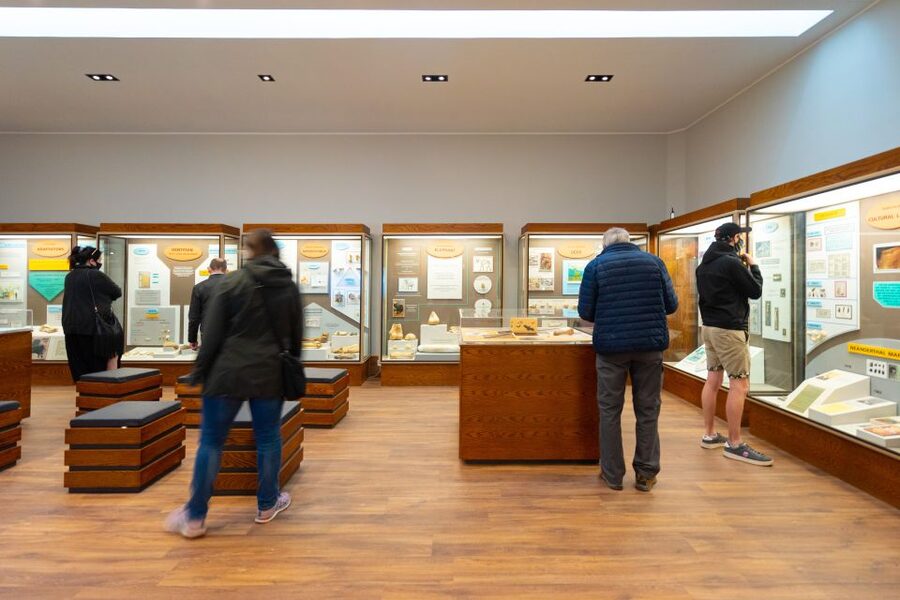
The museum is worth your attention even if you are mainly interested in temples. Take time to look at the displays rather than treating Ghar Dalam as a quick photo stop. Several departures allow enough time to view the prehistoric material, though some visitors would prefer longer for the exhibits.
Hagar Qim and the power of enormous stones
Hagar Qim is built from soft globigerina limestone on a ridge in southern Malta. The color and texture of the stone help explain both the beauty and the vulnerability of the site. The temples have endured for thousands of years, but exposure to sun, wind, and weather makes protection necessary.
Here, your guide will help you read the site rather than simply walk around it. Look for the way the blocks form rounded rooms and passages. Pay attention to the scale of the stones, since the size alone gives you a sense of the labor involved.
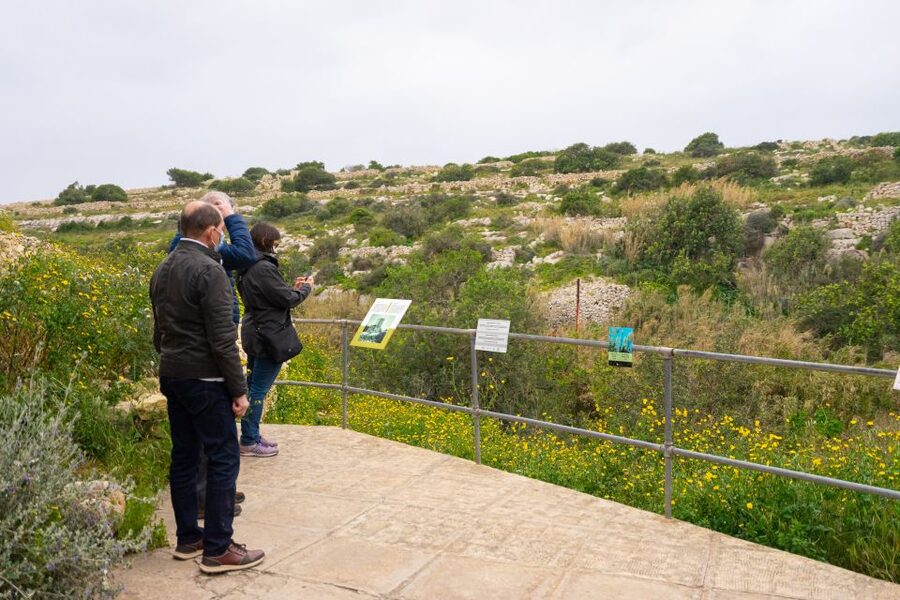
The setting adds much to the visit. The temple area sits in stark Mediterranean garrigue, a low scrub environment shaped by Malta’s dry conditions. The open surroundings make the monument feel connected to the island rather than trapped inside a museum.
On clear days, the views toward the sea and Filfla add a memorable visual finish. The temple is old, but the setting prevents the visit from feeling like a closed archaeological exercise. You get stone, sky, scrub, and open water together.
The site is protected, so you should not expect to wander everywhere or touch the ancient stonework. That can feel restrictive if you want a completely free-form exploration, but it is necessary for a fragile monument.
The walk to Mnajdra and what to expect
Mnajdra is close to Hagar Qim, but the connection between the two sites is made on foot. The walk is manageable for many people, yet it is not something to dismiss. You will encounter an uphill section on the return, and the total outing can contribute a surprising number of steps.
Wear shoes with a secure sole. Sandals or smooth city shoes may be fine for ordinary sightseeing, but comfortable walking shoes will make the path and uneven areas easier. Bring water, especially in warm weather, since the southern coast offers limited shade.
The walk is one of the better parts of the tour when you are prepared for it. You move through the Heritage Park and its low scrub instead of jumping directly from bus to monument. That short stretch helps you understand the temples as part of a wider place.
For anyone with mobility concerns, listen carefully when the guide explains the route and available choices. One strong feature of the better departures is that the guide explains the physical demands early, including stairs and longer walking sections. The information lets you make sensible decisions instead of discovering the difficulty halfway through.
Same country, a different morning at the gates:
- From Bangkok: Ayutthaya Temples Guided Tour with Lunch
★ 4.7 · 10,535 reviews - Siem Reap: Angkor Wat: Small-Group Sunrise or Sunset Tour
★ 5.0 · 9,444 reviews - Athens: Cape Sounion & Poseidon Temple Sunset Half-Day Trip
★ 4.8 · 8,241 reviews - Ubud: Monkey Forest, Jungle Swing, Rice Terrace, and Water Temple
★ 5.0 · 7,160 reviews
Mnajdra, Malta’s most satisfying temple visit
Mnajdra is often considered the best surviving example of Maltese megalithic architecture. It is a more layered stop than a quick look at upright stones. The arrangement of the buildings, the curved chambers, and the surviving details give you a clearer sense of how the temple complex was planned.
I would give Mnajdra your full attention. Stand back first and take in the overall form, then move closer to study the stonework. The guide’s explanation is especially useful here because the remains do not explain themselves. Without context, you may notice size and age but miss the design choices.
The temples are sometimes described in terms of astronomical alignment and ritual use, but the precise purpose of many features remains uncertain. A careful guide will explain what is established and what is still debated. That approach is more useful than a string of dramatic claims.
The visit can feel brief if you want to inspect every display and corner. The tour is designed as an introduction rather than a specialist archaeological study. You will see the essential areas, hear the main interpretation, and have time for photographs, but you may leave wishing for a longer independent visit.
Hamrija Tower adds a later chapter
A few hundred meters from the temples, Hamrija Tower offers a sharp contrast. It is one of Malta’s 13 watchtowers, built by Grand Master Martin de Redin. The tower belongs to the island’s later defensive story, not to the prehistoric world.
That contrast is useful. In a short distance, you move from people building ritual monuments thousands of years ago to the Knights of Malta watching the coast for danger. The tower also reinforces how exposed this southern edge of the island is.
Do not expect a full interior tour or a long separate stop based on the information provided. Hamrija Tower is best treated as an additional point of interest near the temples, not as the main attraction. Your guide can place it in Malta’s wider story while keeping the focus on Hagar Qim and Mnajdra.
The guides make the difference
The strongest part of this experience is usually the human explanation. The temples are impressive on their own, but the right guide helps you notice details and keeps the ancient evidence from becoming a blur of pale stone.
Guides named Mark, Marco, Mario, Maria, Marlon, Nick, and Miriam have led different departures. Mark has been praised for clear explanations, multilingual ability, and a lively way of presenting archaeology. Marco has worked as an archaeologist, and Marlon has been described as a retired archaeologist and lecturer. Your guide will vary, so treat these names as examples rather than a promise.
Good departures balance information with movement. The guide explains what you are seeing, tells you where to go next, and warns you about the longer walk or uphill return. Some guides also use the coach journey to point out towns, geography, and other parts of Malta.
The multilingual setup deserves a practical note. English, German, Italian, and French are available, but a guide explaining everything in several languages may need more time. If your group includes several language groups, expect a broader presentation and possibly less free time at each site.
The quality is not identical on every departure. One older account described weak English and repeated explanations, while most of the supplied feedback praises the guides’ command of the subject and friendly manner. That variation is worth acknowledging, especially because the guide is central to the tour’s value.
Coach transport, pickup, and the cost of convenience
The price is $59 per person and includes transportation, hotel pickup and drop-off, a guide, and admission to Ghar Dalam Cave and Museum, Hagar Qim, and Mnajdra. For a visitor based outside the southern part of Malta, that is a reasonable convenience package.
You could potentially reach the sites by public bus or a sightseeing route, but you would need to work out connections, entrance fees, walking routes, and timing yourself. This tour handles the transport and gives you a narrative that a self-guided visit may lack.
The weak point is the pickup circuit. Collection times begin around 8:30 in places such as Cirkewwa and Attard, with later pickups around St. Paul’s Bay, Bugibba, Qawra, St. Julian’s, Sliema, and Valletta. Exact arrangements are sent the day before, and pickup details have occasionally arrived later than expected, so check your email carefully.
The bus journey can also feel longer than the archaeological time suggests. Groups are collected from several resort areas, and one departure waited while another bus joined. Traffic in Malta can affect the schedule, too.
Transport quality has varied. Many departures use comfortable, air-conditioned coaches, and some drivers have been praised for safe, careful driving. A few passengers have found the driver unsettling or ended up on an older bus with missing seats. I would not book this solely for luxury transport, but the coach is generally a practical way to cover several scattered stops.
The advertised duration is 4.5 hours, while the tour description also refers to a five-hour archaeological outing. Plan around the shorter figure and treat any extra time as a bonus. The half-day format works well if you want an introduction without giving up an entire day in Malta.
Who should book this temple tour?
I would recommend it to first-time visitors who want Malta’s prehistoric sites explained in plain language. It also suits anyone staying in Valletta, Sliema, St. Julian’s, St. Paul’s Bay, Bugibba, Qawra, Mellieha, or another listed pickup area and who does not want to organize southern Malta transport.
It is a good choice for history fans, families with older children, and people who want a structured morning. The Ghar Dalam museum adds variety, while the sea views and open setting keep the experience from becoming a long indoor museum visit.
You should think twice if you want a slow archaeological study. The route covers a lot in a short time, and the scheduled stops leave limited room for quiet exploration. Independent visitors who already understand Maltese prehistory may prefer to spend longer at one temple.
The tour is also less suitable if walking uphill or covering uneven ground is difficult. The guide can explain the physical demands and choices, but the itinerary still includes outdoor movement between sites. Ask for clear details before departure if you need specific accessibility information.
Practical tips for getting more from the morning
- Wear comfortable shoes with good grip.
- Carry water, since the temple area can feel hot and exposed.
- Check the pickup email the day before, including the exact meeting point.
- Keep an eye on the time at Ghar Dalam, where the museum can reward a slower look.
- At Hagar Qim, first view the complex from a little distance, then study the blocks and chambers.
- Save energy for the walk to Mnajdra and the uphill return.
- If you want more Neolithic objects afterward, the National Museum of Archaeology in Valletta has artifacts from the sites.
The cancellation policy is flexible, with a full refund available when you cancel at least 24 hours ahead. You can also reserve and pay later, which helps if your Malta plans are still shifting.
Should you book the Prehistoric Temples of Malta Tour?
Book it if you want the easiest way to see Hagar Qim, Mnajdra, and Ghar Dalam in one morning, with transport, admissions, and a guide handled for you. The strongest departures turn the temples into a coherent story, and the combination of prehistoric bones, enormous limestone buildings, coastal views, and Hamrija Tower gives you more range than a temple visit alone.
Skip it if you want long, unhurried time at each site or prefer to travel entirely at your own pace. At $59, you are paying for convenience and interpretation rather than an unusually long visit. For most first-time visitors, especially those with limited time in Malta, that is a fair trade.
FAQ
How long does the Prehistoric Temples of Malta Tour last?
The activity duration is listed as 4.5 hours. The description also refers to a five-hour archaeological tour, so you should plan your morning around approximately four and a half to five hours.
What sites are included?
The tour includes Ghar Dalam Cave and Museum, Hagar Qim Temples, and Mnajdra Temples. It also includes a view or visit near Hamrija Tower, one of Malta’s historic watchtowers.
Is transportation included?
Yes. Transportation, hotel pickup, and hotel drop-off are included.
Which languages are available?
Live guide service is available in English, German, Italian, and French.
What should I bring?
Bring comfortable shoes. Water is also a sensible choice because the temple sites involve outdoor walking and can become hot.
Does the tour include entrance fees?
Yes. Admission to Ghar Dalam Cave and Museum, Hagar Qim Temples, and Mnajdra Temples is included.
Can I cancel the booking?
You can cancel up to 24 hours before the activity for a full refund. The tour also offers reserve now and pay later booking.
Just added around the world
- Chiang Mai Temples & City★ 5.0 · 10 reviews
- Full Day Chiang Rai 3 Temples White, Blue,Big Bhudha Temples★ 4.5 · 11 reviews
- Chiang Mai Old City & Temples 3 hour Twilight Walking Tour★ 5.0 · 9 reviews
- Chiang Mai Temples & Old City Hidden Gems Small Group Tour 2 Hrs★ 5.0 · 6 reviews
- Chiang Mai City and Temples Half-Day Tour★ 4.5 · 136 reviews
- Chiang Mai Old City & Temples Guided Walking Tour – 3 Hrs★ 4.5 · 34 reviews
- The Best Chiang Mai City Private Tour: Famous Temples & Viewpoint★ 4.5 · 7 reviews
- Half Day Chiang Mai City Temples & Museum Tour – Group or Private★ 5.0 · 11 reviews
Malta Temple Tours, compared.
From Malta: Gozo Day Trip Including Ggantija Temples
Read our review →
From Malta: Gozo Full-Day Tour with Guide, Temples, & Train
Read our review →
Malta: Prehistoric Temples, Limestone Heritage & Blue Grotto
Read our review →
Valletta: Monastery and Secret Garden Entry Ticket
Read our review →
Gozo Guided Day Trip Incl. Ggantija Temples and Lunch
Read our review →
Malta: Prehistoric Temples and Highlights of the South
Read our review →
Mysterium Fidei Monastery & Secret Garden in Valletta
Read our review →
Gozo Full Day visiting Ggantija Temples, Salt Pans & Dwejra
Read our review →Browse the lists this tour appears in