
REVIEW · MASSAGE
Osaka Temple :Warm Bamboo Oil Massage – Deep Restore〈90min〉
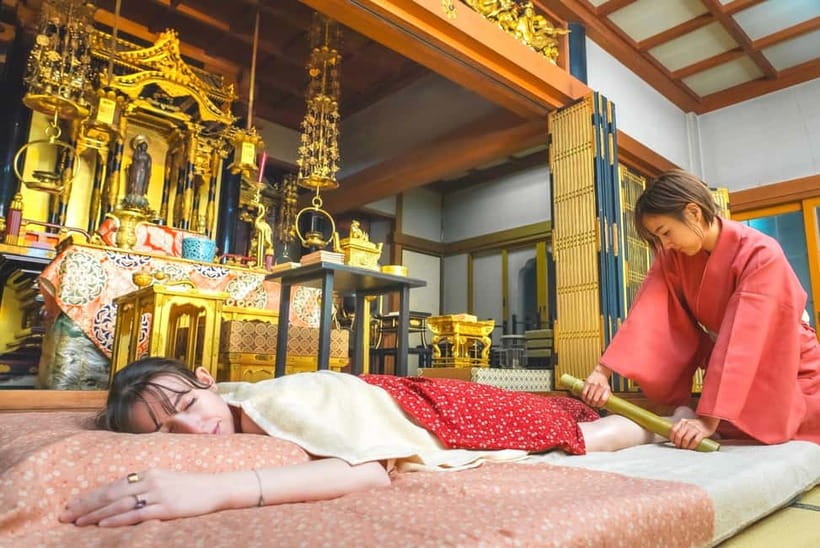
The most unusual part of this Osaka experience is the setting: your 90-minute massage takes place alongside temple rituals, meditation, matcha, and a yukata photo. This is not simply a spa appointment. It is a gentle introduction to Japanese worship and hospitality, with time built in to slow down.
I like the careful mix of bodywork and culture. The warm bamboo and hand oil massage offers something different from a standard hotel treatment, while the tea ceremony gives the visit a clear Japanese flavor. I also like the tiny group size, limited to three people. The main consideration is timing: the massage is advertised as 90 minutes, but the full visit lasts about two hours, so do not book it as a quick stop between major sightseeing plans.
Key points to know before booking
- Warm bamboo massage: Bamboo tools are used with oil for full-body work and myofascial release.
- Temple setting: You offer incense, learn about worship customs, and meditate with a bell and kneaded incense.
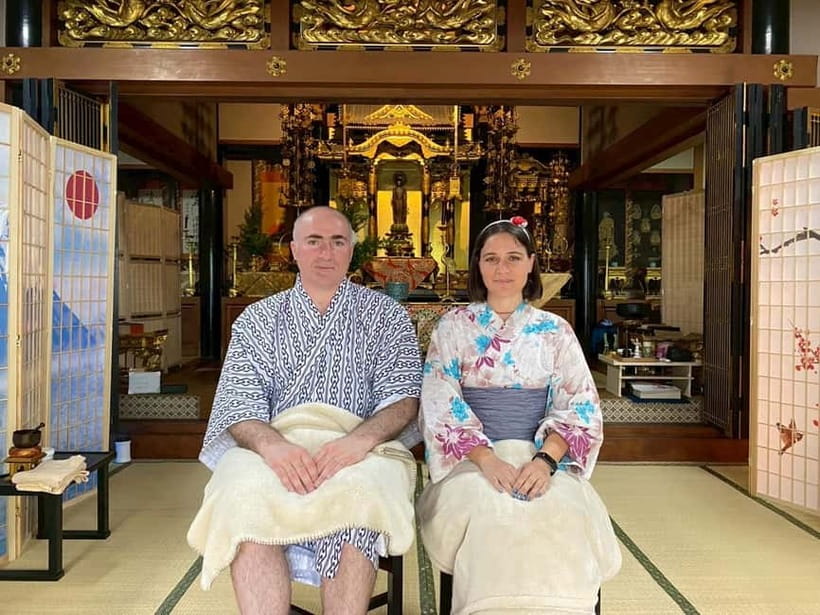
- A full cultural program: The visit includes matcha, traditional sweets, a tea ceremony, and a simple yukata.
- Small and personal: The group is limited to three participants, though meditation may be shared unless you request a private session.
- A useful keepsake: Complimentary smartphone photos are taken during your time at the temple.
- Clear meeting-point warning: Search Google Maps for Japanese Massage -the one&only-, not only the temple name.
Why this is more than an ordinary Osaka massage
Osaka is famous for food, shopping, neon, and fast-moving streets. This activity offers a sharp change of pace. You enter a temple environment, put on a simple yukata, and follow a series of quiet steps that prepare you for the treatment.
That order matters. The visit does not rush you straight onto a massage table. A welcome drink and change of clothing come first. Then you receive an introduction to the temple, make an incense offering, and learn about Japanese worship culture. Meditation with a bell and kneaded incense follows before the body treatment begins.
I like this format because it gives the massage a sense of place. The cultural parts are not just decoration added for a photo. They help you settle down, especially after a noisy day in Osaka.
The experience is led in English or Japanese. The provider is Japanese Massage 唯一無二, also presented as the one&only. One review specifically praises Arisa as a talented masseuse, so you may want to ask about her availability if choosing a particular practitioner matters to you. Staff members are also praised for their warm welcome and calm manner.
More Massage and Relaxation in Osaka:
- Osaka Temple Head Spa &Matcha Facial – Refresh & Glow〈90min〉
★ 5.0 · 24 reviews - Osaka Temple :Warm Bamboo Oil Massage – Deep Restore〈60min〉
★ 4.9 · 19 reviews - Osaka: Japanese Zen Massage and Facial at the Temple/180-min
★ 4.8 · 10 reviews
Arriving at the temple without getting lost
The meeting-point instructions deserve your full attention. Enter Japanese Massage -the one&only- into Google Maps. If you search only for the temple name, the map may send you to the back entrance, where finding the correct location can be confusing.
A useful backup is the nearby restaurant Tossa de coracao. The massage location is right next to it. Save both names before leaving your hotel, and allow a little extra time for arrival. The activity is designed to feel calm, and beginning with a frantic search for the door would rather spoil the mood.
The price is $129 per person. That is not bargain-basement pricing for a massage, but the comparison should be made with the entire two-hour visit, not only the hands-on treatment. Your fee covers the massage, foot bath and scrub, temple introduction, incense offering, Zen meditation, yukata, matcha, Japanese sweets, tea ceremony, and smartphone photos.
For someone seeking only a massage, a regular Osaka spa may cost less and offer a simpler appointment. For someone who wants bodywork plus a structured cultural experience in a small group, the price is easier to justify.
Changing into a yukata and settling in
Your visit begins with a welcome drink and a change into a simple yukata. A yukata is a light, informal Japanese garment, and wearing one changes the mood at once. You are no longer treating the appointment like a routine spa visit.
The clothing is simple rather than a formal kimono experience. That is worth knowing if you expect elaborate dressing or a long costume session. Here, the yukata is practical, comfortable, and part of the atmosphere.
A smartphone photo is included as a keepsake. This is a small detail, but a useful one. You do not need to arrange a separate photographer or ask someone else to document the visit. The photos are taken with a smartphone and given to you to take home.
Incense, temple customs, and quiet preparation
The temple visit includes an incense offering and an explanation of the temple’s history and Japanese worship culture. You are given some context before taking part, which makes the ritual easier to understand and less awkward for a first-time visitor.
The meditation session includes a bell and kneaded incense. These details engage the senses without making the activity feel like a lecture. The bell marks a change in pace, while the scent helps create a calm setting before the massage.
Meditation may be shared with other people taking part at the same time. The overall group is limited to three, but that does not guarantee complete privacy during this portion. If silence and personal space are especially important to you, request a private experience in advance.
This is also the part of the program that may appeal most to someone who wants a small taste of temple practice but does not have time for a longer meditation retreat. You are not expected to arrive with prior knowledge. The session is guided in English or Japanese.
More Massages in Osaka:
- Bangkok: Wat Pho Thai Massage in Your Hotel Room
★ 4.6 · 68 reviews - Bali/Uluwatu: Spa & Massage Treatment at Svaha Spa Bingin
★ 4.9 · 34 reviews - The Grand Palace, Wat Phra Kaew, Wat Pho Tour with Massage option
★ 4.5 · 14 reviews
Foot bath and scrub before the main treatment
Before the full-body work, you receive a foot bath and scrub massage. This is a practical transition from sightseeing to relaxation. Feet take plenty of punishment on an Osaka trip, especially if you have spent the day walking between stations, markets, and department stores.
The foot treatment also prepares you for the longer massage. It gives the visit a gradual rhythm: arrive, change, learn, meditate, warm up, then settle into the main bodywork.
The word scrub suggests a treatment that is more active than simply soaking your feet. Still, the supplied information does not specify the scrub ingredients or pressure, so anyone with sensitive skin should mention that before treatment begins.
Warm bamboo and hand oil massage
The central treatment combines warm bamboo tools with hand massage and oil. Bamboo gives the practitioner a firm tool for broader pressure and myofascial release, while hands allow more precise work.
This combination is the main reason to book the activity if massage is your priority. One visitor described the massage as wonderful, and another returned for a second visit after enjoying the first. Arisa is singled out by name in one account as a talented masseuse.
The treatment is described as full-body, but the exact balance between bamboo and hands can vary. Tell the practitioner what you want before starting. You can discuss pressure, sensitive areas, and any place you would rather avoid. Clear communication is especially useful when a treatment uses both oil and tools.
Oil massage is not ideal for everyone. If you dislike oil on your skin or clothing, ask how the treatment is handled before you begin. The program is designed for relaxation and restoration, not for medical diagnosis or injury rehabilitation.
The myofascial release element may appeal to you if you prefer firm, focused bodywork over a light Swedish-style massage. At the same time, deep restore should not be read as a promise of medical results. The experience is a wellness treatment with a cultural program, not a clinical service.
Matcha, sweets, and a tea ceremony with context
After the bodywork, the traditional tea ceremony gives the visit a slower finish. You learn about matcha, Japanese sweets, and the cultural and historical meaning of the ceremony rather than simply being handed a cup of green tea.
This explanation is one of the strongest parts of the program for first-time visitors. Matcha can look simple, but the preparation, presentation, and manner of drinking all carry meaning. With guidance, you can pay attention to the objects, movements, and setting instead of wondering what you are supposed to do.
The sweets are original Japanese sweets, which makes the tea service feel more complete. They offer a small taste of the seasonally minded confectionery tradition associated with tea, though no specific sweet is named, so do not book this expecting a particular flavor or menu.
One person who booked mainly for the massage found the tea ceremony especially informative and calming. That is a useful clue about the balance of the visit. The massage is the physical center, but the tea portion may become the cultural highlight.
Reiki and the idea of restoring balance
The experience description explains Reiki as a non-contact Japanese energy-healing method intended to encourage relaxation and emotional balance. That language is useful if you are curious about the concept, but the listed inclusions focus on the oil massage, bamboo work, meditation, and temple rituals.
If Reiki is important to your decision, ask the provider exactly how it fits into your booking. Do not assume that the standard 90-minute massage automatically includes a separate Reiki session. The confirmed program is already substantial, and the non-contact element may be presented as part of the wider approach rather than as a distinct treatment.
I would approach this part with an open but practical mind. You may find it meaningful as a quiet relaxation practice. It should not replace medical care or be treated as a medical claim.
Who will get the most from the $129 price
At $129 per person, this is best for someone who values the combined format. You are paying for two hours of guided attention, a full-body oil massage, a temple visit, meditation, matcha, sweets, a yukata, and photos.
I would recommend it for:
- Couples who want a calm shared activity away from Osaka’s busy entertainment districts.
- First-time visitors who want a guided introduction to several Japanese customs in one sitting.
- Solo visitors who prefer a small group and a structured cultural experience.
- Anyone who likes firm bodywork but also wants time to slow down mentally.
- People marking a special occasion and wanting a photo to remember it.
I would hesitate if you want a long, private spa day with extensive facilities. This is not described as a bathhouse, hotel spa, or full-day retreat. It is a focused two-hour program with a 90-minute massage at its center.
It may also be less suitable if you dislike dressing up, incense, meditation, or cultural explanations. The program is not just hands-on massage. The rituals and tea ceremony are essential parts of what you are buying.
Timing, group size, and booking details
The advertised duration is two hours, while the massage portion is 90 minutes. Check the available starting times when booking, since the exact schedule is not fixed in the information provided.
The group limit is three participants. That is small enough to keep the visit personal, but meditation may still be shared with other people unless you request a private session. Reservations for three people are available by email, so contact the provider directly if your party includes three.
English and Japanese are supported. If you need detailed discussion of massage pressure or want to ask about Reiki, mention that when arranging the visit.
Cancellation is free up to 24 hours in advance for a full refund. You can also reserve now and pay later, which helps if your Osaka schedule is still changing. The activity offers skip-the-ticket-line access, though this is not a ticketed attraction in the usual sightseeing sense.
The most important practical tip remains the map pin. Use Japanese Massage -the one&only- or search for Tossa de coracao. The temple name alone may lead you to the wrong entrance.
My verdict: book it for the full combination
I would book this experience if I wanted a quiet cultural pause during an Osaka trip, not merely a massage. The strongest features are the warm bamboo bodywork, the thoughtful temple setting, the small group, and the tea ceremony with explanation. The kind welcome and the chance to wear a yukata make the visit feel personal without requiring a full day.
The main drawback is that $129 is a considerable price for anyone focused only on massage. You also need to allow two hours, follow the meeting-point directions carefully, and accept that meditation may be shared.
Book it if you want your wellness treatment tied to Japanese customs and a serene setting. Choose another spa if you want maximum privacy, a longer treatment, or a lower price. For couples, first-time visitors, and anyone needing a calm reset after busy Osaka sightseeing, this is a well-balanced choice.
FAQ
How long does the Osaka temple massage experience last?
The complete activity lasts two hours. The massage portion is listed as 90 minutes.
What is included in the $129 price?
The price includes a simple yukata, welcome drink, temple visit, incense offering, Zen meditation, foot bath and scrub massage, warm bamboo and hand oil massage, matcha, original Japanese sweets, tea ceremony explanations, and smartphone photos.
Is the experience conducted in English?
Yes. The instructor languages are English and Japanese.
How many people can join the activity?
The small group is limited to three participants.
Can I request a private meditation session?
Yes, a private experience can be requested. Zen meditation may otherwise be shared with other people.
Where should I meet the provider?
Enter Japanese Massage -the one&only- into Google Maps. Searching only for the temple name may direct you to the back entrance. You can also search for the nearby restaurant Tossa de coracao, which is right next to the meeting point.
Are reservations for three people available?
Yes. Reservations for three people are available by email.
Can I cancel for a full refund?
Yes. You can cancel up to 24 hours in advance for a full refund. You can also reserve now and pay later.
Just added around Osaka
- Osaka Temple :Warm Bamboo Oil Massage – Deep Restore〈60min〉★ 4.9 · 19 reviews
- Osaka/Kyoto: Kiyomizudera Fushimi Inari, Nara Tour w/ Pickup★ 4.5 · 8 reviews
- Osaka: Temple Tour and Traditional Calligraphy Lesson★ 4.9 · 24 reviews
- Osaka Temple Head Spa &Matcha Facial – Refresh & Glow〈90min〉★ 5.0 · 24 reviews
- Osaka Temple Cool Foot Bath & Matcha Experience〈45min〉★ 4.9 · 82 reviews
- Osaka: Mind & Spirit Balance Temple Reiki Healing★ 5.0 · 41 reviews
- Osaka Morning Tour: Shitennoji Temple, Shinsekai &Doutonbori★ 5.0 · 23 reviews
- Osaka: Private Tour of Shitennoji, Osaka’s Oldest Temple★ 4.5 · 6 reviews
Massage, compared.

Bali/Uluwatu: Spa & Massage Treatment at Svaha Spa Bingin
Read our review →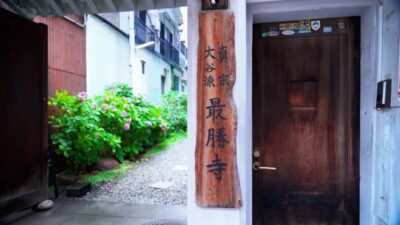
Osaka Temple :Warm Bamboo Oil Massage – Deep Restore〈60min〉
Read our review →
The Grand Palace, Wat Phra Kaew, Wat Pho Tour with Massage option
Read our review →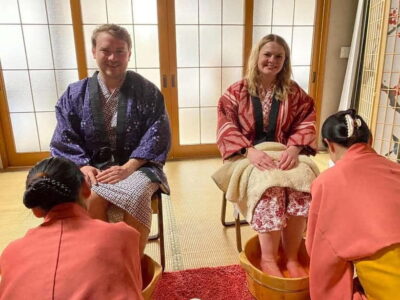
Japanese Zen Massage and Facial at the Temple/180-min
Read our review →Browse the lists this tour appears in