
REVIEW · NIKKO & KAMAKURA DAY TRIPS
Nikko – Beautiful Full-Day Personal and Private Tour
Nikko gives you Japan in broad strokes: cedar forests, sacred shrines, volcanic lakes, and waterfalls tumbling through the mountains. This private day trip makes that variety easy to reach, with a driver taking care of Tokyo traffic, mountain roads, parking, and the long ride home. I especially like the flexible schedule and the chance to combine Toshogu Shrine with Kegon Falls and Lake Chuzenji in one day. The comfortable vehicle is another real plus, particularly for a group of up to six.
I also like the practical help built into the day. Drivers such as Kashif, Zahi, Zahid, Ari, and Zaheer have been praised for safe driving, taking photos, finding good parking spots, and helping with ropeway or shrine tickets. The main consideration is time: Nikko is far enough from Tokyo that ten hours includes a lot of driving, and traffic or a busy weekend can force you to shorten some stops.
Key points at a glance
- A full mountain circuit from Tokyo: Cover Akechidaira, Kegon Falls, Lake Chuzenji, Ryuzu Falls, Yudaki Falls, and Toshogu Shrine without changing trains or buses.
- A private vehicle for up to six: Share the $364 group price with family or friends, with fuel, tolls, and parking included.
- A driver-led day with local help: Your English-speaking driver can assist with meeting points, photos, tickets, and route changes.
- A flexible pace: Spend more time at a waterfall or shrine, or trim a stop if traffic and opening hours make the day tight.
- A strong mix of nature and culture: The mountain scenery is not just a backdrop. Nikko’s waterfalls and lake make the shrine visit feel part of a larger regional story.
- Bring extra money: Meals and entrance fees are separate, including the ropeway, Toshogu Shrine, and Tamozawa Imperial Villa.
Why this private Nikko day trip works from Tokyo
Nikko is one of the best escapes from Tokyo when you want a change of pace without arranging several separate outings. The city’s sacred center is famous for Toshogu Shrine, while the higher mountain area brings waterfalls, a volcanic lake, and cool forest air. Seeing both in one day by public transport takes careful planning. A private vehicle removes much of that work.
The tour lasts about ten hours, including the journey between Tokyo and Nikko. Pickup is available at a hotel or meeting point within Tokyo’s 23 wards, with drop-off at the same place or another central Tokyo location. Pickup from outside the 23 wards may be possible for an added charge.
For a private group, $364 works out to about $61 per person if six people share it. That is not the cheapest way to reach Nikko, but the calculation changes for families, older relatives, or anyone who values door-to-door transport. Fuel, highway tolls, and parking are included, and you are not paying separate fares for a group on trains, buses, or taxis.
The vehicle may be a private van or sedan. One detailed account described a Toyota Vellfire handling six adults comfortably, with clean seating and air conditioning. That matters here. You may spend several hours on the road, and Nikko’s mountain route includes curves that are far less tiring when you can sit back instead of navigating transfers.
More Private Temple Tours in Japan
- Nikko Full-Day Private Tour with Government-Licensed Guide
★ 5.0 · 259 reviews - Tokyo: Nikko Private Customize Tour English Driver & Guide
★ 5.0 · 70 reviews - Nikko: Private Walking Tour with Local Guide
★ 4.8 · 35 reviews
Akechidaira Ropeway and the mountain road
The road into Nikko’s higher country is part of the experience. The famous Irohazaka route has 28 turns, climbing through forest toward Akechidaira. The ride can be slow, especially during autumn foliage weekends or public holidays, but it gives you a clear sense of leaving Tokyo behind.
Akechidaira is the first major viewpoint and a useful introduction to the area. The ropeway offers broad views toward Lake Chuzenji and Kegon Falls, with the mountain slopes spreading around them. The listed schedule allows about forty minutes for the cable car ride and roughly two hours in the wider Akechidaira stop, though the driver can adjust the timing.
The ropeway is weather-dependent, so do not build your whole day around a perfect view. Cloud, rain, or seasonal conditions can soften the panorama. Still, the stop earns its place because it lets you see how the lake, waterfall, and mountain roads fit together before you visit them at ground level.
The driver may also know less obvious viewing areas around Kegon Falls and Lake Chuzenji. That does not mean you should expect a secret attraction every time, but it does give the private format an advantage over a rigid bus excursion.
Kegon Falls and Lake Chuzenji
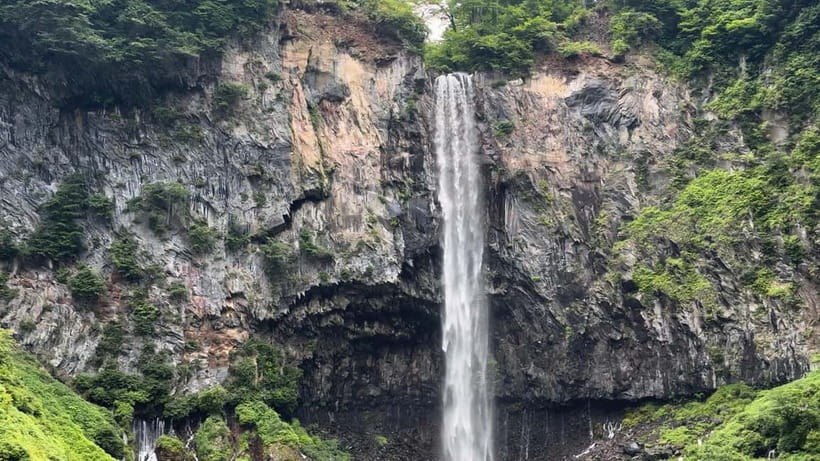
Kegon Falls is Nikko’s signature waterfall, dropping about 100 meters from Lake Chuzenji toward the valley below. The sound and force of the water make this more than a quick photo stop. You can expect about forty minutes here, enough to take pictures and see the main viewpoint, though the exact access and any paid viewing areas should be confirmed with your driver.
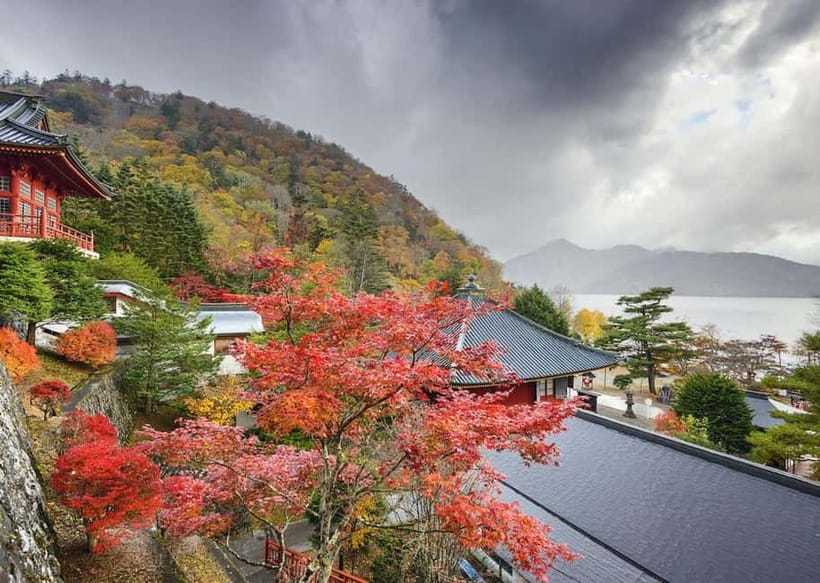
Lake Chuzenji sits at the base of Mount Nantai, the volcanic mountain that shaped this highland setting. The lake stop is slower and calmer than Kegon Falls. You have about an hour for photographs, walking, and simply taking in the water and surrounding mountains.
I like the contrast between these two stops. Kegon is loud and sudden. Lake Chuzenji is quiet and open. Together, they give you a better sense of Nikko than either sight alone.
This section is also where the weather difference becomes clear. Nikko is cooler than Tokyo, especially around the lake and waterfalls. In autumn and winter, bring layers. Even in warmer months, a light jacket and comfortable walking shoes are sensible.
Ryuzu Falls, Yudaki Falls, and the lunch break
The northern mountain route adds more water views, but each waterfall has a different character. Ryuzu Falls is known for its twin flows, which split around a rocky center as the water drops through the forest. The tour allows an extended break of about eighty minutes in this area, suitable for a meal, photographs, and a short walk.
Lunch is not included, so you can choose a local restaurant according to the time and your preferences. One suggested stop has been a cafe overlooking Ryuzu Falls, where udon was enjoyed during the visit. That is the kind of meal that fits this day well: warm, simple, and practical after time outdoors.
Yudaki Falls is planned as another photo and walking stop, with about thirty minutes listed. The water descends beside the road and creates another strong pause before the return toward Nikko’s cultural center. If you are especially interested in waterfalls, ask the driver how much time can be kept for Ryuzu and Yudaki. If you care more about Toshogu Shrine, you may want to limit the lunch stop.
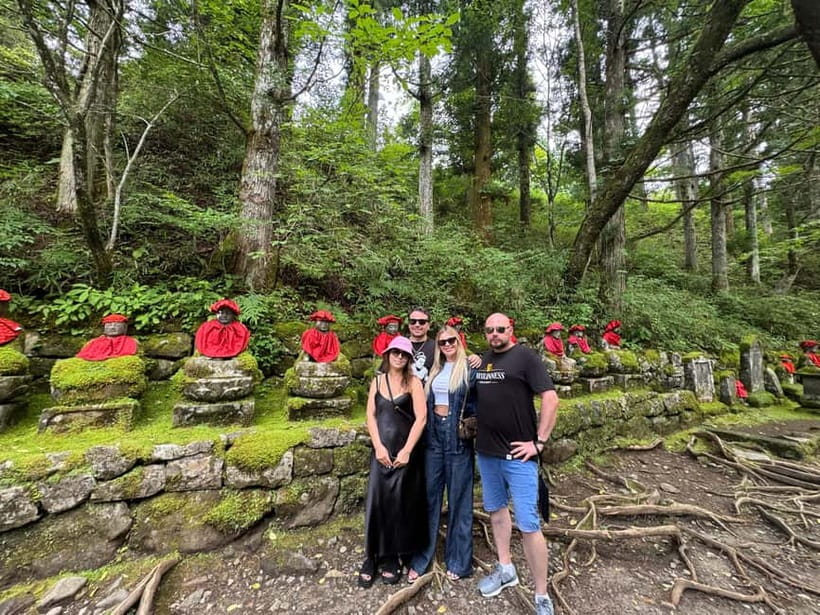
The tour description also names a forest walk linking the waterfall area, as well as Kanmangafuchi Abyss as an optional or flexible stop. Kanmangafuchi is associated with a riverside path and moss-covered Jizo statues. Because the day already includes several stops, confirm whether this walk fits before setting out.
More Nikko and Kamakura Day Trips in Nikko:
- Nikko Heritage & Nature Day Trip from Tokyo
★ 4.8 · 94 reviews - From Tokyo: Nikko Customised Private 1 Day Sightseeing Tour
★ 4.8 · 32 reviews - Tokyo Nikko Toshogu Shrine Iroha-zaka Lake Chuzenji Day Tour
★ 3.6 · 17 reviews - Nikko Private Custom Tour with Local Guide
★ 5.0 · 16 reviews
Tamozawa Imperial Villa for a quieter cultural stop
Nikko Tamozawa Imperial Villa Memorial Park offers a different look at Japanese history from the grand religious complex at Toshogu. It was used as an imperial residence and combines Meiji-era design with older architectural elements. The grounds and interiors provide a quieter cultural pause after the open mountain stops.
The schedule allows about an hour here, though entrance is extra. You will need to decide if the additional fee and time suit your interests. I would favor it if you enjoy architecture, gardens, and the details of how an imperial residence functioned. If this is your first visit to Nikko and you want more time at Toshogu, the villa may be the stop to shorten.
The driver-led format means the explanation can vary. Your driver can provide context and practical help, but this is not automatically a formal, licensed guiding service. A licensed guide can be requested for an added cost. That distinction matters if detailed architectural or religious interpretation is important to you.
Toshogu Shrine and Shinkyo Bridge
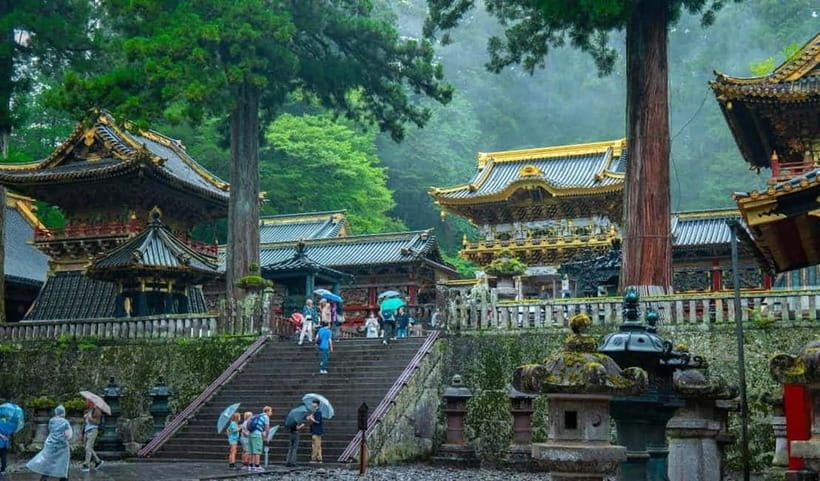
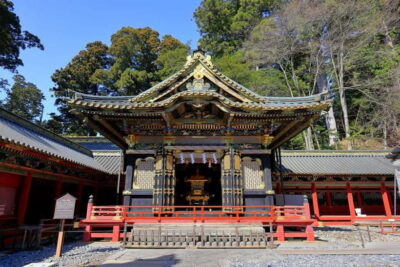
Toshogu Shrine is the cultural center of the day. It is part of Nikko’s UNESCO World Heritage area and is known for its elaborate decoration, sacred setting, and connection to Tokugawa Ieyasu. Allow about forty minutes in the listed plan, but that can feel short if you want to explore every gate, carving, and courtyard.
The shrine is not a quick photo stop in the way a roadside viewpoint can be. Entrance fees are separate, and lines may form at busy times. Drivers have helped some groups enter early or move through the ticket process efficiently, but you should still expect the schedule to change on weekends, public holidays, or during seasonal events.
Shinkyo Bridge is a compact final cultural stop. Its red structure crosses the river at the entrance to Nikko’s sacred area and makes an excellent photograph. About twenty minutes is enough for pictures and a brief look, though the bridge can be busy because it is easy to reach.
The order of the stops can change. Some drivers may place Toshogu earlier to avoid lines, then take you into the mountain area. Others may use the morning for the higher viewpoints. This is one of the most useful parts of a private trip: you can ask for a plan shaped around weather, traffic, and your priorities.
What the driver adds to the day
This is best understood as a driver-led private tour, not a fully guided historical tour. Your driver handles the vehicle, route, parking, and timing. Some drivers also explain the sights, help with tickets, suggest photo spots, and take group pictures.
That practical support has been a repeated strength. Kashif, also referred to as Kashi in some accounts, has been praised for safe driving, efficient parking, and helping people reach the ropeway. Zahi and Zahid have been singled out for local knowledge, flexibility, and taking photos, even for solo visitors. Ari and Zaheer have also received warm comments for their friendly service and care with the day.
Names and drivers can vary by date, so do not assume you will receive a particular person unless the operator confirms it. Still, the pattern is useful: this experience depends heavily on the individual driver, and the strongest value comes from a driver who communicates clearly and adjusts the route well.
Use WhatsApp as requested after booking so you can share your location and find the meeting point. Pickup is usually at a hotel lobby, main entrance, or nearby designated spot. If direct pickup is not possible, you should receive instructions for the nearest convenient point.
Timing, crowds, and the practical trade-offs
Ten hours sounds generous until you include the Tokyo to Nikko drive, mountain roads, meals, tickets, and several walks. You can see a lot, but you cannot linger everywhere. A busy weekend has already caused some visitors to miss parts of the planned route, so weekdays are the safer choice when your schedule allows.
The flexible itinerary helps, but it does not defeat traffic. Autumn foliage, public holidays, and bad weather may slow the Irohazaka road and create lines at major sights. Ask early in the day which stops matter most to you.
Wear shoes that handle uneven paths and stairs. Wheelchair users should note that this experience is not suitable for them, although some individual locations may offer limited access with advance notice. Carry cash or a card for lunch and admission fees, and remember that meals, drinks, and most entrance fees are not included.
The booking terms allow cancellation up to 24 hours in advance for a full refund, and reserve-now-pay-later booking is available. Those details are useful when the mountain weather looks uncertain.
The best seasons for this Nikko outing
Spring brings blossoms and fresh greenery. Summer offers cooler mountain air than Tokyo, which can make the long day more comfortable. Autumn is the most visually dramatic season, but it is also the period when traffic and crowds are most likely to disrupt the plan.
Winter gives Nikko a quieter, snow-covered character. Roads and weather may affect access, so flexible expectations matter more then. Bring warm layers in every season, since the highland stops are noticeably cooler than Tokyo.
Is the $364 group price good value?
For six people, the price is strong because you are paying by vehicle, not by passenger. For two people, it becomes a much larger expense, and the train may be better value if you are comfortable planning transfers and local transport yourself.
The private format earns its cost through convenience. You get hotel pickup, air conditioning, included fuel, tolls, and parking, plus a route that links the shrine area with the mountain waterfalls. You also avoid carrying luggage through stations and do not need to learn Nikko’s bus system in one crowded day.
I would not choose this mainly for a formal history lesson unless you add a licensed guide. I would choose it for comfort, scenery, family convenience, flexible timing, and the chance to make a demanding day trip feel manageable.
Should you book this Nikko tour?
Book it if you want to see Nikko’s major natural and cultural sights in one day from Tokyo, especially with a group of four to six. It suits families, older visitors, photographers, and anyone who prefers a private vehicle to several train and bus connections.
Think twice if your budget is tight, you want long quiet walks at every stop, or you require a fully guided interpretation of every shrine building. In that case, a train-based visit or a private tour with a licensed guide may fit better.
For most groups, the winning combination is clear: a safe driver, a comfortable vehicle, flexible stops, and a route that moves from waterfalls and lake views to Toshogu’s ornate shrine grounds. Set realistic expectations about traffic and time, choose a weekday if possible, and this makes a strong escape from Tokyo.
FAQ
How long does the Nikko private tour last?
The tour lasts about 10 hours, including travel between Tokyo and Nikko. Traffic, weather, and the amount of time spent at each stop can change the schedule.
Where can pickup and drop-off take place?
Pickup is available from hotels, accommodations, or meeting points within Tokyo’s 23 wards. Drop-off can be at the same place or another central Tokyo location. Pickup outside the 23 wards may be available for an extra fee.
How many people can join the private tour?
The listed price covers a private group of up to six people.
What type of transportation is provided?
You travel in a private, air-conditioned vehicle, either a van or sedan. Fuel, highway tolls, and parking fees are included.
Is the driver a licensed tour guide?
The service includes an English-speaking driver-guide, but a licensed tour guide is not included. A licensed guide can be requested for an additional cost.
Are meals included?
No. Meals and drinks are not included. Lunch can be taken at a local restaurant, and you should bring cash or a card.
Are entrance fees included?
No. Entrance fees for places such as Akechidaira Ropeway, Toshogu Shrine, and Tamozawa Imperial Villa are additional costs.
Which sights are included in the route?
The planned route can include Akechidaira Ropeway, Lake Chuzenji, Kegon Falls, Ryuzu Falls, Yudaki Falls, Tamozawa Imperial Villa, Toshogu Shrine, and Shinkyo Bridge. Kanmangafuchi Abyss may also be included depending on time and the agreed itinerary.
What should I wear?
Wear comfortable walking shoes and weather-appropriate clothing. Nikko is cooler than Tokyo, so layers are especially useful in autumn and winter.
Can the itinerary change?
Yes. The itinerary is customizable, and the timing or order of stops may change because of traffic, weather, seasonal events, or your preferences.
More Full-Day Trips in Nikko
- From Tokyo: Nikko Full-Day Sightseeing Trip
★ 3.8 · 14 reviews - Siem Reap: Full-Day Angkor Wat Guided Tour with Sunset
★ 4.9 · 3,803 reviews - Full-Day Angkor Wat Sunrise Private Tour with Guide from Siem Reap
★ 5.0 · 2,920 reviews - Siem Reap: Angkor Wat Sunrise and Full-Day Sightseeing Tour
★ 4.9 · 2,828 reviews
More Private Temple Tours in Nikko
- Tokyo: Private Nikko World Heritage Instagramable Day Tour
★ 4.9 · 10 reviews - From Tokyo: Private Nikko World Heritage Sights Day Trip
★ 3.7 · 9 reviews - Tokyo: Nikko Private Day Tour Fully Customizeable Low Price
★ 5.0 · 8 reviews - Tokyo to Nikko: Exclusive Private Day Trip
★ 4.8 · 6 reviews
Just added around Nikko
- Tokyo to Nikko: Exclusive Private Day Trip★ 4.8 · 6 reviews
- Tokyo: Private Nikko World Heritage Instagramable Day Tour★ 4.9 · 10 reviews
- Tokyo Nikko Toshogu Shrine Iroha-zaka Lake Chuzenji Day Tour★ 3.6 · 17 reviews
- Tokyo: Nikko Private Day Tour Fully Customizeable Low Price★ 5.0 · 8 reviews
- 1 Day Nikko Wonders Tour from Tokyo★ 4.1 · 9 reviews
- Nikko: Day Tour from Tokyo in Spanish – Spanish★ 4.7 · 10 reviews
- Nikko Private Custom Tour with Local Guide★ 5.0 · 16 reviews
- Nikko: Private Walking Tour with Local Guide★ 4.8 · 35 reviews
Nikko & Kamakura Day Trips, compared.
Kamakura & Enoshima Day Trip including Temple Tickets
Read our review →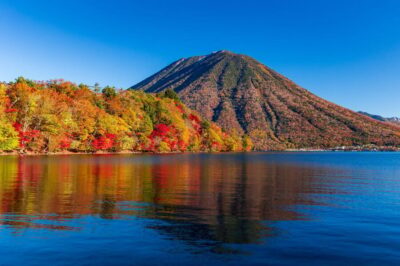
Nikko Toshogu Shrine and Kegon Waterfall Tour
Read our review →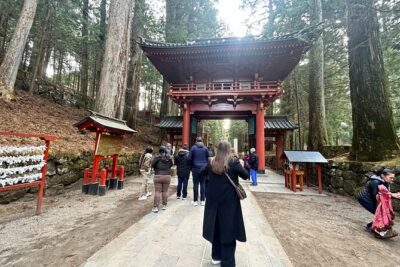
Nikko, Kegon Waterfall & Chuzenji Lake from Tokyo
Read our review →
Mount Fuji, Kamakura, Big Buddha, & Lake Ashi Day Trip
Read our review →
Mt. Fuji, Kamakura, Big Buddha, & Lake Ashi Day Trip
Read our review →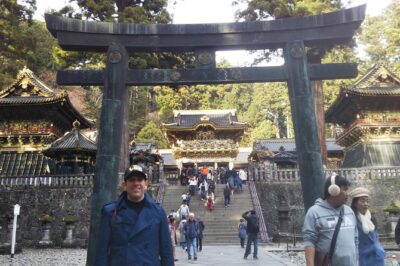
Nikko Full-Day Private Tour with Government-Licensed Guide
Read our review →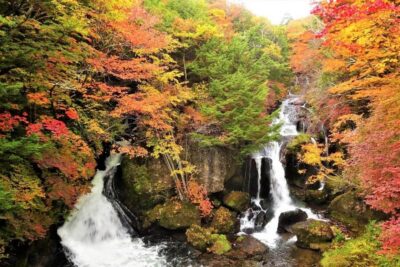
Browse the lists this tour appears in