REVIEW · MONKEY FOREST TEMPLE TOURS
Monkey Forest, Kanto Lampo, Waterfall, Temple & Rice Terrace
Ubud’s best-known sights come together in one busy day, from monkeys and temple courtyards to a cool waterfall, rice fields, holy springs, and Balinese coffee. The variety is the main appeal: you get nature, culture, and countryside without arranging several separate trips.
I like the hotel pickup from major resort areas and the chance to adjust time at each stop. I also like the friendly, flexible guiding, with guides such as Reval and Tarisa praised for helping with photos, answering questions, and keeping the pace relaxed. The drawback is that five major stops can make for a full day, and English ability may vary between guides.
Key points to know before booking
- Five very different Ubud sights: Monkey Forest, Kanto Lampo Waterfall, Tegalalang Rice Terrace, Tirta Empul, and a coffee plantation.
- Pickup from selected areas: Service is offered in Ubud, Kuta, Seminyak, Canggu, Nusa Dua, and Sanur.
- Flexible pacing: You can ask to spend more or less time at certain stops, depending on the day and your guide.
- Waterfall access matters: Kanto Lampo lets you get close to the falling water, so expect spray and possibly slippery footing.
- Coffee tasting is part of the appeal: You learn about coffee, tea, cocoa, and other plantation products, with tasting included according to the experience details.
- Good value at $23: Transport, hotel pickup and drop-off, bottled water, and entrance fees when the selected option includes them make this a strong budget choice.
Why this Ubud day works so well
This is not a slow village walk or a quiet temple visit. It is a sightseeing circuit built around Ubud’s most popular stops. You move from one attraction to the next, with each place offering a different view of Bali.
That variety makes the tour useful if you have limited time. Instead of figuring out transport to scattered sites, you can leave the driving to someone familiar with the roads and focus on the places themselves. Pickup and drop-off are available from selected hotels in Ubud, Kuta, Seminyak, Canggu, Nusa Dua, and Sanur.
The price is especially appealing. At $23 per person, the tour includes hotel transport and bottled water, while entrance fees are included if you choose the option that lists them. Lunch and personal expenses are extra, so you should keep money aside for a meal and any purchases at the plantation or other stops.
The schedule is full, but the experience is not meant to feel rigid. Guides such as Reval have been willing to change the order or adjust the plan, while other guides have allowed more time at the waterfall or for meals. That flexibility is valuable in Bali, where traffic and weather can affect the pace.
More Temple and Waterfall Tours in Indonesia
- Ubud: Waterfalls, Water Temple & Rice Terraces Private Tour
★ 5.0 · 5,484 reviews - Ubud Tour with Monkey Forest Waterfalls Temples and More
★ 5.0 · 495 reviews - Ubud Top Attractions: Waterfalls, Temples and Rice Terraces
★ 5.0 · 460 reviews
Monkey Forest, where nature and temple space meet
Your first major stop is the Ubud Monkey Forest, a wooded sanctuary in the cultural center of Ubud. Hundreds of long-tailed macaques move through the trees and around sacred temple buildings.
The setting is more than a place to watch monkeys. Towering trees, stone shrines, and temple structures give the forest a strong sense of place. You get a glimpse of how religious spaces and the natural world are closely linked in Bali.
Give yourself time to watch the animals rather than treating the stop as a quick photo break. The monkeys are active and entertaining, but they are still wild animals. Keep your belongings secure and follow local instructions around food and personal items.
This stop can be lively and crowded, especially compared with the quieter rural sites later in the day. Still, it is one of the clearest introductions to Ubud’s mix of nature and spirituality. If you are especially interested in Balinese culture, ask your guide about the temples and the role of the forest rather than focusing only on the macaques.
Kanto Lampo Waterfall and the pleasure of getting close
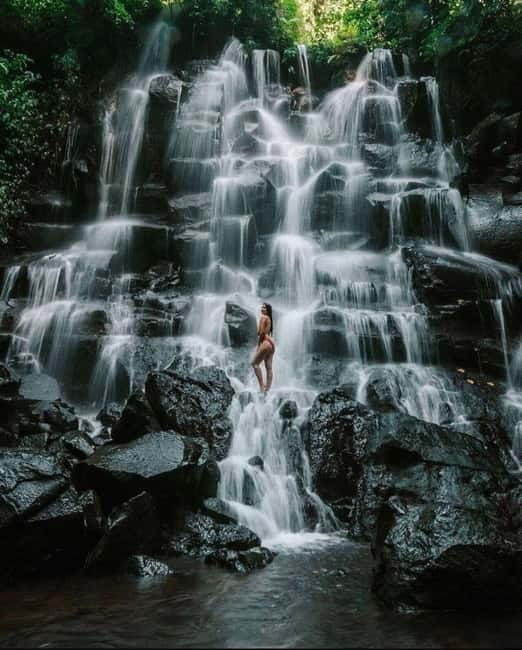
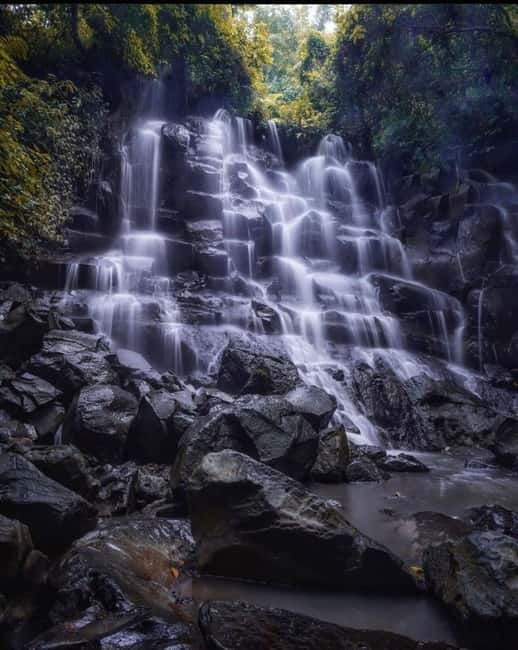
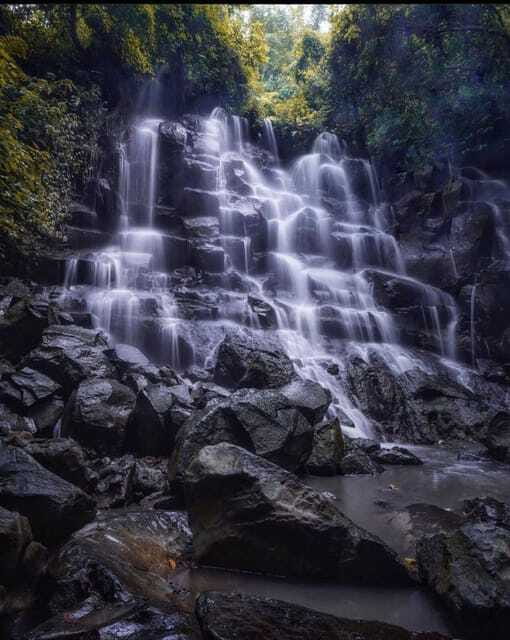
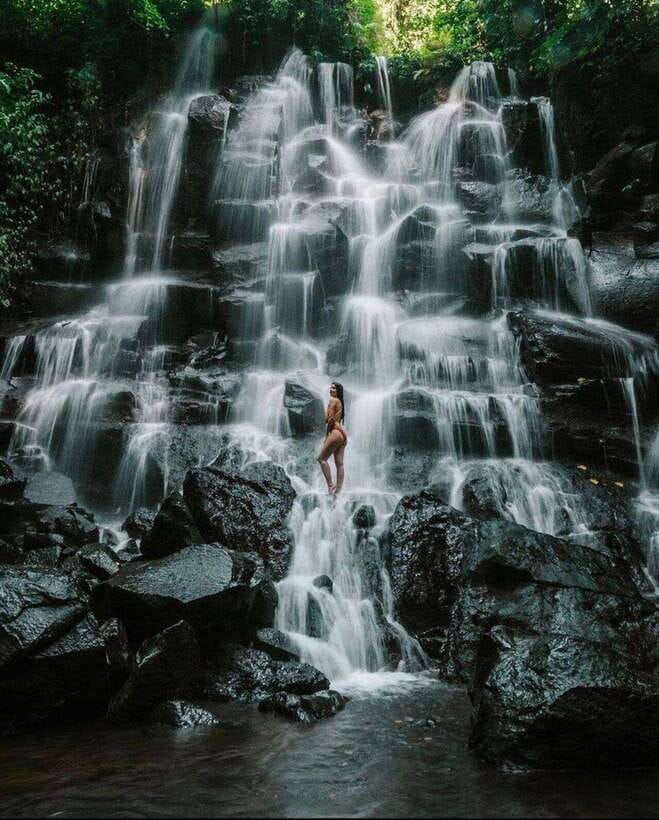
Kanto Lampo Waterfall is on the south side of Ubud and offers a more hands-on nature stop. Water drops over dark rock formations, and you can get close enough to feel the cool spray.
That closeness is what makes Kanto Lampo different from a viewpoint-only waterfall. You are not simply looking at water from far away. You may be able to stand near the flow, take photographs, and enjoy the sound and temperature of the place.
The trade-off is footing. Wet rock and spray mean you should wear shoes with a good grip and avoid carrying anything you would not want to get wet. The tour information does not promise swimming, so treat this as a waterfall visit rather than a guaranteed bathing stop.
A flexible guide makes a real difference here. Tarisa, for example, has been praised for giving people time at waterfall spots instead of hurrying them through a photo stop. That slower pace lets you notice the rock, water, and forest rather than rushing straight back to the vehicle.
If you are choosing between extra waterfall time and a longer stop elsewhere, tell your guide early. The schedule can be adjusted, but the exact amount of time at each place depends on road conditions and the choices made during the day.
Tegalalang Rice Terrace, Bali’s classic countryside view
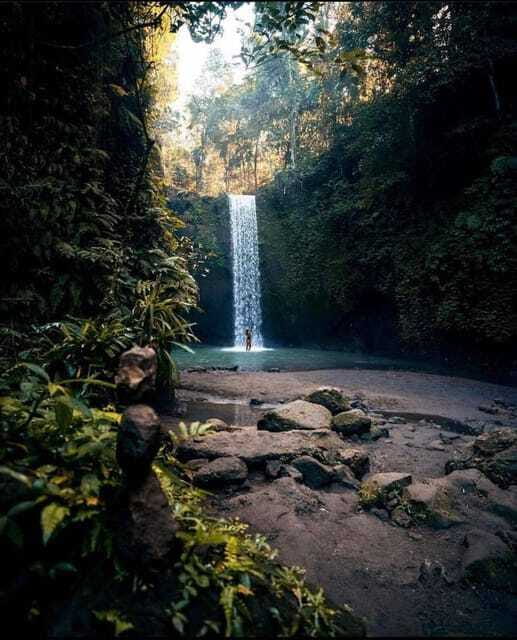
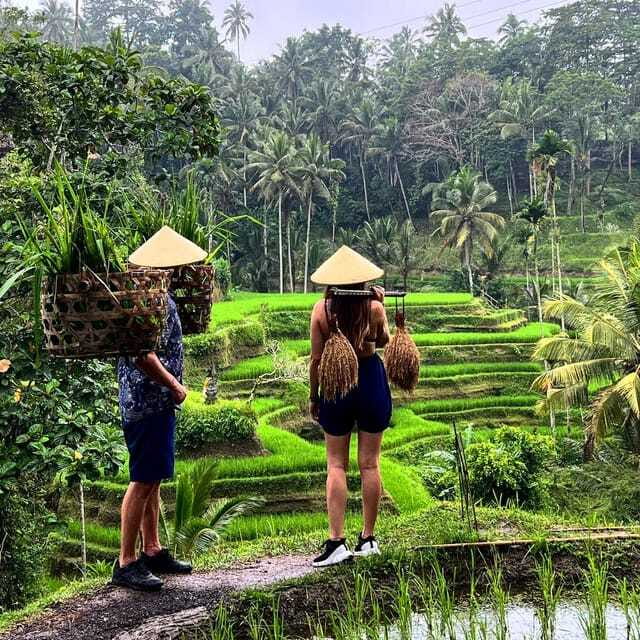
Tegalalang offers the familiar Bali scene of stepped rice fields, green palms, and cultivated hillsides. It is one of the clearest places on this route to see how farming shapes the countryside around Ubud.
The terraces are attractive because they are both scenic and practical. The layered fields follow the contours of the land, while coconut plants and narrow paths add the details that make the view feel unmistakably Balinese.
Do not expect a quiet, untouched farm setting. Tegalalang is a popular sight, and the experience is mainly about seeing the terraces and taking in the countryside rather than spending hours on an isolated rural trail. Your guide can help you decide how much time to devote to viewpoints and walking.
This is also a good place to ask about daily life in Bali. One weakness of a fast sightseeing day is that cultural explanations can be brief, particularly if your guide’s English is limited. If you want more than photographs, ask direct questions about rice farming, village life, and the terraces themselves.
More Temple and Waterfall Tours in Ubud
- From Bali: Saraswati Temple, Monkey Forest, Ubud Waterfalls
★ 4.9 · 263 reviews - Ubud Tour with Swing, Temple, Monkey Forest, and Waterfall
★ 5.0 · 224 reviews - Ubud: Monkey Forest, Temple, Rice Terraces, Hidden Waterfall
★ 4.9 · 185 reviews - Ubud: Rice Terraces, Water Temple, & Waterfalls Private Tour
★ 5.0 · 44 reviews
Tirta Empul and the meaning of holy spring water
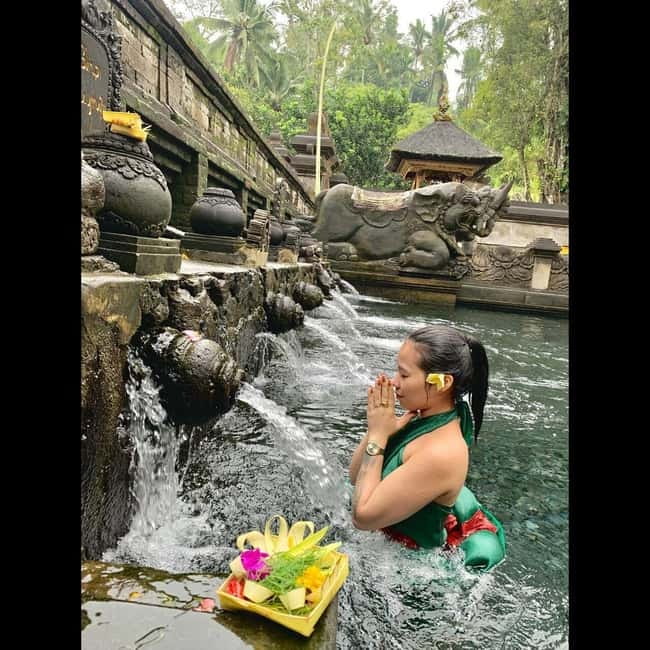
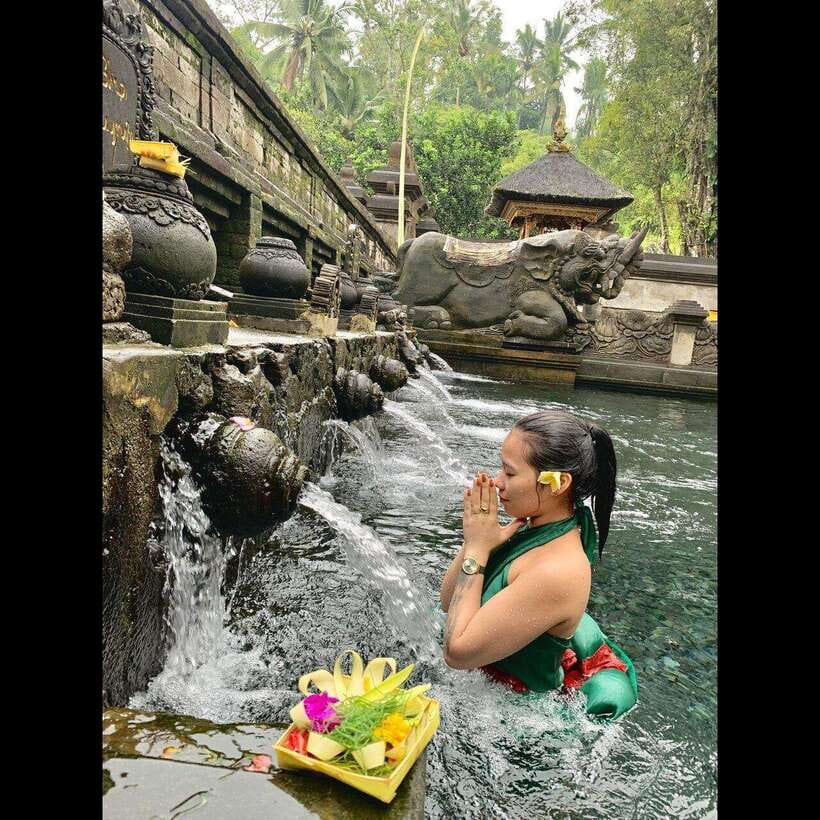
Tirta Empul Temple is in Manukaya village near Tampaksiring. It is a holy spring water temple used by Balinese Hindus for ritual purification.
This stop gives the day its strongest cultural focus. The spring pools and temple grounds are not simply scenic attractions. They remain part of religious practice, so you should behave respectfully and follow any instructions about where you may walk or what you may do.
The value of visiting with a guide is greatest here. A guide can explain the purpose of the spring water, the setting of the temple, and the difference between observing a ritual and taking part in one. The supplied details do not state that a purification experience is included, so do not assume you will participate in the ceremony.
Tirta Empul also adds balance to the day. Monkey Forest shows a sacred setting among trees, while Tegalalang shows working farmland. Here, you see a living place of worship connected to water and ritual.
If you want a more meaningful visit, put your phone away for part of the stop. Look at the temple details, watch how people move through the grounds, and give the place the same care you would give any active religious site.
Coffee plantation tasting and a look at local products
The plantation visit rounds out the day with a practical look at coffee and tea production. You can learn about different types of coffee and tea, and the experience also includes information about cocoa and other plantation products.
Coffee tasting is included in the activity according to the tour details, and the visit can be a welcome change of pace after several outdoor stops. You sit, taste, and hear how the products are grown and prepared.
This stop is partly educational and partly commercial. Plantation visits often include products for sale, so you should feel free to taste and learn without assuming you need to buy anything. Personal expenses are not included in the tour price.
I find this stop most useful when you treat it as a chance to understand an everyday part of Balinese agriculture, not just a shopping stop. Ask your guide to explain the differences between the coffees and teas, especially if you are unfamiliar with Indonesian coffee.
The visit also gives you a chance to slow down. After the forest, waterfall, rice terraces, and temple, a tasting session provides a calmer ending before the drive back to your hotel.
How flexible are the guides?
Flexibility is one of the strongest features of this experience. Reval has been praised for changing the schedule when requested and taking photographs without needing to be asked. Other guides, including Laden, bossreyy, and Tarisa, have been described as attentive, friendly, and careful with the day’s timing.
That does not mean every guide will offer the exact same style. English communication can vary. One reported weakness was difficulty understanding the guide and getting enough information about Balinese culture and daily life.
You can improve the experience by being clear about what matters to you. If you want photographs, cultural explanations, more time at the waterfall, or a relaxed meal, say so early. A good guide can adapt better when your priorities are known.
The guides also handle the driving. Ivan, one guide mentioned by name, was praised for driving in a calm and comfortable manner. That matters on a sightseeing day with several road sections, though no exact travel time or group size is provided.
What the $23 price really covers
At $23, this is a strong value for anyone who wants transport and several major Ubud-area sights in one package. Hotel pickup and drop-off remove the need to arrange a private car, and bottled water is included.
Entrance fees are included when the selected booking option includes them. Check that detail carefully before paying, since the price can vary by option. Lunch is not included, and you will also pay for personal purchases, so the headline price is not the complete cost of the day.
The value is best if you are staying outside central Ubud. Pickup from Kuta, Seminyak, Canggu, Nusa Dua, and Sanur makes it possible to see Ubud-area attractions without booking separate transport. The farther your hotel is from the sights, the more useful the included driving becomes.
For someone already staying in Ubud with easy access to a private driver, the financial advantage may be smaller. In that case, compare the tour’s fixed route with the freedom of arranging your own day. The tour wins on convenience and structure, while a private car may offer more control over stops.
Who should book this experience?
I would choose this tour if you want a broad first look at Ubud and nearby countryside. It suits couples, friends, and solo visitors who prefer having transport arranged and want several famous sights in a single outing.
It is also a good choice for budget-conscious visitors. The combination of hotel pickup, entrance fees on the appropriate option, water, and a guide is hard to match at $23.
Families should consider the walking and wet areas carefully. Kanto Lampo can involve slippery footing, and the Monkey Forest requires attention around macaques. The experience is not suitable for people over 95 years old, according to the booking information.
You may want something else if you prefer a quiet, slow cultural day. Five stops create variety, but they also create movement. And if detailed cultural interpretation is your top priority, confirm that your guide can communicate comfortably in English.
English and Indonesian are the available languages. If you need another language, this activity may not be the right fit.
Should you book the Ubud highlights tour?
Book it if you want maximum variety for a low price and like the convenience of hotel pickup. The Monkey Forest, Kanto Lampo, Tegalalang, Tirta Empul, and coffee plantation each show a different side of Bali, and the flexible guides can help shape the day.
Skip it if you want a slow temple visit, a dedicated waterfall day, or a highly detailed cultural tour. The route covers a lot, and guide communication may not always be equally strong.
For most first-time visitors with limited time, I see this as a sensible introduction to Ubud. Wear shoes that can handle wet ground, bring patience for the roads, and tell your guide what you want from the day. At $23, the mix of scenery, culture, transport, and tasting offers very good value.
FAQ
Where does the tour take place?
The tour visits attractions in and around Ubud, Bali, including Monkey Forest, Kanto Lampo Waterfall, Tegalalang Rice Terrace, Tirta Empul Temple, and a coffee plantation.
Is hotel pickup included?
Yes. Hotel pickup and drop-off are offered from selected locations in Ubud, Kuta, Seminyak, Canggu, Nusa Dua, and Sanur.
Are entrance fees included?
All entrance fees are included if you select the booking option that includes them. Check the selected option before booking.
Is lunch included?
No. Lunch is not included in the tour price.
Is bottled water provided?
Yes. Bottled water is included.
What languages are available?
The available languages are English and Indonesian.
Is coffee tasting included?
Coffee and tea tasting are included at the plantation visit. You can also learn about cocoa and other plantation products.
Can I cancel the booking?
You can cancel up to 24 hours in advance for a full refund. The activity also offers a reserve-now, pay-later option.
More Rice Terrace and Temple Tours in Ubud
- Full-Day Tour to Water Temples and UNESCO Rice Terraces in Bali
★ 5.0 · 2,539 reviews - Private Full-Day Tour: Balinese Temples and Rice Terraces
★ 5.0 · 246 reviews - Bali: Rice terrace, Waterfall, and water Temple Day Tour
★ 5.0 · 10 reviews - Bali: Taman Ayun, Jatiluwih, Ulun Danu, and Monkey Forest
★ 4.8 · 8 reviews
More Monkey Forest Temple Tours in Ubud
- Ubud: Monkey Forest, Jungle Swing, Rice Terrace, and Water Temple
★ 5.0 · 7,160 reviews - Gorilla Cave ATV Bali Ubud, Monkey Forest, Temple, and Lunch
★ 5.0 · 295 reviews - BALI :Sanctuary Monkey forest, rice terrace Water temple
★ 4.9 · 14 reviews - Best Watefalls, Monkey Forest, Temple and Rice terrace
★ 5.0 · 11 reviews
Just added around Ubud
- Puppy Yoga in Bali, Ubud & Uluwatu★ 4.7 · 93 reviews
- Best Watefalls, Monkey Forest, Temple and Rice terrace★ 5.0 · 11 reviews
- Bali ubud : monkey forest, waterfall , temple★ 3.4 · 8 reviews
- Bali: Taman Ayun, Jatiluwih, Ulun Danu, and Monkey Forest★ 4.8 · 8 reviews
- BALI :Sanctuary Monkey forest, rice terrace Water temple★ 4.9 · 14 reviews
- Bali: Rice terrace, Waterfall, and water Temple Day Tour★ 5.0 · 10 reviews
- Bali: Gunung Kawi Temple & Pakerisan UNESCO Guided Tour★ 4.7 · 10 reviews
- Ubud: Rice Terraces, Water Temple, & Waterfalls Private Tour★ 5.0 · 44 reviews
Monkey Forest Temple Tours, compared.
Monkey Forest, Jungle Swing, Rice Terrace, and Water Temple
Read our review →
Lopburi Monkey Temple & Ayutthaya Old City Tour From Bangkok
Read our review →Monkey Forest, Water Temple, Rice Terrace, Waterfall
Read our review →
Ubud Tour with Monkey Forest Waterfalls Temples and More
Read our review →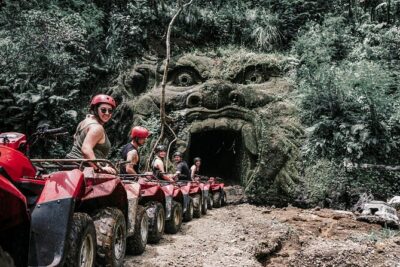
Gorilla Cave ATV Bali Ubud, Monkey Forest, Temple, and Lunch
Read our review →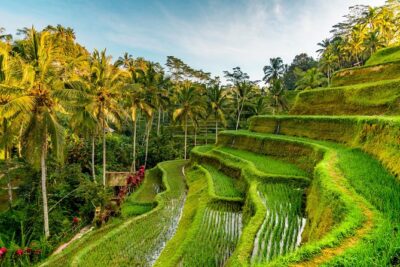
Tanah Lot Tour with Ubud Monkey Forest, Rice Terraces, and Waterfalls
Read our review →
Saraswati Temple, Monkey Forest, Ubud Waterfalls
Read our review →