
REVIEW · ANGKOR WAT TOURS
Siem Reap: Angkor Wat Tour Explore The Most Iconic Temples
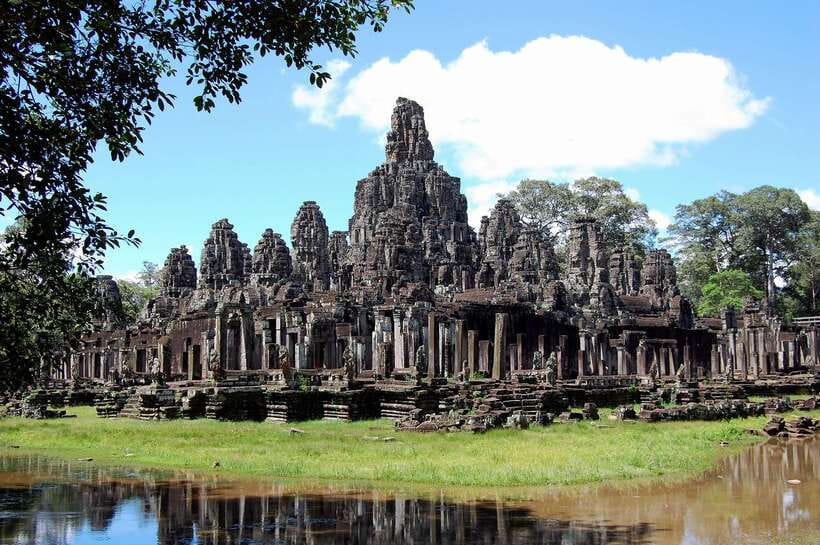
Angkor Wat at sunrise is the headline, but the day works because it keeps moving through very different kinds of Khmer architecture. You’ll see the grand galleries of Angkor Wat, the tree-covered ruins of Ta Prohm, and Bayon’s famous stone faces, all with private transport waiting outside.
I like the small private setup, which makes hotel pickup and temple-hopping easy, and I like the practical touches: cold water, jasmine-scented cool towels, and drivers such as Ray, Chamrong, Lay, and Soka who have been praised for being reliable and helpful. The drawback is simple: the $24 price covers transport for up to two people, but your Angkor Pass and meals are extra.
Key points at a glance
- Sunrise at Angkor Wat: Enter through the quieter western side and watch the towers reflect in the moat before the main crowds arrive.
- Five distinct temple stops: Move from the polished grandeur of Angkor Wat to the quiet corridors of Banteay Kdei and the unfinished stonework of Ta Keo.
- Ta Prohm’s giant roots: See the famous jungle temple, where enormous trees grow over walls and chambers.
- Bayon’s stone faces: Look for the serene faces on more than 200 carved figures spread across 54 towers.
- Private transport for up to two people: Your driver collects you at your hotel and waits while you explore each temple.
- Plan for the extra costs: The temple pass is not included, and meals are also your responsibility.
Why this eight-hour temple day works
The Angkor Archaeological Park is too spread out for a casual walk between temples. This tour gives you a private ride for the full day, with pickup and drop-off at your hotel or accommodation in Siem Reap.
For $24 per group of up to two, the value is strongest if you are a couple or two friends. Split between two people, the transport cost is modest. You still need to buy your own Angkor Temple Pass, so do not treat the advertised price as the full cost of the day.
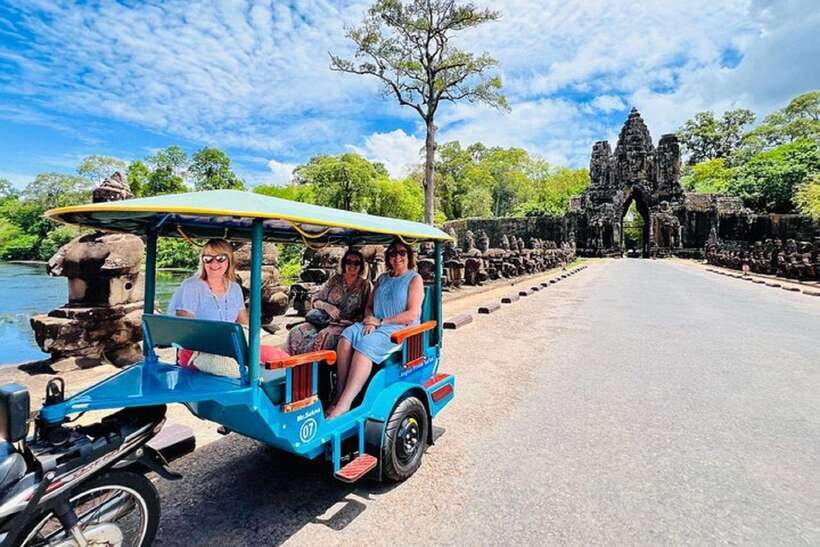
The transport may be a tuk-tuk, based on several guest experiences, or another private vehicle. A tuk-tuk gives you open air and a pleasant breeze, which matters on a hot day. It also leaves you exposed to the weather, so sunscreen and sunglasses are sensible. The driver speaks English, and the strongest part of the service is practical help: meeting you at the agreed point, waiting outside each temple, giving directions, and keeping cold water and towels available.
This is not a slow, specialist archaeology tour. The information you receive can depend on the driver assigned to you. Some drivers, including Chamrong, Lay, and Soka, have been praised for explaining the temples and helping with local advice. The basic service is private transportation with an English-speaking driver, so if detailed historical interpretation is your top priority, confirm what guiding is included before you book.
More Angkor Wat Tours in Siem Reap:
- Angkor Wat Sunrise or Sunset Tour with Guide from Siem Reap
★ 5.0 · 12,109 reviews - Siem Reap: Angkor Wat: Small-Group Sunrise or Sunset Tour
★ 5.0 · 9,444 reviews - Siem Reap: Angkor Wat 2-Day Tour with Sunrise and Sunset
★ 4.9 · 4,429 reviews
Sunrise at Angkor Wat, the day’s big opening
If you choose the sunrise option, pickup comes early from your Siem Reap hotel. You travel to the Angkor Archaeological Park, buy your temple pass at your own expense, and enter through the western entrance.
That western approach is described as less visited, which can make the first arrival feel calmer. You’ll reach the moat and watch the temple towers take shape in the early light. The classic view is across the water, with the dark towers reflected in the moat as the sky brightens.
Arrive prepared for a pause rather than a quick photo. Sunrise is the visual reward, but the light changes fast. Keep your phone or camera ready, then take a moment to look away from the screen. The temple is enormous, and its scale is hard to grasp through a single photograph.
The early start is also the main price you pay for the sunrise option. You will have a long day ahead, and the heat can build as the morning goes on. Comfortable shoes, water, sunscreen, and a shoulder-and-knee covering are essential.
Angkor Wat’s galleries and sacred center
After sunrise, you go inside Angkor Wat. Built first as a Hindu temple dedicated to Vishnu, it later became a Buddhist site. That change is part of what makes the monument especially interesting: you are looking at a place that has served different religious traditions over time.
The temple’s appeal is not only its famous outline. Inside, you’ll find long galleries, intricate carvings, and bas-reliefs showing scenes from Hindu mythology. The scale can make the visit feel almost like a series of connected journeys rather than one building.
Give yourself time to notice the smaller details. Look along the walls, through the galleries, and toward the central sanctuary. The central area is the symbolic heart of the temple, but reaching it and moving around the complex involves uneven ground and plenty of walking.
Angkor Wat is the most famous stop, so it can also be the busiest. The private transport helps by taking care of the road connections, but it cannot remove the crowds at the monument itself. Go early, follow temple clothing rules, and expect stairs and worn stone surfaces.
Banteay Kdei, a quieter change of pace
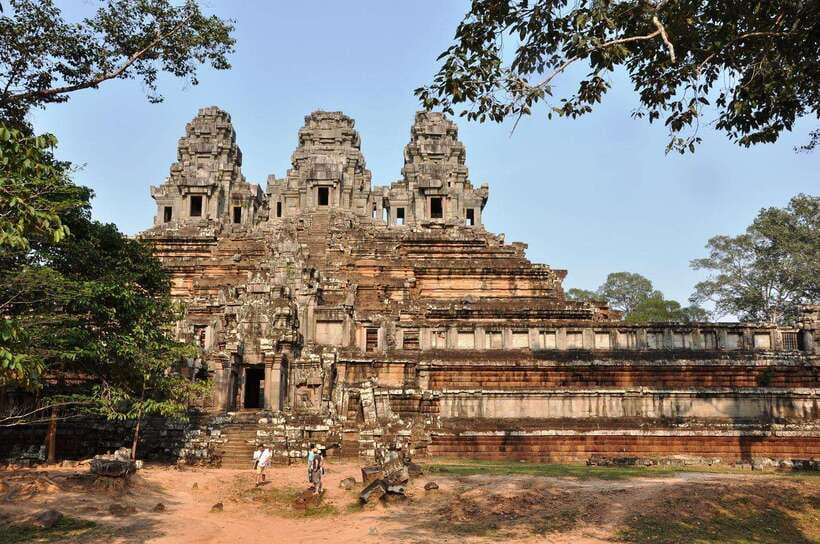
Banteay Kdei means Citadel of Chambers. Built in the late 12th century as a Buddhist monastery, it has a more subdued feel than Angkor Wat.
This is one of my favorite parts of the route on paper because it gives you breathing room after the grand opening. The partially ruined structure, corridors, and distinctive carvings create a quieter atmosphere. You can focus on doorways, stone details, and the way the chambers connect without the same sense of scale found at Angkor Wat.
The tradeoff is that Banteay Kdei is less complete. If you want a polished monument with broad, dramatic views, this stop may feel modest. If you like worn stone, shadowed passageways, and a temple that feels less formal, it is a worthwhile inclusion.
Your driver should wait outside while you explore. That arrangement lets you walk at your own pace without worrying about finding public transport afterward.
A few more temple visits around Siem Reap worth a look
- Siem Reap: Full-Day Angkor Wat Guided Tour with Sunset
★ 4.9 · 3,803 reviews - Angkor Wat Sunrise tour with Small – Group and Guide tours
★ 5.0 · 3,655 reviews - Angkor Wat Highlights and Sunrise Guided Tour from Siem Reap
★ 5.0 · 3,213 reviews - Angkor Wat Sunset Small Group Tour with Lunch Included
★ 5.0 · 3,059 reviews
Ta Prohm and the trees over the ruins
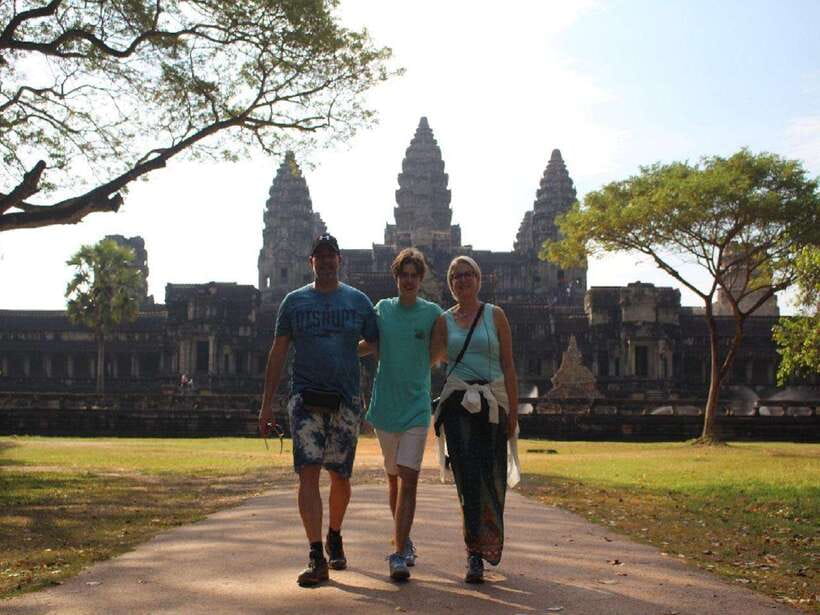
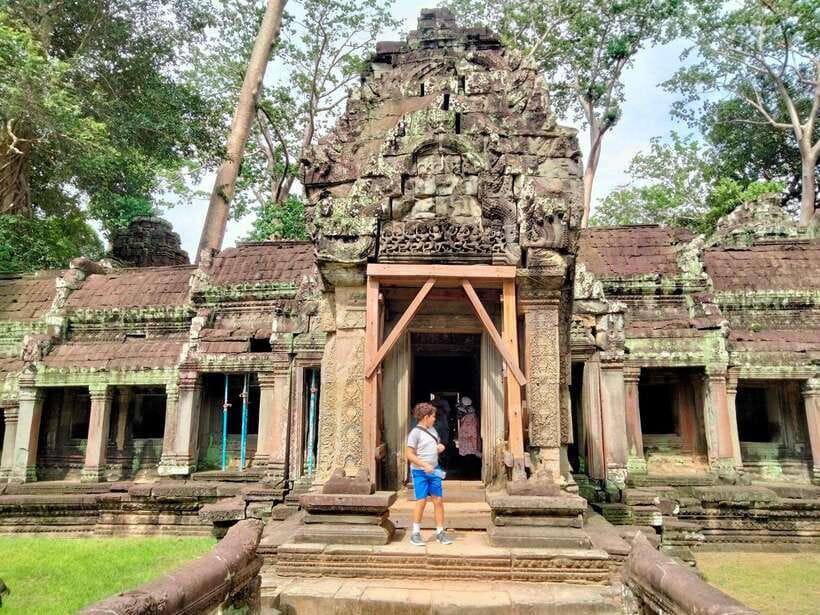
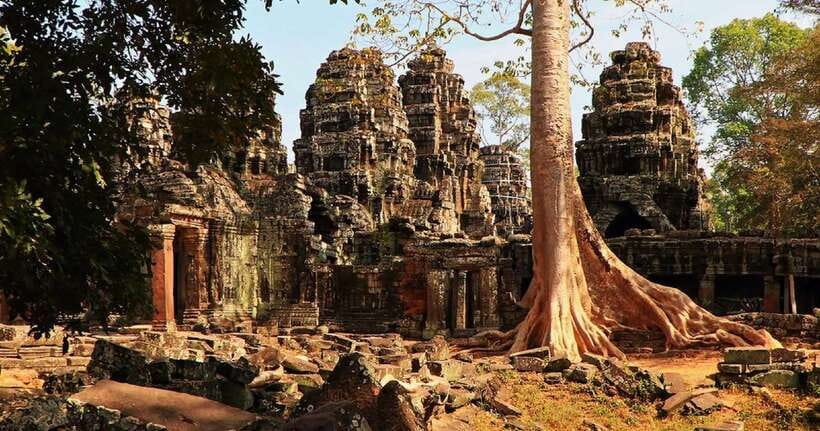
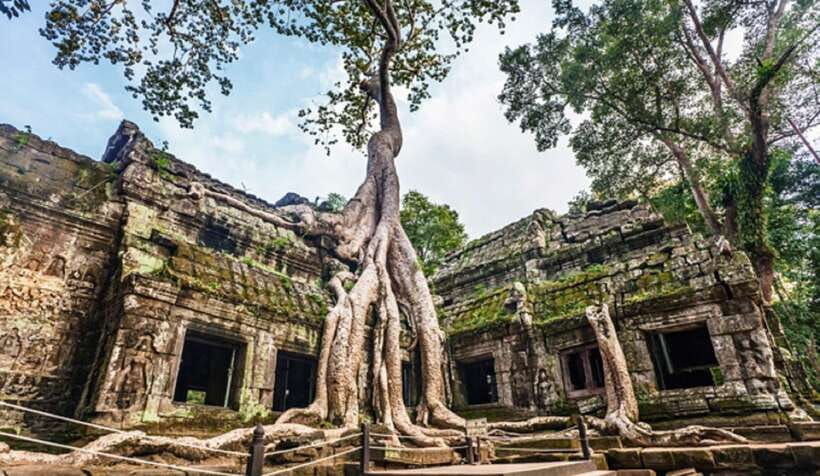
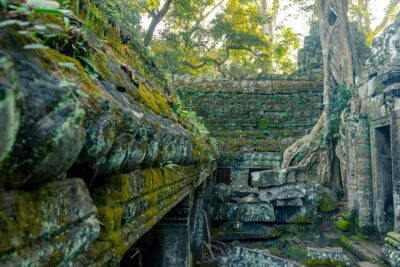
Ta Prohm is the stop most people picture when they imagine Angkor being reclaimed by the jungle. Large tree roots push over walls and wrap around stone chambers, creating some of the most memorable views in the park.
The temple was built in the 12th century and has been left largely unrestored. That does not mean it is untouched or free of visitors, but the damaged walls and roots give it a rougher character than Angkor Wat. The setting became famous through the film Tomb Raider, and you’ll likely recognize several views.
Ta Prohm is excellent for photographs, though it can be difficult to enjoy the best spots when many people are waiting for the same picture. Take time to look beyond the largest roots. The smaller corridors, carved stones, and collapsed sections show how complex the temple once was.
The ground here can be uneven, and the trees do not make every path easy. Wear shoes with a secure sole, and listen to your driver’s warnings about tricky sections. One driver also advised guests to watch for monkeys, so keep food and loose items secure and give animals space.
Ta Keo, a temple left unfinished
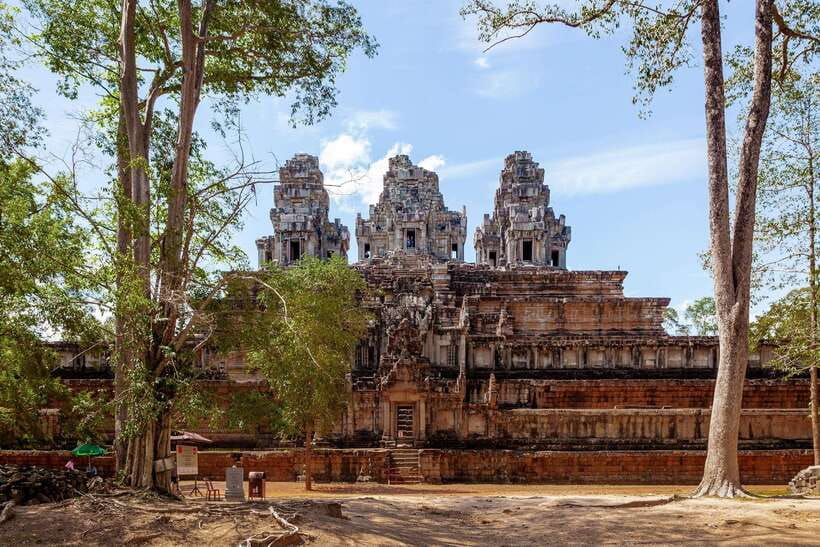
Ta Keo offers a useful contrast to the more decorated temples. Built during the late 10th to early 11th century under King Jayavarman V and later rulers, it was never fully completed.
That unfinished state is the point of the visit. You can see the strong, plain blocks of stone without the full layer of carvings found elsewhere. It is a good reminder that Angkor was not created in one smooth burst. Large building projects could change, stop, or remain incomplete.
Ta Keo is also a more physical stop. The temple’s elevated form and stone steps require care, especially in heat. I would not rush this visit. Take your time on the approach, use the handholds where available, and do not climb anything outside the permitted route.
If you prefer detailed carvings at every turn, Ta Keo may be less exciting than Angkor Wat or Bayon. If you enjoy seeing how a monumental temple was built, it adds useful variety to the day.
Bayon’s smiling faces in Angkor Thom
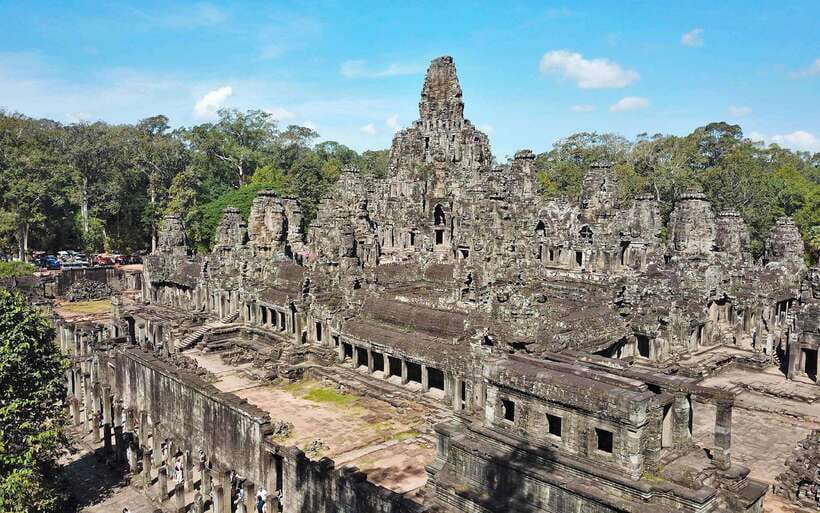
Bayon sits at the center of Angkor Thom and is known for its towers topped with giant stone faces. More than 200 faces appear across 54 towers, with calm expressions that seem to follow you as you move through the temple.
The faces are the obvious attraction, but the lower galleries deserve attention too. Their carvings show scenes of daily life and historical battles, giving you glimpses of ordinary activity as well as royal power.
Bayon can feel confusing at first. Towers, narrow passages, and levels overlap in a way that makes the temple hard to read from the ground. This is where a driver or guide who gives clear directions can make the visit easier. Drivers such as Chamrong have been praised for waiting outside and explaining what to look for, but the level of commentary can vary.
Look up often. The faces are not always visible from the first courtyard, and their angles change as you walk through the inner sections. The temple is crowded at popular viewing points, so patience helps.
The South Gate and its line of gods and demons
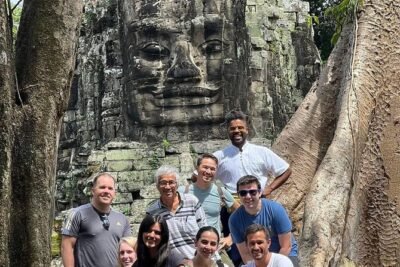
The final listed stop is Tonle Om Gate, also called the South Gate of Angkor Thom. The approach crosses a causeway lined with statues of gods and demons, creating a dramatic entrance into the ancient city.
The gate itself carries four large stone faces, similar to those at Bayon. It is a quick but worthwhile stop for photographs, especially if you want a wider view of the entrance rather than another close look at temple corridors.
This is also a good place to remember that Angkor Thom was more than a collection of isolated temples. The gates, causeways, and central monuments formed part of a planned city. Even a short stop at the South Gate helps connect the separate visits into one larger picture.
Afterward, your driver takes you back to your hotel or accommodation. The tour lasts up to eight hours, so expect to feel tired by the end. That is normal. You are covering several major monuments on foot in a hot climate.
What the $24 price really covers
The price is $24 per private group of up to two people. It includes hotel pickup and drop-off, round-trip private transportation, unlimited bottled water, and a cool towel.
For two people, this is a practical way to arrange transport around Angkor. You avoid negotiating a separate ride at every temple, and you have someone waiting while you explore. The water and towels are small details, but they are genuinely useful after walking through hot stone courtyards.
The Angkor Temple Pass is not included. Meals are not included either, so carry cash and plan for food separately. The supplied information does not specify the pass price, so check the current admission cost before setting your total budget.
The tour has a flexible booking policy: you can cancel up to 24 hours ahead for a full refund, and reserve now while paying later. Pickup is usually about five minutes before departure, with a message sent the day before. Even so, I would keep your phone available and watch for that confirmation, especially for an early sunrise pickup.
Clothing, walking, and comfort
Angkor’s temples are active religious sites, not just photo locations. You need clothing that covers your shoulders and knees. Pack a light cover-up if your sightseeing clothes are too short or open.
You should also bring:
- Sunglasses
- Sunscreen
- Cash
- Comfortable walking shoes
Alcohol and drugs are not allowed, and pets are not permitted. The route is not wheelchair accessible because the temple grounds are uneven. It is also not suitable for babies under one year or people over 95.
The tour suits adults and older children who can manage a full day of walking, steps, heat, and early rising. It is less suitable if you need smooth paths, long rest periods, or a fully guided academic presentation.
Who should book this private temple tour?
I would choose this tour if you want the main Angkor sights in one well-organized day and value having a driver dedicated to your small group. It is especially useful for two people splitting the $24 transport cost.
You should also book it if you like flexibility. Drivers such as Ray have been praised for finding guests at the correct meeting point, while others have offered help with directions, local stops, and temple safety. Cold water and scented towels are thoughtful additions in Cambodia’s heat.
I would think twice if you want a specialist guide at every stop, a quiet experience at the most famous temples, or a slower schedule with long meals between visits. The route is full, and eight hours can pass quickly.
Should you book it?
Book this tour if your priority is seeing Angkor Wat, Ta Prohm, Bayon, and several less famous temples without arranging transport yourself. The private format, hotel pickup, waiting driver, water, and towels make the $24 group price good value for two people, as long as you budget separately for the temple pass and meals.
Choose the sunrise option if Angkor Wat at first light is high on your list. Choose another arrangement if your main goal is detailed historical instruction or an easy-access route. For a practical first day at Angkor, this is a sensible and well-paced choice.
FAQ
Is the Angkor Temple Pass included?
No. You must purchase the Angkor Temple Pass separately, and the pass cost is not included in the tour price.
How long does the tour last?
The tour is valid for eight hours.
Does the tour include hotel pickup and drop-off?
Yes. Private pickup and drop-off at your hotel or accommodation are included.
Is transportation private?
Yes. The tour includes private round-trip transportation for your group. Private groups are available, with the price covering up to two people.
Is sunrise at Angkor Wat included?
Sunrise is available as an option. With the sunrise start, you are picked up early, enter through the western entrance, and begin at Angkor Wat.
Are meals included?
No. Meals are not included in the tour price.
Is the tour wheelchair accessible?
No. The temple grounds have uneven terrain, so the tour is not wheelchair accessible.
Just added around Siem Reap
- Ticket for Angkor Balloon Ride.★ 3.7 · 46 reviews
- Sunrise at Angkor Wat Temple: 3-Hour Private Tour★ 4.7 · 30 reviews
- Small-Group Full Day Angkor wat Guide tour with Sun set★ 5.0 · 136 reviews
- Siem Reap: Private 4-Day Angkor Wat and Phnom Kulen Tour★ 5.0 · 9 reviews
- Angkor Wat: Sunrise 2.5 Days Temples & Tonle Sap-Small Group★ 5.0 · 10 reviews
- Siem Reap : Private Tuk-Tuk Tour of the Magnificent Temples.★ 4.9 · 14 reviews
- Siem Reap: Ultimate Angkor Wat Offbeat Experience by Jeep★ 4.9 · 8 reviews
- Siem Reap: Personalized Angkor Wat Sunrise/Set by TukTuk/Car★ 4.9 · 41 reviews
Angkor Wat Tours, compared.
Angkor Wat Sunrise or Sunset Tour with Guide from Siem Reap
Read our review →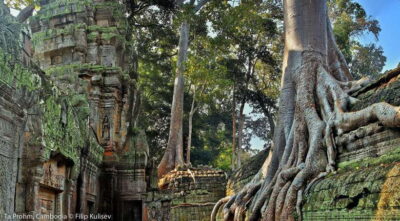
Angkor Wat: Small-Group Sunrise or Sunset Tour
Read our review →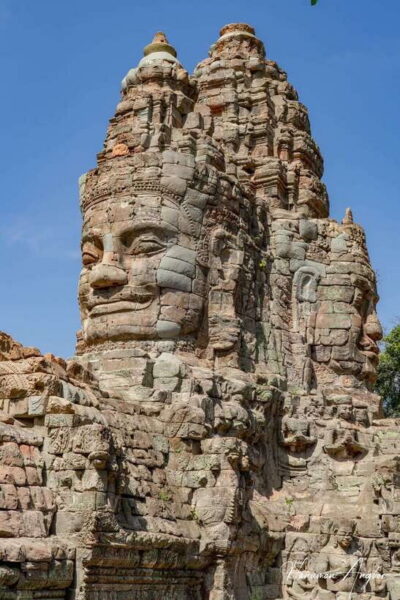
Angkor Wat 2-Day Tour with Sunrise and Sunset
Read our review →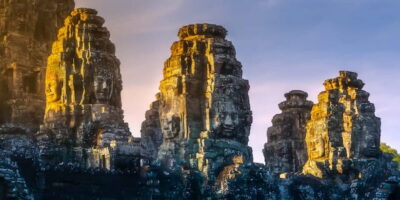
Angkor Wat Sunrise tour with Small – Group and Guide tours
Read our review →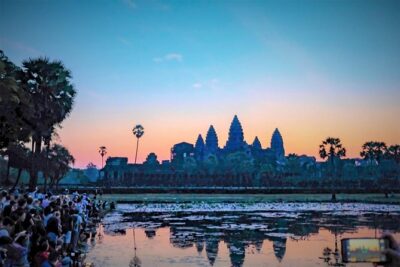
Angkor Wat Highlights and Sunrise Guided Tour from Siem Reap
Read our review →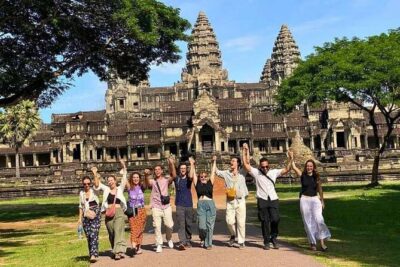
Angkor Wat Sunset Small Group Tour with Lunch Included
Read our review →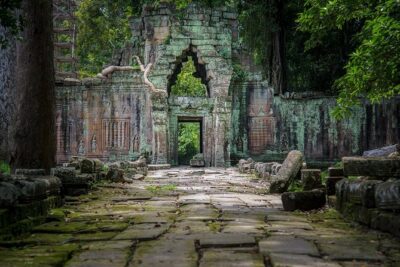
Full-Day Angkor Wat Sunrise Private Tour with Guide from Siem Reap
Read our review →Browse the lists this tour appears in