
REVIEW · ANGKOR WAT TOURS
Angkor Silk Farm & Lotus Silk Farm: Siem Reap Discovery Tour
Cambodia’s textile story makes a sharp turn on this half-day outing. At Angkor Silk Farm, you follow the old route from mulberry leaves to silkworm cocoons and hand-woven cloth. At Samatoa Lotus Silk Farm, artisans pull fine fibers from lotus stems, a slow process that puts sustainability and local women’s work at the center. I like the clear contrast between old and new. I also like the chance to see actual production rather than only finished souvenirs.
The main consideration is the ride between the farms. It can feel long and hot, especially on a tuk tuk departure, with little to see after the first stretch. Still, the guides at both farms are praised for their clear explanations, and the four-hour schedule gives you a useful look at Cambodian craft without taking a full day away from Siem Reap.
Key points at a glance
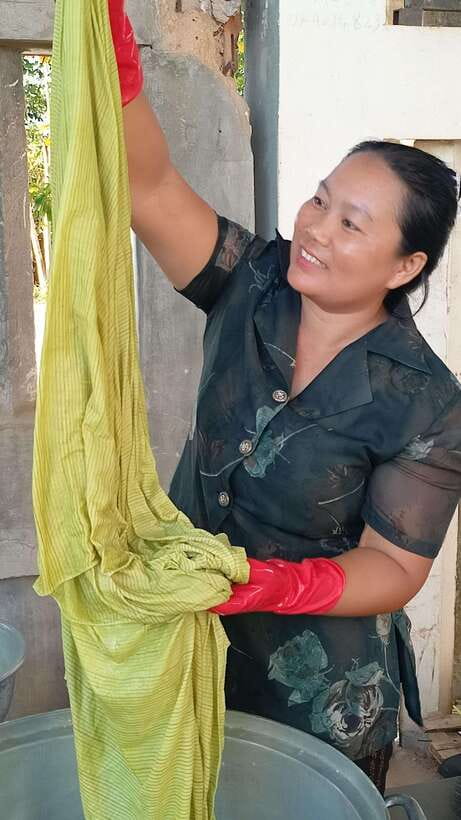
- Two very different textile farms: See traditional silk production at Angkor Silk Farm, then lotus fiber work at Samatoa.
- Watch the full process: Learn about silkworm life stages, cocoon preparation, fiber extraction, and weaving on wooden looms.
- A good social-enterprise visit: Your tour and purchases help support local women and handmade textile production.
- Lotus tea and biscuits included: The refreshment break takes place in the garden at Samatoa Lotus Silk Farm.
- Plan for transport time: The road between the farms is part of the four-hour schedule and may feel warm or slow.
- Budget for the boutiques: Handmade goods are not included, and optional craft activities may cost extra.
Why this textile tour is worth your morning
At $25 per person, this is a good-value cultural outing if you want more than temple visits. You receive transport between two sites, guided demonstrations, bilingual support, and a refreshment stop. You also get access to two working social enterprises, not just a museum display.
The value is strongest for anyone curious about how objects are made. Silk and lotus cloth can look simple in a shop, but the tour shows the labor behind every thread. You see why handmade fabric costs more than factory-made cloth, and you gain a better basis for deciding what to buy.
This is not a hands-on workshop by default. You watch the main demonstrations, and any silk weaving workshop, private demonstration, photo session, or additional craft activity is outside the package. Some departures may offer optional activities at an extra cost, such as making a lotus seed bracelet or trying to form silk strands. Ask about those when you arrive if you want to do more than observe.
More Angkor Wat Tours in Siem Reap:
- Angkor Wat Sunrise or Sunset Tour with Guide from Siem Reap
★ 5.0 · 12,109 reviews - Siem Reap: Angkor Wat: Small-Group Sunrise or Sunset Tour
★ 5.0 · 9,444 reviews - Siem Reap: Angkor Wat 2-Day Tour with Sunrise and Sunset
★ 4.9 · 4,429 reviews
Starting at Biolab Café in downtown Siem Reap
Your meeting point is Biolab Café, a garden café in central Siem Reap. It has air conditioning, seating, restrooms, drinks, and WiFi, so arriving early is easy rather than awkward. Look for the lotus-colored flag marked PICKUP, Lotus Silk Farm, and find the grey vehicle outside.
Morning departures are listed at 8:30 and 10:00. Arrive about 10 minutes early. Hotel pickup is not included, so you need to reach the café yourself. That is a small inconvenience, but the central meeting point keeps the price down and avoids a long chain of hotel pickups.
The tour may be shared with other people. Transport is described as a private car, though some departure arrangements have used a tuk tuk. If air conditioning matters to you, confirm the vehicle when booking, especially during Cambodia’s hotter months.
Angkor Silk Farm: from mulberry leaves to woven cloth
The first farm gives you the traditional side of the story. The guided visit lasts about 45 minutes, followed by 15 minutes in the boutique. That hour is enough to explain the process without turning the stop into a technical lecture.
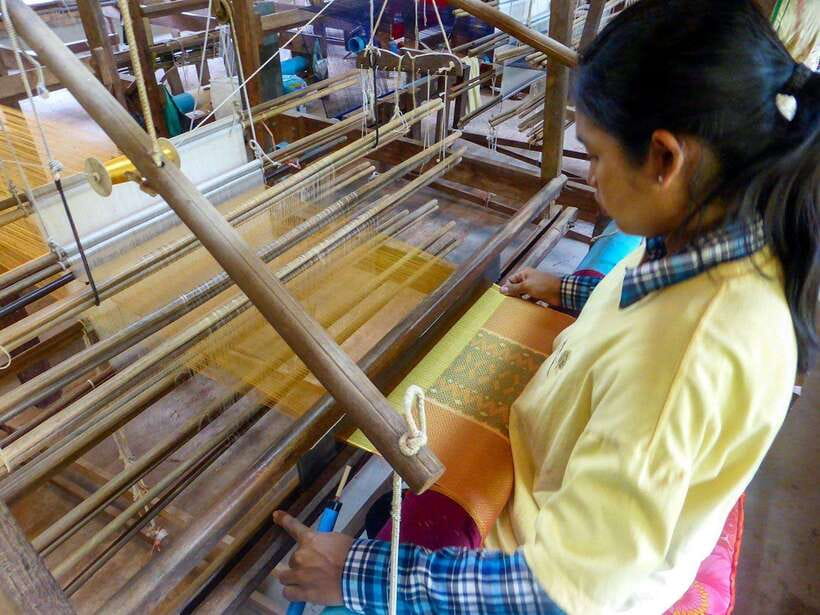
You begin with the basic cycle of silk production. Mulberry plants provide food for the silkworms, which pass through several life stages before producing cocoons. The guide explains how the cocoons become thread, and you can see the work done by hand rather than imagining it from a shop label.
The silkworm presentation is one of the most useful parts for families and anyone interested in natural materials. You get to see the insects at different stages, which makes the production chain easy to understand. The visit also gives you a clearer sense of how much care goes into producing even a small amount of usable silk.
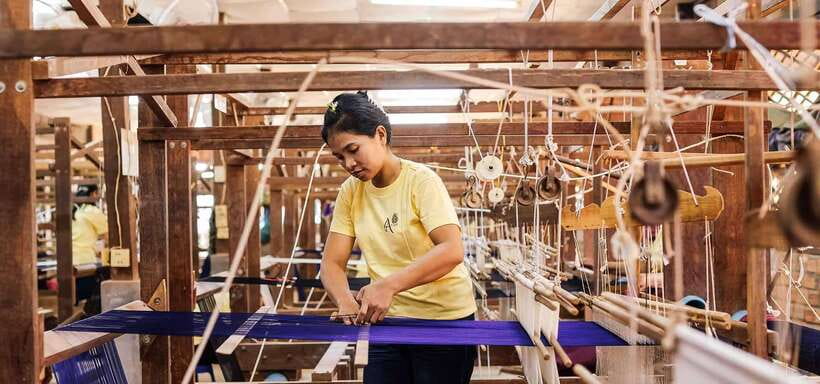
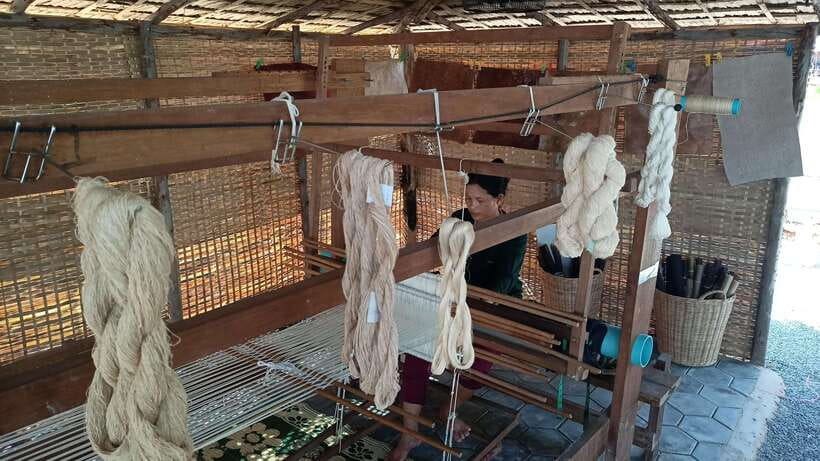
The weaving demonstration shifts the focus from farming to design. Skilled workers use traditional wooden looms to create patterned cloth. Watch the hands, the shuttle, and the steady rhythm of the loom. It is quiet, repetitive work, and that is exactly the point. Cambodian textile traditions depend on skills learned through practice, not on a quick machine-made shortcut.
The farm boutique follows the demonstration. You can browse silk items and other handmade goods, but purchases are your responsibility. Bring cash, with US dollars accepted, if you think you may buy something. I would look closely at the weave, color, and finish, then remember that the price reflects hand production and supports the people making the goods.
The countryside drive between the farms
The road from Angkor Silk Farm to Samatoa Lotus Silk Farm gives you a look at rural Siem Reap beyond the central tourist area. The drive is scenic in places, but it is also the least reliable part of the experience in terms of comfort and interest.
One detailed account describes the ride as too long and too hot, particularly after the first 10 minutes. Another notes that the driver took good care of the group during a lengthy tuk tuk journey. These details matter because the farms are different enough to justify the transfer, but the road itself is not an attraction with planned stops.
Bring water, a hat, and light clothing. The tour includes only transport and the lotus tea and biscuits later in the visit. Food and extra drinks are not included. If you have limited time or dislike warm open-air transport, ask for the expected vehicle before you commit.
More Farm Visits in Siem Reap:
- Half Day Trip: Silk Farm, Satcha, and Senteur d’Angkor Tour
★ 4.7 · 10 reviews - Half-Day: Silk Farm, Senteur Angkor, and Satcha Workshop
★ 4.6 · 7 reviews - From Chiang Mai: Temples, Sticky Waterfall, and Orchid Farm
★ 4.8 · 52 reviews - Bio Farm Private Olive Oil Tasting, Farm to Fork Meal & Temple of Poseidon Tour
★ 5.0 · 8 reviews
Samatoa Lotus Silk Farm: a remarkable fiber made by hand
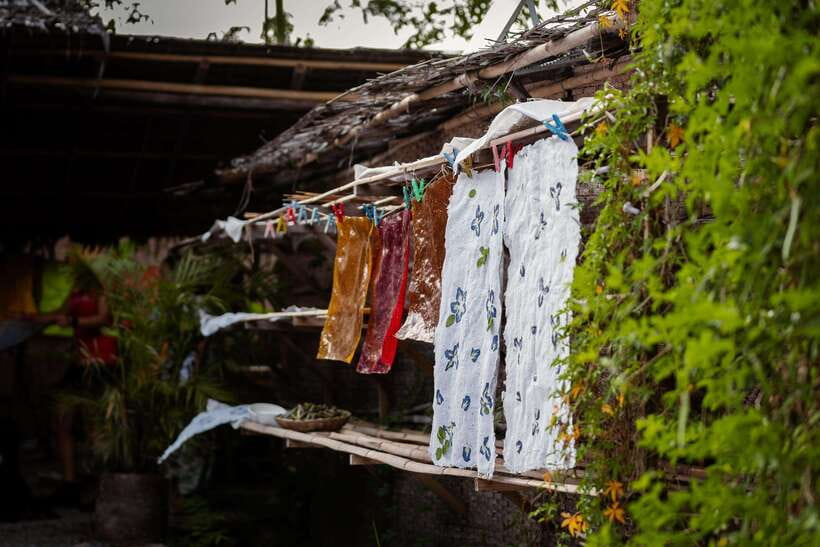
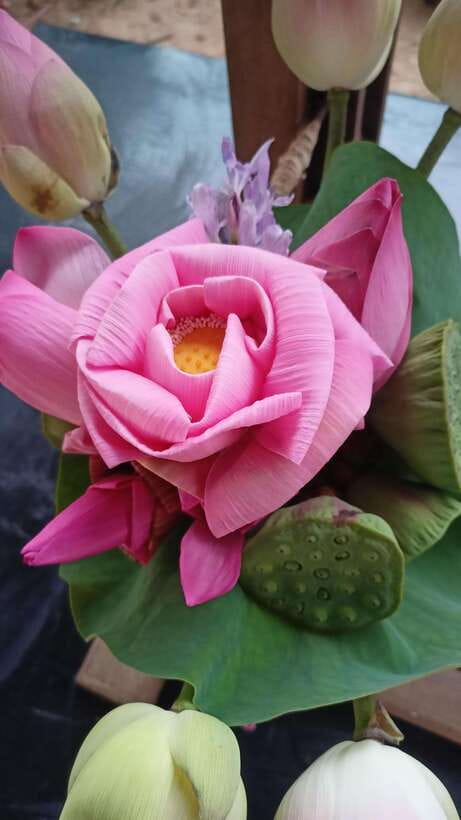
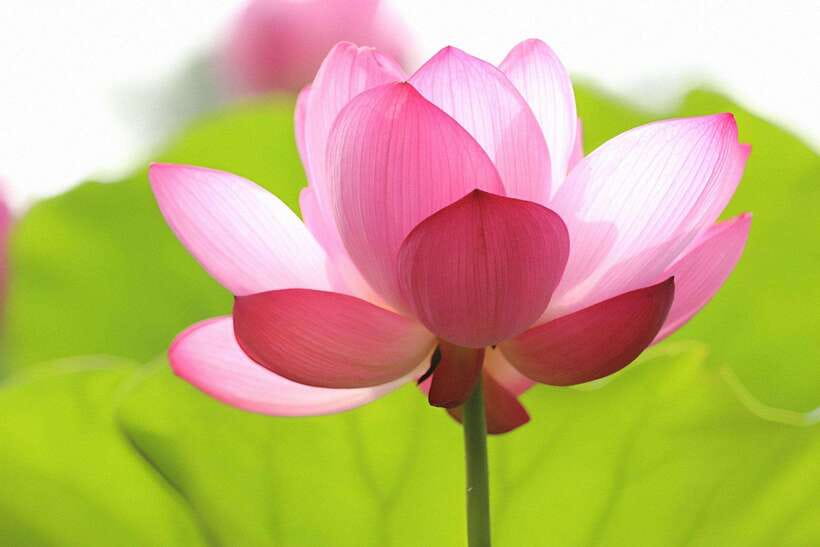
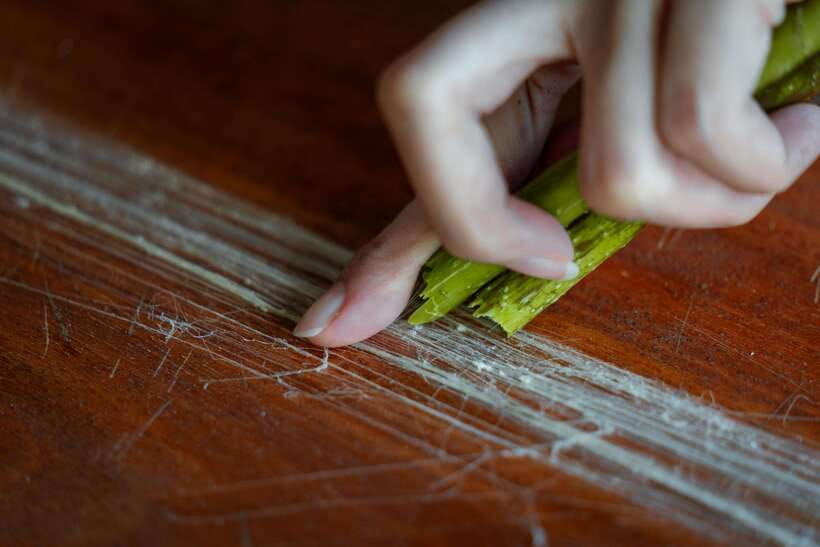
The second farm is the more unusual stop. Lotus fiber is drawn from the stems of lotus plants, then combined and worked into thread. The process is delicate and slow, which helps explain why lotus textile products cost more than ordinary mass-produced fabric.
The guided portion lasts about 30 minutes. You watch artisans extract the fibers and learn how the material moves from plant stem toward finished textile. This is a good counterpoint to the silkworm farm. Silk begins with an animal-made cocoon, while lotus fiber starts with a plant stem that must be handled with great care.
The farm also shows how craft production can support local women. The social-enterprise model connects textile work with employment and training, while keeping production handmade. You are not simply looking at an unusual fabric. You are seeing a small-scale attempt to keep local work viable through a distinctive product.
The garden tea stop lasts around 15 minutes. Lotus tea and biscuits are included, giving you a quiet pause after the demonstration. Some bookings have included an optional lunch at the farm, and past visitors have described that meal as excellent, but lunch is not part of the standard $25 package. Do not arrive expecting a meal unless you have arranged and paid for it separately.
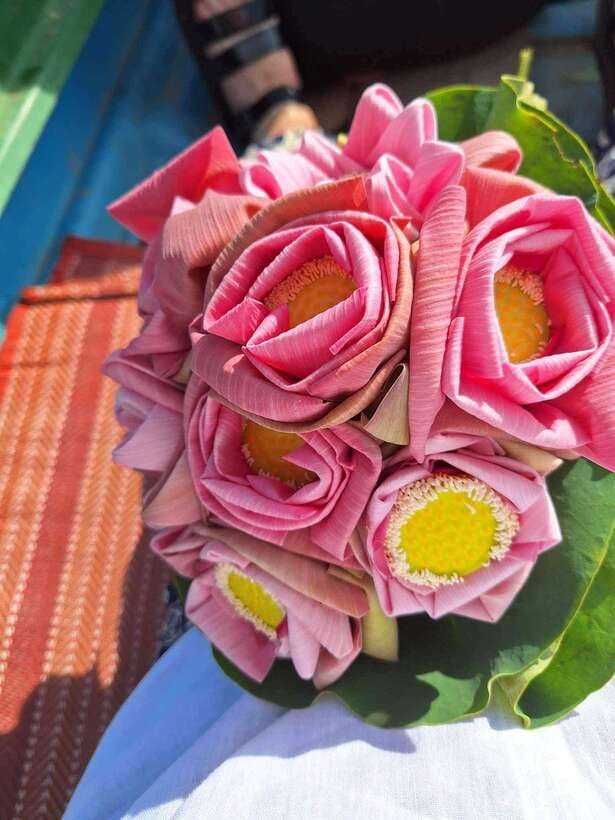
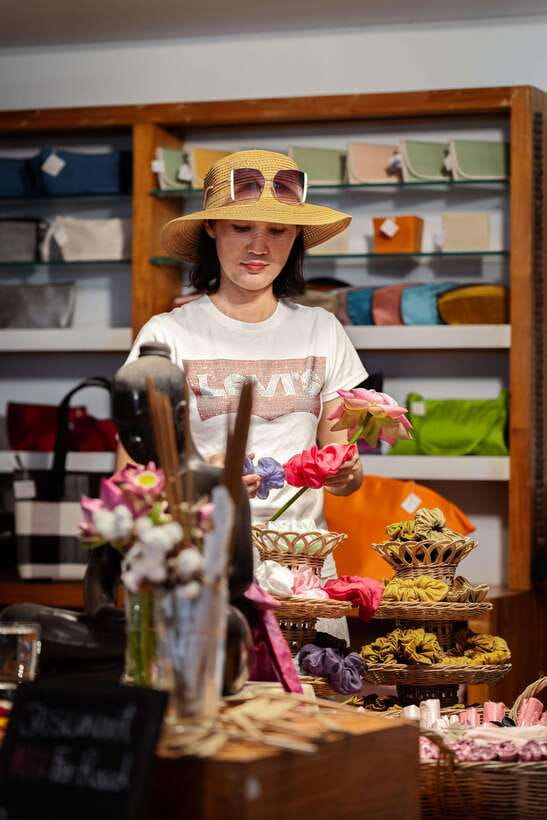
At the boutique, you can see the finished result of the work explained in the tour. Lotus silk is a special purchase rather than a casual souvenir. The higher cost makes more sense after you have watched the fiber being drawn and prepared by hand. You do not need to buy anything, but the shop is an important part of how the social enterprise earns income.
What the guides and drivers add
The tour includes an English or French-speaking guide, with explanations at both farms. Clear, well-paced interpretation matters here because the processes are unfamiliar to many people. A good guide helps you connect the silkworm’s life cycle, the loom, the lotus stem, and the final product.
Several individual guides have been praised for being kind, clear, and attentive, though the supplied information does not give the names of the farm guides. One driver named Vanny is specifically praised for being patient and friendly. Other feedback describes drivers handling traffic and long transfers with care.
The experience is strongest when you ask questions. Ask how long a particular process takes, which parts are done by hand, and how the products differ from factory-made cloth. You will get more from the visit if you treat it as a working craft demonstration rather than a quick photo stop.
Photography is allowed at both farms. Bring a camera, but be considerate around workers and demonstrations. The setting also provides several good photo opportunities, from the wooden looms to lotus-related displays and the garden tea stop.
Who will enjoy this four-hour outing
I would choose this tour for you if you like craft, local enterprise, production methods, or thoughtful shopping. It also suits families, since the silkworm stages and visible handwork give children something concrete to watch. The activity is suitable for all ages and fitness levels, though you should still expect walking around the farms and time in warm weather.
It works well between temple visits. The morning departures leave the afternoon open, and the four-hour duration includes transport. You get a focused cultural experience without giving up an entire day.
This is less suitable if you want a luxury vehicle, a long hands-on workshop, or a full meal included. You also may not enjoy it if you dislike shopping stops. The boutiques are not compulsory, but they are built into the timing at both farms.
What to bring and how to prepare
Wear comfortable walking shoes and light clothing. Sun protection is important, so pack a hat and sunscreen. Bring a camera and some cash in US dollars for the boutiques or optional activities.
Keep your expectations precise. The standard tour includes demonstrations, not a full craft class. It includes lotus tea and biscuits, not lunch or a wider selection of drinks. It includes pickup and return to Biolab Café, not hotel transportation.
The tour operates in all weather. Both farms have restrooms, and Samatoa has WiFi. Children need to be accompanied by an adult. Free cancellation is available up to 24 hours before departure, and reserve-now, pay-later booking may be offered when you check availability.
Is the $25 price good value?
Yes, for most people interested in Cambodian craft. Two farm visits, transport, guided explanations, demonstrations, and refreshments would be difficult to arrange independently at the same price. The strongest value comes from the comparison: you see a long-established silk tradition and a newer lotus-fiber approach in one morning.
The price does not cover boutique purchases, lunch, extra beverages, hands-on crafts, private demonstrations, or unscheduled stops. Those extras can add up, so set a spending limit before you enter the shops.
I would not judge the tour by the amount of free time alone. The farm visits are fairly short, but the demonstrations pack useful information into those stops. The weaker value appears only if you want a full workshop or if the transport feels uncomfortable in the heat.
Should you book it?
Book this tour if you want to understand the work behind Cambodian textiles and support small-scale local production. The Angkor Silk Farm is the better choice if traditional silk, silkworms, and weaving interest you most. Samatoa is the more unusual stop if sustainable materials, lotus fiber, and women’s employment catch your attention.
Before booking, confirm the vehicle type, especially if you are sensitive to heat. Plan for purchases separately, and ask about optional crafts or lunch if those matter to you. With those expectations in place, this is a smart, focused addition to a Siem Reap itinerary, and a useful reminder that Cambodian culture is made not only of temples, but also of patient hands and working traditions.
FAQ
Where does the tour start and finish?
The tour starts and ends at Biolab Café in downtown Siem Reap. Hotel pickup and drop-off are not included.
What departure times are available?
Morning departures are listed at 8:30 AM and 10:00 AM. Arrive 10 minutes before your scheduled departure.
How long does the tour last?
The full experience lasts about four hours, including transportation between the two farms.
Which languages are available?
The tour is conducted in English or French with a live guide.
What is included at the Lotus Silk Farm?
The visit includes a guided tour, a lotus fiber extraction demonstration, and complimentary lotus tea and biscuits. Lunch is not included in the standard package.
Are hands-on craft activities included?
No. Silk weaving workshops, hands-on craft activities, private demonstrations, and costume photo sessions are not included. Optional activities may be available for an additional cost.
Can I buy products at the farms?
Yes. Both farms have boutiques with handmade products. Purchases, souvenirs, and personal expenses are not included in the tour price.
Just added around Siem Reap
- Ticket for Angkor Balloon Ride.★ 3.7 · 46 reviews
- Sunrise at Angkor Wat Temple: 3-Hour Private Tour★ 4.7 · 30 reviews
- Small-Group Full Day Angkor wat Guide tour with Sun set★ 5.0 · 136 reviews
- Siem Reap: Private 4-Day Angkor Wat and Phnom Kulen Tour★ 5.0 · 9 reviews
- Angkor Wat: Sunrise 2.5 Days Temples & Tonle Sap-Small Group★ 5.0 · 10 reviews
- Siem Reap : Private Tuk-Tuk Tour of the Magnificent Temples.★ 4.9 · 14 reviews
- Siem Reap: Ultimate Angkor Wat Offbeat Experience by Jeep★ 4.9 · 8 reviews
- Siem Reap: Personalized Angkor Wat Sunrise/Set by TukTuk/Car★ 4.9 · 41 reviews
Angkor Wat Tours, compared.

Angkor Wat Sunrise or Sunset Tour with Guide from Siem Reap
Read our review →
Angkor Wat: Small-Group Sunrise or Sunset Tour
Read our review →
Angkor Wat 2-Day Tour with Sunrise and Sunset
Read our review →

Angkor Wat Sunrise tour with Small – Group and Guide tours
Read our review →
Angkor Wat Highlights and Sunrise Guided Tour from Siem Reap
Read our review →
Angkor Wat Sunset Small Group Tour with Lunch Included
Read our review →
Full-Day Angkor Wat Sunrise Private Tour with Guide from Siem Reap
Read our review →Browse the lists this tour appears in